 Vorschau anzeigen
 Versenden
 Teilen
 Details anzeigen

 Herunterladen
 Ähnliche Objekte
 Röntgenaufnahme
 Diashow
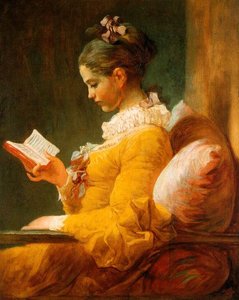
Young Girl Reading
 Oil
Oil- WallArt
- Rococo
 1769
1769- Early Modern
 105.0 x 90.0 cm
 Weiterlesen
Giclée / Kunstdruck
Giclée- oder Leinwanddruck in Museumsqualität mit schneller Produktion und flexiblen Veredelungsoptionen. ( Handgemalte Reproduktion bestellen Bild kaufen)




P118B $10

P118H $10

P118W $10

P438Z $10

P508JH $12

P508YH $12

P805H $10

P805Z $10

P919BZ $10

P919G $10

P919XJ $10

P959ZH $10

P968JZ $12

W106C $8

W218G $10

W218JH $8

W218Y $10

W307PJ $10

W316G $10

W316PJ $8

W316Y $10

W398PJ $8

W4111J $10

W500HY $15

W500JH $15

W692G $12

W849H $8

W940BG $15

W953PJ $8




Wählen Sie aus unseren vordefinierten Formaten, die den ursprünglichen Proportionen des Kunstwerks entsprechen.

Sie können Ihre eigenen Maße eingeben, um ein bestimmtes Format oder einen speziellen Platz einzupassen. Wenn das von Ihnen gewählte Format nicht den Proportionen des Originalbildes entspricht, werden wir das Kunstwerk entweder beschneiden oder das Bild mit einem gespiegelten oder einfarbigen Rand erweitern. Ein digitaler Entwurf wird Ihnen zur Genehmigung zugesandt, bevor die Produktion beginnt.
Bitte beachten Sie, dass die Vorschau auf dem Bildschirm nicht den tatsächlichen Zuschnitt oder die Erweiterung widerspiegelt. Nur der Entwurf zeigt die endgültige Komposition präzise an.
Obwohl Sondermaße verfügbar sind, empfehlen wir die Auswahl eines Maßes aus der vordefinierten Liste, um die ursprünglichen Proportionen zu bewahren.
Weltweiter Versand () innerhalb von 2 Wochen statt der üblichen 4/5 Wochen. (6 September)

Kostenloser weltweiter Expressversand

Hochwertige Leinenleinwand

Umfassender Versicherungsschutz beim Versand

Zollgebühren-Rückerstattungsgarantie

Garantie für exakte Farbtreue

100 Tage Rückgaberecht (nur bei Mängeln)

100% Geld-zurück-Garantie

Mengenrabatt verfügbar
 Die Glasoption ist nur für Größen unter 110 cm verfügbar.

Young Girl Reading
Giclée / Kunstdruck
Format der Reproduktion
-


Gesamtpreis
$ 62
A Moment of Quiet Introspection
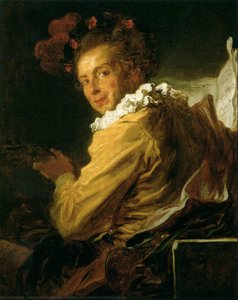
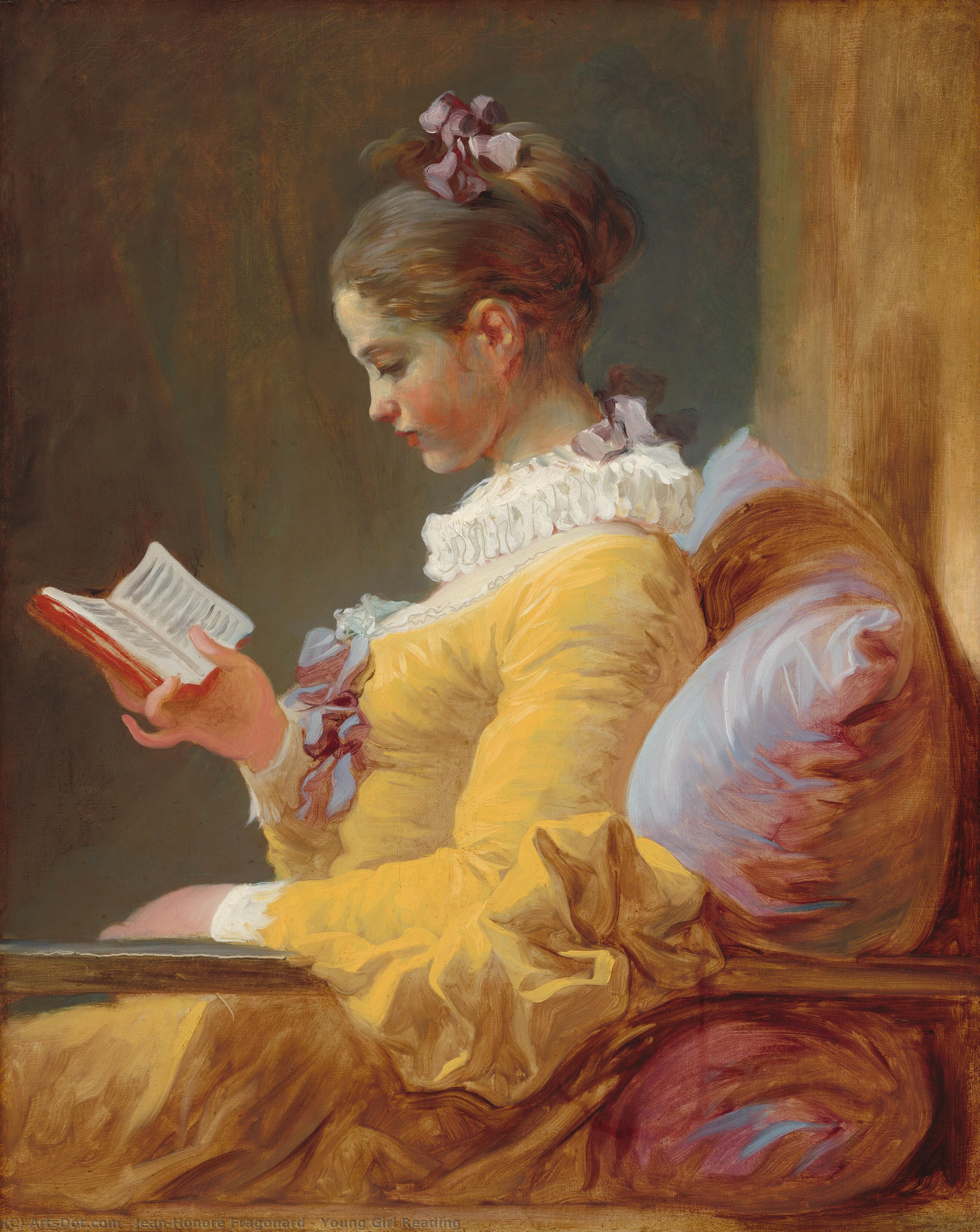
In the soft, flickering light of the eighteenth century, Jean-Honoré Fragonard captured a scene of profound stillness and youthful grace. Young Girl Reading is not merely a portrait; it is an invitation into a private sanctuary of thought. The subject, a young woman with porcelain skin and chestnut hair, is lost in the pages of a small book, her profile turned away from the viewer as if we have stumbled upon a sacred, solitary ritual. Dressed in a sumptuous goldenrod-yellow gown, she sits enveloped by the textures of her surroundings—the delicate lace at her neckline, the soft mauve bows that accent her attire, and the plush, oversized pillow streaked with lilac and rose pink. There is an exquisite intimacy in her posture, a gentle downward tilt of the head that suggests the world around her has ceased to exist, leaving only the dialogue between the reader and the written word.
The painting serves as a masterclass in the Rococo spirit, blending the elegance of courtly life with a burgeoning interest in the emotional depth of the individual. While Fragonard was often celebrated for his more exuberant and frothy compositions, this work reveals his ability to command the atmosphere of quietude. The background, a dreamlike tapestry of tan and muted teal blue, provides a soft, atmospheric stage that pushes the vibrant yellow of her dress forward, making the subject glow with an inner light. This interplay of color and light creates a sense of warmth and comfort, making the piece an ideal focal point for any space seeking to evoke feelings of peace, nostalgia, and intellectual refinement.
The Mastery of the Brush and Light
To observe this work closely is to witness the virtuosity of Fragonard’s technique. The artist employs a loose, lively brushstroke that breathes life into the canvas, eschewing rigid lines for a more fluid, organic movement. This painterly approach allows the light to dance across the surfaces—catching the sheen of the silk, the translucency of the white ruff, and the subtle shadows within the folds of her gown. The texture is palpable; one can almost feel the weight of the heavy fabric and the softness of the pillows. This tactile quality is what makes a high-quality reproduction of this piece so captivating for interior designers; it brings a sense of movement and organic energy to a room, breaking the stillness of modern decor with its historical vitality.
Beyond the technical brilliance, there is a profound emotional resonance found in the composition's balance. The verticality of the piece, combined with the way the subject leans against a railing, creates a sense of structured repose. For collectors, this painting represents more than just an aesthetic choice; it is an acquisition of mood. Whether placed in a sunlit library or a sophisticated study, Young Girl Reading acts as a window into a bygone era of elegance and contemplation. It offers a timeless connection to the beauty of the human spirit in repose, making it a perennial favorite for those who appreciate art that speaks to the soul through both color and character.
Ähnliche Kunstwerke
Über den Künstler
Frühe Jahre und Ausbildung
Jean-Honoré Fragonard, ein bedeutender französischer Maler und Grafiker, wurde am 4. April 1732 in Grasse, Alpes-Maritimes geboren. Sein Vater, François Fragonard, war Handschuhmacher, und seine Mutter, Françoise Petit, Hausfrau. Im Alter von achtzehn Jahren wurde Fragonard an den renommierten Künstler François Boucher vermittelt, wo er seine Fähigkeiten verfeinerte.Künstlerische Karriere
Fragonards künstlerische Karriere lässt sich in mehrere Phasen unterteilen:- Frühwerk (1750er Jahre): Fragonard gewann 1752 den Prix de Rome mit einem Gemälde von Jeroboam, der zum goldenen Kalb opfert. Anschließend studierte er drei Jahre bei Charles-André van Loo.
- Italienische Einflüsse (1760er Jahre): Fragonard schloss Freundschaft mit dem Maler Hubert Robert und bereiste Italien, wo er zahlreiche Skizzen der lokalen Landschaft anfertigte. Diese Zeit sah die Entwicklung seines charakteristischen Stils.
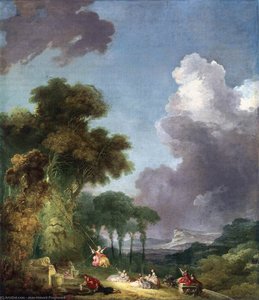
- Rokoko-Reife (1770er Jahre): Fragonards Gemälde aus dieser Zeit, wie „Die Schaukel“ (1767) und „Der blinde Manns Fangspiel“ (1780), zeugen von seiner Meisterschaft des Rokostils.
- Neoklassizismus (späte 1770er Jahre): Fragonard experimentierte mit dem Neoklassizismus, wie in seinem Werk „Porträt von Denis Diderot“ (1769) zu sehen ist.
Wichtige Werke und Stil
Fragonards Stil zeichnet sich durch eine leichte Eleganz, sinnliche Darstellungen und lebendige Farben aus. Er bevorzugte Szenen des höfischen Lebens, Liebesbegegnungen und Porträts. Zu seinen bekanntesten Werken zählen:- „Die Schaukel“ (1767): Ein ikonisches Werk des Rokoko, das die Leichtigkeit und den Vergnügenstreib der Aristokratie einfängt.
- „Der blinde Manns Fangspiel“ (1780): Eine spielerische Szene, die Fragonards Fähigkeit zeigt, Bewegung und Emotionen darzustellen.
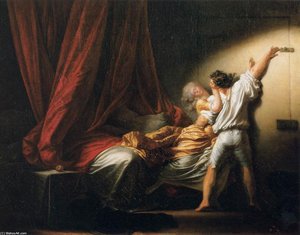
- „Die Bolt“: Zeigt eine idyllische Landschaftsszene mit Figuren.
- „Liebesgelübde“: Ein Gemälde, das romantische Gefühle und Zärtlichkeit vermittelt.
Vermächtnis und Bedeutung
Fragonards Werk hatte einen bedeutenden Einfluss auf die Entwicklung der französischen Malerei des 18. Jahrhunderts. Er gilt als einer der wichtigsten Vertreter des Rokoko und seine Werke werden für ihre Schönheit, Anmut und sinnliche Atmosphäre geschätzt. Sein Einfluss erstreckt sich bis in nachfolgende Kunstbewegungen hinein. Fragonards Gemälde befinden sich heute in zahlreichen Museen weltweit, darunter das Louvre-Museum. Er starb am 22. August 1806 in Paris.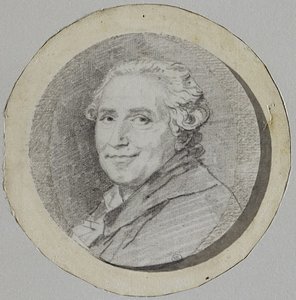
Jean-Honoré Fragonard
1732 - 1806 , Frankreich
Kurzinfos
- Beeinflusste Künstler: ['Alexis Grimou']
- Bemerkenswerte Werke:
- Der Schwinge
- Liebesgelübde
- Das Hemd entfernt
- Der Blinde Manns Spiel
- Geburtsdatum: 4. April 1732
- Geburtsort: Grasse, Frankreich
- Künstlerische Bewegung: Rokoko
- Nationalität: Französisch
- Sterbedatum: 22. August 1806
- Vollständiger Name: Jean-Honoré Fragonard
- Von Künstlern Beeinflusst:
- François Boucher
- Charles-André van Loo
Ähnliche Artikel

Rococo Meisterwerke: Die Top 10, die eine Epoche prägten |
Entdecken Sie die Top 10 Rokoko Meisterwerke von Watteau, Boucher & Fragonard! Erfahren Sie die Geschichten hinter diesen ikonischen Gemälden und lassen Sie sich für Ihre Inneneinrichtung inspirieren. Hochwertige Kunstdrucke auf .
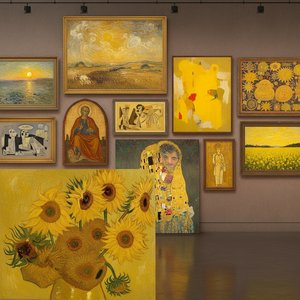
Chromgelb in der Kunstgeschichte: Die 10 berühmtesten Gemälde & ihre Meister
Entdecken Sie die 10 berühmtesten Gemälde, dominiert von der leuchtenden Farbe Chromgelb! Von Van Gogh bis Monet – erfahren Sie Geschichten hinter Meisterwerken & finden Sie Ihre perfekte Kunst-Reproduktion auf ArtsDot.com.

The Rococo Aesthetic: Opulence, Rebellion & the Pursuit of Pleasure in 18th-Century Art
Explore the opulent world of Rococo art! Discover its origins, key artists like Watteau & Boucher, and lasting influence on design. Expert insights for collectors & enthusiasts.
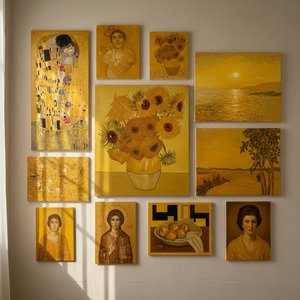
Die Top 10 berühmter Gemälde im Gelbocherton – Kunst für Ihr Zuhause |
Entdecken Sie die Top 10 berühmter Gemälde, dominiert von warmen Gelbochtönen! Von Van Gogh bis Monet – erfahren Sie die Geschichten hinter den Meisterwerken und lassen Sie sich für Ihre Wohnraumgestaltung inspirieren. Hochwertige Kunstdrucke auf
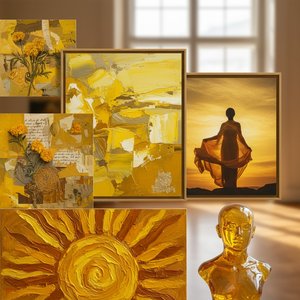
The Golden Hue: Exploring Symbolism & Emotion in Yellow Art
Explore the rich symbolism & emotional power of yellow in art history! From Van Gogh to Kandinsky, discover how artists used this vibrant hue. Expert analysis & high-quality reproductions at ArtsDot.