

 Vorschau anzeigen
 Versenden
 Teilen
 Details anzeigen

 Herunterladen
 Ähnliche Objekte
 Röntgenaufnahme
 Diashow
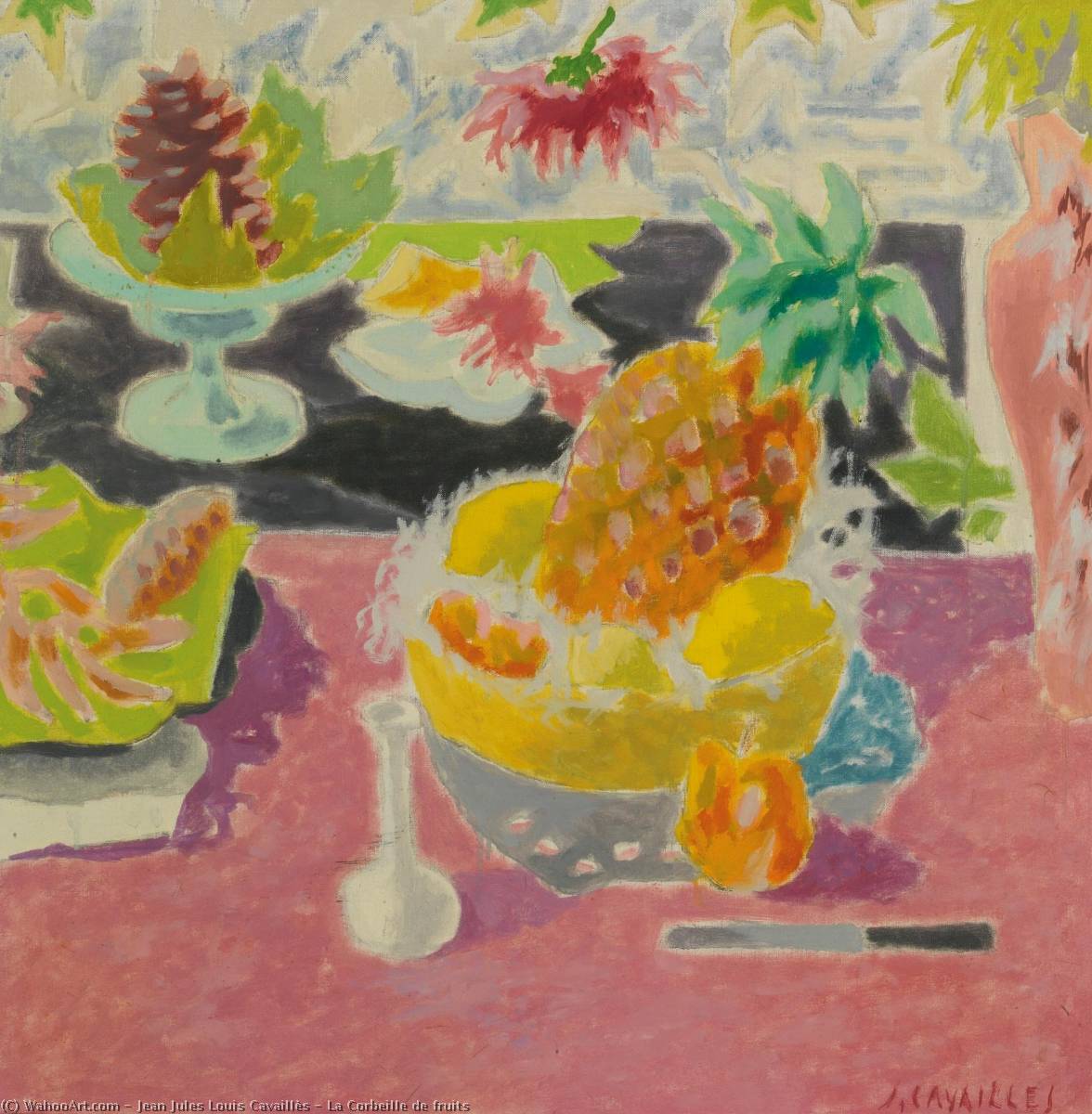
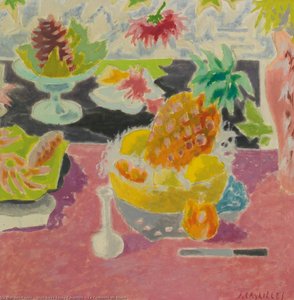
La Corbeille de fruits
 62.0 x 62.0 cm
 Weiterlesen
Handgefertigte Ölreproduktion
Handgemaltes Ölgemälde auf Leinwand in Ihrer Wunschgröße und mit Rahmen, auf Bestellung von unseren Künstlern angefertigt. ( Druck bestellen Bild kaufen)




































Wählen Sie aus unseren vordefinierten Formaten, die den ursprünglichen Proportionen des Kunstwerks entsprechen.

Sie können Ihre eigenen Maße eingeben, um einen bestimmten Rahmen oder Platz auszufüllen. Wenn die gewählte Größe nicht den Proportionen des Originalbildes entspricht, werden wir das Kunstwerk entweder beschneiden oder das Gemälde durch zusätzliche, handgemalte Elemente erweitern. Ein digitales Mockup wird Ihnen zur Genehmigung zugesandt, bevor die Produktion beginnt.
Bitte beachten Sie, dass die Bildschirmvorschau nicht die tatsächliche Beschneidung oder Erweiterung widerspiegelt. Nur das Mockup zeigt die endgültige Komposition exakt an.
Obwohl Sondermaße verfügbar sind, empfehlen wir, eine Größe aus der vordefinierten Liste zu wählen, um die ursprünglichen Proportionen beizubehalten.
Nach der Bestellung wird das ArtsDot.com-Team dem Kunden Anweisungen per E-Mail zusenden und eine Mockup-Vorschau bereitstellen.
Weltweiter Versand () in nur 3 bis 4 Wochen statt der üblichen 5 Wochen. (22 August). Keine Kompromisse bei der Qualität.

Kostenloser weltweiter Expressversand

Hochwertige Leinenleinwand

Umfassender Versicherungsschutz beim Versand

Zollgebühren-Rückerstattungsgarantie

Garantie für exakte Farbtreue

60 Tage Rückgaberecht (nur bei Mängeln)

100% Geld-zurück-Garantie

Mengenrabatt verfügbar
 Die Glasoption ist nur für Größen unter 110 cm verfügbar.

La Corbeille de fruits
Art der Reproduktion
Format der Reproduktion
-


Gesamtpreis
$ 263
Ähnliche Kunstwerke

Über den Künstler
Jean Jule Louis Cavaillès: A Painter of Idyllic Moments
The world of 19th-century French art is often associated with grand narratives – revolutionary fervor, social commentary, and the dramatic sweep of Romanticism. Yet, nestled within this landscape of monumental works lies a quieter, more intimate tradition, embodied by Jean Jule Louis Cavaillès. Born in Carmaux, Tarn, in 1901, Cavaillès wasn’t driven by grand pronouncements but rather by an unwavering desire to capture the simple joys and serene beauty of everyday life. His paintings aren't declarations; they are invitations – a gentle pull towards sun-drenched afternoons, bountiful harvests, and the comforting warmth of domestic interiors. Cavaillès’s legacy isn’t one of shattering conventions but of quietly establishing his own distinct voice within the broader currents of Impressionism and Post-Impressionism.
Early influences shaped Cavaillès' artistic trajectory. He began his formal training at the Académie Julian in Paris, a prestigious institution that nurtured many future masters. Crucially, he found mentorship with Pierre and Paul Albert Laurens, renowned artists known for their vibrant color palettes and depictions of Parisian life. However, it was his acquaintance with Jules Vuillemin, a philosopher deeply interested in the intersection of art and science, who profoundly impacted Cavaillès’s approach to painting. Vuillemin's emphasis on analyzing perception and the relationship between the artist and the subject resonated deeply with Cavaillès, leading him to prioritize capturing not just what he *saw*, but how he *felt* about what he saw – a core element of his distinctive style.
The Language of Light and Color
Cavaillès’s paintings are immediately recognizable by their luminous quality. He eschewed the heavy, dark palettes often associated with the late 19th century, instead favoring bright, airy colors that evoke a sense of warmth and optimism. His use of light is particularly masterful; he doesn't simply depict illumination but employs it to create atmosphere and mood. Consider his “La Corbeille de fruits” (The Basket of Fruits), a quintessential example of his style. The still life isn’t merely a representation of objects; it’s an exploration of color, texture, and light. The vibrant reds, yellows, and greens seem to radiate from the canvas, drawing the viewer into the scene with an almost palpable warmth. Similarly, “La Ferme” (The Farm) presents a rural landscape bathed in golden sunlight, conveying a sense of tranquility and abundance.
Cavaillès’s technique was characterized by loose brushstrokes and a deliberate avoidance of sharp outlines. He favored a broken color approach, layering thin washes of paint to create subtle gradations of tone and hue. This technique contributed significantly to the luminous quality of his paintings, as it allowed light to penetrate through the layers of color, creating an effect of shimmering transparency. He was deeply influenced by Impressionist painters like Claude Monet and Camille Pissarro, but he developed a unique style that retained a distinctly personal touch.
A Life Intertwined with Art
Cavaillès’s life wasn't solely dedicated to painting; it was inextricably linked to the artistic community of Paris. He spent several years living in “La Ruche,” a legendary artist’s residence that housed a remarkable collection of creatives, including figures like Chaim Soutine and Amedeo Modigliani. This environment fostered an atmosphere of collaboration and exchange, undoubtedly influencing Cavaillès's artistic development. During World War II, he bravely participated in the French Resistance, demonstrating his commitment to his country’s freedom. Following the war, he returned to painting, continuing to explore themes of rural life and domestic tranquility.
Despite a relatively modest output compared to some of his contemporaries, Cavaillès's work holds significant historical value. He represents a counterpoint to the more overtly political or socially engaged art of the era, offering instead a quiet celebration of beauty and simplicity. His paintings are not merely decorative; they reflect a deep appreciation for the pleasures of everyday life – a sentiment that continues to resonate with viewers today. His work is now held in private collections worldwide, testament to its enduring appeal.
Legacy and Influence
Cavaillès’s influence extends beyond his own paintings. His emphasis on capturing the emotional essence of a scene—the *feeling* of light, color, and atmosphere—served as an inspiration for later generations of artists. While he didn't actively seek to establish a formal movement, his distinctive style helped to shape the development of idyllic landscape painting in France. His work stands as a reminder that art can be both beautiful and deeply personal, offering solace and joy to those who encounter it.
jean jules louis cavaillès
1901 - 1977
Kurzinfos
- Artistic Movement Or Style: Idyllic landscapes/Still lifes
- Artists Or Movements Influenced By This Artist: ['Impressionism']
- Artists Who Influenced This Artist: ['Jules Vuillemin']
- Date Of Birth: 1901
- Date Of Death: 1977
- Full Name: Jean Jule Louis Cavaillès
- Nationality: French
- Notable Artworks:
- La Corbeille de fruits
- La Ferme
- Place Of Birth: Carmaux, France

