

 Vorschau anzeigen
 Versenden
 Teilen
 Details anzeigen

 Herunterladen
 Ähnliche Objekte
 Röntgenaufnahme
 Diashow
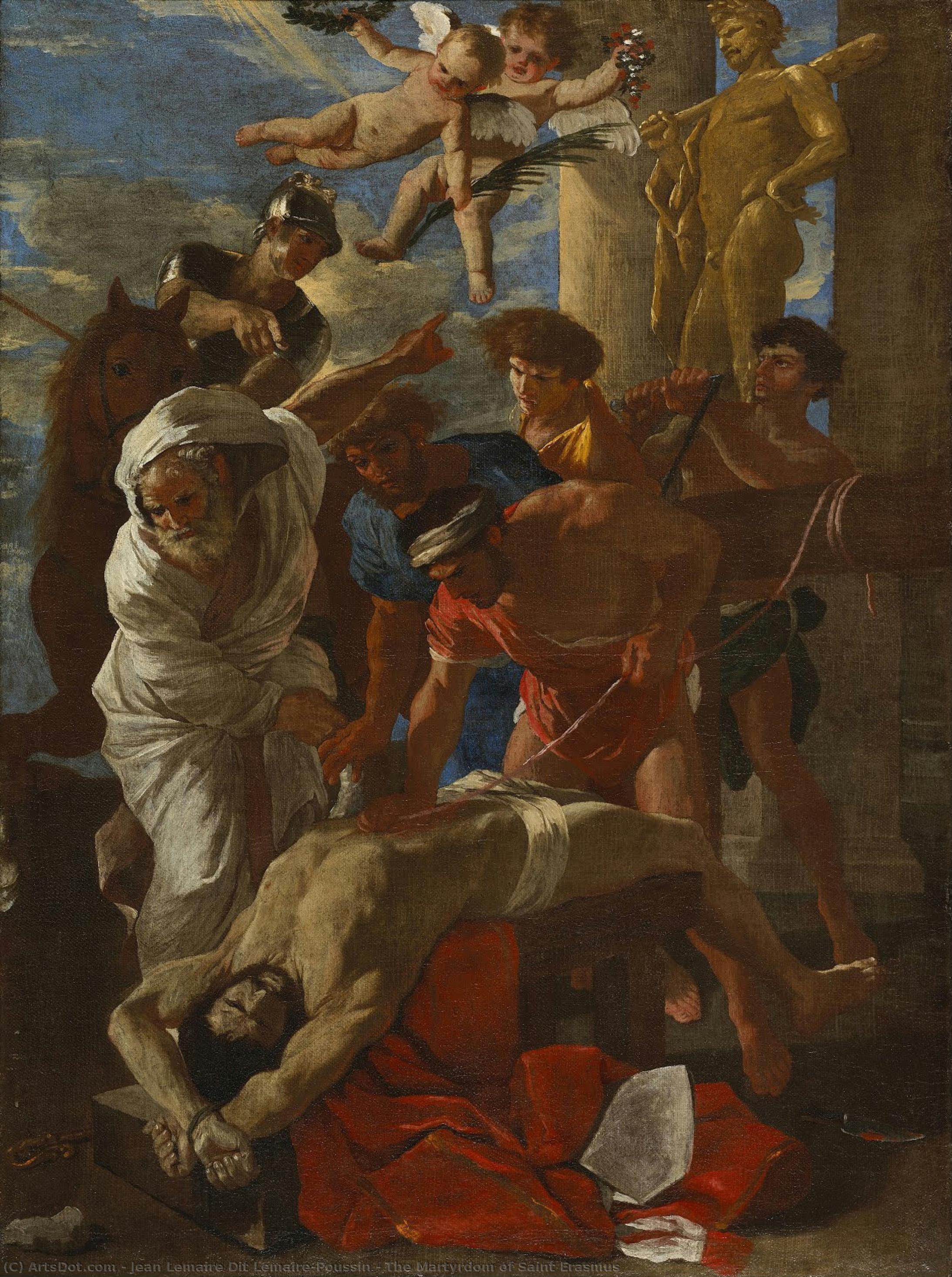
The Martyrdom of Saint Erasmus
 1628
1628 100.0 x 74.0 cm
 National Gallery of Canada
 Weiterlesen
Erwerben Sie ein hochauflösendes, optimiertes digitales Bild, das der Online-Vorschau weit überlegen ist.
Jede Datei wird von unseren hauseigenen Spezialisten mit modernsten Werkzeugen und fachmännischer manueller Retusche sorgfältig vorbereitet. Wir stellen sicher, dass jedes Bild eine außergewöhnliche Klarheit, präzise Farbgenauigkeit und feinste Details aufweist.
Die endgültige Datei wird innerhalb von 72 Stunden per E-Mail zugestellt und ist für den sofortigen Einsatz in professionellen, redaktionellen und Druckumgebungen optimiert. Es handelt sich um dieselbe Qualität, der führende Designstudios, Verlage und Galerien vertrauen.
Digitales Bild
Laden Sie eine hochauflösende Datei für die persönliche Präsentation, den Druck und kreative Projekte herunter. ( Druck bestellen Handgemalte Reproduktion bestellen)
In jeder Bestellung digitaler Bilder enthalten
Professionelle digitale Bereitstellung, garantiert
Wenn Sie sich für ArtsDot.com entscheiden, erhalten Sie nicht nur ein Bild – Sie erhalten ein professionell aufbereitetes digitales Kunstwerk, das mit höchster Präzision erstellt und durch eine Zufriedenheitsgarantie abgesichert wird. Hier ist alles, was automatisch mit Ihrer Bestellung geliefert wird:

Schnelle E-Mail-Zustellung
Ihre hochauflösende digitale Bilddatei wird Ihnen innerhalb von 72 Stunden nach der Bestellung per E-Mail zugestellt – bereit zur sofortigen Verwendung.

KI-optimierte digitale Datei
Ihre Kunstwerke werden professionell mithilfe fortschrittlicher KI-Tools und manueller Bearbeitung optimiert, um maximale Detailtreue, Klarheit und Farbgenauigkeit zu gewährleisten.

Lebenslanger kostenloser Neudruckservice
Datei versehentlich gelöscht oder verloren? Keine Sorge – wir senden sie Ihnen jederzeit kostenlos erneut zu.

Keine Einfuhrgebühren – jemals
Genießen Sie Ihr Kunstwerk sofort ohne Zollgebühren, Einfuhrabgaben oder Versandkosten – digitale Downloads sind immer steuerfrei.

Garantierte Farbtreue
Wir garantieren, dass Ihr digitales Bild mithilfe professioneller Werkzeuge und Farbmanagement die Originalfarben so präzise wie möglich wiedergibt.

60-Tage-Zufriedenheitsgarantie
Sollten Sie mit Ihrem digitalen Bild nicht zufrieden sein, werden wir es überarbeiten oder Ihnen innerhalb von 60 Tagen 100% erstatten – ohne Wenn und Aber.

100% Geld-zurück-Garantie
Nicht zufrieden? Erhalten Sie innerhalb von 60 Tagen nach Erhalt Ihrer digitalen Datei eine vollständige Rückerstattung – ohne Angabe von Gründen.

Rabatte bei Großbestellungen
3 Bilder kaufen, 10% sparen – 5 Bilder kaufen, 15% sparen – Ab 10 Bildern 20% sparen. Ideal für kreative Projekte, Galerien und Agenturen.
Ähnliche Kunstwerke



Biografie des Künstlers
Jean Lemaire-Poussin: A Harmonious Synthesis of Classical Idealism and Landscape Vision
Jean Lemaire-Poussin (1598 – 1659) stands as a pivotal figure in French Baroque art, renowned for his masterful depictions of classical landscapes interwoven with mythological narratives. Born in Dammartin-en-Goële, he embarked on an artistic journey marked by meticulous study under Claude Vignon and subsequent relocation to Rome, where he established enduring connections with Nicolas Poussin – a collaboration that profoundly shaped his oeuvre and cemented his place within the artistic landscape of the era.- Early Influences & Training: Lemaire’s formative years were steeped in humanist scholarship and classical aesthetics. Vignon instilled in him a deep appreciation for disegno, the Italian technique emphasizing careful observation and anatomical accuracy, preparing him for the challenges of mastering the complexities of Renaissance perspective.
- Roman Period (1613-1640): Lemaire’s arrival in Rome signaled a transformative period characterized by immersion in the artistic fervor of the papal court. He diligently honed his skills alongside Poussin, absorbing influences from Raphael and Michelangelo – masters who championed idealized beauty and harmonious composition. This formative experience would become the bedrock for his distinctive style.
- Collaboration with Poussin: The partnership between Lemaire and Poussin transcended mere artistic association; it fostered a shared intellectual vision. Together, they tackled ambitious decorative commissions – notably the grand scheme adorning Philip IV’s Buen Retiro Palace – where Lemaire conceived of architectural landscapes imbued with mythological grandeur. His meticulous attention to detail and compositional balance mirrored Poussin's own approach.
Distinctive Style & Artistic Technique
Lemaire-Poussin’s artistic style is characterized by a remarkable blend of classical idealism and landscape realism. He eschewed the dramatic theatricality prevalent in some Baroque circles, favoring instead serene vistas populated with figures rendered in subtle hues and bathed in diffused light. His landscapes are meticulously crafted to convey an impression of timeless beauty—a deliberate echo of antiquity—while simultaneously incorporating elements of observation and scientific accuracy. The use of atmospheric perspective – a technique perfected by Poussin – contributes significantly to the illusionistic depth and grandeur of his canvases.- Palette & Composition: Lemaire’s palette favored earthy tones—ochres, siennas, umbers—creating a harmonious visual experience that prioritized tonal gradation over bold color contrasts. His compositions adhered to pyramidal structures – a compositional device borrowed from classical sculpture – guiding the viewer's gaze and emphasizing stability.
- Mythological Integration: Despite his preference for landscapes, Lemaire seamlessly integrated mythological figures into his scenes—often depicted in idealized garb amidst tranquil pastoral settings. These figures served not merely as decorative embellishments but as conduits for conveying moral lessons rooted in humanist philosophy.
Notable Works & Legacy
Among Lemaire’s most celebrated paintings are “Monuments Antiques,” a monumental depiction of Roman ruins imbued with profound symbolic resonance; “The Martyrdom of Saint Erasmus,” showcasing exquisite anatomical detail and conveying spiritual pathos; and “Nymphes dansant devant un temple (Le péristyle d'u palais),” capturing the ethereal beauty of classical architecture and embodying the ideals of Renaissance harmony. His contribution to the decorative scheme at Versailles—particularly the grand galerie – solidified his reputation as a master craftsman and cemented his legacy as one of France’s foremost landscape painters.Historical Significance
Jean Lemaire-Poussin's artistic output represents a crucial juncture in French Baroque art, bridging the gap between Mannerism and Neoclassicism. His unwavering commitment to classical principles—particularly disegno and atmospheric perspective—influenced subsequent generations of artists and contributed significantly to the revival of humanist ideals within European culture. He remains an enduring symbol of artistic excellence and intellectual rigor – a testament to the transformative power of observation, scholarship, and collaborative creativity.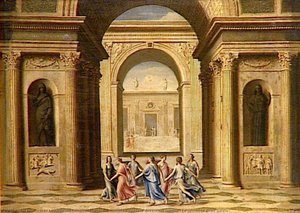
jean lemaire dit lemaire-poussin
1598 - 1659
Kurzinfos
- Artistic Movement Or Style: Classical Art
- Artists Or Movements Influenced By This Artist: ['Nicolas Poussin']
- Artists Who Influenced This Artist: ['Claude Vignon']
- Date Of Birth: 1598
- Date Of Death: 1659
- Full Name: Jean Lemaire-Poussin
- Nationality: French
- Notable Artworks:
- Monuments Antiques
- The Martyrdom of Saint Erasmus
- Nymphes dansant devant un temple
- Place Of Birth: Dammartin-en-Goële, France

