

 Vorschau anzeigen
 Versenden
 Teilen
 Details anzeigen

 Herunterladen
 Ähnliche Objekte
 Röntgenaufnahme
 Diashow
 Statistiken
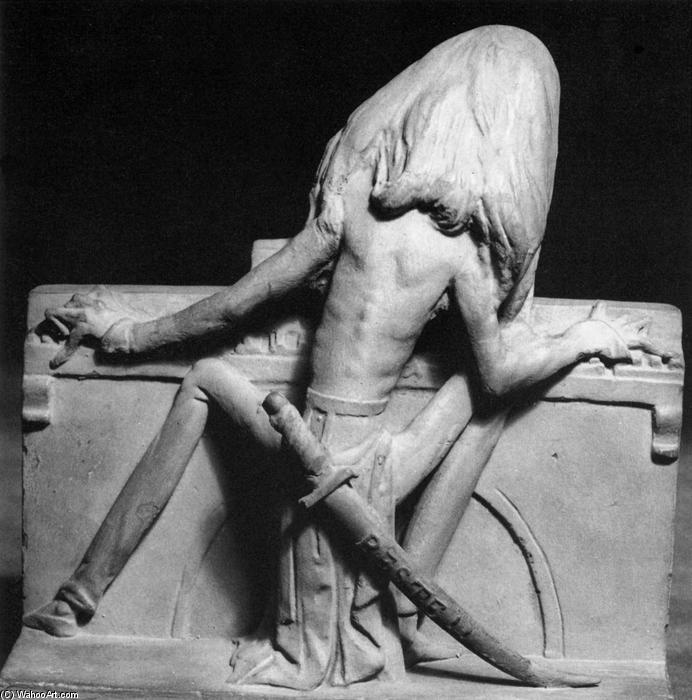
Liszt Playing the Piano


 Weiterlesen
Erwerben Sie ein hochauflösendes, optimiertes digitales Bild, das der Online-Vorschau weit überlegen ist.
Jede Datei wird von unseren hauseigenen Spezialisten mit modernsten Werkzeugen und fachmännischer manueller Retusche sorgfältig vorbereitet. Wir stellen sicher, dass jedes Bild eine außergewöhnliche Klarheit, präzise Farbgenauigkeit und feinste Details aufweist.
Die endgültige Datei wird innerhalb von 72 Stunden per E-Mail zugestellt und ist für den sofortigen Einsatz in professionellen, redaktionellen und Druckumgebungen optimiert. Es handelt sich um dieselbe Qualität, der führende Designstudios, Verlage und Galerien vertrauen.
Digitales Bild
Laden Sie eine hochauflösende Datei für die persönliche Präsentation, den Druck und kreative Projekte herunter. ( Zu Druck wechseln Handgemalte Reproduktion bestellen)
In jeder Bestellung digitaler Bilder enthalten
Professionelle digitale Bereitstellung, garantiert
Wenn Sie sich für ArtsDot.com entscheiden, erhalten Sie nicht nur ein Bild – Sie erhalten ein professionell aufbereitetes digitales Kunstwerk, das mit höchster Präzision erstellt und durch eine Zufriedenheitsgarantie abgesichert wird. Hier ist alles, was automatisch mit Ihrer Bestellung geliefert wird:

Schnelle E-Mail-Zustellung
Ihre hochauflösende digitale Bilddatei wird Ihnen innerhalb von 72 Stunden nach der Bestellung per E-Mail zugestellt – bereit zur sofortigen Verwendung.

KI-optimierte digitale Datei
Ihre Kunstwerke werden professionell mithilfe fortschrittlicher KI-Tools und manueller Bearbeitung optimiert, um maximale Detailtreue, Klarheit und Farbgenauigkeit zu gewährleisten.

Lebenslanger kostenloser Neudruckservice
Datei versehentlich gelöscht oder verloren? Keine Sorge – wir senden sie Ihnen jederzeit kostenlos erneut zu.

Keine Einfuhrgebühren – jemals
Genießen Sie Ihr Kunstwerk sofort ohne Zollgebühren, Einfuhrabgaben oder Versandkosten – digitale Downloads sind immer steuerfrei.

Garantierte Farbtreue
Wir garantieren, dass Ihr digitales Bild mithilfe professioneller Werkzeuge und Farbmanagement die Originalfarben so präzise wie möglich wiedergibt.

100-Tage-Zufriedenheitsgarantie
Wenn Sie mit Ihrem digitalen Bild nicht zufrieden sind, werden wir es überarbeiten oder 100% innerhalb von 100 Tagen erstatten – ohne Wenn und Aber.

100% Geld-zurück-Garantie
Nicht zufrieden? Erhalten Sie innerhalb von 100 Tagen nach Erhalt Ihrer digitalen Datei eine vollständige Rückerstattung – ohne Wenn und Aber.

Rabatte bei Großbestellungen
3 Bilder kaufen, 10% sparen – 5 Bilder kaufen, 15% sparen – Ab 10 Bildern 20% sparen. Ideal für kreative Projekte, Galerien und Agenturen.
The Captivating Intensity of Liszt Playing the Piano
Jean-Pierre Dantan’s “Liszt Playing the Piano,” completed in 1836, is more than just a portrait; it's a visceral embodiment of Romantic fervor and musical genius. This remarkable sculpture, crafted from meticulously carved gypsum, captures Franz Liszt at his most dynamic – a moment frozen in time as he commands the keys with passionate intensity. Dantan, known for his innovative sculptural caricatures and profound ability to imbue his subjects with emotion, here transcends mere representation, offering an intimate glimpse into the soul of one of music’s greatest figures.
The sculpture's power lies in its dramatic chiaroscuro lighting, a technique masterfully employed by Dantan to sculpt volume and depth. The stark contrasts between light and shadow accentuate the musculature of Liszt’s hands, poised over the piano keys, while simultaneously highlighting the furrowed brow and focused expression on his face. This masterful use of light not only reveals the intricate details of the marble – the texture of the fabric of his shirt, the sheen of the polished gypsum – but also draws the viewer's eye directly to Liszt’s captivating presence. The composition itself is carefully balanced, with the figure occupying a central position within a dark, almost theatrical space, further intensifying the sense of drama and immediacy.
A Portrait of Romanticism: Style and Technique
Dantan’s style during this period was characterized by a remarkable ability to capture both the physical likeness and the emotional essence of his subjects. He moved beyond simple imitation, skillfully utilizing techniques borrowed from classical sculpture while injecting a distinctly Romantic sensibility into his work. The pose itself—Liszt's raised hand, a gesture simultaneously of command and invitation—is a hallmark of the era’s emphasis on individualism and expressive emotion. The choice of gypsum as the medium is significant; it allowed Dantan to achieve a remarkable level of detail and texture, mirroring the smooth surfaces of marble while retaining a lighter weight and easier workability.
Furthermore, Dantan's approach was deeply influenced by his artistic circle, which included prominent figures like Honoré Daumier and members of the Parisian intellectual elite. This exposure to diverse perspectives undoubtedly shaped his aesthetic sensibilities, contributing to the sculpture’s sophisticated blend of realism and emotional intensity. The work demonstrates a clear understanding of anatomy and form, combined with an intuitive grasp of how to convey character and mood through gesture and expression.
Symbolism and Historical Context
“Liszt Playing the Piano” is deeply rooted in the artistic and cultural landscape of 1836. The Romantic era was a time of profound social and political upheaval, marked by an intense desire for individual expression and a rejection of classical constraints. Liszt himself embodied these ideals as a revolutionary pianist who challenged established musical conventions with his virtuosic performances and innovative compositions. Dantan’s sculpture captures this spirit of rebellion and artistic innovation perfectly.
The inclusion of the piano is, of course, central to the work's meaning. The instrument represents not just Liszt’s profession but also his creative soul—a conduit for expressing profound emotions through music. The pose itself – with the hand raised as if conducting – suggests a dynamic interplay between the artist and his creation, highlighting the transformative power of art. Moreover, Dantan’s use of caricature-like elements in the sculpture's details subtly references his own artistic practice, blending portraiture with playful commentary.
A Legacy of Passion: Reproduction and Beyond
Reproductions of “Liszt Playing the Piano” offer a remarkable opportunity to bring this captivating artwork into any setting. The meticulous detail captured by Dantan’s original sculpture is faithfully reproduced in high-quality prints, allowing viewers to appreciate its beauty and emotional depth from afar. Whether adorning a grand salon or a more intimate space, this piece serves as a powerful reminder of the enduring legacy of Romanticism and the genius of Franz Liszt.
Consider how the sculpture’s dramatic lighting and dynamic composition can be translated into interior design—creating focal points that command attention and evoke a sense of passion and energy. The work's timeless appeal ensures its continued relevance as a symbol of artistic excellence and human creativity.
Ähnliche Kunstwerke
Biografie des Künstlers
Frühes Leben und Familiärer Hintergrund
- Jean-Pierre Dantan, bekannt als Dantan der Jüngere, wurde am 28. Dezember 1800 in Paris, Frankreich geboren.
- Er stammte aus einer Familie von Bildhauern; sein Vater war ein Holzschnitzer, der ihm die erste Ausbildung gab.
- Antoine-Laurent Dantan, sein älterer Bruder (bekannt als Dantan der Ältere), war ebenfalls Bildhauer und trat vor Jean-Pierre in die École nationale supérieure des beaux-arts in Paris ein.
- Beide Brüder studierten unter François-Joseph Bosio an der renommierten Kunstschule, begannen ihre formale künstlerische Ausbildung im Jahr 1823.
- Eine spätere Generation sah seinen Neffen, Édouard Joseph Dantan (1848–1897), einige Anerkennung als Maler erlangen, obwohl er heute als ein geringfügiger Künstler gilt.
Künstlerische Entwicklung und Stil
- Während sich Antoine-Laurent auf großformatige akademische Skulpturen konzentrierte und 1828 den Prix de Rome gewann, entwickelte Jean-Pierre einen einzigartigen Stil, der sich um Porträtbüsten und Karikaturen drehte.
- Er begann diesen besonderen Ansatz früh in seiner Karriere zu erforschen und erregte Aufmerksamkeit für seine Büste des Malers César Ducornet, dargestellt als ein „verfluchter Poet“.
- Dantans Talent lag darin, ausdrucksstarke Emotionen in seinen Porträts einzufangen, indem er klassische Ausbildung mit aufkommenden romantischen Empfindlichkeiten verband.
- Ihm wird oft die Erfindung der skulpturalen Karikatur zugeschrieben, einer Form, die es ihm ermöglichte, die zeitgenössische Gesellschaft zu verspotten und zu kommentieren.
- Seine Arbeit wurde von Theorien der Phrenologie und dem Schwerpunkt des Romanticismus auf Ausdruck beeinflusst. Er wollte nicht nur das physische Aussehen darstellen, sondern auch das innere Wesen seiner Motive.
Hauptwerke und Anerkennung
- Dantans berühmteste Werke sind seine Karikatur-Büsten und kleinere Statuetten, die prominente Persönlichkeiten aus Politik, Musik, Literatur und Kunst darstellen.
- Er schuf Porträts von Personen wie Victor Hugo, Paganini, Liszt, Berlioz, Talleyrand und William Douglas-Hamilton.
- Seine Büsten enthielten oft ein Rätsel auf der Basis, das ein Element des intellektuellen Spiels hinzufügte und das Motiv in codierter Form identifizierte. Zum Beispiel enthielt seine Büste von Victor Hugo Symbole, die die Buchstaben seines Namens darstellten.
- Er stellte im Salon aus und erhielt 1831 eine Zweitklassmedaille.
- Seine Verbindung zu Persönlichkeiten wie Pierre-Luc-Charles Cicéri und Prinzessin Belgiojoso führte ihn in einflussreiche Kreise von Künstlern, Schriftstellern und politischen Radikalen, was zu zahlreichen Aufträgen führte.
Einfluss und historische Bedeutung
- Obwohl er zu Lebzeiten weniger offizielle Anerkennung erhielt als sein Bruder, gewann Jean-Pierre Dantans Werk eine Anhängerschaft unter der Intelligenzija und gilt heute als einflussreicher.
- Er inspirierte maßgeblich Honoré Daumier, einen renommierten Karikaturisten und Bildhauer selbst.
- Dantans Skulpturen geben wertvolle Einblicke in die französische Gesellschaft des 19. Jahrhunderts und erfassen die Persönlichkeiten und kulturellen Trends seiner Zeit.
- Seine Fähigkeit, Porträtkunst mit Karikatur zu verbinden, etablierte ihn als eine einzigartige Stimme in der Kunstwelt und schloss die Kluft zwischen traditioneller Skulptur und moderner Satire.
- Beide Brüder sind gemeinsam auf dem Père Lachaise Friedhof begraben, ihr Grab ist mit Reliefmedaillons geschmückt, die von jedem von ihnen geschaffen wurden, was ihre künstlerische Partnerschaft und familiäre Bindung symbolisiert.
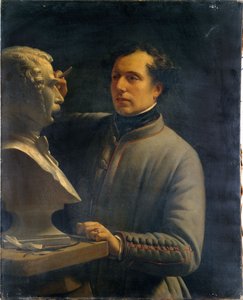
Jean-Pierre Dantan
1800 - 1869 , Frankreich
Kurzinfos
- Beeinflusste Künstler: ['Honoré Daumier']
- Bemerkenswerte Werke:
- Hugo
- Liszt
- Paganini
- Geburtsdatum: 28. Dezember 1800
- Geburtsort: Paris, Frankreich
- Künstlerische Bewegung: Romantik, Karikatur
- Nationalität: Französisch
- Sterbedatum: 6. September 1869
- Vollständiger Name: Jean-Pierre Dantan