

 Vorschau anzeigen
 Versenden
 Teilen
 Details anzeigen

 Herunterladen
 Ähnliche Objekte
 Röntgenaufnahme
 Diashow
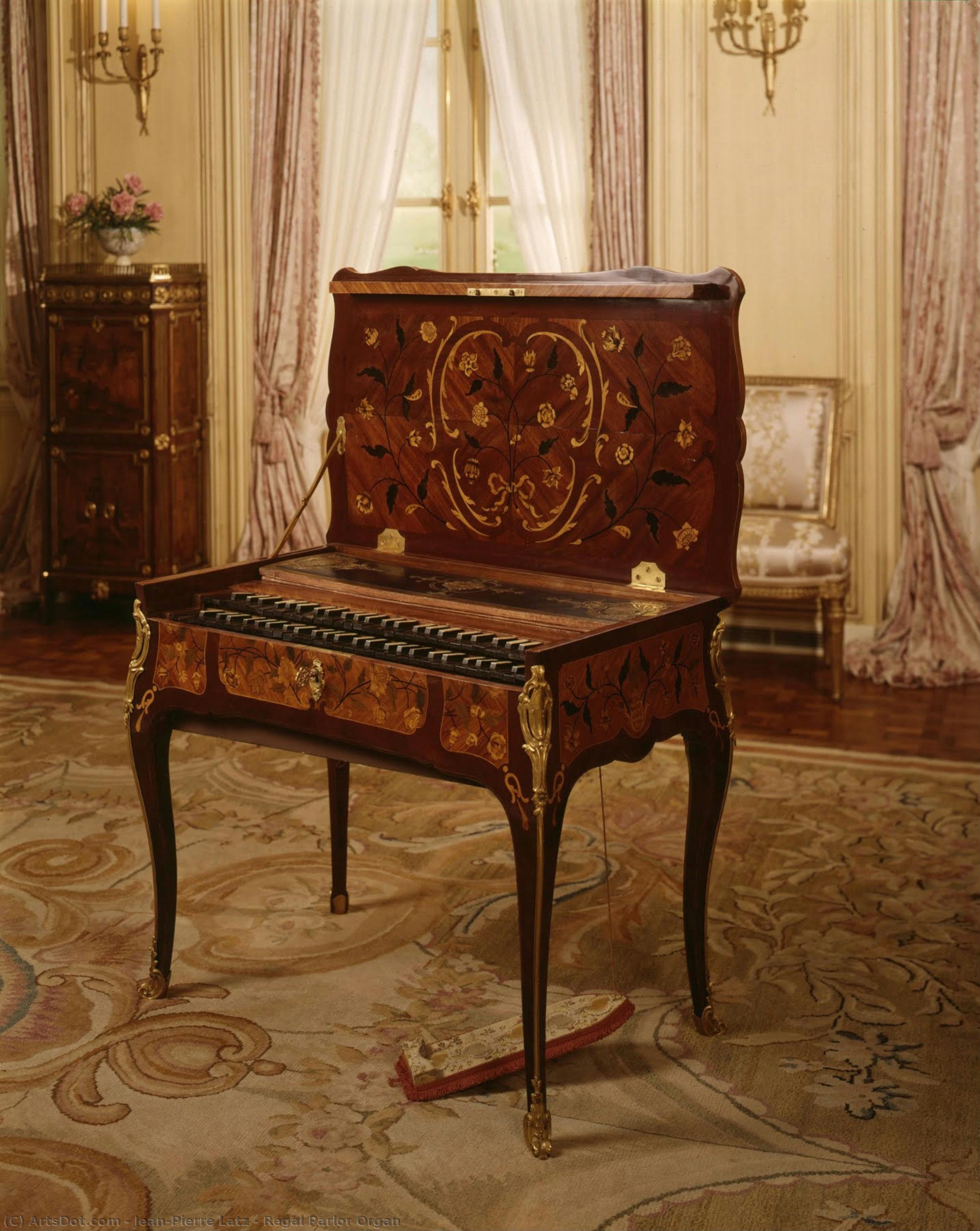
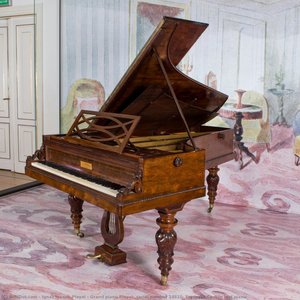
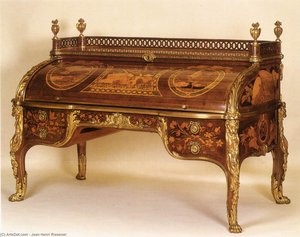
Regal Parlor Organ

 Weiterlesen
Handgefertigte Ölreproduktion
Handgemaltes Ölgemälde auf Leinwand in Ihrer Wunschgröße und mit Rahmen, auf Bestellung von unseren Künstlern angefertigt. ( Druck bestellen Bild kaufen)




































Wählen Sie aus unseren vordefinierten Formaten, die den ursprünglichen Proportionen des Kunstwerks entsprechen.

Sie können Ihre eigenen Maße eingeben, um einen bestimmten Rahmen oder Platz auszufüllen. Wenn die gewählte Größe nicht den Proportionen des Originalbildes entspricht, werden wir das Kunstwerk entweder beschneiden oder das Gemälde durch zusätzliche, handgemalte Elemente erweitern. Ein digitales Mockup wird Ihnen zur Genehmigung zugesandt, bevor die Produktion beginnt.
Bitte beachten Sie, dass die Bildschirmvorschau nicht die tatsächliche Beschneidung oder Erweiterung widerspiegelt. Nur das Mockup zeigt die endgültige Komposition exakt an.
Obwohl Sondermaße verfügbar sind, empfehlen wir, eine Größe aus der vordefinierten Liste zu wählen, um die ursprünglichen Proportionen beizubehalten.
Nach der Bestellung wird das ArtsDot.com-Team dem Kunden Anweisungen per E-Mail zusenden und eine Mockup-Vorschau bereitstellen.
Weltweiter Versand () in nur 3 bis 4 Wochen statt der üblichen 5 Wochen. (19 August). Keine Kompromisse bei der Qualität.

Kostenloser weltweiter Expressversand

Hochwertige Leinenleinwand

Umfassender Versicherungsschutz beim Versand

Zollgebühren-Rückerstattungsgarantie

Garantie für exakte Farbtreue

60 Tage Rückgaberecht (nur bei Mängeln)

100% Geld-zurück-Garantie

Mengenrabatt verfügbar
 Die Glasoption ist nur für Größen unter 110 cm verfügbar.

Regal Parlor Organ
Art der Reproduktion
Format der Reproduktion
-


Gesamtpreis
$ 263
Beschreibung des Kunstwerks
Ähnliche Kunstwerke

Über den Künstler
Jean-Pierre Latz: The Sculptor of Parisian Rococo Elegance
Jean-Pierre Latz (c. 1691 – 1754) stands as a pivotal figure in the history of French furniture craftsmanship during the reign of Louis XV, embodying the zenith of Rococo style and demonstrating unparalleled technical skill. Born near Cologne, Germany, his early life remains shrouded in relative obscurity, yet he swiftly ascended to prominence within Paris’s vibrant artisan community, establishing himself as one of the most celebrated ébénistes – royal cabinetmakers – of his era. His legacy endures not merely for the beauty of his creations but also for his role in shaping artistic trends and securing a place among the masters of decorative arts.Early Training and Parisian Arrival
Latz’s formative years were spent honing his craft in Cologne, where he received training as a cabinetmaker—a profession deeply rooted in Germanic tradition. However, driven by ambition and opportunity, he relocated to Paris around 1719, immersing himself in the cosmopolitan atmosphere of the French capital and joining the guild of artisans. This decisive move proved instrumental in propelling his career forward, allowing him him to collaborate with influential patrons and gain access to innovative materials and techniques. Within a decade, Latz had secured a position as ébéniste privilégié du roi—a royal appointment granting him exclusive privileges—underscoring the esteem accorded to his artistry by the court. This patronage ensured he could experiment with new styles and push the boundaries of craftsmanship.The Rococo Style: Sculpture in Veneers
Latz’s furniture is instantly recognizable for its distinctive Rococo aesthetic, characterized by exuberant ornamentation and a masterful fusion of sculptural form and delicate inlay work. Unlike earlier styles prioritizing functionality, Latz embraced the Rococo impulse toward theatricality and sensory delight. He skillfully employed richly figured tropical veneers—such as satinwood, rosewood, and ebony—combined with meticulously crafted gilt-bronze mounts to create pieces that defied convention. These mounts weren’t merely decorative; they were sculpted with astonishing precision, depicting stylized floral motifs and swirling arabesques that echoed the undulating curves of Rococo architecture. The technique involved chasing – hammering delicate patterns onto the bronze surface – elevating it beyond mere embellishment into a form of artistic expression itself. He sought to impress viewers with grandeur and beauty—a hallmark of the era’s artistic sensibilities.Notable Commissions and Artistic Influences
Latz’s workshop produced an astonishing array of commissions for aristocratic families and royal residences, cementing his reputation as one of Paris's foremost craftsmen. Among his most celebrated achievements is the “Slant-Front Desk” housed in Stavros Niarchos Collection, Paris—a testament to his mastery of lacquer technique and sculptural design. This desk exemplifies Latz’s ability to capture the spirit of the Rococo movement, blending elegance with structural integrity. Furthermore, he collaborated closely with fellow artists like François Boucher, whose paintings mirrored Latz's penchant for opulent color palettes and dynamic compositions. The influence of Italian Baroque sculpture—particularly Bernini—can be discerned in Latz’s bold use of dramatic poses and expressive drapery within his furniture designs. He drew inspiration from the grandeur and dynamism of Baroque art, adapting its principles to the refined aesthetic of Rococo.Legacy and Enduring Recognition
Jean-Pierre Latz died in 1754, leaving behind a workshop that continued to produce exceptional pieces for decades after his passing. His work commands considerable admiration among collectors and historians alike, frequently fetching impressive sums at auction—a testament to its enduring beauty and artistic significance. More broadly, Latz’s contribution to the Rococo style established him as a pivotal figure in shaping Parisian decorative taste during Louis XV's reign. He remains an exemplar of craftsmanship, innovation, and artistic vision—a sculptor who transformed wood and bronze into emblems of aristocratic splendor and cemented his place among the titans of eighteenth-century art. His enduring influence can be seen in subsequent generations of furniture makers who sought to emulate his unparalleled skill and aesthetic sensibility.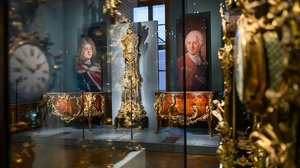
Jean-Pierre Latz
1754 , Deutschland
Kurzinfos
- Artistic Movement Or Style: Rokoko
- Artists Or Movements Influenced By This Artist: ['François Boucher']
- Date Of Birth: c. 1691
- Date Of Death: 1754
- Full Name: Jean-Pierre Latz
- Nationality: Deutsch
- Notable Artworks:
- Uhr auf Dokumentenschrank
- Regal Parlor Organ
- Französischer Schreibtisch Friedrichs des Großen
- Place Of Birth: Köln, Deutschland

