 Vorschau anzeigen
 Versenden
 Teilen
 Details anzeigen

 Herunterladen
 Ähnliche Objekte
 Röntgenaufnahme
 Diashow
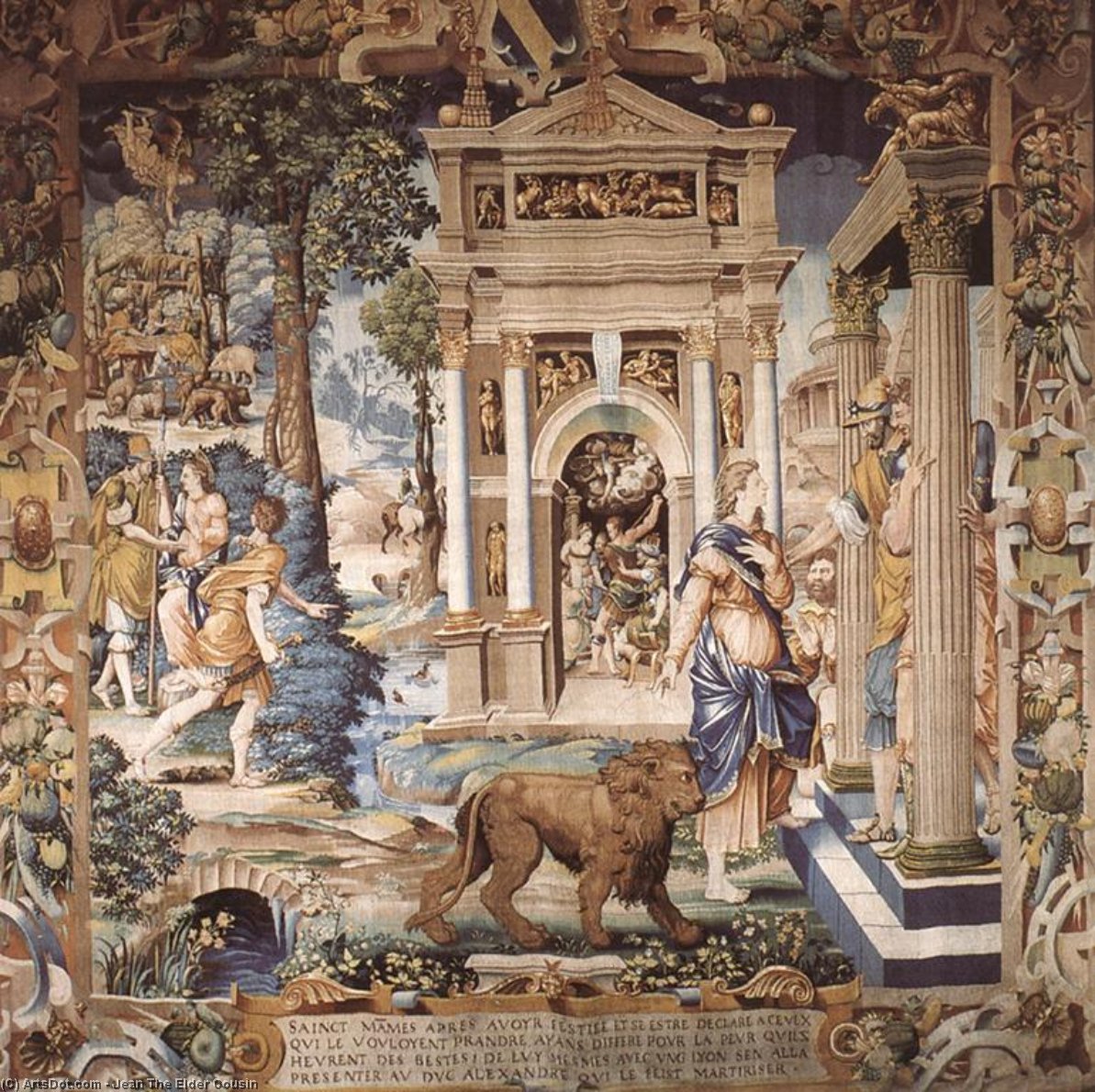
St Mammes and Duke Alexander
 Oil On Canvas
- WallArt
- Renaissance
 1541
1541- Renaissance
 440.0 x 450.0 cm
 Louvre
 Weiterlesen
Giclée / Kunstdruck
Giclée- oder Leinwanddruck in Museumsqualität mit schneller Produktion und flexiblen Veredelungsoptionen. ( Handgemalte Reproduktion bestellen Bild kaufen)




P118B $10

P118H $10

P118W $10

P438Z $10

P508JH $12

P508YH $12

P805H $10

P805Z $10

P919BZ $10

P919G $10

P919XJ $10

P959ZH $10

P968JZ $12

W106C $8

W218G $10

W218JH $8

W218Y $10

W307PJ $10

W316G $10

W316PJ $8

W316Y $10

W398PJ $8

W4111J $10

W500HY $15

W500JH $15

W692G $12

W849H $8

W940BG $15

W953PJ $8




Wählen Sie aus unseren vordefinierten Formaten, die den ursprünglichen Proportionen des Kunstwerks entsprechen.

Sie können Ihre eigenen Maße eingeben, um ein bestimmtes Format oder einen speziellen Platz einzupassen. Wenn das von Ihnen gewählte Format nicht den Proportionen des Originalbildes entspricht, werden wir das Kunstwerk entweder beschneiden oder das Bild mit einem gespiegelten oder einfarbigen Rand erweitern. Ein digitaler Entwurf wird Ihnen zur Genehmigung zugesandt, bevor die Produktion beginnt.
Bitte beachten Sie, dass die Vorschau auf dem Bildschirm nicht den tatsächlichen Zuschnitt oder die Erweiterung widerspiegelt. Nur der Entwurf zeigt die endgültige Komposition präzise an.
Obwohl Sondermaße verfügbar sind, empfehlen wir die Auswahl eines Maßes aus der vordefinierten Liste, um die ursprünglichen Proportionen zu bewahren.
Weltweiter Versand () innerhalb von 2 Wochen statt der üblichen 4/5 Wochen. (21 August)

Kostenloser weltweiter Expressversand

Hochwertige Leinenleinwand

Umfassender Versicherungsschutz beim Versand

Zollgebühren-Rückerstattungsgarantie

Garantie für exakte Farbtreue

60 Tage Rückgaberecht (nur bei Mängeln)

100% Geld-zurück-Garantie

Mengenrabatt verfügbar
 Die Glasoption ist nur für Größen unter 110 cm verfügbar.

St Mammes and Duke Alexander
Giclée / Kunstdruck
Format der Reproduktion
-


Gesamtpreis
$ 62
Sammlerstück-Beschreibung
A Glimpse into Renaissance Grandeur: St Mammes and Duke Alexander
To stand before this magnificent canvas is to step directly into the vibrant, richly textured heart of the French Renaissance. Depicting a gathering centered around St Mammes and Duke Alexander, the scene pulses with the energy of high society mingling with profound historical narrative. The composition immediately draws the eye to the two central figures—one clad in striking blue, the other in regal red—whose interaction suggests a moment of weighty conversation or pivotal exchange. It is not merely a portrait; it is a tableau vivant, capturing the very breath of an important encounter amidst a lively assembly.
Mastery of Form and Figure
The technical brilliance evident in this work speaks volumes about the skill of its creator, Jean Cousin the Elder’s circle. The handling of drapery alone is breathtaking; observe how the rich fabrics fall, catching the light with palpable weight and luxurious folds. From a purely artistic standpoint, the painting showcases an advanced understanding of anatomy and perspective, hallmarks of the period's most ambitious artists. Scattered throughout the background are numerous figures, rendered with varying degrees of focus—some sharply defined in the foreground, others dissolving into atmospheric depth further back. This masterful control over spatial recession gives the entire gathering a convincing sense of three-dimensional reality.
Historical Resonance and Symbolism
The inclusion of specific historical personages, such as St Mammes and Duke Alexander, anchors the piece in a tangible moment of history, inviting scholarly contemplation alongside aesthetic appreciation. Such scenes were rarely purely decorative; they served to educate, commemorate patronage, or reinforce civic virtues. The presence of animals subtly woven into the periphery often carried symbolic weight—a symbol of fidelity, status, or even allegory itself. To own a reproduction of this piece is to possess not just paint on canvas, but a curated narrative steeped in the intellectual currents and social hierarchies of 16th-century France.
An Emotional Echo for the Modern Collector
For the contemporary collector, interior designer, or art enthusiast, this painting offers an unparalleled depth of emotional resonance. It speaks to themes of human connection, power dynamics, and enduring cultural legacy. The sheer scale (440 x 450 cm) suggests its original placement in a hall of significant importance, making it a monumental statement piece for any grand reception room or gallery setting. Reproducing this work allows one to bring the sophisticated drama and luminous color palette of the Renaissance into modern life, creating an atmosphere that is both intellectually stimulating and deeply luxurious.
Ähnliche Kunstwerke

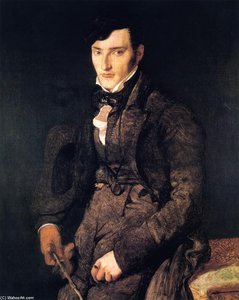
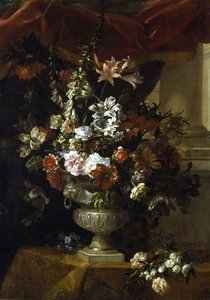
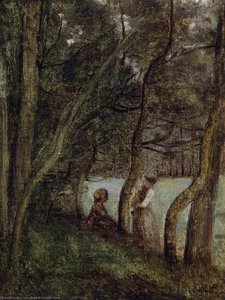
Über den Künstler
Jean Cousin the Elder: A Renaissance Master of Anatomy and Perspective
Jean Cousin the Elder (ca. 1490–ca. 1560) stands as a pivotal figure in French Renaissance art, largely overshadowed by his son Jean Cousin the Younger but nonetheless recognized for his profound contribution to humanist ideals and artistic innovation. Born in Sens, France, he emerged from a family steeped in artistic tradition—his father, Jean Cousin the Elder, was himself a celebrated sculptor and painter who established a lasting connection with Albrecht Dürer, marking him as one of the foremost artists of his time. This familial legacy instilled within Jean Cousin the Younger an unwavering dedication to mastering both disegno (drawing) and geometria (mathematics), disciplines considered essential for achieving artistic excellence during the Renaissance.- Early Life & Training: Cousin’s formative years were spent honing his skills in Sens Cathedral, where he meticulously crafted stained-glass windows embodying biblical narratives—a testament to the burgeoning influence of humanist scholarship and theological contemplation. Simultaneously, he pursued rigorous mathematical studies, preparing for a career as a surveyor and demonstrating an intellectual curiosity that would permeate his artistic endeavors.
- Sens Cathedral Windows: The Sainte-Chapelle windows in Sens represent Cousin’s earliest masterpiece, showcasing his mastery of color and composition while adhering to the principles of linear perspective—a technique championed by Dürer and rapidly disseminated throughout Europe. These works exemplify the humanist impulse to depict religious subjects with anatomical accuracy and emotional depth.
Parisian Career & Patronage
Moving to Paris around 1530, Cousin secured commissions from influential patrons – including Henry II – furthering his artistic reputation and establishing himself as a prominent figure in the Parisian art scene. He continued his work as a glass painter, creating stunning windows for Vincennes Cathedral, and skillfully blended classical influences with Northern European traditions. His patronage enabled him to undertake ambitious projects that reflected the intellectual ferment of the era—a period marked by humanist scholarship and a renewed interest in classical art.- Notable Commissions: Cousin’s commissions included monumental sculptures for royal palaces and elaborate decorative panels commissioned by wealthy aristocrats, demonstrating his versatility as an artist and cementing his position at the apex of Parisian artistic circles.
The Last Judgement & Anatomical Illustration
Jean Cousin’s legacy rests primarily on two monumental achievements: “The Last Judgement” (Paris, Louvre) and the “Bible” illuminated by Le Clerc (1566 & 1571). The Last Judgement is considered one of the first French paintings to employ perspective with remarkable sophistication, capturing a dramatic scene with meticulous detail. His illustrations for Ovid’s Metamorphoses exemplified his exceptional draughtsmanship and artistic sensibility—a testament to his unwavering commitment to conveying complex narratives with visual eloquence. Cousin's groundbreaking work on human anatomy – particularly “Livre de Pourtraicture” – anticipated developments in scientific observation and artistic representation that would resonate throughout subsequent centuries, establishing him as a pioneer in this field.- “Livre de Pourtraicture”: This meticulously documented anatomical treatise stands as a cornerstone of Renaissance illustration—a testament to Cousin’s intellectual curiosity and artistic ambition. It remains a seminal work of art history, influencing generations of artists and scholars alike.
Influence & Legacy: A Harmonious Synthesis
Jean Cousin’s influence extended far beyond his immediate contemporaries, shaping the trajectory of French Renaissance art and establishing him as a pioneer in anatomical illustration—a field that would soon gain prominence thanks to his son's groundbreaking work. His meticulous attention to detail—particularly in depicting human musculature—anticipated developments in scientific observation and artistic representation that would resonate throughout subsequent centuries. Cousin’s unwavering dedication to disegno and geometria embodies the core principles of Renaissance artistic thought, securing his place among the most revered masters of European art history.- Dürer's Inspiration: Like many artists of his time, Cousin was profoundly influenced by Albrecht Dürer—whose mastery of perspective and anatomical illustration served as a model for aspiring painters and sculptors across Europe.
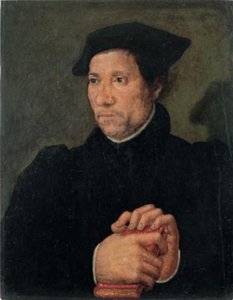
jean the elder cousin
1522 - 1595 , Frankreich
Kurzinfos
- Artistic Movement Or Style: Renaissance Mannerismus
- Artists Or Movements Influenced By This Artist: ['Renaissance Kunst']
- Artists Who Influenced This Artist: ['Albrecht Dürer']
- Date Of Birth: ca. 1490
- Date Of Death: ca. 1560
- Full Name: Jean Cousin the Elder
- Nationality: Französisch
- Notable Artworks:
- Die letzte Gerichtsbarkeit
- Bibl
- Place Of Birth: Sens, Frankreich
Ähnliche Artikel

Giclée Prints: Archival Quality & Aesthetic Nuances for the Discerning Collector
Explore the world of giclée prints with ArtsDot. Learn about archival quality, aesthetic nuances & investment potential. Expert guidance for discerning art collectors seeking museum-quality reproductions and lasting value.

Simon Vouet: Vom italienischen Barock zum französischen Klassizismus – Eine künstlerische Reise
Entdecken Sie das Leben und Werk von Simon Vouet, dem Pionier des italienischen Barock in Frankreich! Erfahren Sie mehr über seinen künstlerischen Werdegang, seine wichtigsten Gemälde und seinen nachhaltigen Einfluss auf die französische Malerei. Jetzt lesen!

Barocke Pracht: Wie Sie Opulenz und Emotionen in zeitgenössische Innenräume bringen
Entdecken Sie die Pracht des Barock! Expertenratgeber für luxuriöse Innenräume mit barocken Elementen. Inspiration, Tipps & hochwertige Kunst bei .

Echoes of Time: Exploring the Enduring Appeal & Historical Context of Vintage Art Prints
Explore the captivating world of vintage art prints! Discover their history, collecting tips & enduring appeal. Expert insights on chromolithography and building a legacy collection with ArtsDot.

The Enduring Legacy of Fine Art Prints: Technique, History & Aesthetic Impact
Explore the rich history & techniques of fine art prints. Discover investment potential, assess authenticity, and learn how to preserve your collection with expert guidance. Trusted insights for discerning collectors.