 Vorschau anzeigen
 Versenden
 Teilen
 Details anzeigen

 Herunterladen
 Ähnliche Objekte
 Röntgenaufnahme
 Diashow
 Stats
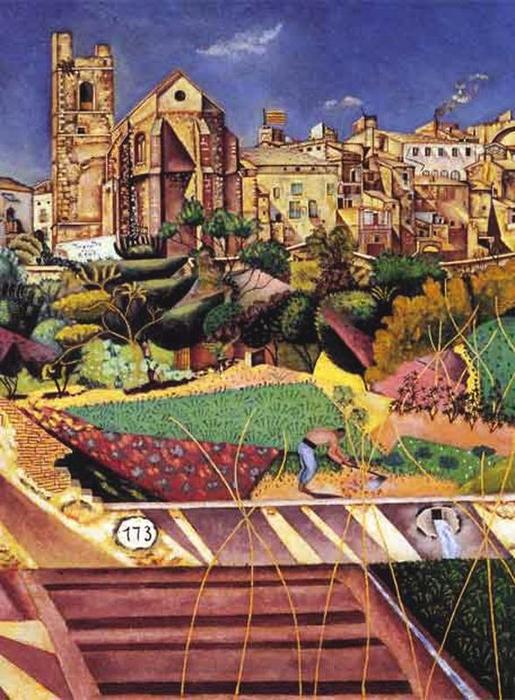
StatsLa aldea y la iglesia de Mont-roig


 Weiterlesen
Giclée / Kunstdruck
Giclée- oder Leinwanddruck in Museumsqualität mit schneller Produktion und flexiblen Veredelungsoptionen. ( Handgemalte Reproduktion bestellen Switch to Digital Image)




P118B $10

P118H $10

P118W $10

P438Z $10

P508JH $12

P508YH $12

P805H $10

P805Z $10

P919BZ $10

P919G $10

P919XJ $10

P959ZH $10

P968JZ $12

W106C $8

W218G $10

W218JH $8

W218Y $10

W307PJ $10

W316G $10

W316PJ $8

W316Y $10

W398PJ $8

W4111J $10

W500HY $15

W500JH $15

W692G $12

W849H $8

W940BG $15

W953PJ $8




Wählen Sie aus unseren vordefinierten Formaten, die den ursprünglichen Proportionen des Kunstwerks entsprechen.

Sie können Ihre eigenen Maße eingeben, um ein bestimmtes Format oder einen speziellen Platz einzupassen. Wenn das von Ihnen gewählte Format nicht den Proportionen des Originalbildes entspricht, werden wir das Kunstwerk entweder beschneiden oder das Bild mit einem gespiegelten oder einfarbigen Rand erweitern. Ein digitaler Entwurf wird Ihnen zur Genehmigung zugesandt, bevor die Produktion beginnt.
Bitte beachten Sie, dass die Vorschau auf dem Bildschirm nicht den tatsächlichen Zuschnitt oder die Erweiterung widerspiegelt. Nur der Entwurf zeigt die endgültige Komposition präzise an.
Obwohl Sondermaße verfügbar sind, empfehlen wir die Auswahl eines Maßes aus der vordefinierten Liste, um die ursprünglichen Proportionen zu bewahren.
Weltweiter Versand () innerhalb von 2 Wochen statt der üblichen 4/5 Wochen. (8 September)

Kostenloser weltweiter Expressversand

Hochwertige Leinenleinwand

Umfassender Versicherungsschutz beim Versand

Zollgebühren-Rückerstattungsgarantie

Garantie für exakte Farbtreue

100-Tage-Rückgaberecht (nur bei Mängeln)

100% Geld-zurück-Garantie

Mengenrabatt verfügbar
 Die Glasoption ist nur für Größen unter 110 cm verfügbar.

La aldea y la iglesia de Mont-roig
Giclée / Kunstdruck
Format der Reproduktion
-


Gesamtpreis
$ 62
A Dreamscape of Catalan Heritage
In the evocative masterpiece “La aldea y la iglesia de Mont-roig,” Joan Miró invites us into a world where the boundaries between reality and the subconscious begin to dissolve. Created in 1948, this work serves as a vibrant tapestry of Catalan identity, capturing the soul of a rural village nestled beneath the watchful, spiritual gaze of a church spire. Rather than offering a mere photographic record of life in Catalonia, Miró presents a scene brimming with warmth and community spirit. As we gaze upon the cobblestone streets, we see figures strolling through the landscape, some clutching umbrellas against an overcast sky, creating a sense of movement and everyday rhythm that feels both intimate and universal. The presence of two dogs wandering through the lush greenery adds a touch of pastoral charm, grounding the surreal elements in the familiar pulse of village life.
The emotional resonance of the piece lies in its ability to transform a specific geographic location into a dreamlike realm. For the collector or interior designer, this artwork offers more than just visual beauty; it provides an atmospheric window into a period of profound artistic transition. Miró’s signature Surrealist style is present here, yet it remains deeply rooted in the folklore and traditions of his homeland. He moves away from rigid representational accuracy, opting instead for an expressive abstraction that prioritizes intuition and emotion. The result is a composition where recognizable forms—trees, people, architecture—soften into fantastical shapes and colors, inviting the viewer to step into a landscape shaped by memory and myth.
Mastery of Color and Texture
Technically, “La aldea y la iglesia de Mont-roig” is a triumph of medium and method. Executed in the delicate combination of watercolor and gouache on paper, the artwork showcases Miró’s unparalleled ability to manipulate light and depth. The watercolor elements lend a fluid, ethereal quality to the landscape, perfectly capturing the misty, atmospheric essence of the Catalan countryside. This fluidity allows the colors to bleed and merge, suggesting the soft light of a shifting sky. In contrast, the application of gouache provides much-needed structural weight and vibrancy. By employing a sophisticated layering technique—applying translucent washes followed by opaque pigments—Miró builds intricate patterns and textures that give the figures and architectural elements a tactile, sculptural presence.
This interplay between the transparent and the opaque creates a visual richness that is particularly striking in high-quality reproductions. The lush greens of the scattered trees and the rhythmic placement of the village structures create a balanced yet dynamic composition. For those looking to adorn a space with art, this piece offers a sophisticated palette that can serve as a focal point in both contemporary and classic interiors, bringing a sense of organic energy and historical depth to any room.
Symbolism and the Spirit of the Avant-Garde
Beyond its surface beauty, the painting is laden with profound symbolic references that speak to the heart of the Catalan avant-garde. The church spire, rising prominently above the village, acts as a symbol of faith and enduring tradition, anchoring the whimsical elements of the piece in a sense of historical continuity. Miró utilizes recurring motifs—stylized animals and geometric shapes—to weave a narrative that transcends the physical landscape. This period of his work reflects the broader fascination with subconscious imagery and symbolism that defined the mid-20th century, as artists sought to express national identity through an unconventional, often fragmented, visual language.
To possess or display a reproduction of this work is to engage with a piece of history. It is an invitation to rediscover a sense of childlike wonder and to appreciate the poetry found within abstraction. Whether viewed as a tribute to the rugged beauty of Mont-roig or as a complex exploration of the human psyche, “La aldea y la iglesia de Mont-roig” remains a timeless testament to Joan Miró’s visionary spirit, making it an incomparable treasure for any discerning art lover.
Ähnliche Kunstwerke

Über den Künstler
**frühes Leben und Karriere**
joan miró, ein renommierter spanischer Maler, Bildhauer und Keramiker, wurde am 20. April 1893 in Barcelona, Spanien, geboren. Seine Familie, von jüdischen (Marrano oder Konverso) Wurzeln, hatte einen bedeutenden Einfluss auf sein frühes Leben. Mirós Vater, Miquel Miró Adzerias, war Goldschmied und Uhrmacher, was möglicherweise der Künstlersein Interesse an komplizierten Details inspirierte.**Künstlerische Entwicklung**
Miró begann mit sieben Jahren mit Zeichenunterricht in einer privaten Schule in Barcelona. Später nahm er am Kunstakademie La Llotja auf, trotz Ablehnung durch seinen Vater. Dies markierte den Beginn von Mirós künstlerischer Reise, die schließlich zu seiner Pionierarbeit im Surrealismus und abstrakter Kunst führte.**Bekannte Werke und Kooperationen**
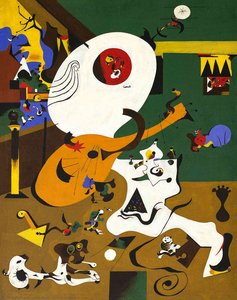
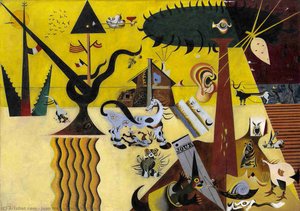
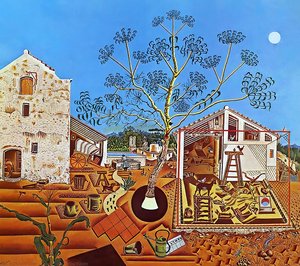
* The Farm (1922), ein Gemälde, das Mirós Übergang zu einem individuelleren Stil zeigt, mit nationalistischen Zügen. * Zusammenarbeit mit Max Ernst bei der Gestaltung von Sergei Diaghilews Ballett 1926, die die Technik des Grattage begründete. * The Dutch Interiors (1928), eine Reihe von Gemälden, inspiriert von Hendrik Martenszoon Sorth und Jan Steen, die Mirós einzigartigen Stil zeigt.**Museen und Vermächtnis**
* Die Fundació Joan Miró in Barcelona, gegründet 1975, die Mirós Werke präsentiert. * Die Fundació Pilar i Joan Miró in Palma de Mallorca, gegründet 1981, festigte Mirós Vermächtnis weiter.**Wichtige Werke und ihre Bedeutung**
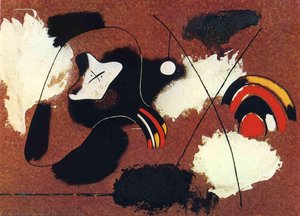
- Painting (1933), ein abstraktes Ölgemälde, das Mirós surrealistische Vision veranschaulicht.
- Pintura 11, ein weiteres bemerkenswertes abstraktes Werk, das Mirós einzigartigen Stil zeigt.
- The Ear of Corn (37 x 46 cm), ein surrealistisches Werk, das komplizierte Details zeigt.
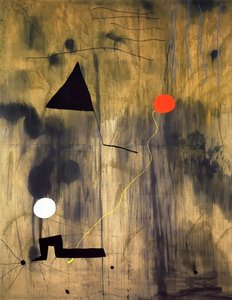
- The Birth of Day, ein abstraktes Kunstwerk, das Mirós Beiträge zur abstrakten Kunst weiter festigt.
**Fazit**
Mirós Vermächtnis als Pionier des Surrealismus und der abstrakten Kunst ist unbestreitbar. Seine Werke, die in verschiedenen Museen ausgestellt werden, darunter die Fundació Joan Miró, inspirieren weiterhin Künstler und Kunstliebhaber gleichermaßen. Für weitere Informationen über Mirós Werke besuchen Sie [https://ArtsDot.com/@/joan-miro](https://ArtsDot.com/@/joan-miro) oder erkunden Sie seine bemerkenswerten Werke unter [https://ArtsDot.com/@@/8ewky5-joan-miro-painting](https://ArtsDot.com/@@/8ewky5-joan-miro-painting).- Mehr Kunstwerke von Joan Miró auf ArtsDot.com
- Entdecken Sie das Museum Fundació Joan Miró in Barcelona, Spanien
- Erkunden Sie die Biografie und bemerkenswerten Werke des Künstlers unter [https://en.wikipedia.org/wiki/joan_mir%c3%b3](https://en.wikipedia.org/wiki/joan_mir%c3%b3)
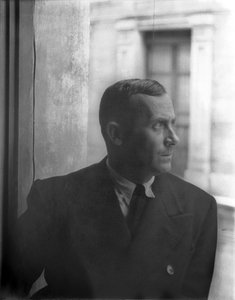
Joan Miró
1893 - 1983 , Spanien
Kurzinfos
- Beeinflusste Künstler:
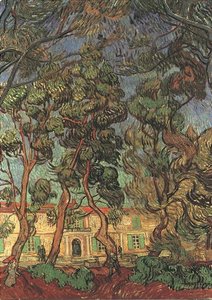
- Vincent van Gogh
- Paul Cézanne
- Bemerkenswerte Werke:
- Die Farm (1922)
- Dutch Interiors (1928)
- Gemälde (1933)
- Geburtsdatum: 20. April 1893
- Geburtsort: Barcelona, Spanien
- Künstlerischer Stil: Surrealismus, abstrakte Kunst
- Nationalität: Spanisch
- Todatum: 1983
- Vollständiger Name: Joan Miró i Ferrà
Ähnliche Artikel
Abstrakter Expressionismus: Die 10 Meisterwerke, die eine Kunstbewegung prägten |
Entdecken Sie die 10 Meisterwerke des Abstrakten Expressionismus! Von Jackson Pollock bis Mark Rothko – erfahren Sie die Geschichten hinter ikonischen Gemälde und finden Sie hochwertige Reproduktionen für Ihr Zuhause. Jetzt bei entdecken!
Surrealismus: Die 10 Meisterwerke, die eine Kunstbewegung prägten | ArtsDot
Entdecken Sie die 10 Meisterwerke des Surrealismus! Von Dalí bis Magritte – erfahren Sie die Geschichten hinter ikonischen Gemälde und lassen Sie sich von traumartigen Bildern inspirieren. Hochwertige Art Reproduktionen auf ArtsDot.com.
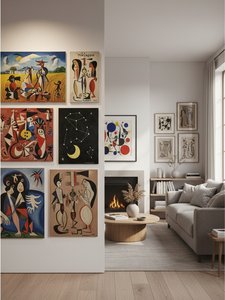
Joan Mirós Meisterwerke: Die Top 25 für Kunstliebhaber & stilvolles Wohnen
Entdecken Sie die Top 25 Gemälde von Joan Miró! Tauchen Sie ein in die Welt des Surrealismus, abstrakter Kunst & katalanischer Farben. Hochwertige Kunstdrucke & Reproduktionen für Ihr Zuhause – jetzt auf ArtsDot.com!
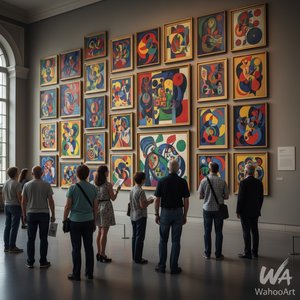
Kandinsky: Die 25 Meisterwerke des Abstrakten – Kunst für Ihr Zuhause | ArtsDot
Entdecken Sie die 25 bedeutendsten Gemälde von Wassily Kandinsky! Tauchen Sie ein in die Welt der abstrakten Kunst, des Expressionismus und der Farbkomposition. Hochwertige Kunstdrucke & Inspiration für Ihr Zuhause auf ArtsDot.com.
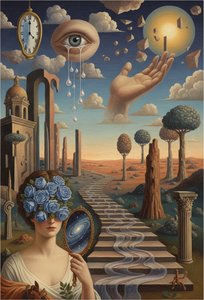
Surrealismus: Die 10 Meisterwerke, die eine Kunstbewegung prägten | ArtsDot
Entdecken Sie die 10 prägendsten Meisterwerke des Surrealismus! Von Dalí bis Magritte – erfahren Sie die Geschichten hinter ikonischen Gemälden und lassen Sie sich von Traumlandschaften & abstrakter Kunst inspirieren. Kunstdrucke in Museumsqualiät auf ArtsDot.com.