

 Vorschau anzeigen
 Versenden
 Teilen
 Details anzeigen

 Herunterladen
 Ähnliche Objekte
 Röntgenaufnahme
 Diashow
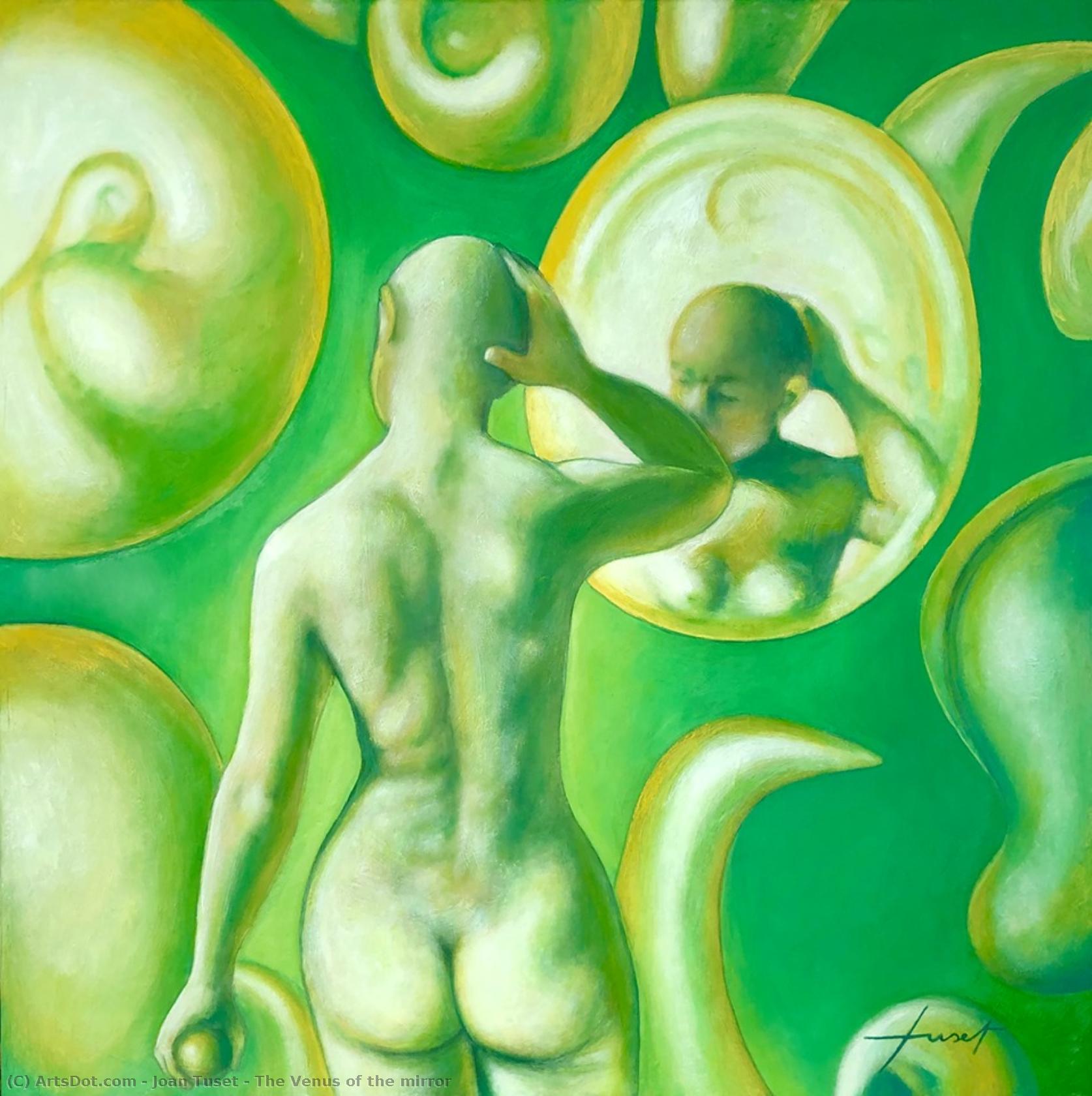
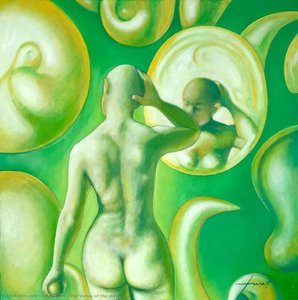
The Venus of the mirror
 Neo Figurative Art
 2019
2019 50.0 x 50.0 cm
 Weiterlesen
Handgefertigte Ölreproduktion
Handgemaltes Ölgemälde auf Leinwand in Ihrer Wunschgröße und mit Rahmen, auf Bestellung von unseren Künstlern angefertigt. ( Druck bestellen Bild kaufen)




































Wählen Sie aus unseren vordefinierten Formaten, die den ursprünglichen Proportionen des Kunstwerks entsprechen.

Sie können Ihre eigenen Maße eingeben, um einen bestimmten Rahmen oder Platz auszufüllen. Wenn die gewählte Größe nicht den Proportionen des Originalbildes entspricht, werden wir das Kunstwerk entweder beschneiden oder das Gemälde durch zusätzliche, handgemalte Elemente erweitern. Ein digitales Mockup wird Ihnen zur Genehmigung zugesandt, bevor die Produktion beginnt.
Bitte beachten Sie, dass die Bildschirmvorschau nicht die tatsächliche Beschneidung oder Erweiterung widerspiegelt. Nur das Mockup zeigt die endgültige Komposition exakt an.
Obwohl Sondermaße verfügbar sind, empfehlen wir, eine Größe aus der vordefinierten Liste zu wählen, um die ursprünglichen Proportionen beizubehalten.
Nach der Bestellung wird das ArtsDot.com-Team dem Kunden Anweisungen per E-Mail zusenden und eine Mockup-Vorschau bereitstellen.
Weltweiter Versand () in nur 3 bis 4 Wochen statt der üblichen 5 Wochen. (7 September). Keine Kompromisse bei der Qualität.

Kostenloser weltweiter Expressversand

Hochwertige Leinenleinwand

Umfassender Versicherungsschutz beim Versand

Zollgebühren-Rückerstattungsgarantie

Garantie für exakte Farbtreue

100-Tage-Rückgaberecht (nur bei Mängeln)

100% Geld-zurück-Garantie

Mengenrabatt verfügbar
 Die Glasoption ist nur für Größen unter 110 cm verfügbar.

The Venus of the mirror
Art der Reproduktion
Format der Reproduktion
-


Gesamtpreis
$ 263
Ähnliche Kunstwerke


Über den Künstler
Early Life and Formation
Joan Tuset i Suau, born December 19, 1957, in the Catalan town of l'Arboç, Tarragona, embarked on a journey into the world of art that would seamlessly blend classical rigor with avant-garde sensibilities. His formative years were steeped in artistic training, initially at the Schools of Fine Arts in Tarragona and later in Barcelona. These foundational studies provided him with a robust technical base—a mastery of form and composition that would become a hallmark of his style. However, Tuset’s early exploration wasn't confined to academic exercises; even then, a desire for expressive freedom and a unique artistic voice was evident.
The 1980s proved pivotal as Tuset ventured beyond the borders of Spain, taking up residency in Canada. This six-year period in Montreal became a crucible where his talent truly began to coalesce. He exhibited extensively within the city’s vibrant art scene, securing representation at prestigious galleries like Edimage, J. Yahouda Meir, and Cultard. These early exhibitions weren't merely displays of skill; they were declarations of an emerging artist grappling with new perspectives and forging a distinct path.
International Exposure and Stylistic Evolution
Tuset’s time in North America culminated in significant milestones—participation at the School of the Art Institute of Chicago and, crucially, his presence at the renowned FIAC 87 art fair held at the Grand Palais in Paris. This exposure to a wider international audience was transformative. It wasn't simply about showcasing his work; it was about engaging with the currents of contemporary art on a global scale. The experience catalyzed a shift in his artistic approach, moving him towards a figurative style that would become synonymous with his name.
In 1989, Tuset relocated to Paris, establishing a deeper connection with the European art world through collaboration with Galerie Vision Quai. This period marked a turning point—a conscious effort to synthesize the values of classicism he’d diligently studied with the expressive freedom championed by the avant-garde. His work began to exhibit a distinctive voice, characterized by a rigorous fidelity to the human figure yet imbued with subtle distortion and emotional depth. Returning to Catalonia in later years, Tuset established his studio between L'Arboç and Barcelona, solidifying his presence both nationally and internationally.
Themes and Techniques
At the heart of Joan Tuset’s artistic universe lies a profound fascination with the human figure—not merely as an anatomical subject but as a vessel for emotional states, symbolic narratives, and existential questioning. His paintings are populated by characters often situated within allegorical spaces, inviting viewers to contemplate realities beyond the superficial. The artist doesn't seek to replicate life; he aims to reveal its hidden layers, its unspoken yearnings, and its inherent contradictions.
Tuset’s technical prowess is equally compelling. He demonstrates a masterful command of both drawing and color, employing a bright palette that enhances the dramatic force of his compositions. His approach isn't about meticulous detail but about capturing essence—the fleeting gestures, subtle expressions, and underlying tensions that define the human condition. Alongside painting, sculpture has always been an integral part of Tuset’s practice, showcasing versatility in materials like terracotta, plaster, and bronze. From small-scale works to monumental public sculptures—such as the iconic Monument to the Lacemaker of l'Arboç (2005)—he exhibits a remarkable ability to translate his vision into three dimensions.
Legacy and Historical Significance
Joan Tuset’s work occupies a unique space within contemporary art. He doesn’t adhere rigidly to any single school or movement; instead, he synthesizes diverse influences—classical academicism, the expressive power of the avant-garde, and a deeply personal exploration of human emotion. His paintings and sculptures are not simply objects of aesthetic beauty; they are invitations to introspection, prompting viewers to confront their own vulnerabilities and question the nature of reality.
Critics have often noted the duality inherent in Tuset’s work—the harmonious coexistence of rigor and distortion, tradition and innovation. As critic Josep Maria Cadena points out, his interest in the human figure transcends mere formal mimesis to become a vehicle for emotional honesty. This ability to imbue form with meaning, to create works that are both visually captivating and intellectually stimulating, has cemented Tuset’s position as a significant voice in contemporary Catalan art and beyond. His ongoing exploration of the human condition continues to resonate with audiences worldwide, ensuring his legacy as an artist who dares to disrupt the normality of facts and things.
Kurzinfos
- Artistic Movement Or Style: Figurative, Classicism & Vanguard
- Date Of Birth: December 19, 1957
- Full Name: Joan Tuset i Suau
- Nationality: Catalan/Spanish
- Notable Artworks:
- Cupid Asleep
- The Abduction of Europa
- Place Of Birth: L'Arboç, Spain