

 Vorschau anzeigen
 Versenden
 Teilen
 Details anzeigen

 Herunterladen
 Ähnliche Objekte
 Röntgenaufnahme
 Diashow
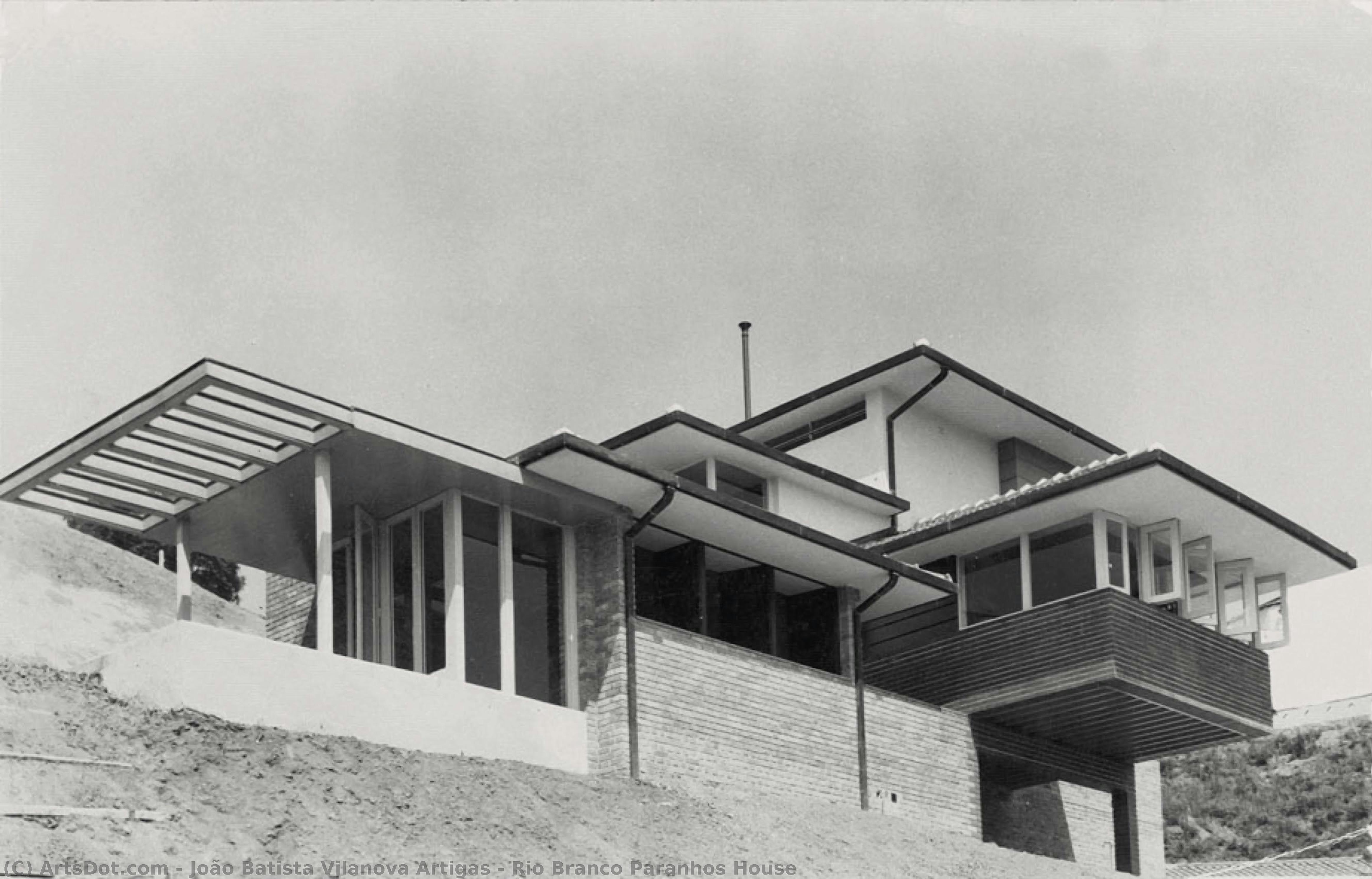
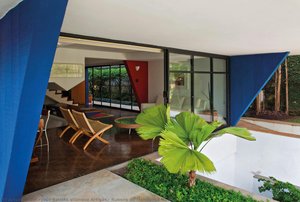
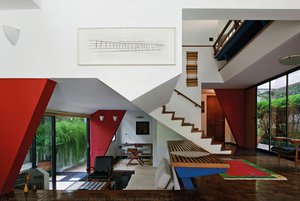
Rio Branco Paranhos House


 Weiterlesen
Giclée / Kunstdruck
Giclée- oder Leinwanddruck in Museumsqualität mit schneller Produktion und flexiblen Veredelungsoptionen. ( Handgemalte Reproduktion bestellen Bild kaufen)




P118B $10

P118H $10

P118W $10

P438Z $10

P508JH $12

P508YH $12

P805H $10

P805Z $10

P919BZ $10

P919G $10

P919XJ $10

P959ZH $10

P968JZ $12

W106C $8

W218G $10

W218JH $8

W218Y $10

W307PJ $10

W316G $10

W316PJ $8

W316Y $10

W398PJ $8

W4111J $10

W500HY $15

W500JH $15

W692G $12

W849H $8

W940BG $15

W953PJ $8




Wählen Sie aus unseren vordefinierten Formaten, die den ursprünglichen Proportionen des Kunstwerks entsprechen.

Sie können Ihre eigenen Maße eingeben, um ein bestimmtes Format oder einen speziellen Platz einzupassen. Wenn das von Ihnen gewählte Format nicht den Proportionen des Originalbildes entspricht, werden wir das Kunstwerk entweder beschneiden oder das Bild mit einem gespiegelten oder einfarbigen Rand erweitern. Ein digitaler Entwurf wird Ihnen zur Genehmigung zugesandt, bevor die Produktion beginnt.
Bitte beachten Sie, dass die Vorschau auf dem Bildschirm nicht den tatsächlichen Zuschnitt oder die Erweiterung widerspiegelt. Nur der Entwurf zeigt die endgültige Komposition präzise an.
Obwohl Sondermaße verfügbar sind, empfehlen wir die Auswahl eines Maßes aus der vordefinierten Liste, um die ursprünglichen Proportionen zu bewahren.
Weltweiter Versand () innerhalb von 2 Wochen statt der üblichen 4/5 Wochen. (1 September)

Kostenloser weltweiter Expressversand

Hochwertige Leinenleinwand

Umfassender Versicherungsschutz beim Versand

Zollgebühren-Rückerstattungsgarantie

Garantie für exakte Farbtreue

60 Tage Rückgaberecht (nur bei Mängeln)

100% Geld-zurück-Garantie

Mengenrabatt verfügbar
 Die Glasoption ist nur für Größen unter 110 cm verfügbar.

Rio Branco Paranhos House
Giclée / Kunstdruck
Format der Reproduktion
-


Gesamtpreis
$ 62
A Visionary’s Embrace: The Rio Branco Paranhos House
João Batista Vilanova Artigas's Rio Branco Paranhos House, conceived in 1942 and completed in 1943, isn’t merely a dwelling; it’s a profound statement of architectural philosophy and social conscience. Nestled into the rolling hills overlooking São Paulo, Brazil, this residence represents a pivotal moment in Brazilian modernism – a deliberate rejection of conventional norms and an embrace of radical openness, both within its walls and in its relationship with the surrounding landscape. Artigas, a key figure in the Paulista School, sought to create a space that transcended the traditional role of shelter, transforming it into a dynamic expression of social responsibility and artistic vision.
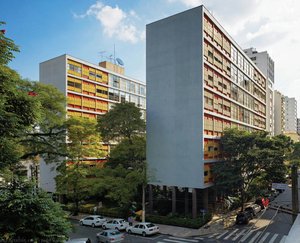
The house’s design is immediately striking – a harmonious blend of geometric precision and organic integration. Influenced by Frank Lloyd Wright's principles of “organic architecture,” Artigas employed a horizontal emphasis, mirroring the undulating terrain of the hillside upon which it sits. The structure appears to grow directly from the earth, utilizing pilotis—concrete columns that elevate the living spaces above ground level—to minimize its impact on the landscape and create an illusion of lightness and transparency. The use of exposed concrete, a hallmark of Brutalism, speaks not only to structural integrity but also to a deliberate rejection of ornamentation, prioritizing functionality and honest expression of materials.
Form and Function: A Study in Modernist Principles
Artigas’s approach is deeply rooted in the tenets of modernism, yet he transcends mere adherence to stylistic trends. The house's layout emphasizes open spaces and fluid transitions between rooms, fostering a sense of connection and interaction. The absence of a traditional kitchen-to-backyard door is particularly significant – a bold gesture that symbolically dismantles the hierarchical structure of domestic life, challenging established social conventions and reflecting Artigas’s commitment to egalitarianism. The design also incorporates elements of rationalism, prioritizing clarity of form and efficient use of space, while simultaneously embracing a dramatic aesthetic through the interplay of light and shadow.
The exterior façade is characterized by clean lines and rectangular shapes, punctuated by large expanses of glass that flood the interior with natural light. The brickwork, carefully chosen for its textural contrast against the smooth concrete surfaces, adds a tactile dimension to the design. The overall effect is one of understated elegance and sophisticated restraint – a testament to Artigas’s ability to distill complex ideas into a powerfully simple form.
Symbolism and Context: A Legacy of Social Engagement
Beyond its formal qualities, the Rio Branco Paranhos House carries profound symbolic weight. Constructed during a period of intense political upheaval in Brazil – marked by military dictatorship and social unrest – Artigas’s design can be interpreted as an act of defiance against oppressive forces. The house represents a commitment to human dignity, equality, and social justice, embodying the ideals of the Paulista School and its dedication to improving the lives of ordinary Brazilians. The influence of Gregori Warchavchik, a fellow architect and communist activist, is evident in Artigas’s embrace of functionalism and his willingness to challenge established architectural norms.
Furthermore, the house's design reflects Artigas’s broader philosophical stance – a belief that architecture should be more than just a building; it should be a catalyst for social change. His work consistently prioritized human needs and social responsibility, making him one of the most influential architects of his time. The Rio Branco Paranhos House stands as a powerful reminder of this legacy, inviting us to contemplate the transformative potential of architecture.
A Timeless Masterpiece: Reproduction and Appreciation
Today, the Rio Branco Paranhos House remains a cherished landmark in São Paulo’s architectural landscape. High-quality reproductions capture the essence of Artigas's vision, allowing enthusiasts to experience the beauty and intellectual depth of this remarkable structure. When selecting a reproduction, consider the meticulous attention to detail – the accurate rendering of materials, the nuanced play of light and shadow, and the faithful representation of the house’s unique spatial qualities. This artwork is not simply a copy; it's an invitation to engage with a profound architectural statement and appreciate the enduring legacy of João Batista Vilanova Artigas.
Ähnliche Kunstwerke
Über den Künstler
João Batista Vilanova Artigas: Ein Pionier des brasilianischen Modernismus
- Geboren: Curitiba, Brasilien (1915)
- Gestorben: 1985
Frühes Leben und Ausbildung
João Batista Vilanova Artigas war eine zentrale Figur in der brasilianischen modernistischen Architektur. Geboren 1915 in Curitiba, erlangte er als einer der einflussreichsten Architekten in der Geschichte von São Paulo Bekanntheit und gilt als die Gründungsfigur der Paulista Schule. Sein architektonischer Werdegang begann an der Polytechnischen Hochschule der Universität São Paulo, wo er 1937 graduierte. Eine bedeutende frühe Erfahrung war seine Zusammenarbeit mit dem russisch-brasilianischen Architekten Gregori Warchavchik bei der Umgestaltung des Praça da República. Von 1941 bis 1947 widmete sich Artigas der Lehre und unterrichtete Ästhetik, Architektur und Planung an der Universität São Paulo. Seine intellektuellen Bestrebungen wurden 1946 weiter anerkannt, als er ein Guggenheim-Stipendium erhielt, was seine wachsende Bedeutung in der Architekten-Community signalisierte.Architektonischer Stil und bemerkenswerte Werke
Artigas' architektonischer Stil entwickelte sich durch verschiedene Phasen, die wechselnde Einflüsse und persönliche Entwicklung widerspiegelten. Seine Arbeit wird im Allgemeinen in drei Perioden kategorisiert:- Phase 1 (1937-1945): Diese anfängliche Phase zeigte einen deutlichen Einfluss von Frank Lloyd Wright, insbesondere in seinen Wohndesigns.
- Phase 2 (1945-Mitte der 1950er Jahre): Eine Übergangsperiode sah Artigas die Aufnahme von Elementen des International Style, einschließlich Vorhangfassaden und Pilotis, in größere Projekte.
- Phase 3 (1960er-1970er Jahre): Diese letzte Phase markierte einen Wandel hin zu seinem persönlichen, dramatischen Stil, der stark vom Brutalismus beeinflusst war, den er auf groß angelegte öffentliche Gebäude anwandte.
- Haus Ariosto Martirani: Ein Paradebeispiel für seine frühe Arbeit, das Wrights Einfluss zeigt.
- Haus Elza Berquó: Zeigt eine minimalistische Ästhetik mit auffälliger geometrischer Abstraktion und Brutalistischer Beeinflussung.
- Guarulhos-Gymnasium: Steht für seinen späteren, dramatischeren Stil, der durch Betonexpressionismus gekennzeichnet ist.
Politisches Engagement und Anerkennung
Artigas' Leben war eng mit politischem Aktivismus verbunden. Seine Mitgliedschaft in der brasilianischen Kommunistischen Partei führte 1969 zur Entfernung von seiner Lehrtätigkeit an der Universität São Paulo, zusammen mit Paulo Mendes da Rocha. Diese Periode spiegelte das breitere politische Klima in Brasilien zu dieser Zeit wider. Ihre Beiträge wurden jedoch schließlich anerkannt; sowohl Artigas als auch Mendes da Rocha wurden in den 1980er Jahren in ihre Positionen zurückversetzt. Das 1946 erhaltene Guggenheim-Stipendium bestätigte weiter seine bedeutenden Beiträge zur Architektur. Seine Arbeit ist in Institutionen wie dem Museu Antonio Parreiras und dem Oscar Niemeyer Museum (Curitiba, Brasilien) zu finden, um sicherzustellen, dass sein Vermächtnis zukünftige Generationen von Architekten weiterhin inspiriert.Vermächtnis und historische Bedeutung
João Batista Vilanova Artigas hinterließ eine bleibende Spur in der brasilianischen Architektur. Er wird nicht nur für seine innovativen Designs, sondern auch für sein Engagement für soziale Verantwortung und seine Rolle bei der Gestaltung der Paulista Schule in Erinnerung behalten. Sein Fokus auf funktionales Design, ausdrucksstarke Betonstrukturen und die Erfüllung sozialer Bedürfnisse durch Architektur beeinflusst weiterhin zeitgenössische architektonische Praktiken in Brasilien und darüber hinaus. Artigas' Werk ist ein Beweis für die Kraft der Architektur, sowohl künstlerische Vision als auch gesellschaftliche Werte widerzuspiegeln.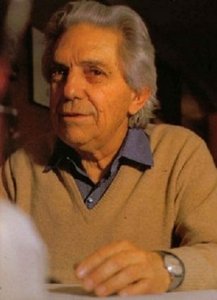
João Batista Vilanova Artigas
1915 - 1985 , Brasilien
Kurzinfos
- Beeinflusste Kunstrichtungen: ['Paulista Schule']
- Beeinflusste Künstler: ['Frank Lloyd Wright']
- Bemerkenswerte Werke:
- Haus Ariosto Martirani
- Haus Elza Berquó
- Guarulhos Gymnasium
- Geburtsdatum: 23. Juni 1915
- Geburtsort: Curitiba, Brasilien
- Künstlerischer Stil: Modernistische Architektur, Brutalismus
- Nationalität: Brasilianer
- Sterbedatum: 12. Januar 1985
- Vollständiger Name: João Batista Vilanova Artigas
Ähnliche Artikel
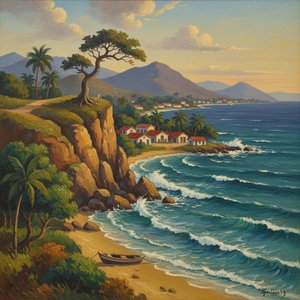
Benedito Calixto: A Brazilian Modernist's Landscape of Memory & National Identity
Explore the captivating world of Benedito Calixto, a pivotal Brazilian Modernist painter. Discover his iconic landscapes, the story behind the famous Bandeirante portrait, and his lasting impact on Brazilian national identity. Learn more at ArtsDot.
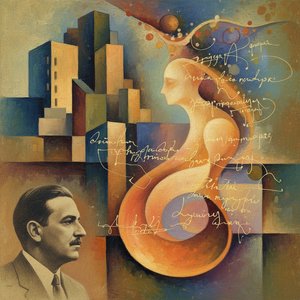
Alceu de Paula Penna: A Synthesis of Brazilian Modernism & Poetic Abstraction
Explore the captivating world of Alceu de Paula Penna, a pivotal figure in Brazilian Modernism. Discover his innovative concrete poetry & influence on Latin American art history. Expert insights for collectors.

Jean-Baptiste Debret: Witnessing Brazil’s Emergence Through Art & Identity
Explore the captivating art of Jean-Baptiste Debret, a key witness to Brazil’s imperial era. Discover his iconic portraits, historical scenes & insightful depictions of Brazilian life. Learn about his legacy and find museum-quality reproductions at ArtsDot.

John Constable: Die 25 Meisterwerke des englischen Landschaftsgenies – ArtsDot
Entdecken Sie die 25 Meisterwerke von John Constable! Erleben Sie englische Landschaftsmalerei vom Hay Wain bis zur Stour Valley. Hochwertige Reproduktionen & Kunst für Ihr Zuhause auf ArtsDot.com.
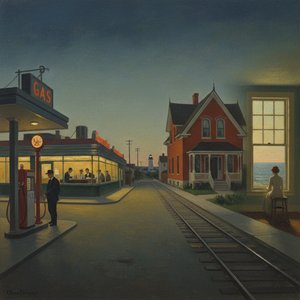
Edward Hopper: Die 25 Meisterwerke des amerikanischen Realismus | ArtsDot
Entdecken Sie die 25 Meisterwerke von Edward Hopper! Tauchen Sie ein in amerikanische Kunst, Realismus & Isolation. Hochwertige Reproduktionen & Inspiration für Ihr Zuhause bei ArtsDot.com.

