

 Versenden
 Teilen
 Details anzeigen

 Herunterladen
 Ähnliche Objekte
 Diashow
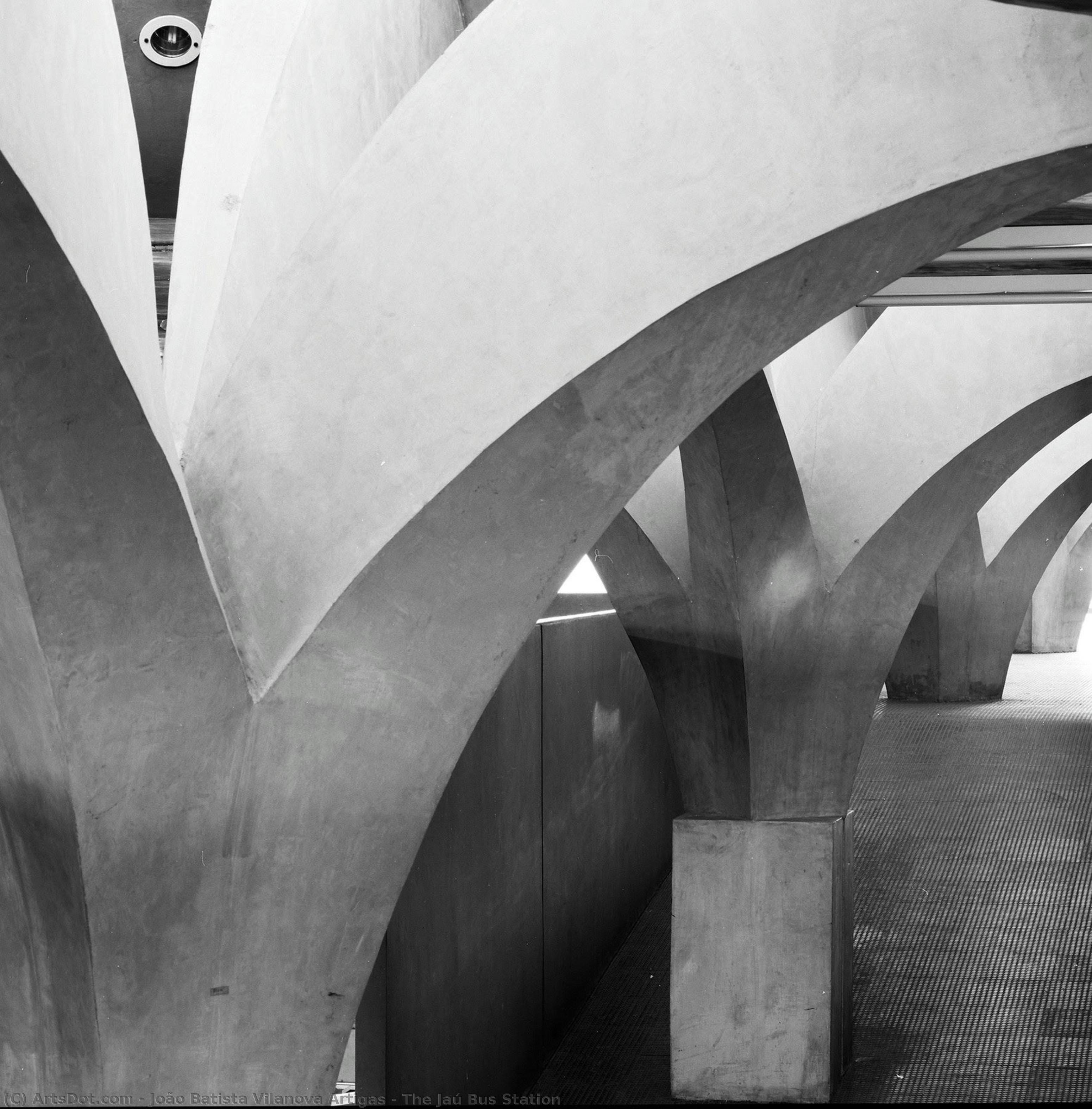
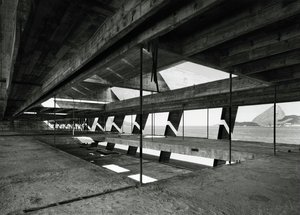
The Jaú Bus Station


 Weiterlesen
Giclée / Kunstdruck
Giclée- oder Leinwanddruck in Museumsqualität mit schneller Produktion und flexiblen Veredelungsoptionen. ( Handgemalte Reproduktion bestellen Bild kaufen)




































Wählen Sie aus unseren vordefinierten Formaten, die den ursprünglichen Proportionen des Kunstwerks entsprechen.

Sie können Ihre eigenen Maße eingeben, um ein bestimmtes Format oder einen speziellen Platz einzupassen. Wenn das von Ihnen gewählte Format nicht den Proportionen des Originalbildes entspricht, werden wir das Kunstwerk entweder beschneiden oder das Bild mit einem gespiegelten oder einfarbigen Rand erweitern. Ein digitaler Entwurf wird Ihnen zur Genehmigung zugesandt, bevor die Produktion beginnt.
Bitte beachten Sie, dass die Vorschau auf dem Bildschirm nicht den tatsächlichen Zuschnitt oder die Erweiterung widerspiegelt. Nur der Entwurf zeigt die endgültige Komposition präzise an.
Obwohl Sondermaße verfügbar sind, empfehlen wir die Auswahl eines Maßes aus der vordefinierten Liste, um die ursprünglichen Proportionen zu bewahren.
Weltweiter Versand () innerhalb von 2 Wochen statt der üblichen 4/5 Wochen. (24 August)

Kostenloser weltweiter Expressversand

Hochwertige Leinenleinwand

Umfassender Versicherungsschutz beim Versand

Zollgebühren-Rückerstattungsgarantie

Garantie für exakte Farbtreue

60 Tage Rückgaberecht (nur bei Mängeln)

100% Geld-zurück-Garantie

Mengenrabatt verfügbar
 Die Glasoption ist nur für Größen unter 110 cm verfügbar.

The Jaú Bus Station
Giclée / Kunstdruck
Format der Reproduktion
-


Gesamtpreis
$ 62
Sammlerstück-Beschreibung
A Concrete Echo: João Batista Vilanova Artigas’s ‘The Jaú Bus Station’
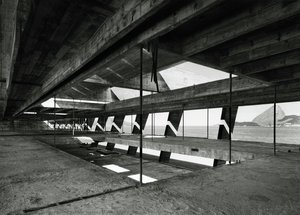
João Batista Vilanova Artigas's 'The Jaú Bus Station' isn’t merely a photograph of an architectural space; it’s a distilled essence of Brazilian modernism, a testament to Brutalist concrete and the social consciousness that defined his pioneering work. Captured in stark black and white, the image plunges us into a world of echoing arches, monumental scale, and profound stillness – a deliberate invitation to contemplate the very fabric of urban life. The photograph, likely created sometime between Artigas’s prolific career (1915-1985), speaks volumes about his commitment to designing structures that were not just functional but also imbued with a sense of civic responsibility and artistic integrity.
Artigas, considered the founding father of São Paulo's Paulista School of architecture, rejected European stylistic influences in favor of a distinctly Brazilian approach. He sought to create buildings that reflected the nation’s identity, prioritizing accessibility and social impact alongside aesthetic considerations. This photograph perfectly embodies this philosophy; it’s not about opulent decoration or individual grandeur, but rather about the honest expression of materials – the rough texture of concrete, the interplay of light and shadow – and the powerful geometry of the space itself. The repetition of arches creates a mesmerizing rhythm, drawing the eye deeper into the station's heart while simultaneously evoking a sense of enclosure and perhaps even a subtle melancholy.
Deconstructing Brutalism: Form and Texture
The photograph’s strength lies in its meticulous attention to detail. Artigas, a master of capturing texture, has rendered the concrete with remarkable realism. The visible aggregate within the material, the staining patterns – all contribute to a palpable sense of age and history. The directional lighting is crucial; it dramatically emphasizes the three-dimensional form of the arches, casting deep shadows that reveal their structural complexity and create an almost theatrical effect. This isn’t simply a depiction of a bus station; it's a study in light, shadow, and material – a celebration of concrete as both a building element and a sculptural medium.
Notice the subtle contrasts: the dark panel strategically placed to accentuate the lighter concrete surfaces. These details aren’t accidental; they are carefully orchestrated to guide the viewer’s eye and heighten the photograph's impact. The small, circular light fixture, positioned high above, adds a touch of human scale to this otherwise imposing structure, hinting at the everyday lives that unfold within its walls.
A Reflection of Modernity: Context and Legacy
‘The Jaú Bus Station’ was created during a pivotal period in Brazilian history – a time of rapid urbanization, social upheaval, and burgeoning modernism. Artigas's work often addressed issues of housing inequality and the need for accessible public spaces. While this particular photograph doesn’t explicitly depict these themes, it reflects the broader context of his career: a commitment to designing buildings that served the needs of the people. It aligns with the Brutalist architectural movement, characterized by its use of raw concrete and functional design – though Artigas infused this style with a distinctly Brazilian sensibility.
Further research reveals that Artigas’s influence extends far beyond São Paulo. His designs, including housing projects and urban planning initiatives, continue to be studied and admired for their innovative approach to social architecture. As highlighted in ArchDaily's analysis (Design - The Iconic Lesson Proffered by Vilanova Artigas), his lessons at the University of São Paulo profoundly shaped a generation of Brazilian architects, establishing a legacy that endures to this day. Reproductions of ‘The Jaú Bus Station’ offer a unique opportunity to bring this powerful image into your home or office – a tangible connection to a visionary architect and a significant moment in Brazilian design history.
Bringing the Concrete Echo Home
ArtsDot offers meticulously crafted, hand-painted reproductions of João Batista Vilanova Artigas’s ‘The Jaú Bus Station’. Each reproduction captures the photograph's dramatic lighting, textural detail, and inherent sense of scale. Whether you are an art collector, interior designer, or simply someone captivated by modern architecture, this artwork provides a stunning addition to any space. Explore our high-quality reproductions today and experience the enduring power of Artigas’s vision.
Ähnliche Kunstwerke

Über den Künstler
João Batista Vilanova Artigas: Ein Pionier des brasilianischen Modernismus
- Geboren: Curitiba, Brasilien (1915)
- Gestorben: 1985
Frühes Leben und Ausbildung
João Batista Vilanova Artigas war eine zentrale Figur in der brasilianischen modernistischen Architektur. Geboren 1915 in Curitiba, erlangte er als einer der einflussreichsten Architekten in der Geschichte von São Paulo Bekanntheit und gilt als die Gründungsfigur der Paulista Schule. Sein architektonischer Werdegang begann an der Polytechnischen Hochschule der Universität São Paulo, wo er 1937 graduierte. Eine bedeutende frühe Erfahrung war seine Zusammenarbeit mit dem russisch-brasilianischen Architekten Gregori Warchavchik bei der Umgestaltung des Praça da República. Von 1941 bis 1947 widmete sich Artigas der Lehre und unterrichtete Ästhetik, Architektur und Planung an der Universität São Paulo. Seine intellektuellen Bestrebungen wurden 1946 weiter anerkannt, als er ein Guggenheim-Stipendium erhielt, was seine wachsende Bedeutung in der Architekten-Community signalisierte.Architektonischer Stil und bemerkenswerte Werke
Artigas' architektonischer Stil entwickelte sich durch verschiedene Phasen, die wechselnde Einflüsse und persönliche Entwicklung widerspiegelten. Seine Arbeit wird im Allgemeinen in drei Perioden kategorisiert:- Phase 1 (1937-1945): Diese anfängliche Phase zeigte einen deutlichen Einfluss von Frank Lloyd Wright, insbesondere in seinen Wohndesigns.
- Phase 2 (1945-Mitte der 1950er Jahre): Eine Übergangsperiode sah Artigas die Aufnahme von Elementen des International Style, einschließlich Vorhangfassaden und Pilotis, in größere Projekte.
- Phase 3 (1960er-1970er Jahre): Diese letzte Phase markierte einen Wandel hin zu seinem persönlichen, dramatischen Stil, der stark vom Brutalismus beeinflusst war, den er auf groß angelegte öffentliche Gebäude anwandte.
- Haus Ariosto Martirani: Ein Paradebeispiel für seine frühe Arbeit, das Wrights Einfluss zeigt.
- Haus Elza Berquó: Zeigt eine minimalistische Ästhetik mit auffälliger geometrischer Abstraktion und Brutalistischer Beeinflussung.
- Guarulhos-Gymnasium: Steht für seinen späteren, dramatischeren Stil, der durch Betonexpressionismus gekennzeichnet ist.
Politisches Engagement und Anerkennung
Artigas' Leben war eng mit politischem Aktivismus verbunden. Seine Mitgliedschaft in der brasilianischen Kommunistischen Partei führte 1969 zur Entfernung von seiner Lehrtätigkeit an der Universität São Paulo, zusammen mit Paulo Mendes da Rocha. Diese Periode spiegelte das breitere politische Klima in Brasilien zu dieser Zeit wider. Ihre Beiträge wurden jedoch schließlich anerkannt; sowohl Artigas als auch Mendes da Rocha wurden in den 1980er Jahren in ihre Positionen zurückversetzt. Das 1946 erhaltene Guggenheim-Stipendium bestätigte weiter seine bedeutenden Beiträge zur Architektur. Seine Arbeit ist in Institutionen wie dem Museu Antonio Parreiras und dem Oscar Niemeyer Museum (Curitiba, Brasilien) zu finden, um sicherzustellen, dass sein Vermächtnis zukünftige Generationen von Architekten weiterhin inspiriert.Vermächtnis und historische Bedeutung
João Batista Vilanova Artigas hinterließ eine bleibende Spur in der brasilianischen Architektur. Er wird nicht nur für seine innovativen Designs, sondern auch für sein Engagement für soziale Verantwortung und seine Rolle bei der Gestaltung der Paulista Schule in Erinnerung behalten. Sein Fokus auf funktionales Design, ausdrucksstarke Betonstrukturen und die Erfüllung sozialer Bedürfnisse durch Architektur beeinflusst weiterhin zeitgenössische architektonische Praktiken in Brasilien und darüber hinaus. Artigas' Werk ist ein Beweis für die Kraft der Architektur, sowohl künstlerische Vision als auch gesellschaftliche Werte widerzuspiegeln.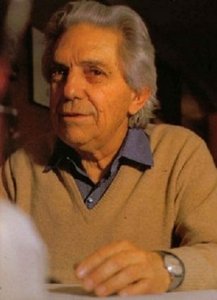
João Batista Vilanova Artigas
1915 - 1985 , Brasilien
Kurzinfos
- Beeinflusste Kunstrichtungen: ['Paulista Schule']
- Beeinflusste Künstler: ['Frank Lloyd Wright']
- Bemerkenswerte Werke:
- Haus Ariosto Martirani
- Haus Elza Berquó
- Guarulhos Gymnasium
- Geburtsdatum: 23. Juni 1915
- Geburtsort: Curitiba, Brasilien
- Künstlerischer Stil: Modernistische Architektur, Brutalismus
- Nationalität: Brasilianer
- Sterbedatum: 12. Januar 1985
- Vollständiger Name: João Batista Vilanova Artigas
Ähnliche Artikel

Monochrome Visions: Exploring the Aesthetic & Historical Significance of Black & White Photography
Explore the rich history & artistic power of black and white photography. From early techniques to iconic masters like Ansel Adams, discover why monochrome continues to captivate art lovers today. Expert insights for collectors.

Weiße Meisterwerke: Die Top 10 berühmtesten Gemälde und ihre zeitlose Eleganz
Entdecken Sie die Top 10 berühmter Gemälde, dominiert von Weiß! Von Malewitsch bis Rothko – erfahren Sie Geschichten hinter ikonischen Kunstwerke und lassen Sie sich für Ihre Wohnraumgestaltung inspirieren. Kunstreproduktionen in Museumsqualiät auf
Beyond the Lens: Photography's Enduring Influence on Modern & Contemporary Art
Explore photography's pivotal role in shaping modern & contemporary art. Discover key movements, influential artists like Stieglitz, and expert collecting advice from ArtsDot.
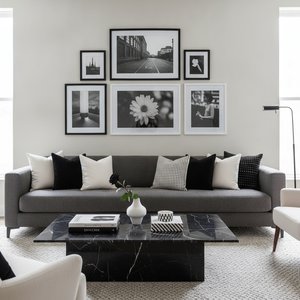
Timeless & Chic: Elevating Your New Home with the Sophistication of Black and White Photography
Transform your new home with the timeless allure of black and white photography. ArtsDot.com specializes in elegant monochrome decor and custom hand-painted wedding portraits that turn cherished milestones into lasting, soulful masterpieces. Elevate your space with ease.

Pictorialism: A Search for Artistic Photography's Soul – Aesthetics, Techniques & Legacy
Explore the captivating world of Pictorialism – a pivotal movement that transformed photography into fine art. Discover key artists like Stieglitz & Käsebier, techniques, and collecting tips from experts.

