 Vorschau anzeigen
 Versenden
 Teilen
 Details anzeigen

 Herunterladen
 Ähnliche Objekte
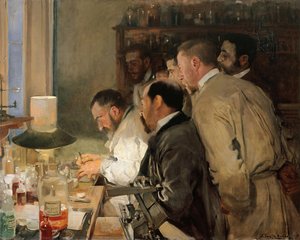
 Röntgenaufnahme
 Diashow
 Stats
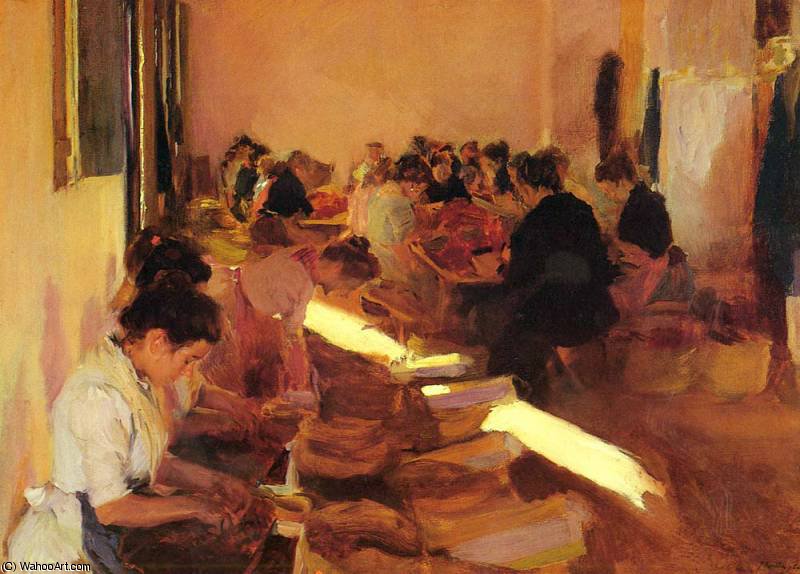
Statsencajonando pasas


 Weiterlesen
Handgefertigte Ölreproduktion
Handgemaltes Ölgemälde auf Leinwand in Ihrer Wunschgröße und mit Rahmen, auf Bestellung von unseren Künstlern angefertigt. ( Switch to Print Switch to Digital Image)




P118B $10

P118H $10

P118W $10

P438Z $10

P508JH $12

P508YH $12

P805H $10

P805Z $10

P919BZ $10

P919G $10

P919XJ $10

P959ZH $10

P968JZ $12

W106C $8

W218G $10

W218JH $8

W218Y $10

W307PJ $10

W316G $10

W316PJ $8

W316Y $10

W398PJ $8

W4111J $10

W500HY $15

W500JH $15

W692G $12

W849H $8

W940BG $15

W953PJ $8




Wählen Sie aus unseren vordefinierten Formaten, die den ursprünglichen Proportionen des Kunstwerks entsprechen.

Sie können Ihre eigenen Maße eingeben, um einen bestimmten Rahmen oder Platz auszufüllen. Wenn die gewählte Größe nicht den Proportionen des Originalbildes entspricht, werden wir das Kunstwerk entweder beschneiden oder das Gemälde durch zusätzliche, handgemalte Elemente erweitern. Ein digitales Mockup wird Ihnen zur Genehmigung zugesandt, bevor die Produktion beginnt.
Bitte beachten Sie, dass die Bildschirmvorschau nicht die tatsächliche Beschneidung oder Erweiterung widerspiegelt. Nur das Mockup zeigt die endgültige Komposition exakt an.
Obwohl Sondermaße verfügbar sind, empfehlen wir, eine Größe aus der vordefinierten Liste zu wählen, um die ursprünglichen Proportionen beizubehalten.
Nach der Bestellung wird das ArtsDot.com-Team dem Kunden Anweisungen per E-Mail zusenden und eine Mockup-Vorschau bereitstellen.
Weltweiter Versand () in nur 3 bis 4 Wochen statt der üblichen 5 Wochen. (7 September). Keine Kompromisse bei der Qualität.

Kostenloser weltweiter Expressversand

Hochwertige Leinenleinwand

Umfassender Versicherungsschutz beim Versand

Zollgebühren-Rückerstattungsgarantie

Garantie für exakte Farbtreue

100-Tage-Rückgaberecht (nur bei Mängeln)

100% Geld-zurück-Garantie

Mengenrabatt verfügbar
 Die Glasoption ist nur für Größen unter 110 cm verfügbar.

encajonando pasas
Art der Reproduktion
Format der Reproduktion
-


Gesamtpreis
$ 288
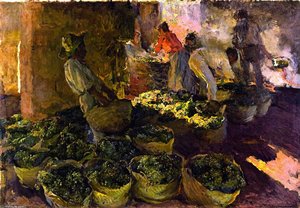
A Symphony of Light and Labor: Exploring “Encajonando Pasas” by Joaquín Sorolla
Joaquín Sorolla’s “Encajonando Pasas” – translating roughly to “Stuffing Raisins” – is more than a simple depiction of women at work; it's a profound meditation on the rhythms of daily life, imbued with the characteristic brilliance and emotional resonance that define the artist’s oeuvre. Painted during his most productive period, this large-scale oil painting captures a scene brimming with quiet industry and an almost palpable sense of warmth, transporting the viewer directly into the heart of a Valencian textile workshop. The composition immediately draws attention to the central group of women, their movements rendered with remarkable realism yet softened by Sorolla’s signature impressionistic brushstrokes – a technique he honed during his formative years in Rome, absorbing the influence of Italian masters while simultaneously forging his own distinctly Spanish style. The dramatic lighting, originating from a generous window on the left, is not merely an aesthetic choice; it's a deliberate manipulation of light and shadow that elevates the scene to something almost theatrical, highlighting the textures of the fabrics – rough linen and woven cotton – and imbuing each figure with a sense of dignity and purpose.Technique and Materiality: A Masterclass in Oil Painting
Sorolla’s mastery is immediately evident in the painting's rich materiality. The artist employed a robust impasto technique, layering thick strokes of pigment to build up textures that practically vibrate with life. This approach isn’t simply decorative; it’s integral to conveying the physicality of the work – the feel of the fabric against skin, the solidity of the wooden beams supporting the workshop roof. The color palette, dominated by ochre, golden yellows, and muted browns, evokes a sense of rustic authenticity, reminiscent of the sun-drenched landscapes of Valencia. These warm tones are expertly blended to create subtle gradations of light and shadow, contributing significantly to the painting’s depth and spatial illusion. Sorolla's meticulous attention to detail – from the individual folds in the women’s clothing to the worn hands deftly manipulating the fabric – speaks volumes about his dedication to capturing the nuances of everyday reality. The use of traditional materials – canvas, pigments derived from natural sources, and brushes crafted for precise application – further underscores the painting’s authenticity and enduring quality.Symbolism and Social Context: A Portrait of Valencian Life
“Encajonando Pasas” offers a poignant glimpse into the social fabric of late 19th-century Spain, specifically Valencia. The scene depicts women engaged in a common occupation – the preparation of raisins, a labor-intensive process that was vital to the region’s economy. More than just a snapshot of daily life, however, the painting carries symbolic weight. It represents a moment of focused activity within a larger social context, highlighting the role of women in the workforce and their contribution to the family's livelihood. Sorolla’s choice to depict these women with such dignity and respect suggests a subtle commentary on the value of manual labor and the importance of community. The painting can be interpreted as an affirmation of the beauty found within ordinary tasks, elevating them to the level of artistic contemplation.Emotional Impact and Artistic Legacy
Ultimately, “Encajonando Pasas” is a powerfully evocative work that resonates with viewers on multiple levels. Sorolla’s ability to capture both the physical details and the emotional essence of his subjects – their concentration, their resilience, their quiet dignity – creates an enduring sense of connection. The painting's luminous quality, achieved through his masterful manipulation of light and color, imbues it with a palpable warmth and optimism. As a key work in Sorolla’s oeuvre, “Encajonando Pasas” exemplifies the artist’s signature style—a harmonious blend of realism and impressionism that continues to captivate audiences today. Its enduring appeal makes it an ideal subject for high-quality reproductions, allowing art lovers and collectors alike to experience the brilliance of Joaquín Sorolla's vision.Ähnliche Kunstwerke
Über den Künstler
Frühes Leben und Ausbildung
Joaquín Sorolla y Bastida, ein renommierter spanischer Maler, wurde am 27. Februar 1863 in Valencia, Spanien, geboren. Er war der älteste Sohn von Joaquín Sorolla, einem Kaufmann, und Concepción Bastida. Nach dem frühen Verlust seiner Eltern im Alter von zwei Jahren wuchs er bei seiner Tante und ihrem Ehemann auf. Seine künstlerische Reise begann in seiner Heimatstadt, wo er bereits mit neun Jahren eine erste Kunstausbildung erhielt. Später studierte er unter der Leitung von Cayetano Capuz, Salustiano Asenjo und José Benlliure in Rom. Ein viereinhalbjähriges Stipendium ermöglichte ihm ein Studium des Malens in Rom, Italien, wo er stark von Francisco Pradilla beeinflusst wurde.Künstlerische Entwicklung und Stil
Sorollas Werk zeichnet sich durch einen einzigartigen Realismus aus, der Elemente des Impressionismus aufgreift. Er war bekannt für seine Fähigkeit, Licht und Farbe meisterhaft einzusetzen, um lebendige und atmosphärische Szenen zu schaffen. Seine frühen Werke zeigten Einflüsse des etablierten spanischen Malstils, während er später seinen eigenen unverwechselbaren Stil entwickelte, der sich durch eine lockere Pinselführung und eine strahlende Farbpalette auszeichnete. Er bevorzugte das Malen im Freien (plein air), um die natürlichen Lichtverhältnisse optimal zu nutzen. Sein Fokus lag oft auf Alltagsszenen, Porträts und insbesondere Strandbildern, die er mit großer Detailtreue und Lebendigkeit festhielt.Wichtige Werke und Errungenschaften
Sorolla schuf eine beeindruckende Anzahl von Werken, die seine künstlerische Meisterschaft demonstrieren. Zu seinen bekanntesten Gemälden gehören:- Italienisches Mädchen mit Blumen (Öl auf Leinwand), das Sorollas Fähigkeit zeigt, die Essenz seiner Motive einzufangen.
- Badezeit (Realismus, Öl), ein Beispiel für seine Balance aus Licht und Farbe.
- Der Sklavenhandel (Sorolla Museum, Madrid, Spanien, Öl auf Leinwand), ein seltenes Beispiel für sozialrealistische Kunst in Sorollas Werk.
Einfluss und Vermächtnis
Joaquín Sorolla gilt als einer der bedeutendsten spanischen Maler des 19. und frühen 20. Jahrhunderts. Sein Werk trug maßgeblich zur Entwicklung des spanischen Realismus und Impressionismus bei. Seine Fähigkeit, das Licht der mediterranen Sonne einzufangen und in seinen Gemälden wiederzugeben, machte ihn zu einem international gefeierten Künstler. Sorolla beeinflusste zahlreiche nachfolgende Maler und seine Werke werden heute in renommierten Museen auf der ganzen Welt ausgestellt. Das Sorolla Museum in Madrid, das sein ehemaliges Haus und Atelier beherbergt, ist ein zentraler Ort für die Bewahrung und Präsentation seines Werkes. Sein Vermächtnis lebt fort als Inspiration für Künstler und Kunstliebhaber gleichermaßen.Spätere Jahre und Tod
Obwohl Sorolla im Alter von 60 Jahren am 23. August 1923 in Cercedilla, Spanien, verstarb, hinterließ er ein beeindruckendes Œuvre und einen bleibenden Eindruck in der Kunstgeschichte. Seine Werke werden bis heute für ihre Lebendigkeit, Detailtreue und die meisterhafte Darstellung des Lichts geschätzt.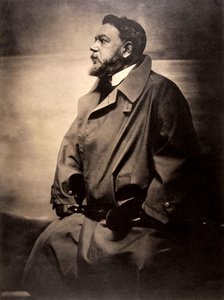
Joaquín Sorolla y Bastida
1863 - 1923 , Spanien
Kurzinfos
- Bemerkenswerte Werke:
- Italienisches Mädchen mit Blumen
- Badezeit (Realismus)
- Der weiße Sklavenhandel
- Strand bei Biarritz
- Das Gelbe Rosenbusch
- Einflussreiche Künstler: ['Francisco Pradilla']
- Geburtsdatum: 27. Februar 1863
- Geburtsort: Valencia, Spanien
- Künstlerische Richtung: Realismus, Luminismus
- Nationalität: Spanisch
- Sterbedatum: 1923
- Vollständiger Name: Joaquín Sorolla y Bastida
Ähnliche Artikel
Joaquín Sorolla y Bastida: Meister des Lichts – Ein spanischer Impressionist im Fokus
Entdecken Sie das faszinierende Werk von Joaquín Sorolla y Bastida, dem Meister des spanischen Impressionismus! Erfahren Sie mehr über seine Technik, sein Leben und seine ikonischen Gemälde. Jetzt lesen!

Romantic Realism's Finest: 10 Masterpieces for Your Home | ArtsDot
Explore 10 defining masterpieces of Romantic Realism! Discover Courbet, Millet & Daumier's powerful paintings—capturing emotion and social realities. Find museum-quality reproductions for your home at ArtsDot.com.

The Enduring Legacy of Oil on Canvas: Technique, History & Aesthetic Impact
Explore the rich history & techniques of oil painting – from Renaissance masters to Impressionism. Discover pigments, layering methods, and why this timeless medium endures. Expert insights for artists & art enthusiasts.
The Golden Age Reforged: Dramatic Realism & Religious Zeal in Spanish Baroque Art
Explore the dramatic world of Spanish Baroque art! Discover masters like Zurbarán & the powerful influence of religious zeal on painting techniques – a guide for collectors and enthusiasts.

Öl auf Leinwand: Eine historische und technische Erkundung eines zeitlosen künstlerischen Mediums
Entdecken Sie die faszinierende Welt der Ölmalerei! Von historischen Techniken bis zur modernen Anwendung – wir bieten Expertenwissen, Restaurierungstipps und hochwertige Reproduktionen. Jetzt informieren!