 Vorschau anzeigen
 Versenden
 Teilen
 Details anzeigen

 Herunterladen
 Ähnliche Objekte
 Röntgenaufnahme
 Diashow
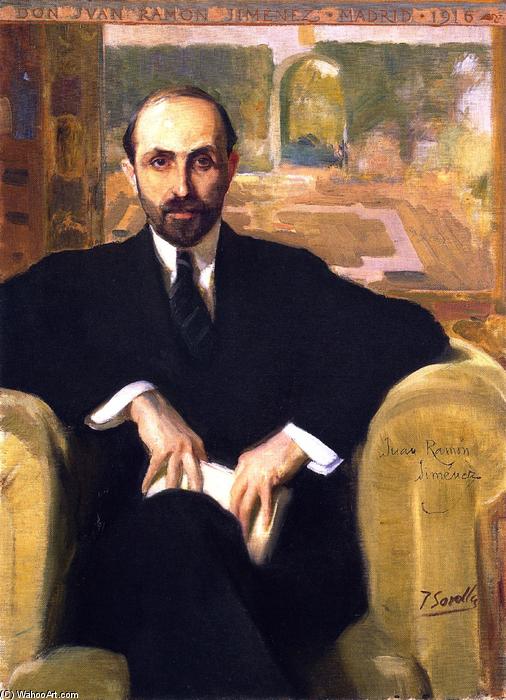
Juan Ramón Jiménez
 Öl auf Leinwand
- Wandkunst
- Impressionistic Light
 1916
1916 119.0 x 83.0 cm
 Hispanisches Gesellschafts-Museum – Bibliothek
 Weiterlesen
Giclée / Kunstdruck
Giclée- oder Leinwanddruck in Museumsqualität mit schneller Produktion und flexiblen Veredelungsoptionen. ( Handgemalte Reproduktion bestellen Bild kaufen)




P118B $10

P118H $10

P118W $10

P438Z $10

P508JH $12

P508YH $12

P805H $10

P805Z $10

P919BZ $10

P919G $10

P919XJ $10

P959ZH $10

P968JZ $12

W106C $8

W218G $10

W218JH $8

W218Y $10

W307PJ $10

W316G $10

W316PJ $8

W316Y $10

W398PJ $8

W4111J $10

W500HY $15

W500JH $15

W692G $12

W849H $8

W940BG $15

W953PJ $8




Wählen Sie aus unseren vordefinierten Formaten, die den ursprünglichen Proportionen des Kunstwerks entsprechen.

Sie können Ihre eigenen Maße eingeben, um ein bestimmtes Format oder einen speziellen Platz einzupassen. Wenn das von Ihnen gewählte Format nicht den Proportionen des Originalbildes entspricht, werden wir das Kunstwerk entweder beschneiden oder das Bild mit einem gespiegelten oder einfarbigen Rand erweitern. Ein digitaler Entwurf wird Ihnen zur Genehmigung zugesandt, bevor die Produktion beginnt.
Bitte beachten Sie, dass die Vorschau auf dem Bildschirm nicht den tatsächlichen Zuschnitt oder die Erweiterung widerspiegelt. Nur der Entwurf zeigt die endgültige Komposition präzise an.
Obwohl Sondermaße verfügbar sind, empfehlen wir die Auswahl eines Maßes aus der vordefinierten Liste, um die ursprünglichen Proportionen zu bewahren.
Weltweiter Versand () innerhalb von 2 Wochen statt der üblichen 4/5 Wochen. (28 August)

Kostenloser weltweiter Expressversand

Hochwertige Leinenleinwand

Umfassender Versicherungsschutz beim Versand

Zollgebühren-Rückerstattungsgarantie

Garantie für exakte Farbtreue

60 Tage Rückgaberecht (nur bei Mängeln)

100% Geld-zurück-Garantie

Mengenrabatt verfügbar
 Die Glasoption ist nur für Größen unter 110 cm verfügbar.

Juan Ramón Jiménez
Giclée / Kunstdruck
Format der Reproduktion
-


Gesamtpreis
$ 62
A Portrait Steeped in Reflection: Exploring Joaquín Sorolla’s Juan Ramón Jiménez
Joaquín Sorolla y Bastida's "Juan Ramón Jiménez," completed in 1916, transcends mere representation; it embodies the very essence of Spanish Impressionism and captures a moment of profound contemplation. More than just a depiction of a man seated before a book, this painting is an invitation into Sorolla’s artistic vision—a vision rooted in capturing fleeting light and emotion with unparalleled sensitivity.The Artist's Vision: Light and Atmosphere
Sorolla, born in Valencia in 1863 amidst the vibrant hues of Mediterranean Spain, established himself as a master of luminosity. Influenced by Impressionists like Monet and Renoir, he eschewed academic conventions, prioritizing observation and capturing the ephemeral qualities of light on surfaces—a technique that would become his signature. He famously stated, “I paint what I see,” reflecting his unwavering commitment to portraying the world as it appears to the eye, rather than imposing preconceived notions upon it. This philosophy is palpably present in "Juan Ramón Jiménez," where Sorolla skillfully utilizes dappled sunlight filtering through foliage to illuminate the subject’s face and clothing—creating a palpable sense of warmth and intimacy.Subject Matter: A Figure Lost in Thought
The portrait depicts Juan Ramón Jiménez, Spain's Nobel laureate poet, seated comfortably in a chair. Sorolla meticulously rendered Jiménez’s posture – relaxed yet attentive – conveying an aura of quiet contemplation. The man’s hands folded on top of a book serve as a visual anchor, symbolizing intellectual pursuits and the absorption of knowledge. Beyond the literal depiction, Sorolla subtly communicates Jiménez's inner state—a preoccupation with ideas and emotions that transcends mere physical presence. This deliberate choice underscores Sorolla’s belief that art should delve deeper than surface appearances, capturing the intangible spirit of its subject.Technique: Brushstrokes That Dance With Light
Sorolla employed a distinctive brushstroke technique characterized by loose, flowing lines that blend seamlessly together. He layered thin washes of color onto the canvas, building up tonal variations with rapid strokes—a method that lends the painting an airy quality and imbues it with movement. The artist’s meticulous attention to detail is evident in the subtle nuances of skin tone and drapery folds, yet these details never overshadow the overarching impression of light and atmosphere. Sorolla's masterful handling of pigment allows for a remarkable illusion of depth and texture—drawing viewers into the scene and fostering an emotional connection with the subject.Historical Context: The Dawn of Modern Spanish Art
“Juan Ramón Jiménez” emerged during a period of significant artistic innovation in Spain, marking a decisive break from Romanticism’s dramatic narratives and sentimental idealism. Sorolla's embrace of Impressionistic principles aligned him with the broader European movement—a reaction against academic art’s rigid formalism. The painting reflects the optimism and dynamism of the early 20th century, capturing a moment of intellectual engagement amidst a burgeoning cultural landscape. Its placement within the Hispanic Society of America underscores its importance as a cornerstone of Spanish artistic heritage.Symbolism: Quiet Contemplation and Artistic Resonance
The book symbolizes Jiménez’s intellect and creative spirit—a testament to Sorolla's understanding of his subject’s identity beyond mere biographical details. The chair represents comfort and repose, suggesting that Jiménez is engaged in a state of peaceful reflection. More broadly, the painting embodies Sorolla’s artistic ethos: an unwavering pursuit of beauty and truth through observation and skillful execution. It serves as a reminder that art can transcend time, capturing universal themes of contemplation and intellectual curiosity—resonating powerfully with audiences today.Emotional Impact: An Invitation to Serenity
Ultimately, “Juan Ramón Jiménez” evokes a feeling of serenity and introspection. Sorolla’s masterful use of color and light creates an atmosphere of warmth and tranquility—drawing viewers into the scene and inviting them to share in Jiménez's contemplative gaze. The painting stands as a celebration of artistic vision—a testament to Sorolla’s ability to transform observation into evocative imagery that captures the essence of human experience.Ähnliche Kunstwerke
Über den Künstler
Frühes Leben und Ausbildung
Joaquín Sorolla y Bastida, ein renommierter spanischer Maler, wurde am 27. Februar 1863 in Valencia, Spanien, geboren. Er war der älteste Sohn von Joaquín Sorolla, einem Kaufmann, und Concepción Bastida. Nach dem frühen Verlust seiner Eltern im Alter von zwei Jahren wuchs er bei seiner Tante und ihrem Ehemann auf. Seine künstlerische Reise begann in seiner Heimatstadt, wo er bereits mit neun Jahren eine erste Kunstausbildung erhielt. Später studierte er unter der Leitung von Cayetano Capuz, Salustiano Asenjo und José Benlliure in Rom. Ein viereinhalbjähriges Stipendium ermöglichte ihm ein Studium des Malens in Rom, Italien, wo er stark von Francisco Pradilla beeinflusst wurde.Künstlerische Entwicklung und Stil
Sorollas Werk zeichnet sich durch einen einzigartigen Realismus aus, der Elemente des Impressionismus aufgreift. Er war bekannt für seine Fähigkeit, Licht und Farbe meisterhaft einzusetzen, um lebendige und atmosphärische Szenen zu schaffen. Seine frühen Werke zeigten Einflüsse des etablierten spanischen Malstils, während er später seinen eigenen unverwechselbaren Stil entwickelte, der sich durch eine lockere Pinselführung und eine strahlende Farbpalette auszeichnete. Er bevorzugte das Malen im Freien (plein air), um die natürlichen Lichtverhältnisse optimal zu nutzen. Sein Fokus lag oft auf Alltagsszenen, Porträts und insbesondere Strandbildern, die er mit großer Detailtreue und Lebendigkeit festhielt.Wichtige Werke und Errungenschaften
Sorolla schuf eine beeindruckende Anzahl von Werken, die seine künstlerische Meisterschaft demonstrieren. Zu seinen bekanntesten Gemälden gehören:- Italienisches Mädchen mit Blumen (Öl auf Leinwand), das Sorollas Fähigkeit zeigt, die Essenz seiner Motive einzufangen.
- Badezeit (Realismus, Öl), ein Beispiel für seine Balance aus Licht und Farbe.
- Der Sklavenhandel (Sorolla Museum, Madrid, Spanien, Öl auf Leinwand), ein seltenes Beispiel für sozialrealistische Kunst in Sorollas Werk.
Einfluss und Vermächtnis
Joaquín Sorolla gilt als einer der bedeutendsten spanischen Maler des 19. und frühen 20. Jahrhunderts. Sein Werk trug maßgeblich zur Entwicklung des spanischen Realismus und Impressionismus bei. Seine Fähigkeit, das Licht der mediterranen Sonne einzufangen und in seinen Gemälden wiederzugeben, machte ihn zu einem international gefeierten Künstler. Sorolla beeinflusste zahlreiche nachfolgende Maler und seine Werke werden heute in renommierten Museen auf der ganzen Welt ausgestellt. Das Sorolla Museum in Madrid, das sein ehemaliges Haus und Atelier beherbergt, ist ein zentraler Ort für die Bewahrung und Präsentation seines Werkes. Sein Vermächtnis lebt fort als Inspiration für Künstler und Kunstliebhaber gleichermaßen.Spätere Jahre und Tod
Obwohl Sorolla im Alter von 60 Jahren am 23. August 1923 in Cercedilla, Spanien, verstarb, hinterließ er ein beeindruckendes Œuvre und einen bleibenden Eindruck in der Kunstgeschichte. Seine Werke werden bis heute für ihre Lebendigkeit, Detailtreue und die meisterhafte Darstellung des Lichts geschätzt.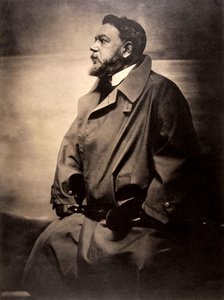
Joaquín Sorolla y Bastida
1863 - 1923 , Spanien
Kurzinfos
- Bemerkenswerte Werke:
- Italienisches Mädchen mit Blumen
- Badezeit (Realismus)
- Der weiße Sklavenhandel
- Strand bei Biarritz
- Das Gelbe Rosenbusch
- Einflussreiche Künstler: ['Francisco Pradilla']
- Geburtsdatum: 27. Februar 1863
- Geburtsort: Valencia, Spanien
- Künstlerische Richtung: Realismus, Luminismus
- Nationalität: Spanisch
- Sterbedatum: 1923
- Vollständiger Name: Joaquín Sorolla y Bastida
Ähnliche Artikel
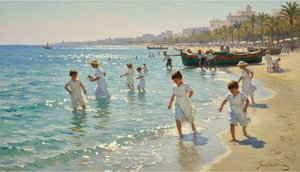
Joaquín Sorolla y Bastida: Meister des Lichts – Ein spanischer Impressionist im Fokus
Entdecken Sie das faszinierende Werk von Joaquín Sorolla y Bastida, dem Meister des spanischen Impressionismus! Erfahren Sie mehr über seine Technik, sein Leben und seine ikonischen Gemälde. Jetzt lesen!
Manuel Benedito Vives: A Study of Light, Color & Emotional Resonance in Contemporary Spanish Painting
Explore the captivating world of Manuel Benedito Vives, a celebrated Spanish painter influenced by Sorolla. Discover his masterful portraits, luminous landscapes & enduring legacy – a favorite of the Spanish Royal Family. Art collectors will appreciate this in-depth study.
Rafael de Penagos: A Study in Spanish Portraiture & Artistic Identity
Explore the life & art of Rafael de Penagos, a leading Spanish Art Deco illustrator. Discover his iconic 'Penagos Woman', commercial work, and lasting legacy. Learn about this pivotal figure in 20th-century Spanish art history.
José Gutiérrez Solana: A Chronicle of Spanish Society Through Expressionist Vision
Explore the captivating world of José Gutiérrez Solana, a pivotal Spanish Expressionist painter. Discover his haunting depictions of early 20th-century Spain, influenced by Goya & El Greco. Learn about his key works and lasting legacy.
Juan de Valdés Leal: Baroque Realism, Memento Mori & Theatricality of Spanish Grief
Explore the powerful Baroque realism of Juan de Valdés Leal (1622-1690). Discover his somber masterpieces, iconic 'In Ictu Oculi', and profound explorations of mortality. Museum-quality reproductions available at ArtsDot.