 Vorschau anzeigen
 Versenden
 Teilen
 Details anzeigen

 Herunterladen
 Ähnliche Objekte
 Röntgenaufnahme
 Diashow
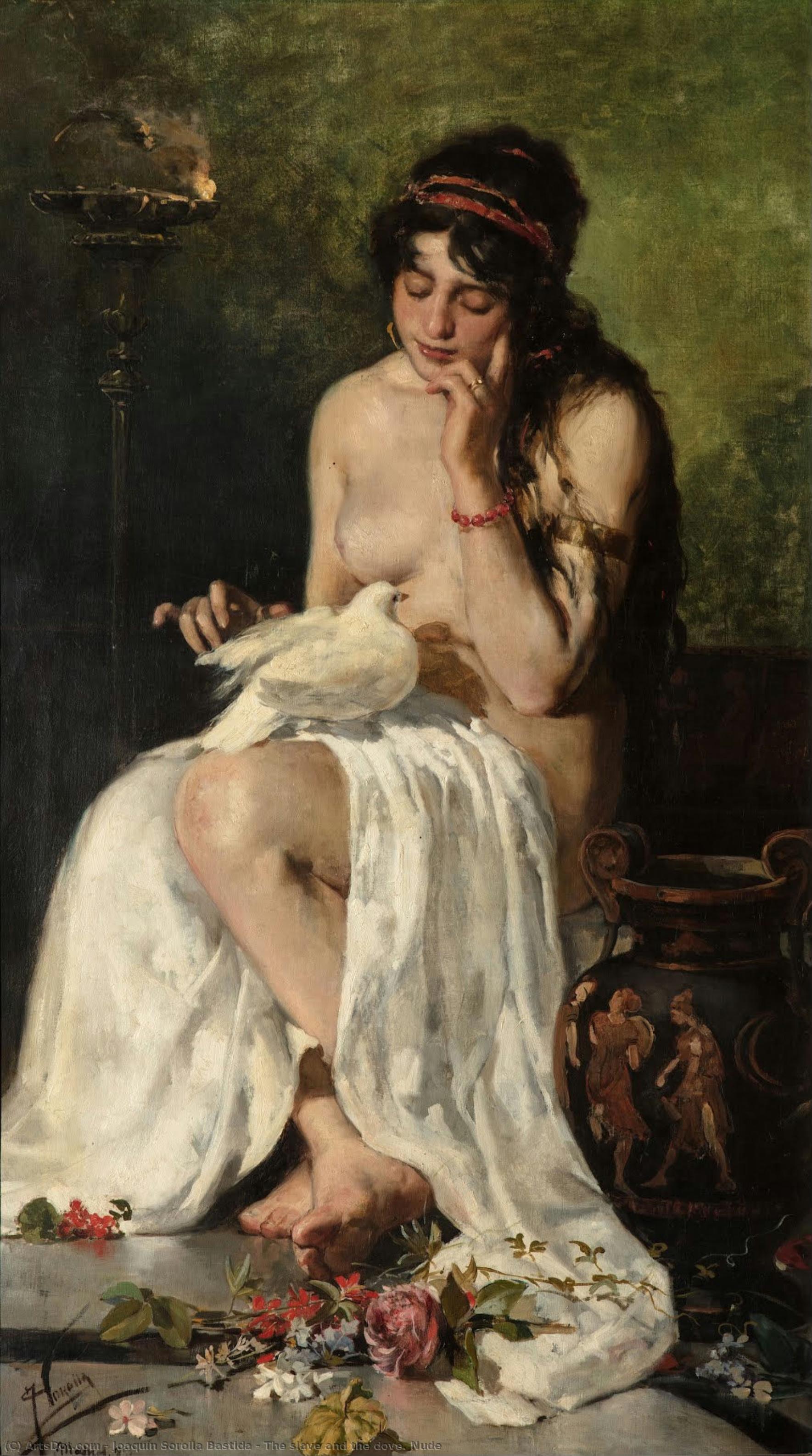
The slave and the dove. Nude


 Weiterlesen
Giclée / Kunstdruck
Giclée- oder Leinwanddruck in Museumsqualität mit schneller Produktion und flexiblen Veredelungsoptionen. ( Handgemalte Reproduktion bestellen Bild kaufen)




P118B $10

P118H $10

P118W $10

P438Z $10

P508JH $12

P508YH $12

P805H $10

P805Z $10

P919BZ $10

P919G $10

P919XJ $10

P959ZH $10

P968JZ $12

W106C $8

W218G $10

W218JH $8

W218Y $10

W307PJ $10

W316G $10

W316PJ $8

W316Y $10

W398PJ $8

W4111J $10

W500HY $15

W500JH $15

W692G $12

W849H $8

W940BG $15

W953PJ $8




Wählen Sie aus unseren vordefinierten Formaten, die den ursprünglichen Proportionen des Kunstwerks entsprechen.

Sie können Ihre eigenen Maße eingeben, um ein bestimmtes Format oder einen speziellen Platz einzupassen. Wenn das von Ihnen gewählte Format nicht den Proportionen des Originalbildes entspricht, werden wir das Kunstwerk entweder beschneiden oder das Bild mit einem gespiegelten oder einfarbigen Rand erweitern. Ein digitaler Entwurf wird Ihnen zur Genehmigung zugesandt, bevor die Produktion beginnt.
Bitte beachten Sie, dass die Vorschau auf dem Bildschirm nicht den tatsächlichen Zuschnitt oder die Erweiterung widerspiegelt. Nur der Entwurf zeigt die endgültige Komposition präzise an.
Obwohl Sondermaße verfügbar sind, empfehlen wir die Auswahl eines Maßes aus der vordefinierten Liste, um die ursprünglichen Proportionen zu bewahren.
Weltweiter Versand () innerhalb von 2 Wochen statt der üblichen 4/5 Wochen. (21 August)

Kostenloser weltweiter Expressversand

Hochwertige Leinenleinwand

Umfassender Versicherungsschutz beim Versand

Zollgebühren-Rückerstattungsgarantie

Garantie für exakte Farbtreue

60 Tage Rückgaberecht (nur bei Mängeln)

100% Geld-zurück-Garantie

Mengenrabatt verfügbar
 Die Glasoption ist nur für Größen unter 110 cm verfügbar.

The slave and the dove. Nude
Giclée / Kunstdruck
Format der Reproduktion
-


Gesamtpreis
$ 62
Sammlerstück-Beschreibung
A Glimpse of Valencia’s Soul: Sorolla's "The Slave and the Dove"
Joaquín Sorolla y Bastida’s “The Slave and the Dove,” painted in 1883, is more than just a portrait; it’s a poignant meditation on vulnerability, beauty, and the quiet dignity of existence. Emerging from a period of profound personal loss – orphaned at two years old – Sorolla developed an extraordinary sensitivity to light and emotion, qualities that are exquisitely rendered within this captivating work. The painting depicts a young woman, identified as a “slave girl,” seated upon the ground, her hands clasped protectively before her face. Yet, despite the inherent connotations of servitude, she possesses an undeniable grace and serenity, radiating a quiet strength that belies her circumstances. This isn’t a depiction of despair, but rather one imbued with a melancholic beauty, echoing the spirit of Albert Dürer's "Melancholy I," a work Sorolla clearly admired for its exploration of inner turmoil.- Style and Technique: Sorolla masterfully employs *plein air* painting techniques, capturing the fleeting effects of sunlight with remarkable precision. The loose brushstrokes and vibrant color palette—a symphony of warm yellows, soft blues, and delicate pinks—create a luminous atmosphere that seems to emanate from the canvas itself. He utilizes a dramatic chiaroscuro effect, contrasting the bright highlights on her skin with the deep shadows beneath, emphasizing both her physical form and emotional state.
- Composition: The composition is carefully balanced, drawing the eye to the central figure while incorporating subtle details that enrich the narrative. A scattering of birds—a dove prominently positioned near her head—suggests hope and freedom amidst a sense of confinement. A ceramic krater, reminiscent of ancient Greek pottery, rests on the lower right corner, grounding the scene in classical antiquity and hinting at themes of mythology and timeless beauty.
Echoes of Antiquity and Melancholy’s Embrace
Sorolla's choice to depict a “slave girl” within this context is deeply layered. He wasn't simply illustrating poverty or oppression; rather, he drew inspiration from classical Greek art, specifically the iconography of the *kouros* (youth) and *kore* (maiden), figures often associated with goddesses and embodying ideals of beauty and virtue. The woman’s posture and gaze subtly recall these ancient representations, elevating her to a position of dignified contemplation. Simultaneously, Sorolla incorporates elements of Dürer's "Melancholy I," imbuing the scene with a sense of quiet sadness and introspection—a recognition of human vulnerability and the ephemeral nature of beauty. The inclusion of the krater further reinforces this connection to antiquity, suggesting a timeless quality to her sorrow and resilience.Light, Loss, and the Spanish Soul
Sorolla’s early life was marked by profound loss – the deaths of his parents at a young age profoundly shaped his artistic vision. This experience instilled within him an acute awareness of mortality and a deep appreciation for the fleeting beauty of light and color. “The Slave and the Dove” is, in many ways, a testament to this sensibility. The painting’s luminous quality—a hallmark of Sorolla's style—is not merely decorative; it serves as a metaphor for hope amidst darkness, suggesting that even in moments of sorrow, there remains an enduring capacity for beauty and grace. The Spanish light, so characteristic of his work, seems to bathe the figure in a gentle warmth, offering solace and a sense of quiet dignity.A Timeless Masterpiece: Symbolism and Emotional Resonance
Ultimately, “The Slave and the Dove” transcends its literal subject matter to become a powerful meditation on human experience. The painting’s enduring appeal lies not only in Sorolla's technical mastery but also in its profound emotional resonance. It speaks to themes of vulnerability, resilience, and the search for beauty amidst adversity—themes that continue to resonate with viewers today. The image invites contemplation, prompting us to consider the dignity of all individuals, regardless of their circumstances, and to appreciate the fleeting moments of grace and serenity that punctuate our lives. This work stands as a poignant reminder of Sorolla’s ability to capture not just the outward appearance of his subjects but also the depths of their inner worlds.Ähnliche Kunstwerke
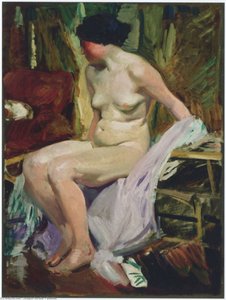
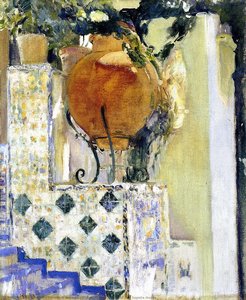
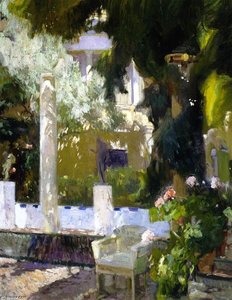
Über den Künstler
Frühes Leben und Ausbildung
Joaquín Sorolla y Bastida, ein renommierter spanischer Maler, wurde am 27. Februar 1863 in Valencia, Spanien, geboren. Er war der älteste Sohn von Joaquín Sorolla, einem Kaufmann, und Concepción Bastida. Nach dem frühen Verlust seiner Eltern im Alter von zwei Jahren wuchs er bei seiner Tante und ihrem Ehemann auf. Seine künstlerische Reise begann in seiner Heimatstadt, wo er bereits mit neun Jahren eine erste Kunstausbildung erhielt. Später studierte er unter der Leitung von Cayetano Capuz, Salustiano Asenjo und José Benlliure in Rom. Ein viereinhalbjähriges Stipendium ermöglichte ihm ein Studium des Malens in Rom, Italien, wo er stark von Francisco Pradilla beeinflusst wurde.Künstlerische Entwicklung und Stil
Sorollas Werk zeichnet sich durch einen einzigartigen Realismus aus, der Elemente des Impressionismus aufgreift. Er war bekannt für seine Fähigkeit, Licht und Farbe meisterhaft einzusetzen, um lebendige und atmosphärische Szenen zu schaffen. Seine frühen Werke zeigten Einflüsse des etablierten spanischen Malstils, während er später seinen eigenen unverwechselbaren Stil entwickelte, der sich durch eine lockere Pinselführung und eine strahlende Farbpalette auszeichnete. Er bevorzugte das Malen im Freien (plein air), um die natürlichen Lichtverhältnisse optimal zu nutzen. Sein Fokus lag oft auf Alltagsszenen, Porträts und insbesondere Strandbildern, die er mit großer Detailtreue und Lebendigkeit festhielt.Wichtige Werke und Errungenschaften
Sorolla schuf eine beeindruckende Anzahl von Werken, die seine künstlerische Meisterschaft demonstrieren. Zu seinen bekanntesten Gemälden gehören:- Italienisches Mädchen mit Blumen (Öl auf Leinwand), das Sorollas Fähigkeit zeigt, die Essenz seiner Motive einzufangen.
- Badezeit (Realismus, Öl), ein Beispiel für seine Balance aus Licht und Farbe.
- Der Sklavenhandel (Sorolla Museum, Madrid, Spanien, Öl auf Leinwand), ein seltenes Beispiel für sozialrealistische Kunst in Sorollas Werk.
Einfluss und Vermächtnis
Joaquín Sorolla gilt als einer der bedeutendsten spanischen Maler des 19. und frühen 20. Jahrhunderts. Sein Werk trug maßgeblich zur Entwicklung des spanischen Realismus und Impressionismus bei. Seine Fähigkeit, das Licht der mediterranen Sonne einzufangen und in seinen Gemälden wiederzugeben, machte ihn zu einem international gefeierten Künstler. Sorolla beeinflusste zahlreiche nachfolgende Maler und seine Werke werden heute in renommierten Museen auf der ganzen Welt ausgestellt. Das Sorolla Museum in Madrid, das sein ehemaliges Haus und Atelier beherbergt, ist ein zentraler Ort für die Bewahrung und Präsentation seines Werkes. Sein Vermächtnis lebt fort als Inspiration für Künstler und Kunstliebhaber gleichermaßen.Spätere Jahre und Tod
Obwohl Sorolla im Alter von 60 Jahren am 23. August 1923 in Cercedilla, Spanien, verstarb, hinterließ er ein beeindruckendes Œuvre und einen bleibenden Eindruck in der Kunstgeschichte. Seine Werke werden bis heute für ihre Lebendigkeit, Detailtreue und die meisterhafte Darstellung des Lichts geschätzt.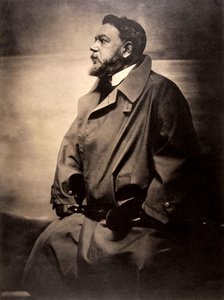
Joaquín Sorolla y Bastida
1863 - 1923 , Spanien
Kurzinfos
- Bemerkenswerte Werke:
- Italienisches Mädchen mit Blumen
- Badezeit (Realismus)
- Der weiße Sklavenhandel
- Strand bei Biarritz
- Das Gelbe Rosenbusch
- Einflussreiche Künstler: ['Francisco Pradilla']
- Geburtsdatum: 27. Februar 1863
- Geburtsort: Valencia, Spanien
- Künstlerische Richtung: Realismus, Luminismus
- Nationalität: Spanisch
- Sterbedatum: 1923
- Vollständiger Name: Joaquín Sorolla y Bastida
Ähnliche Artikel
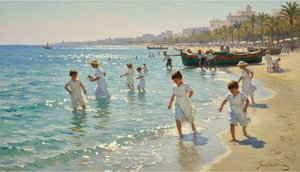
Joaquín Sorolla y Bastida: Meister des Lichts – Ein spanischer Impressionist im Fokus
Entdecken Sie das faszinierende Werk von Joaquín Sorolla y Bastida, dem Meister des spanischen Impressionismus! Erfahren Sie mehr über seine Technik, sein Leben und seine ikonischen Gemälde. Jetzt lesen!

The Enduring Legacy of Oil on Canvas: Technique, History & Aesthetic Impact
Explore the rich history & techniques of oil painting – from Renaissance masters to Impressionism. Discover pigments, layering methods, and why this timeless medium endures. Expert insights for artists & art enthusiasts.
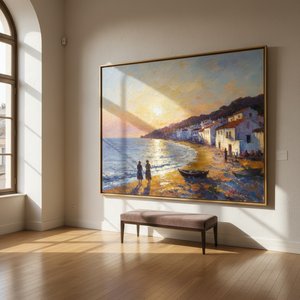
Manuel Benedito Vives: A Study of Light, Color & Emotional Resonance in Contemporary Spanish Painting
Explore the captivating world of Manuel Benedito Vives, a celebrated Spanish painter influenced by Sorolla. Discover his masterful portraits, luminous landscapes & enduring legacy – a favorite of the Spanish Royal Family. Art collectors will appreciate this in-depth study.

Öl auf Leinwand: Eine historische und technische Erkundung eines zeitlosen künstlerischen Mediums
Entdecken Sie die faszinierende Welt der Ölmalerei! Von historischen Techniken bis zur modernen Anwendung – wir bieten Expertenwissen, Restaurierungstipps und hochwertige Reproduktionen. Jetzt informieren!

The Enduring Power of Painting: A Historical & Contemporary Exploration of Form and Emotion
Explore the rich history & enduring techniques of oil painting with ArtsDot. Discover masterpieces, learn about art collecting, and find authentic handmade reproductions crafted by skilled artists.