 Vorschau anzeigen
 Versenden
 Teilen
 Details anzeigen

 Herunterladen
 Ähnliche Objekte
 Röntgenaufnahme
 Diashow
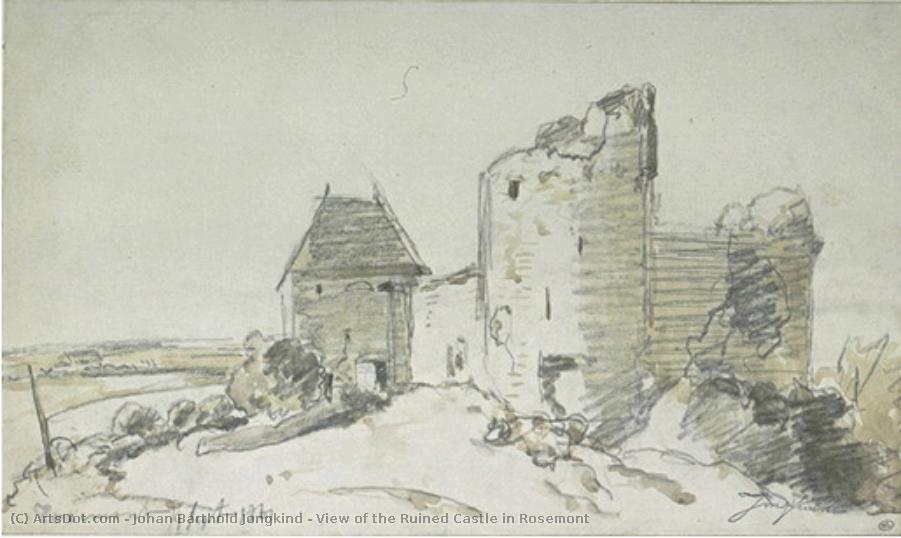
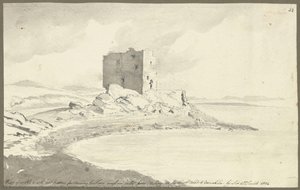
View of the Ruined Castle in Rosemont
 Acrylic On Canvas
- WallArt
- Romanticism
 1861
1861 21.0 x 35.0 cm
 Musée d'Orsay
 Weiterlesen
Giclée / Kunstdruck
Giclée- oder Leinwanddruck in Museumsqualität mit schneller Produktion und flexiblen Veredelungsoptionen. ( Handgemalte Reproduktion bestellen Bild kaufen)




P118B $10

P118H $10

P118W $10

P438Z $10

P508JH $12

P508YH $12

P805H $10

P805Z $10

P919BZ $10

P919G $10

P919XJ $10

P959ZH $10

P968JZ $12

W106C $8

W218G $10

W218JH $8

W218Y $10

W307PJ $10

W316G $10

W316PJ $8

W316Y $10

W398PJ $8

W4111J $10

W500HY $15

W500JH $15

W692G $12

W849H $8

W940BG $15

W953PJ $8




Wählen Sie aus unseren vordefinierten Formaten, die den ursprünglichen Proportionen des Kunstwerks entsprechen.

Sie können Ihre eigenen Maße eingeben, um ein bestimmtes Format oder einen speziellen Platz einzupassen. Wenn das von Ihnen gewählte Format nicht den Proportionen des Originalbildes entspricht, werden wir das Kunstwerk entweder beschneiden oder das Bild mit einem gespiegelten oder einfarbigen Rand erweitern. Ein digitaler Entwurf wird Ihnen zur Genehmigung zugesandt, bevor die Produktion beginnt.
Bitte beachten Sie, dass die Vorschau auf dem Bildschirm nicht den tatsächlichen Zuschnitt oder die Erweiterung widerspiegelt. Nur der Entwurf zeigt die endgültige Komposition präzise an.
Obwohl Sondermaße verfügbar sind, empfehlen wir die Auswahl eines Maßes aus der vordefinierten Liste, um die ursprünglichen Proportionen zu bewahren.
Weltweiter Versand () innerhalb von 2 Wochen statt der üblichen 4/5 Wochen. (26 August)

Kostenloser weltweiter Expressversand

Hochwertige Leinenleinwand

Umfassender Versicherungsschutz beim Versand

Zollgebühren-Rückerstattungsgarantie

Garantie für exakte Farbtreue

60 Tage Rückgaberecht (nur bei Mängeln)

100% Geld-zurück-Garantie

Mengenrabatt verfügbar
 Die Glasoption ist nur für Größen unter 110 cm verfügbar.

View of the Ruined Castle in Rosemont
Giclée / Kunstdruck
Format der Reproduktion
-


Gesamtpreis
$ 62
Sammlerstück-Beschreibung
A Pioneer of Atmospheric Impressionism: Exploring Johan Jongkind’s ‘View of the Ruined Castle in Rosemont’
Johan Barthold Jongkind stands as an unsung hero of Impressionism, a figure whose influence on Monet and subsequent artists is profound yet often overlooked. Born in 1819 amidst the tranquil landscapes of Overijssel province, his artistic journey began with meticulous observation of nature – a cornerstone of Dutch landscape painting traditions – before blossoming into a revolutionary embrace of light and color that would reshape the course of art history. This captivating charcoal sketch, ‘View of the Ruined Castle in Rosemont,’ exemplifies Jongkind’s distinctive style and offers a window into his artistic vision. Completed in 1861, it's more than just a depiction of a crumbling castle; it’s a masterful distillation of Romantic ideals blended with nascent Impressionistic techniques.- Subject Matter & Context: The scene portrays a desolate yet beautiful ruin nestled within a rolling plain, bathed in diffused sunlight. Jongkind’s choice reflects the Romantic preoccupation with decay and memory – themes prevalent throughout the era – while simultaneously foreshadowing Impressionism's focus on capturing fleeting moments of sensory experience.
- Style & Technique: Primarily executed in charcoal, Jongkind employs loose brushwork and broken lines to convey atmosphere rather than precise detail. This technique prioritizes tonal variation—the subtle interplay of light and shadow—creating a palpable sense of depth and emotion. The artist’s masterful use of texture contributes significantly to the artwork's impact, achieved through varying pressure applied to the charcoal medium.
- Composition & Perspective: Jongkind adopts a flattened perspective, eschewing aerial perspective to heighten the emotional resonance of the scene. The castle dominates the composition slightly off-center, drawing the viewer’s eye and emphasizing its imposing presence against the expansive landscape. Overlapping forms and diminishing size subtly suggest distance without resorting to traditional linear recession.
- Symbolism & Emotion: The ruined castle serves as a potent symbol of decline and impermanence—a visual representation of time's relentless passage. Jongkind’s melancholic portrayal evokes feelings of nostalgia and contemplation, inviting viewers to contemplate the beauty inherent in decay and the enduring power of memory.
- Materials & Craftsmanship: Crafted on paper using charcoal (likely vine or compressed) and watercolor pigments, ‘View of the Ruined Castle’ showcases Jongkind's dedication to capturing the essence of his subject matter with remarkable sensitivity. The aged appearance of the artwork underscores the inherent qualities of the medium—the subtle marks of time and handling—adding to its artistic character.
Ähnliche Kunstwerke
Über den Künstler
Frühes Leben und Ausbildung
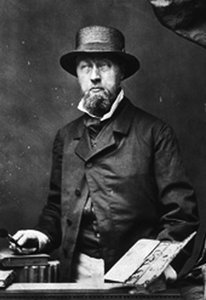
Johan Barthold Jongkind, ein niederländischer Maler und Grafiker, wurde am 3. Juni 1819 in Lattrop, Provinz Overijssel, Niederlande, geboren. Er erhielt seine künstlerische Ausbildung an der Kunstakademie in Den Haag. Im Jahr 1846 zog er nach Montparnasse in Paris, Frankreich, wo er unter Eugène Isabey und François-Édouard Picot studierte.Künstlerische Karriere
Jongkinds Arbeiten wurden 1848 von den Pariser Salons akzeptiert, was ihm Anerkennung der Kritiker Charles Baudelaire und Émile Zola einbrachte. Er kämpfte jedoch mit Depressionen und Alkoholismus, die seinen Erfolg behinderten. Im Jahr 1855 kehrte Jongkind nach Rotterdam in den Niederlanden zurück, bevor er sich 1861 wieder in Paris niederließ.Beitrag zum Impressionismus
Jongkinds künstlerischer Stil, der durch kräftige Pinselstriche und starke Kontraste gekennzeichnet ist, machte ihn zu einem Vorreiter der impressionistischen Bewegung. Er betreute junge Künstler, darunter Claude Monet, der Jongkind als "...einen stillen Mann mit einem Talent, das unbeschreiblich ist" bezeichnete.Bemerkenswerte Werke
Zu Jongkinds bemerkenswertesten Werken gehören:- Mondlicht auf dem Kanal (das Baltimore Museum of Art, Öl auf Leinwand), das seine Meisterschaft in der Marinekunst zeigt.
- Seine zahlreichen Gemälde der Seine, insbesondere in der Nähe von Notre-Dame, demonstrieren seine Fähigkeit, die Essenz einer Szene einzufangen.
Museen und Sammlungen
Jongkinds Werke sind in verschiedenen Museen zu finden, darunter:- Das Van-Gogh-Museum (Amsterdam, Niederlande), das auch eine umfangreiche Sammlung von Jongkinds Zeitgenossen beherbergt.
- Das Museum Huis ten Bosch (Den Haag, Niederlande), das eine umfassende Sammlung niederländischer Kunst beherbergt, darunter Werke von Jongkinds Einflüssen.
Vermächtnis
Jongkind starb am 9. Februar 1891 in Saint-Égrève, Frankreich. Sein Vermächtnis als Pionierfigur des Impressionismus inspiriert weiterhin Künstler und Kunstliebhaber gleichermaßen.- Betrachten Sie Jongkinds Werke auf ArtsDot: https://ArtsDot.com/@/johan-barthold-jongkind
- Erkunden Sie die Sammlung des Van-Gogh-Museums auf ArtsDot: https://ArtsDot.com/@@/a@d3c8x3-van-gogh-museum-(netherlands)-a-haven-for-art-lovers
- Entdecken Sie mehr über Jongkinds Leben und Werk auf Wikipedia: https://en.wikipedia.org/wiki/johan_jongkind
Juhan Jongkind
1819 - 1891 , Niederlande
Kurzinfos
- Beeinflusste Künstler: ['Claude Monet']
- Bemerkenswerte Werke:
- Mondlicht auf dem Kanal
- Seinestände in Paris
- Geburtsdatum: 3. Juni 1819
- Geburtsort: Lattrop-Boekel, Niederlande
- Künstlerische Bewegung: Impressionismus
- Nationalität: Niederländisch
- Sterbedatum: 9. Februar 1891
- Vollständiger Name: Johan Barthold Jongkind
- Von Künstlern Beeinflusst:
- Andreas Schelfhout
- Eugène Isabey
- François-Édouard Picot
Ähnliche Artikel

John Constable: Die 25 Meisterwerke des englischen Landschaftsgenies – ArtsDot
Entdecken Sie die 25 Meisterwerke von John Constable! Erleben Sie englische Landschaftsmalerei vom Hay Wain bis zur Stour Valley. Hochwertige Reproduktionen & Kunst für Ihr Zuhause auf ArtsDot.com.

Romantische Landschaften: Die 10 Meisterwerke, die eine Epoche prägten | ArtsDot
Entdecken Sie die 10 Meisterwerke der Romantischen Landschaftsmalerei! Von Caspar David Friedrich bis Turner – erleben Sie die Kunst, Emotion & Natur. Hochwertige Reproduktionen auf ArtsDot.com

Evocations of Place: A Historical Journey Through Landscape Art
Explore the rich history of landscape art with ArtsDot. Discover renowned artists, movements like Impressionism & Romanticism, and expert guidance for collecting timeless pieces. Find your perfect serene escape today!
Evoking Nature's Sublime: A Comprehensive Exploration of 19th-Century Landscape Painting
Explore the captivating world of 19th-century landscape painting! Discover renowned artists like Friedrich & Monet, key movements, and find the perfect artwork to bring nature's serenity into your home. Expert insights at ArtsDot.
Hubert Robert und die Romantik der Ruinen: Eine Studie zur künstlerischen Innovation und Antikenbegeisterung
Entdecken Sie die faszinierende Welt von Hubert Robert und seiner Ruinenmalerei! Expertenanalyse zu Techniken, Motiven & Investitionspotenzial für anspruchsvolle Kunstsammler. ArtsDot bietet hochwertige Reproduktionen.