

 Vorschau anzeigen
 Versenden
 Teilen
 Details anzeigen

 Herunterladen
 Ähnliche Objekte
 Röntgenaufnahme
 Diashow
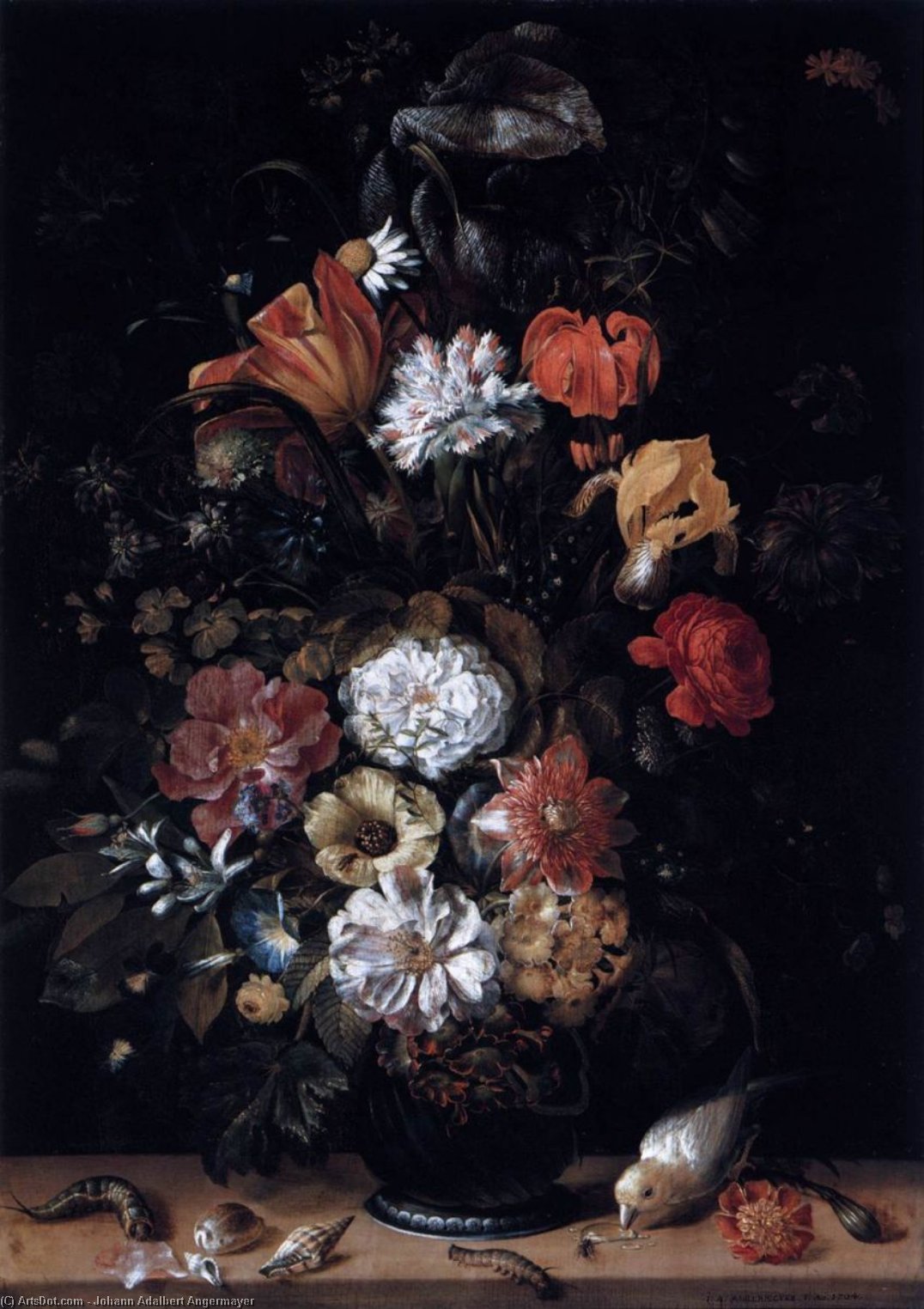
Bouquet of Flowers with Animals
 1704
1704 50.0 x 34.0 cm
 Liechtenstein Museum
 Weiterlesen
Giclée / Kunstdruck
Giclée- oder Leinwanddruck in Museumsqualität mit schneller Produktion und flexiblen Veredelungsoptionen. ( Handgemalte Reproduktion bestellen Bild kaufen)




































Wählen Sie aus unseren vordefinierten Formaten, die den ursprünglichen Proportionen des Kunstwerks entsprechen.

Sie können Ihre eigenen Maße eingeben, um ein bestimmtes Format oder einen speziellen Platz einzupassen. Wenn das von Ihnen gewählte Format nicht den Proportionen des Originalbildes entspricht, werden wir das Kunstwerk entweder beschneiden oder das Bild mit einem gespiegelten oder einfarbigen Rand erweitern. Ein digitaler Entwurf wird Ihnen zur Genehmigung zugesandt, bevor die Produktion beginnt.
Bitte beachten Sie, dass die Vorschau auf dem Bildschirm nicht den tatsächlichen Zuschnitt oder die Erweiterung widerspiegelt. Nur der Entwurf zeigt die endgültige Komposition präzise an.
Obwohl Sondermaße verfügbar sind, empfehlen wir die Auswahl eines Maßes aus der vordefinierten Liste, um die ursprünglichen Proportionen zu bewahren.
Weltweiter Versand () innerhalb von 2 Wochen statt der üblichen 4/5 Wochen. (27 August)

Kostenloser weltweiter Expressversand

Hochwertige Leinenleinwand

Umfassender Versicherungsschutz beim Versand

Zollgebühren-Rückerstattungsgarantie

Garantie für exakte Farbtreue

60 Tage Rückgaberecht (nur bei Mängeln)

100% Geld-zurück-Garantie

Mengenrabatt verfügbar
 Die Glasoption ist nur für Größen unter 110 cm verfügbar.

Bouquet of Flowers with Animals
Giclée / Kunstdruck
Format der Reproduktion
-


Gesamtpreis
$ 62
Ähnliche Kunstwerke
Über den Künstler
The Master of Miniature Marvels: The Life of Johann Adalbert Angermayer
In the quiet, sun-drenched corners of the Baroque era, where the pursuit of precision met a profound reverence for the natural world, the name Johann Adalbert Angermayer emerged as a beacon of meticulous beauty. Born in 1674 in Bílina, within the lush landscapes of Bohemia, Angermayer would grow to become a pivotal figure in Czech Baroque painting. His life was a testament to the transformative power of mentorship and the delicate art of the small-scale masterpiece. While the grander stages of Europe were often dominated by sweeping historical epics and dramatic religious altarpieces, Angermayer found his calling in the intimate realm of cabinet still lifes—paintings designed for close contemplation, where every petal and dewdrop held a universe of meaning.
The trajectory of his artistic soul was irrevocably altered in 1699 when he relocated to the vibrant cultural hub of Prague. It was here that he encountered the influential Johann Rudolf Byss, a master of the Leiden Fijnschilder tradition. Under Byss’s tutelage, Angermlar was introduced to the sophisticated Dutch technique of extreme detail and subtle tonal variation. This lineage connected the Bohemian painter to the great masters of the Netherlands, such as Vermeer and Pieter Claesz, instilling in him a lifelong devotion to the realistic portrayal of texture, light, and shadow. As he matured, Angermayer’s work began to reflect this profound technical discipline, characterized by an almost supernatural ability to render the tactile qualities of silk, the cold glint of metal, and the ephemeral softness of flora.
A Legacy Written in Petals and Precious Objects
Angermayer’s career was defined by his membership in the prestigious Old Town Painter’s Guild, a position he held from 1707 to 1727. This era of his life saw him refining a style that was both fashionable and deeply personal. He became renowned for creating counterparts to older, solitary still-life traditions, often composing works that felt like intimate dialogues between objects. His canvases were rarely large; instead, they were precious gems of art, seldom exceeding thirty-five centimeters in width or height. This small scale demanded an extraordinary level of patience and a steady hand, qualities that earned him a reputation as one of Prague's premier still-life specialists.
The subject matter of his oeuvre offered a window into the sophisticated tastes of the Bohemian aristocracy and the burgeoning middle class. His compositions were diverse and evocative:
- Floral Elegance: Meticulously arranged bouquets that captured the fleeting vitality of nature.
- Hunting Trophies: Detailed renderings of game and natural elements that spoke to the era's aristocratic pursuits.
- Symbolic Luxuries: Innovative and non-traditional arrangements featuring items such as watches, jewelry boxes, and fine fabrics, which served as meditations on wealth, time, and mortality.
Beyond his own brushwork, Angermayer’s influence extended through the generations of artists he mentored. Students such as John Caspar Hirschely and Carl Kastner carried forward his dedication to detail, with Hirschely even transitioning into the early Rococo style. Though he spent much of his life in Prague, including a notable period at the Osek Monastery, Angermayer’s impact resonated far beyond the city walls. When he passed away in 1740, he left behind a legacy of quiet brilliance—a collection of miniature worlds that continue to invite viewers to slow down, look closer, and find the extraordinary within the ordinary.
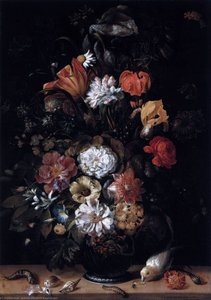
johann adalbert angermayer
1674 - 1740 , Czech Republic
Kurzinfos
- Artistic Movement Or Style: Cabinet Still Life
- Artists Or Movements Influenced By This Artist: ['Leiden Fijnschilders']
- Artists Who Influenced This Artist: ['Johann Rudolf Byss']
- Date Of Birth: 1674
- Full Name: Johann Adalbert Angermayer
- Nationality: Czech
- Notable Artworks:
- Still Life with a Watch
- Still Life with a Jewelry Box
- Place Of Birth: Bílina, Czech Republic

