

 Vorschau anzeigen
 Versenden
 Teilen
 Details anzeigen

 Herunterladen
 Ähnliche Objekte
 Röntgenaufnahme
 Diashow
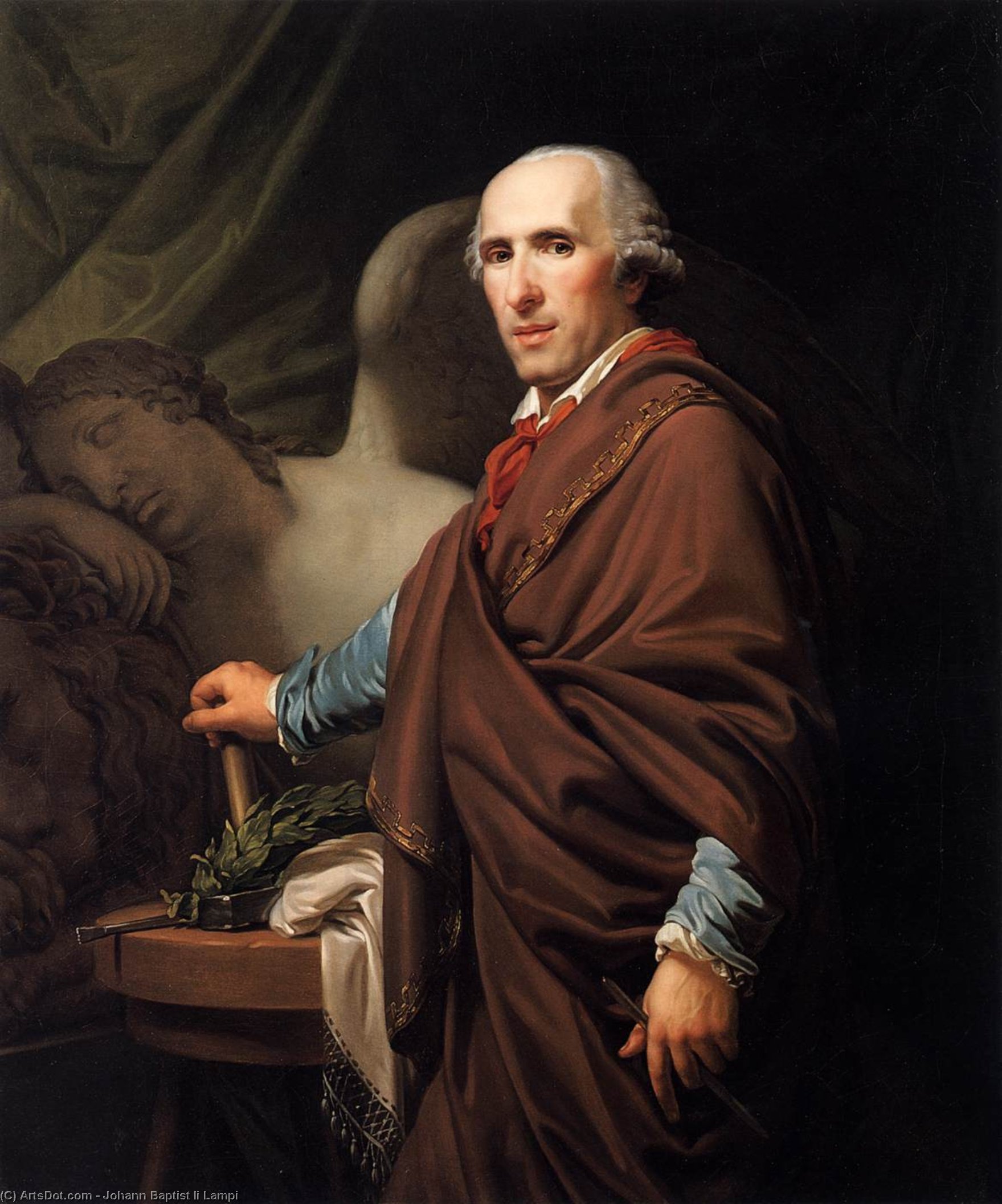
Portrait of Antonio Canova
 Oil On Canvas
- WallArt
- Neoclassical
 113.0 x 93.0 cm
 Akademie der bildenden Künste Wien
 Weiterlesen
Giclée / Kunstdruck
Giclée- oder Leinwanddruck in Museumsqualität mit schneller Produktion und flexiblen Veredelungsoptionen. ( Handgemalte Reproduktion bestellen Bild kaufen)




P118B $10

P118H $10

P118W $10

P438Z $10

P508JH $12

P508YH $12

P805H $10

P805Z $10

P919BZ $10

P919G $10

P919XJ $10

P959ZH $10

P968JZ $12

W106C $8

W218G $10

W218JH $8

W218Y $10

W307PJ $10

W316G $10

W316PJ $8

W316Y $10

W398PJ $8

W4111J $10

W500HY $15

W500JH $15

W692G $12

W849H $8

W940BG $15

W953PJ $8




Wählen Sie aus unseren vordefinierten Formaten, die den ursprünglichen Proportionen des Kunstwerks entsprechen.

Sie können Ihre eigenen Maße eingeben, um ein bestimmtes Format oder einen speziellen Platz einzupassen. Wenn das von Ihnen gewählte Format nicht den Proportionen des Originalbildes entspricht, werden wir das Kunstwerk entweder beschneiden oder das Bild mit einem gespiegelten oder einfarbigen Rand erweitern. Ein digitaler Entwurf wird Ihnen zur Genehmigung zugesandt, bevor die Produktion beginnt.
Bitte beachten Sie, dass die Vorschau auf dem Bildschirm nicht den tatsächlichen Zuschnitt oder die Erweiterung widerspiegelt. Nur der Entwurf zeigt die endgültige Komposition präzise an.
Obwohl Sondermaße verfügbar sind, empfehlen wir die Auswahl eines Maßes aus der vordefinierten Liste, um die ursprünglichen Proportionen zu bewahren.
Weltweiter Versand () innerhalb von 2 Wochen statt der üblichen 4/5 Wochen. (30 August)

Kostenloser weltweiter Expressversand

Hochwertige Leinenleinwand

Umfassender Versicherungsschutz beim Versand

Zollgebühren-Rückerstattungsgarantie

Garantie für exakte Farbtreue

60 Tage Rückgaberecht (nur bei Mängeln)

100% Geld-zurück-Garantie

Mengenrabatt verfügbar
 Die Glasoption ist nur für Größen unter 110 cm verfügbar.

Portrait of Antonio Canova
Giclée / Kunstdruck
Format der Reproduktion
-


Gesamtpreis
$ 62
The Enigmatic Gaze: Antonio Canova’s Portrait by Johann Baptist Lampi
Johann Baptist II Lampi's 1806 portrait of Antonio Canova is more than just a likeness; it’s a carefully constructed meditation on artistic genius, contemplation, and the very nature of creative inspiration. Housed within the hallowed halls of the Academy of Fine Arts Vienna, this oil-on-canvas masterpiece offers a rare glimpse into the mind of one of history's most celebrated sculptors, capturing Canova not merely as a figure, but as a man wrestling with his craft and the profound weight of artistic legacy.
Lampi’s skill lies in his masterful manipulation of light and shadow. The muted palette—a symphony of browns, grays, and subtle ochres—creates an atmosphere of quiet introspection. The artist doesn't employ dramatic contrasts; instead, he builds depth through delicate gradations, drawing the viewer into Canova’s world. Notice how the folds of the red cape seem to absorb light, while the highlights on the wig and face subtly illuminate his features, emphasizing a thoughtful expression. This restrained approach is characteristic of Lampi's style, rooted in the Neoclassical tradition but imbued with a distinctly personal sensitivity.
A Sculptor’s Moment
Canova himself, rendered in exquisite detail, appears lost in thought. His gaze is directed slightly off-camera, suggesting an engagement with something beyond the immediate scene—perhaps a memory, a concept, or simply the silent dialogue of his own creative process. The subtle furrow of his brow and the slight parting of his lips hint at the intensity of his concentration. The pose itself – seated, relaxed yet alert – is deliberately unostentatious, reflecting Canova’s preference for understated elegance in his work. It's a portrait that captures not just an appearance, but a state of mind.
Adding to the intrigue are the two angelic figures flanking Canova. These aren’t merely decorative elements; they represent the divine inspiration that fueled Canova’s extraordinary talent. Their presence elevates the portrait beyond a simple likeness, transforming it into a symbolic representation of the artist's relationship with his muse – a connection between human creativity and the realm of the sublime. The angels, rendered in a delicate, ethereal style, seem to offer silent encouragement, reinforcing the notion that Canova’s genius was not solely his own but bestowed upon him by a higher power.
Historical Context & Artistic Legacy
Lampi's portrait emerged during a pivotal period in European art history – the height of Neoclassicism. Inspired by the rediscovery of classical antiquity, artists like Canova sought to emulate the ideals of balance, harmony, and proportion that characterized Greek and Roman sculpture. Lampi’s work reflects this influence, evident in the carefully structured composition, the idealized features of Canova, and the overall sense of dignified restraint.
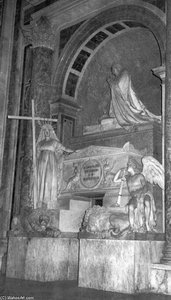
The portrait itself is a testament to Canova's own legacy. He was a titan of his time, renowned for sculptures such as “Pauline Bonaparte” and “Psyche Revived by Cupid’s Kiss.” Lampi’s depiction captures not only Canova’s physical appearance but also the aura of genius that surrounded him – a man who shaped the aesthetic sensibilities of an entire era. The work is further enriched by its connection to other significant pieces, such as the tomb sculpture of Maria Christina of Austria, which features a similar composition and thematic resonance.
Collecting a Masterpiece
Today, reproductions of Lampi’s “Portrait of Antonio Canova” offer art enthusiasts and collectors an opportunity to experience this remarkable work firsthand. ArtsDot specializes in meticulously crafted oil painting reproductions that faithfully capture the nuances of Lampi's original technique – from the subtle shading to the delicate brushstrokes. These reproductions are not mere copies; they are artistic interpretations, created by skilled artisans who share a deep appreciation for the beauty and power of this iconic portrait. Consider adding this evocative piece to your collection—a tangible reminder of the enduring legacy of Antonio Canova and Johann Baptist Lampi.
Ähnliche Kunstwerke

Über den Künstler
Johann Baptist II Lampi: Leben und Werk
Frühes Leben und künstlerische Ausbildung
- Johann Baptist II Lampi wurde am 31. Dezember 1751 in Romeno, Tirol (heutiger Italien/Österreich) geboren.
- Er stammte aus einer Künstlerfamilie; sein Vater, Matteo (Mattia) Lampi, war ein Dekorationsmaler, bekannt für Fresken.
- Lampi studierte zunächst Kunst unter seinem Vater in Verona und setzte seine Ausbildung später in Salzburg fort.
- Im Jahr 1773 zog er nach Trient, wo er seine Fähigkeiten als Porträtist mit Leinwänden und Miniaturen verfeinerte.
Berufliche Entwicklung & Wien
- Lampi reiste durch Innsbruck und ließ sich schließlich im Jahr 1786 in Wien nieder.
- Talent wurde ihm anerkannt, und Kaiser Joseph II ernannte ihn zum Professor an der Wiener Akademie.
- Im selben Jahr erhielt er eine Einladung, für König Stanisław II. August in Warschau zu arbeiten, was einen bedeutenden Wendepunkt in seiner Karriere darstellte.
Warschau & Das Russische Reich
- Lampi blühte bis zu den Teilungen Polens auf in Warschau.
- Im Jahr 1791 zog er nach St. Petersburg, Russland, wo ihm Kaiserin Katharina II. eine ererbte Ritterkreuz verlieh.
- Diese Umzug erwies sich als äußerst lukrativ; Lampi wurde für seine Porträtfähigkeiten bei der russischen Aristokratie sehr begehrt.
- Er porträtierte prominente Persönlichkeiten, darunter Kaiserin Katharina II. und Kaiserin Maria Fjodorowna.
Rückkehr nach Wien & Spätere Jahre
- Lampi kehrte im Jahr 1797 nach Wien zurück und wurde 1799 als Ehrenbürger der Stadt geehrt.
- Er erhielt eine Rente im Jahr 1822 und starb am 11. Februar 1830 in Wien.
Künstlerischer Stil & Einflüsse
- Lampi’s Stil ist durch realistische Porträts mit Detailgenauigkeit und einer raffinierten Eleganz geprägt.
- Er war von den Dekorationsmalfähigkeiten seines Vaters und den vorherrschenden künstlerischen Trends des späten 18. Jahrhunderts, einschließlich Neoklassizismus, beeinflusst.
- Seine Arbeit spiegelt oft den Glanz und den Status seiner aristokratischen Modelle wider.
Familienerscheinung & Söhne
- Beide von Lampis Söhne folgten in ihrer künstlerischen Laufbahn seinem Beispiel.
- Johann Baptist III Lampi verbrachte Zeit mit seinem Vater in Russland und setzte die Familientradition dort fort.
- Francesco (Franz Xaver) Lampi ließ sich in Warschau nieder und wurde als Franciszek Ksawery Lampi bekannt, etablierte sich als bedeutender Künstler in Polen.
Wichtige Leistungen & historische Bedeutung
- Lampis Porträts geben wertvolle Einblicke in das Leben und Aussehen europäischer Aristokraten während einer Zeit bedeutender politischer und sozialer Veränderungen.
- Sein Erfolg sowohl in Wien, Warschau als auch in St. Petersburg demonstriert seine Anpassungsfähigkeit und künstlerische Begabung.
- Er spielte eine Schlüsselrolle bei der Etablierung des Porträtierens als prestigeträchtige Kunstform im russischen Zarenhof.
- Seine Werke sind ein wichtiger Bestandteil des künstlerlichen Erbes Österreichs, Polens und Russlands.

Johann Baptist Lampi
1751 - 1830 , Österreich
Kurzinfos
- Artistic Movement Or Style: Historische Malerei; Porträtkunst
- Artists Who Influenced This Artist:
- Matteo Lampi
- Franz Xaver Lampi
- Date Of Birth: 1751-12-31
- Date Of Death: 1830-02-11
- Full Name: Johann Baptist II Lampi
- Nationality: Österreichisch-Italienisch
- Notable Artworks:
- Porträt Katharina II.
- Graf Stanisław Felix Potocki und seine zwei Söhne
- Place Of Birth: Romeno, Tirol
Ähnliche Artikel
Antonio Canova: Neoklassizistische Skulptur und die Suche nach emotionaler Vollendung
Entdecken Sie das Werk von Antonio Canova – Meister des Neoklassizismus! Erfahren Sie mehr über seine Skulpturen, Techniken und seinen bleibenden Einfluss auf die Kunstgeschichte. Hochwertige Reproduktionen bei ArtsDot.

Bronze-Meisterwerke: Die 10 Skulpturen, die Kunstgeschichte schrieben | ArtsDot
Entdecken Sie die 10 legendärsten Bronze Skulpturen der Kunstgeschichte! Von Michelangelo bis Rodin – erfahren Sie die Geschichten hinter den Meisterwerken und lassen Sie sich von Wanddeko-Ideen inspirieren. Hochwertige Kunstdrucke auf ArtsDot.com.

The Enduring Form: Exploring Themes & Techniques in Sculpture Across Historical Periods
Explore the rich history of sculpture from ancient masterpieces to contemporary innovations. Discover key techniques, influential artists & investment potential for discerning art collectors.

The Enduring Form: Sculpture Across History, Technique & Emotional Resonance
Explore the rich history of sculpture with ArtsDot. Discover key techniques, influential artists & investment potential for discerning collectors. Expert insights into valuing and collecting timeless masterpieces.

Die 10 legendärsten Bronzestatuen: Meisterwerke, die Kunstgeschichte schrieben | ArtsDot
Entdecken Sie die 10 legendärsten Bronzestatuen der Kunstgeschichte! Von Rodin bis Michelangelo – erfahren Sie die Geschichten hinter ikonischen Skulpturen und finden Sie hochwertige Reproduktionen für Ihr Zuhause. Jetzt bei ArtsDot entdecken!

