

 Vorschau anzeigen
 Versenden
 Teilen
 Details anzeigen

 Herunterladen
 Ähnliche Objekte
 Röntgenaufnahme
 Diashow
 Statistiken
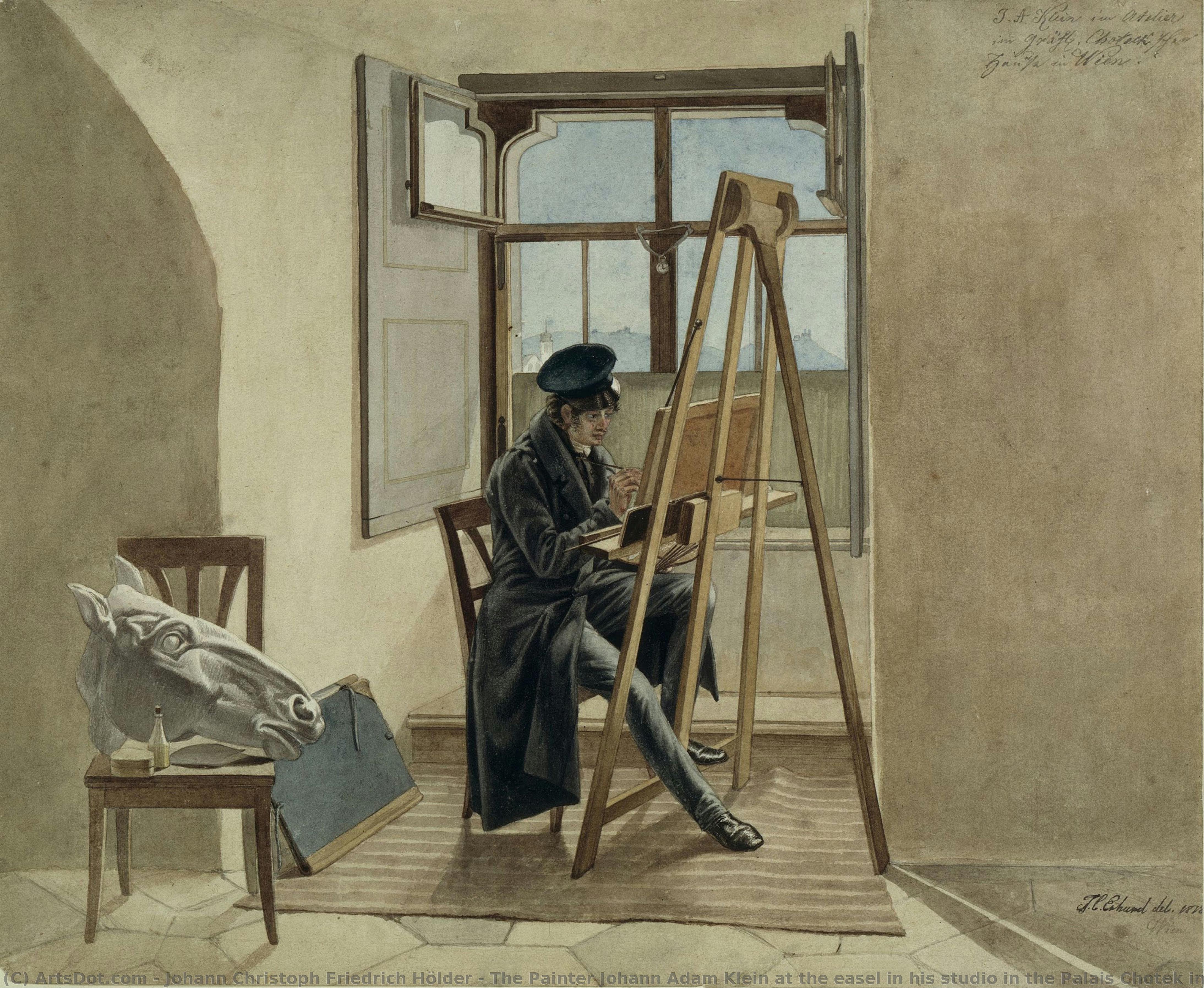
The Painter Johann Adam Klein at the easel in his studio in the Palais Chotek in Vienna
 Watercolor
- WallArt
- Contemporary Realism
 19th Century
 27.0 x 22.0 cm
 Kupferstichkabinett
 Weiterlesen
Giclée / Kunstdruck
Giclée- oder Leinwanddruck in Museumsqualität mit schneller Produktion und flexiblen Veredelungsoptionen. ( Handgemalte Reproduktion bestellen Zum digitalen Bild wechseln)




































Wählen Sie aus unseren vordefinierten Formaten, die den ursprünglichen Proportionen des Kunstwerks entsprechen.

Sie können Ihre eigenen Maße eingeben, um ein bestimmtes Format oder einen speziellen Platz einzupassen. Wenn das von Ihnen gewählte Format nicht den Proportionen des Originalbildes entspricht, werden wir das Kunstwerk entweder beschneiden oder das Bild mit einem gespiegelten oder einfarbigen Rand erweitern. Ein digitaler Entwurf wird Ihnen zur Genehmigung zugesandt, bevor die Produktion beginnt.
Bitte beachten Sie, dass die Vorschau auf dem Bildschirm nicht den tatsächlichen Zuschnitt oder die Erweiterung widerspiegelt. Nur der Entwurf zeigt die endgültige Komposition präzise an.
Obwohl Sondermaße verfügbar sind, empfehlen wir die Auswahl eines Maßes aus der vordefinierten Liste, um die ursprünglichen Proportionen zu bewahren.
Weltweiter Versand () innerhalb von 2 Wochen statt der üblichen 4/5 Wochen. (13 September)

Kostenloser weltweiter Expressversand

Hochwertige Leinenleinwand

Umfassender Versicherungsschutz beim Versand

Zollgebühren-Rückerstattungsgarantie

Garantie für exakte Farbtreue

100-Tage-Rückgaberecht (nur bei Mängeln)

100% Geld-zurück-Garantie

Mengenrabatt verfügbar
 Die Glasoption ist nur für Größen unter 110 cm verfügbar.

The Painter Johann Adam Klein at the easel in his studio in the Palais Chotek in Vienna
Giclée / Kunstdruck
Format der Reproduktion
-


Gesamtpreis
$ 62
A Quiet Moment in the Palais Chotek
In the heart of Vienna, within the modest confines of the Palais Chotek, a profound moment of artistic devotion is frozen in time. This delicate watercolor captures the painter Johann Adam Klein at his easel, immersed in the solitary rhythm of creation. The scene is one of stripped-back simplicity; the studio is nearly bare, containing little more than the essential tools of the trade—an easel and two chairs. There is a poignant intimacy in this setting, as if the viewer has stumbled upon a private ritual. Through the soft, diffused light streaming from an open window, we witness not just a man working, but the very essence of the creative struggle and the quiet dignity found in a life dedicated to art.
The composition is masterfully centered around Klein, whose figure serves as the emotional anchor of the piece. The artist sits focused, his dark clothing contrasting subtly with the muted, earthy tones of the room. Every element within the frame—from the plaster cast of a horse's head to the carefully placed portfolio—speaks to his identity and profession. These objects are not mere decorations but symbols of his lineage and aspirations, connecting him to the classical traditions of the past while he works on the small, intimate oil painting before him. The presence of the horse motif, a recurring theme in Klein’s own oeuvre, adds a layer of biographical depth that resonates with anyone who understands the weight of artistic legacy.
Technically, the work is a triumph of watercolor mastery. The artist utilizes a delicate layering of washes to build a sense of atmosphere and soft light, avoiding harsh lines in favor of organic shapes and flowing transitions. The palette is a sophisticated arrangement of grays, ochres, and browns, creating a subdued, almost melancholic mood that invites contemplation. This restrained color scheme allows the subtle textures—the grain of the paper, the weight of the fabric, and the soft shadows cast by the window—to emerge with remarkable clarity. For the collector or interior designer, this piece offers a timeless elegance; its neutral tones and serene subject matter make it an ideal centerpiece for a space designed for reflection and quiet sophistication.
Beyond its visual beauty, the painting evokes a powerful emotional response. It captures the "solitude of the studio," a state of being where the outside world fades away, leaving only the artist and his vision. There is a sense of stillness here that is rare in contemporary art, offering a window into the 19th-century Viennese art scene. To possess a reproduction of this work is to bring a piece of history into one's home—a reminder of the dedication, patience, and quiet passion required to transform a blank canvas into a lasting legacy. It is an invitation to slow down, to observe the light, and to appreciate the profound beauty found in the simplest of moments.
Ähnliche Kunstwerke
Über den Künstler
Johann Christoph Friedrich Hölder
Johann Christoph Friedrich Hölder, a renowned german draftsman and etcher, was born in nuremberg, germany in 1795. he received his artistic training in his hometown, honing his skills in the traditional techniques of the time. His father, Jacob Reinhard Erhard, was a silversmith and factory owner, shaping his early life with an appreciation for craftsmanship and precision. Hölder’s brother, Johann Benjamin Erhard, pursued a career as philosopher and medicin, fostering intellectual curiosity alongside artistic pursuits.Artistic Career in Vienna
In 1816 Hölder relocated to vienna, where he spent three years (until 1819) refining his craft under the tutelage of Ambrosius Gabler, a prominent copper engraver who recognized Hölder’s talent and encouraged him to explore innovative approaches. Gabler's influence extended beyond technical instruction; he instilled in Hölder a deep understanding of artistic history and contemporary trends. During this period, Hölder collaborated closely with Johann Adam Klein and Georg Christoph Wilder, fellow artists who shared his passion for landscape drawing and embarked on expeditions together—most notably into the Schneeberg region—capturing its dramatic vistas and intricate details with remarkable accuracy. These excursions served as invaluable sources of inspiration for Hölder’s subsequent works.Notable Works: Landscapes and Etchings
Hölder's artistic output is characterized by serene and idyllic portrayals of the natural world, reflecting the ideals of Romanticism—a movement that championed emotion and imagination alongside observation. His series of etchings, particularly “VI. Ansichten aus den Umgebungen des Schneeberges bei Wiener Neustadt,” exemplify his mastery of light and shadow, capturing the essence of Alpine landscapes with breathtaking subtlety. These prints are housed in the Kunsthalle Hamburg and demonstrate Hölder’s ability to transform raw natural beauty into refined artistic expression. Furthermore, Hölder's drawings—found in collections like those of the Ostdeutsche Galerie—display a similar range of stylistic approaches, showcasing his versatility as an artist.Influences and Legacy
Though not directly comparable to the monumental achievements of artists such as Albrecht Dürer or Franz Marc, Hölder’s work shares certain qualities with Marc's expressive use of color—a testament to the broader artistic currents shaping 19th-century germany. Hölder died in rome, italy in 1822, leaving behind a legacy as one of the most important german draftsmen and etchers of his era. His oeuvre continues to be celebrated through exhibitions and scholarly studies, cementing his place within the canon of Romantic art and securing his enduring fascination for the sublime beauty of nature. Hölder’s contribution to German artistic heritage remains palpable in museums across germany and beyond.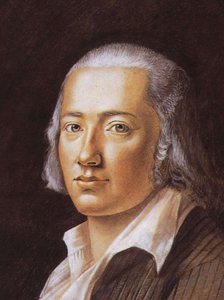
Johann Christoph Friedrich Hölder
1795 - 1822 , Deutschland
Kurzinfos
- Artistic Movement Or Style: Romantik
- Artists Or Movements Influenced By This Artist: ['Johann Adam Klein']
- Artists Who Influenced This Artist: ['Ambrosius Gabler']
- Date Of Birth: Februar 21, 1795
- Full Name: Johann Christoph Erhard
- Nationality: Deutsch
- Notable Artworks: ['Zwei Künstler am Berg']
- Place Of Birth: Nürnberg, Deutschland
Ähnliche Artikel
Ephemeral Visions: Exploring the Artistic Legacy & Nuances of Watercolor Painting
Explore the captivating world of watercolor painting! Discover its rich history, essential techniques, influential artists & collecting tips from art experts. A comprehensive guide for enthusiasts.
Flüchtige Visionen: Die Geschichte und emotionale Resonanz der Aquarellmalerei
Entdecken Sie die faszinierende Welt der Aquarellmalerei! Von historischen Ursprüngen bis zu modernen Techniken – wir bieten Expertenwissen, Inspiration und Tipps für Anfänger & Fortgeschrittene.
Die 10 legendärsten Aquarellwerke der Kunstgeschichte – Meisterwerke für Ihr Zuhause
Entdecken Sie die 10 legendärsten Aquarellwerke der Kunstgeschichte! Von Turner bis Monet – erleben Sie die Geschichten, Techniken & Farben dieser Meisterwerke. Finden Sie hochwertige Kunstdrucke auf ArtsDot.com und gestalten Sie Ihr Zuhause mit zeitloser Eleganz.
Ephemeral Visions: Exploring the Artistic Legacy & Contemporary Practice of Watercolor Painting
Explore the captivating world of watercolor painting! Discover its rich history, essential techniques, influential artists & collecting tips. A comprehensive guide for art enthusiasts from ArtsDot.
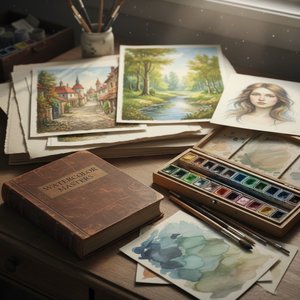
Die zeitlose Anziehungskraft der Aquarellmalerei: Geschichte, Techniken und zeitgenössische Praxis
Entdecken Sie die faszinierende Welt der Aquarellmalerei! Geschichte, Techniken & zeitgenössische Kunst – Expertenwissen von für Kunstliebhaber.