

 Vorschau anzeigen
 Versenden
 Teilen
 Details anzeigen

 Herunterladen
 Ähnliche Objekte
 Röntgenaufnahme
 Diashow
 Statistiken
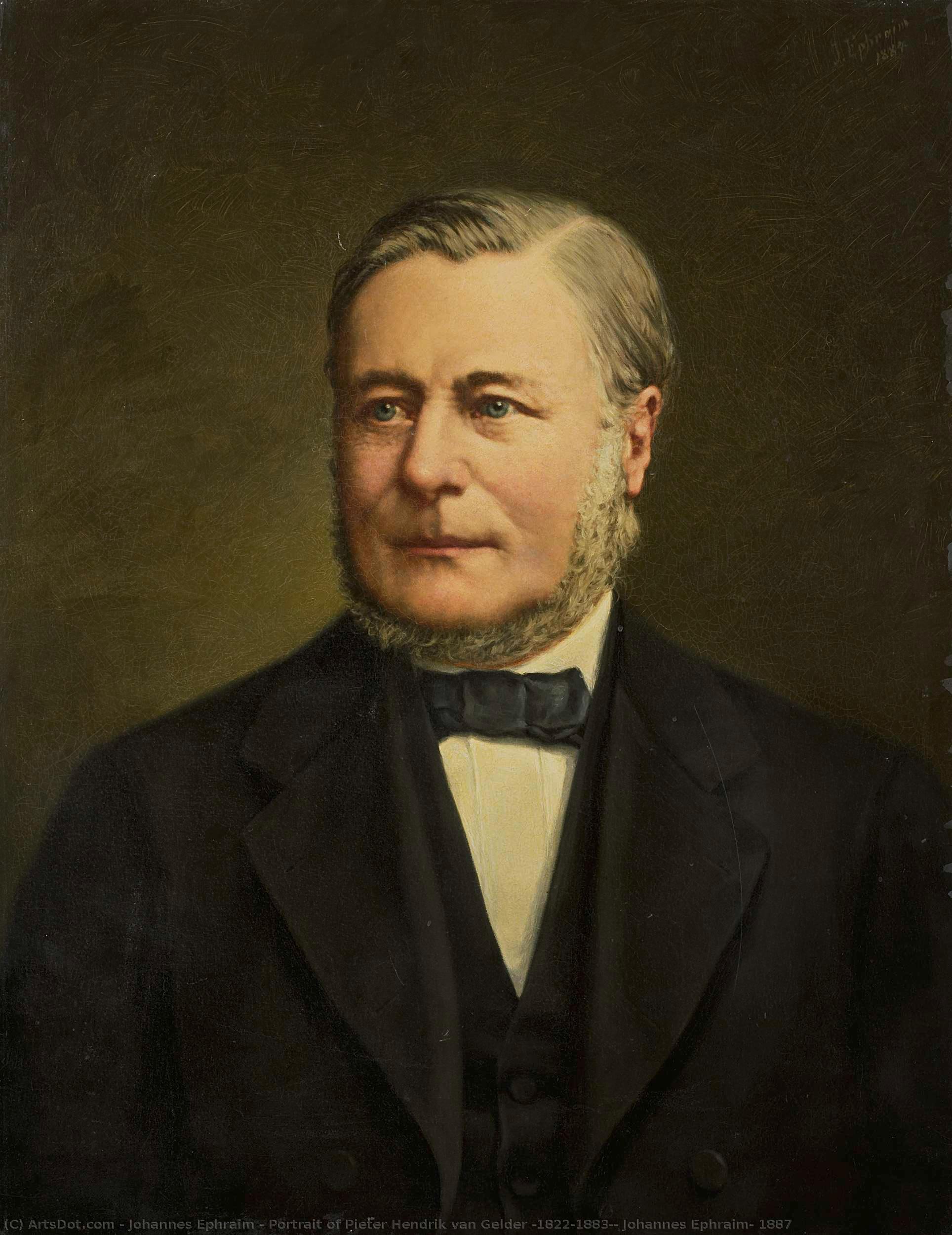
Portrait of Pieter Hendrik van Gelder (1822-1883), Johannes Ephraim, 1887
 Academic/Neoclassical
 1887
1887 67.0 x 52.0 cm
 Weiterlesen
Handgefertigte Ölreproduktion
Handgemaltes Ölgemälde auf Leinwand in Ihrer Wunschgröße und mit Rahmen, auf Bestellung von unseren Künstlern angefertigt. ( Zu Druck wechseln Zum digitalen Bild wechseln)




P118B $10

P118H $10

P118W $10

P438Z $10

P508JH $12

P508YH $12

P805H $10

P805Z $10

P919BZ $10

P919G $10

P919XJ $10

P959ZH $10

P968JZ $12

W106C $8

W218G $10

W218JH $8

W218Y $10

W307PJ $10

W316G $10

W316PJ $8

W316Y $10

W398PJ $8

W4111J $10

W500HY $15

W500JH $15

W692G $12

W849H $8

W940BG $15

W953PJ $8




Wählen Sie aus unseren vordefinierten Formaten, die den ursprünglichen Proportionen des Kunstwerks entsprechen.

Sie können Ihre eigenen Maße eingeben, um einen bestimmten Rahmen oder Platz auszufüllen. Wenn die gewählte Größe nicht den Proportionen des Originalbildes entspricht, werden wir das Kunstwerk entweder beschneiden oder das Gemälde durch zusätzliche, handgemalte Elemente erweitern. Ein digitales Mockup wird Ihnen zur Genehmigung zugesandt, bevor die Produktion beginnt.
Bitte beachten Sie, dass die Bildschirmvorschau nicht die tatsächliche Beschneidung oder Erweiterung widerspiegelt. Nur das Mockup zeigt die endgültige Komposition exakt an.
Obwohl Sondermaße verfügbar sind, empfehlen wir, eine Größe aus der vordefinierten Liste zu wählen, um die ursprünglichen Proportionen beizubehalten.
Nach der Bestellung wird das ArtsDot.com-Team dem Kunden Anweisungen per E-Mail zusenden und eine Mockup-Vorschau bereitstellen.
Weltweiter Versand () in nur 3 bis 4 Wochen statt der üblichen 5 Wochen. (9 September). Keine Kompromisse bei der Qualität.

Kostenloser weltweiter Expressversand

Hochwertige Leinenleinwand

Umfassender Versicherungsschutz beim Versand

Zollgebühren-Rückerstattungsgarantie

Garantie für exakte Farbtreue

100-Tage-Rückgaberecht (nur bei Mängeln)

100% Geld-zurück-Garantie

Mengenrabatt verfügbar
 Die Glasoption ist nur für Größen unter 110 cm verfügbar.

Portrait of Pieter Hendrik van Gelder (1822-1883), Johannes Ephraim, 1887
Art der Reproduktion
Format der Reproduktion
-


Gesamtpreis
$ 263
Ähnliche Kunstwerke
Über den Künstler
A Master of Dignified Portraiture: The World of Johannes Ephraim
Johannes Ephraim, a name perhaps less celebrated than some of his contemporaries, nevertheless occupies a significant place in the tradition of 19th-century portrait painting. While biographical details remain scarce – he is currently listed as living, with limited publicly available information regarding his early life and formal training – his surviving works speak volumes about his skill and sensitivity as an artist. Ephraim’s oeuvre centers primarily on portraits, executed with a remarkable degree of technical precision and psychological insight. He demonstrates a particular talent for capturing the character and status of his sitters, imbuing each canvas with a sense of quiet dignity and refined presence.Technical Prowess and Artistic Style
Ephraim’s style is characterized by meticulous realism, reminiscent of the Dutch Masters who preceded him. He clearly possessed an exceptional ability to render textures – from the sheen of fabric to the subtle nuances of skin tone – with astonishing accuracy. His brushwork, while detailed, avoids excessive fussiness; instead, it serves to build form and create a convincing illusion of three-dimensionality. The portrait of Pieter Hendrik van Gelder (1887) exemplifies this approach beautifully. Van Gelder’s gaze is direct and engaging, his features carefully modeled to convey intelligence and gravitas. The composition focuses intently on the bust, eliminating distracting background elements and emphasizing the sitter's personality. This focus on the individual, combined with a restrained palette and masterful handling of light and shadow, defines Ephraim’s artistic signature.Commissioned Works and Patronage
The available evidence suggests that Ephraim primarily worked on commission, catering to a clientele who valued realistic and dignified representations of themselves or their loved ones. The portrait of Van Gelder is indicative of this practice; it's likely he was sought after by individuals wishing to preserve their likeness for posterity – or perhaps to commemorate a position of social standing. While the specifics of his patronage network remain unknown, the quality of his work suggests connections with affluent and discerning members of society. The fact that ArtsDot.com offers hand-painted reproductions of his pieces indicates a continued appreciation for his skill among art enthusiasts today.Historical Context and Legacy
Ephraim’s career unfolded during a period of significant artistic change, bridging the gap between Neoclassicism and emerging Impressionistic styles. While he did not fully embrace the radical innovations of the latter movement, his commitment to realism and psychological depth aligns with broader trends in 19th-century portraiture. Artists like Ingres and Courbet were redefining the genre during this time, emphasizing both accurate representation and social commentary. Though Ephraim’s work doesn't exhibit overt political or ideological statements, it reflects a similar desire to capture the essence of modern life – specifically, the individuals who shaped it. His legacy lies in his ability to create portraits that are not merely likenesses but enduring testaments to human character and dignity.Further Exploration
- Portraiture as Historical Record: Ephraim’s work provides valuable insights into the social conventions and aesthetic preferences of the late 19th century.
- The Dutch Influence: Further research into his potential training and artistic influences may reveal connections to earlier traditions of Dutch realism.
- Commissioned Art & Society: Exploring the lives of Ephraim’s sitters could shed light on the broader social context in which his art was created.
Ähnliche Artikel
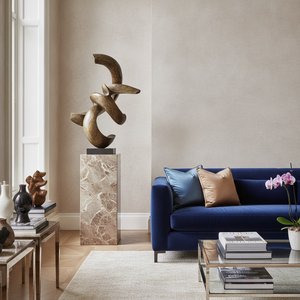
The Enduring Form: Sculpture Across History, Technique & Emotional Resonance
Explore the rich history of sculpture with ArtsDot. Discover key techniques, influential artists & investment potential for discerning collectors. Expert insights into valuing and collecting timeless masterpieces.

Bronze-Meisterwerke: Die 10 Skulpturen, die Kunstgeschichte schrieben | ArtsDot
Entdecken Sie die 10 legendärsten Bronze Skulpturen der Kunstgeschichte! Von Michelangelo bis Rodin – erfahren Sie die Geschichten hinter den Meisterwerken und lassen Sie sich von Wanddeko-Ideen inspirieren. Hochwertige Kunstdrucke auf ArtsDot.com.

Die 10 Meisterwerke des Goldenen Zeitalters der niederländischen Malerei |
Entdecken Sie die 10 Meisterwerke des Niederländischen Goldenen Zeitalters! Von Rembrandt bis Vermeer – erleben Sie Kunstgeschichte, Techniken & Emotionen. Hochwertige Gemäldereproduktionen für Ihr Zuhause auf .

The Enduring Form: Exploring Themes & Techniques in Sculpture Across Historical Periods
Explore the rich history of sculpture from ancient masterpieces to contemporary innovations. Discover key techniques, influential artists & investment potential for discerning art collectors.

Die 10 legendärsten Bronzestatuen: Meisterwerke, die Kunstgeschichte schrieben | ArtsDot
Entdecken Sie die 10 legendärsten Bronzestatuen der Kunstgeschichte! Von Rodin bis Michelangelo – erfahren Sie die Geschichten hinter ikonischen Skulpturen und finden Sie hochwertige Reproduktionen für Ihr Zuhause. Jetzt bei ArtsDot entdecken!