

 Vorschau anzeigen
 Versenden
 Teilen
 Details anzeigen

 Herunterladen
 Ähnliche Objekte
 Röntgenaufnahme
 Diashow
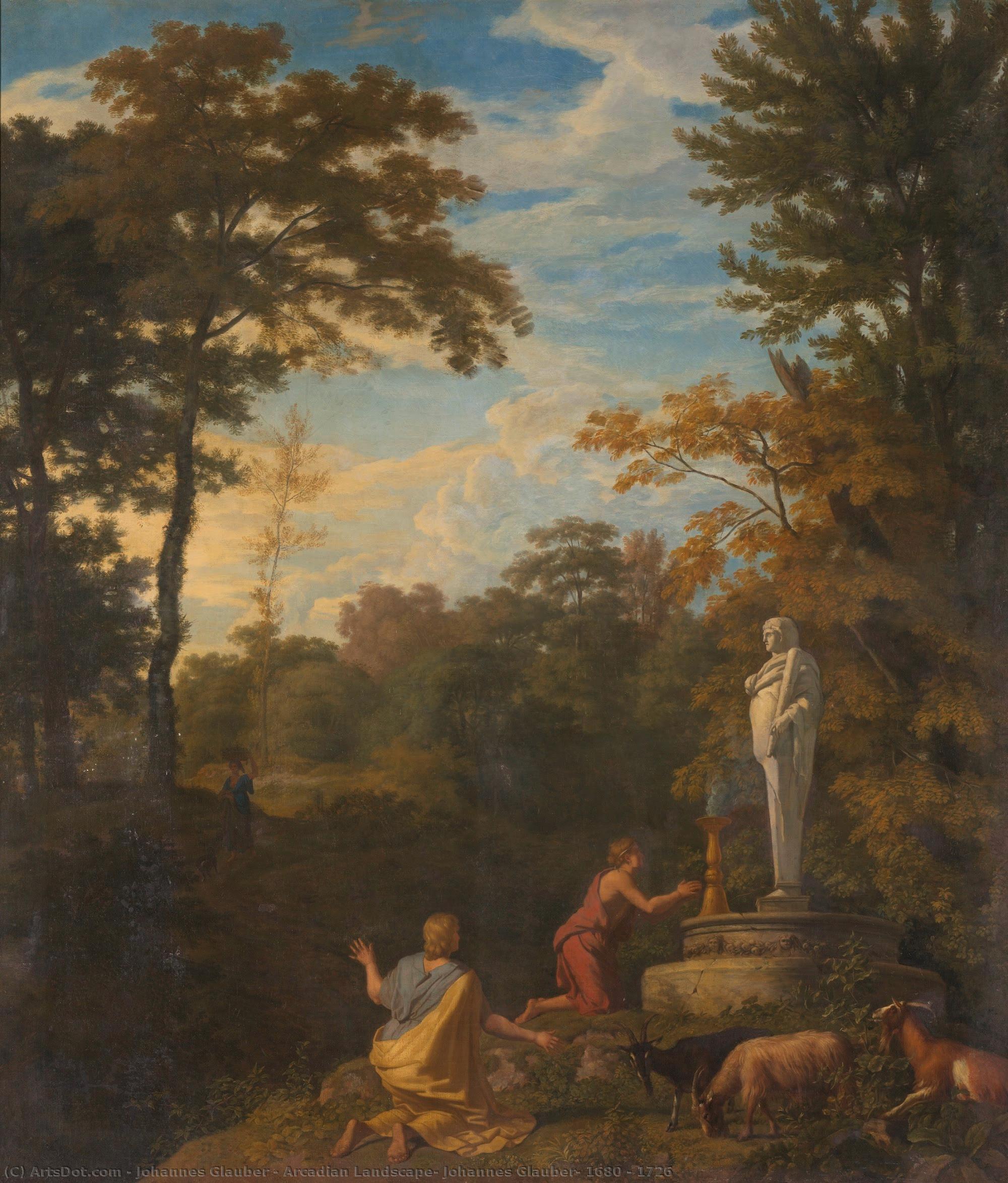
Arcadian Landscape, Johannes Glauber, 1680 - 1726
 1726
1726 180.0 x 156.0 cm
 Weiterlesen
Handgefertigte Ölreproduktion
Handgemaltes Ölgemälde auf Leinwand in Ihrer Wunschgröße und mit Rahmen, auf Bestellung von unseren Künstlern angefertigt. ( Druck bestellen Bild kaufen)




































Wählen Sie aus unseren vordefinierten Formaten, die den ursprünglichen Proportionen des Kunstwerks entsprechen.

Sie können Ihre eigenen Maße eingeben, um einen bestimmten Rahmen oder Platz auszufüllen. Wenn die gewählte Größe nicht den Proportionen des Originalbildes entspricht, werden wir das Kunstwerk entweder beschneiden oder das Gemälde durch zusätzliche, handgemalte Elemente erweitern. Ein digitales Mockup wird Ihnen zur Genehmigung zugesandt, bevor die Produktion beginnt.
Bitte beachten Sie, dass die Bildschirmvorschau nicht die tatsächliche Beschneidung oder Erweiterung widerspiegelt. Nur das Mockup zeigt die endgültige Komposition exakt an.
Obwohl Sondermaße verfügbar sind, empfehlen wir, eine Größe aus der vordefinierten Liste zu wählen, um die ursprünglichen Proportionen beizubehalten.
Nach der Bestellung wird das ArtsDot.com-Team dem Kunden Anweisungen per E-Mail zusenden und eine Mockup-Vorschau bereitstellen.
Weltweiter Versand () in nur 3 bis 4 Wochen statt der üblichen 5 Wochen. (28 August). Keine Kompromisse bei der Qualität.

Kostenloser weltweiter Expressversand

Hochwertige Leinenleinwand

Umfassender Versicherungsschutz beim Versand

Zollgebühren-Rückerstattungsgarantie

Garantie für exakte Farbtreue

60 Tage Rückgaberecht (nur bei Mängeln)

100% Geld-zurück-Garantie

Mengenrabatt verfügbar
 Die Glasoption ist nur für Größen unter 110 cm verfügbar.

Arcadian Landscape, Johannes Glauber, 1680 - 1726
Art der Reproduktion
Format der Reproduktion
-


Gesamtpreis
$ 263
Ähnliche Kunstwerke









Über den Künstler
Johannes Glauber: A Quiet Master of Italianate Landscapes
Johannes Glauber (1646, Utrecht – c. 1726, schoonhoven) stands as a testament to the understated elegance and meticulous craftsmanship characteristic of the Dutch Golden Age. Unlike some contemporaries who sought fame through grand commissions or dramatic narratives, Glauber carved out a distinguished career primarily focused on producing serene Italianate landscapes—a genre that captured the spirit of its time and cemented his reputation as one of Utrecht’s most respected painters. Early Life & Training: Born in Utrecht, Glauber's artistic inclinations defied expectations set by his father, Johann Rudolph Glauber, a chemist who prioritized scientific pursuits over artistic endeavors. Despite familial reservations, Glauber pursued formal training under Nicolaes Berchem, a leading figure in Utrecht’s artistic milieu and known for his ambitious allegorical paintings. This formative period instilled in him a foundational understanding of Baroque aesthetics and compositional principles. Berchem's influence shaped Glauber's approach to color palettes and dramatic lighting—elements that would become hallmarks of his distinctive style. Collaboration & Apprenticeship: Glauber’s artistic journey continued alongside Gerrit van Uylenburgh, fostering invaluable experience in replicating Italianate landscapes—a trend that rapidly gained popularity amongst affluent collectors in Amsterdam. The partnership honed his observational skills and refined his technique, allowing him to faithfully reproduce the grandeur of Venetian villas and Tuscan hills. Van Uylenburgh's guidance ensured Glauber mastered the subtleties of perspective and tonal gradation—essential components for conveying depth and realism within his landscapes. Travel & Parisian Influence: Following his father’s death, Glauber embarked on a transformative voyage with his brother Johannes Gottlieb Glauber and fellow artist Jan van Doren by boat to Paris. This exposure to the vibrant artistic culture of France broadened Glauber's horizons and subtly influenced his style—introducing elements of Rococo delicacy and emphasizing atmospheric perspective. He absorbed inspiration from artists like François Boucher and Jean Honoré Fragonard, whose works championed a lighter palette and playful compositions—a stylistic departure from the more solemn grandeur of Utrecht’s Baroque tradition. Notable Works & Style: Glauber’s oeuvre comprises numerous landscapes, predominantly executed in oil on canvas, characterized by meticulous detail and a masterful command of tonal gradation. His paintings often depict idyllic scenes bathed in soft light, conveying a profound sense of tranquility and harmony. Recurring motifs include cypress trees, villas nestled amongst rolling hills, and shimmering lakes reflecting the azure sky—elements that exemplify the idealized vision of nature prevalent during his era. Glauber’s landscapes are renowned for their luminous quality and subtle gradations of color—a testament to his dedication to capturing the nuances of natural illumination. His works reside in museums across Europe, including the British Museum and Stiftskirche St. Johann, demonstrating the enduring appeal of his serene compositions and cementing his place as a pivotal figure in Dutch Baroque painting. Legacy & Recognition: Glauber’s contribution to art history lies not in grand pronouncements or flamboyant displays but rather in the quiet beauty of his landscapes—a reflection of a time when artistic excellence was valued for its subtlety and faithfulness to observation. Johannes Glauber’s legacy continues to inspire artists today, reminding us that true artistry resides in capturing the essence of a moment with unwavering precision and profound sensitivity.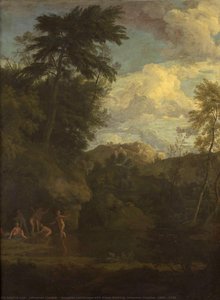
Johannes Glauber
1646 - 1726 , Niederlande
Kurzinfos
- Artistic Movement Or Style: Goldenes Zeitalter
- Artists Or Movements Influenced By This Artist: Italianate Landschaftsbild
- Artists Who Influenced This Artist: Nicolaes Berchem
- Date Of Birth: Utrecht, Niederlande (1646)
- Date Of Death: c. 1726
- Full Name: Johannes Glauber
- Nationality: Niederländisch
- Notable Artworks: ['Arcadian Landschaft mit Diana Baden']
- Place Of Birth: Utrecht

