 Vorschau anzeigen
 Versenden
 Teilen
 Details anzeigen

 Herunterladen
 Ähnliche Objekte
 Röntgenaufnahme
 Diashow
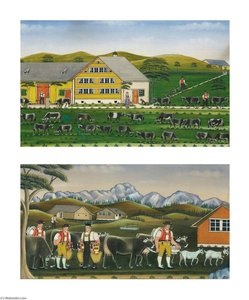
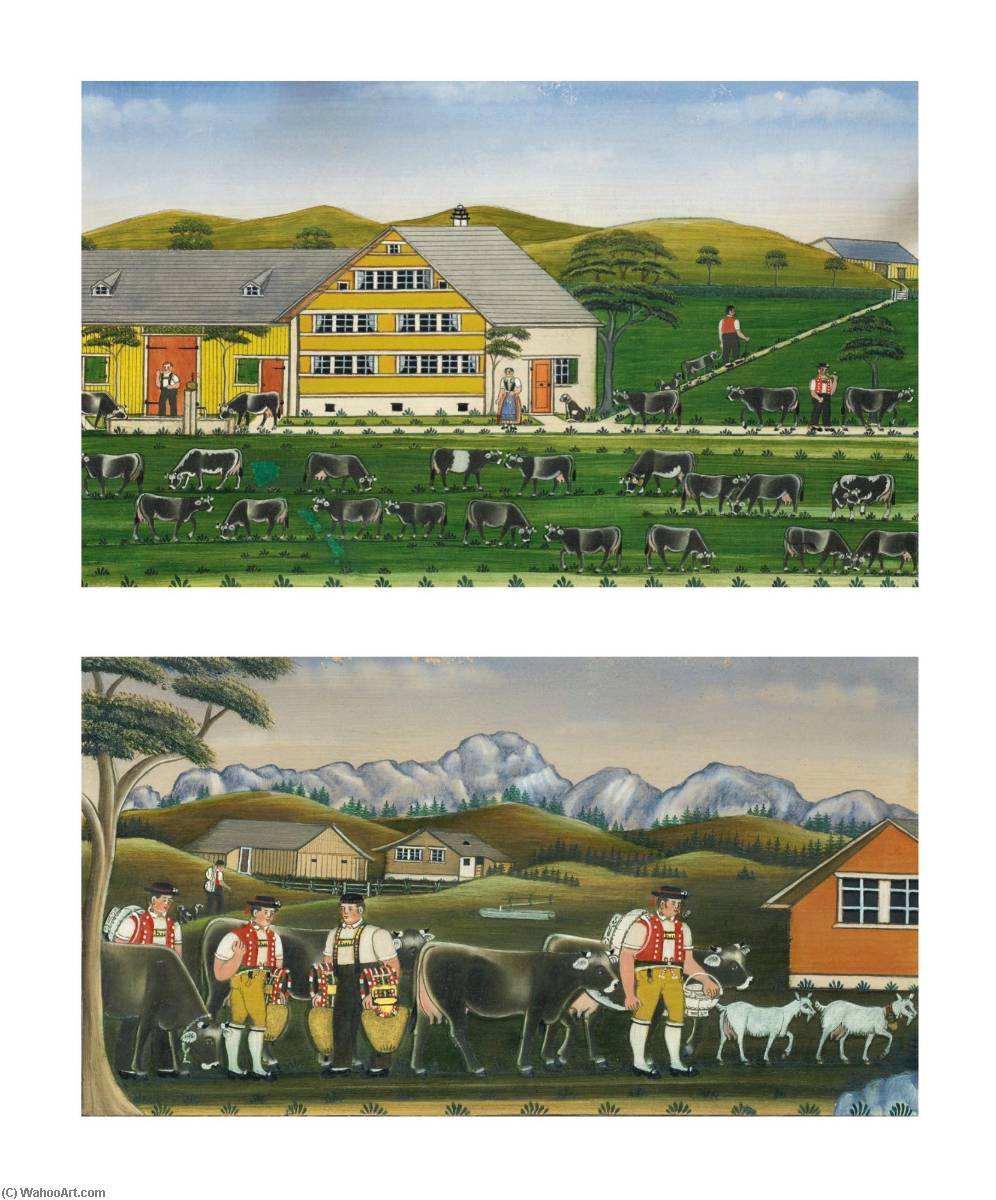
Bauernhof, 1895 Sennen beim SchellenschÖtten , 1903
 Weiterlesen
Erwerben Sie ein hochauflösendes, optimiertes digitales Bild, das der Online-Vorschau weit überlegen ist.
Jede Datei wird von unseren hauseigenen Spezialisten mit modernsten Werkzeugen und fachmännischer manueller Retusche sorgfältig vorbereitet. Wir stellen sicher, dass jedes Bild eine außergewöhnliche Klarheit, präzise Farbgenauigkeit und feinste Details aufweist.
Die endgültige Datei wird innerhalb von 72 Stunden per E-Mail zugestellt und ist für den sofortigen Einsatz in professionellen, redaktionellen und Druckumgebungen optimiert. Es handelt sich um dieselbe Qualität, der führende Designstudios, Verlage und Galerien vertrauen.
Digitales Bild
Laden Sie eine hochauflösende Datei für die persönliche Präsentation, den Druck und kreative Projekte herunter. ( Druck bestellen Handgemalte Reproduktion bestellen)
In jeder Bestellung digitaler Bilder enthalten
Professionelle digitale Bereitstellung, garantiert
Wenn Sie sich für ArtsDot.com entscheiden, erhalten Sie nicht nur ein Bild – Sie erhalten ein professionell aufbereitetes digitales Kunstwerk, das mit höchster Präzision erstellt und durch eine Zufriedenheitsgarantie abgesichert wird. Hier ist alles, was automatisch mit Ihrer Bestellung geliefert wird:

Schnelle E-Mail-Zustellung
Ihre hochauflösende digitale Bilddatei wird Ihnen innerhalb von 72 Stunden nach der Bestellung per E-Mail zugestellt – bereit zur sofortigen Verwendung.

KI-optimierte digitale Datei
Ihre Kunstwerke werden professionell mithilfe fortschrittlicher KI-Tools und manueller Bearbeitung optimiert, um maximale Detailtreue, Klarheit und Farbgenauigkeit zu gewährleisten.

Lebenslanger kostenloser Neudruckservice
Datei versehentlich gelöscht oder verloren? Keine Sorge – wir senden sie Ihnen jederzeit kostenlos erneut zu.

Keine Einfuhrgebühren – jemals
Genießen Sie Ihr Kunstwerk sofort ohne Zollgebühren, Einfuhrabgaben oder Versandkosten – digitale Downloads sind immer steuerfrei.

Garantierte Farbtreue
Wir garantieren, dass Ihr digitales Bild mithilfe professioneller Werkzeuge und Farbmanagement die Originalfarben so präzise wie möglich wiedergibt.

60-Tage-Zufriedenheitsgarantie
Sollten Sie mit Ihrem digitalen Bild nicht zufrieden sein, werden wir es überarbeiten oder Ihnen innerhalb von 60 Tagen 100% erstatten – ohne Wenn und Aber.

100% Geld-zurück-Garantie
Nicht zufrieden? Erhalten Sie innerhalb von 60 Tagen nach Erhalt Ihrer digitalen Datei eine vollständige Rückerstattung – ohne Angabe von Gründen.

Rabatte bei Großbestellungen
3 Bilder kaufen, 10% sparen – 5 Bilder kaufen, 15% sparen – Ab 10 Bildern 20% sparen. Ideal für kreative Projekte, Galerien und Agenturen.
Ähnliche Kunstwerke









Biografie des Künstlers
The Quiet Resonance of Rural Life: Introducing Johannes Zülle
Johannes Zülle, a name perhaps less celebrated than some of his contemporaries, nevertheless occupies a significant and deeply affecting space within the landscape tradition of early 20th-century German art. His paintings are not grand statements or revolutionary departures; rather, they are quiet meditations on the beauty and enduring spirit of the countryside, imbued with a gentle lyricism that speaks to the heart. Born in an unspecified location – biographical details surrounding Zülle remain somewhat elusive, adding to the mystique surrounding his work – he dedicated his life to capturing the essence of rural Germany, a world rapidly changing under the pressures of industrialization and modernization. While precise dates for his birth and death are not widely available, it is understood that he was actively painting during the first half of the 20th century, leaving behind a body of work characterized by its sensitivity to light, atmosphere, and the rhythms of nature.Early Influences and Artistic Development
Zülle’s artistic journey appears rooted in the traditions of Impressionism, though he never fully embraced the movement's more radical aspects. Instead, he distilled its principles – the emphasis on capturing fleeting moments of light and color, the broken brushwork, and the focus on direct observation – into a uniquely personal style. It’s likely that his early training involved exposure to the works of German Impressionists like Max Liebermann and Lovis Corinth, artists who similarly sought to depict contemporary life with honesty and immediacy. However, Zülle's palette is often softer, more muted than theirs, favoring earth tones and subtle gradations of color that evoke a sense of tranquility and nostalgia.- A Focus on Pastoral Scenes: His early works frequently depicted scenes of village life – farmers tending their fields, children playing in meadows, livestock grazing peacefully. These paintings are not merely representations of rural existence; they are imbued with a deep affection for the land and its inhabitants.
- The Importance of Light and Atmosphere: Zülle was particularly adept at capturing the changing qualities of light throughout the day and across the seasons. His skies are often luminous, his fields bathed in golden sunlight or shrouded in atmospheric haze.
- A Rejection of Urban Subject Matter: Unlike many of his contemporaries who were drawn to the dynamism of city life, Zülle remained steadfastly committed to depicting the countryside, viewing it as a source of spiritual renewal and artistic inspiration.