

 Vorschau anzeigen
 Versenden
 Teilen
 Details anzeigen

 Herunterladen
 Ähnliche Objekte
 Röntgenaufnahme
 Diashow
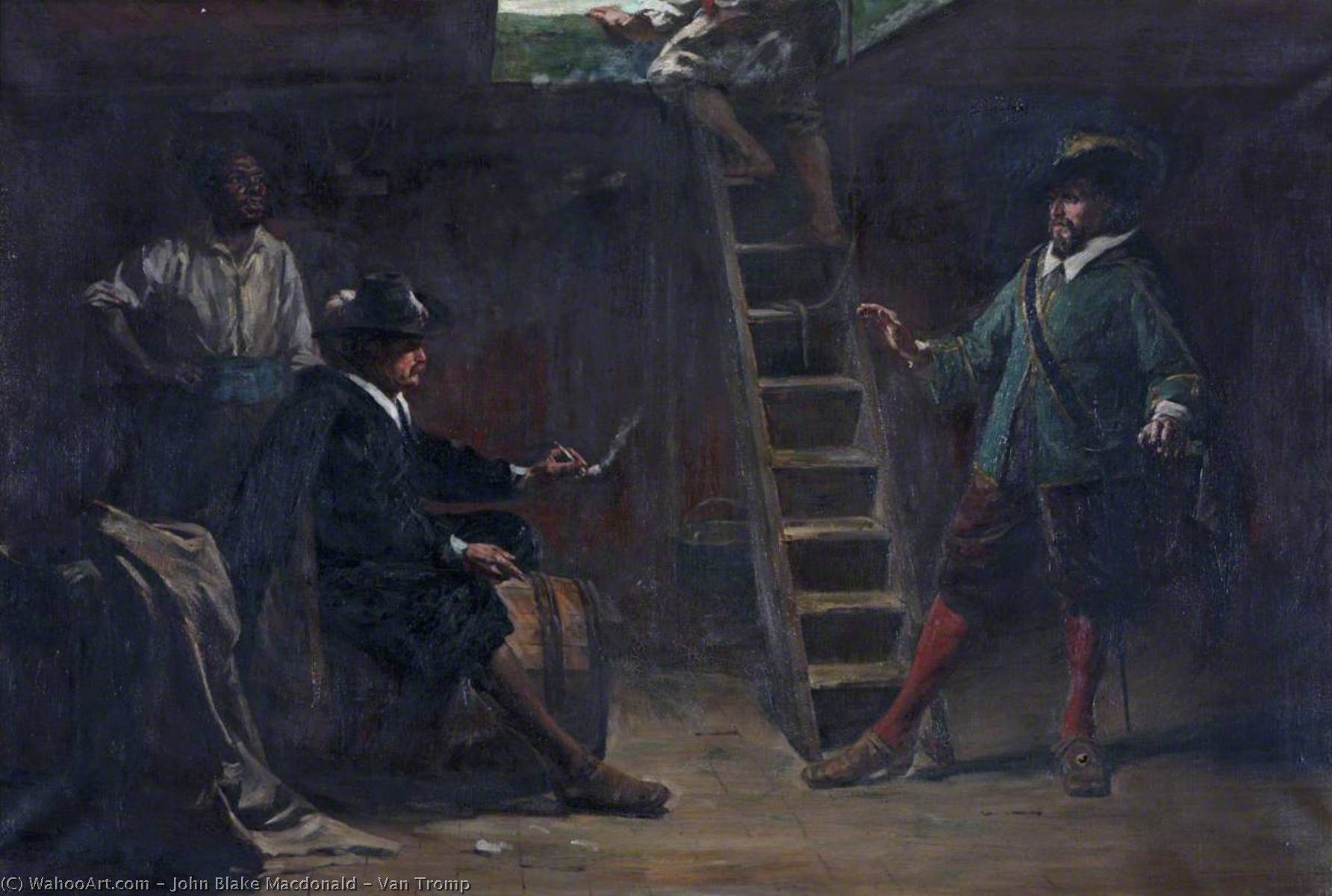
Van Tromp
 Contemporary Realism
 81.0 x 122.0 cm
 Hospitalfield Arts
 Weiterlesen
Handgefertigte Ölreproduktion
Handgemaltes Ölgemälde auf Leinwand in Ihrer Wunschgröße und mit Rahmen, auf Bestellung von unseren Künstlern angefertigt. ( Druck bestellen Bild kaufen)




































Wählen Sie aus unseren vordefinierten Formaten, die den ursprünglichen Proportionen des Kunstwerks entsprechen.

Sie können Ihre eigenen Maße eingeben, um einen bestimmten Rahmen oder Platz auszufüllen. Wenn die gewählte Größe nicht den Proportionen des Originalbildes entspricht, werden wir das Kunstwerk entweder beschneiden oder das Gemälde durch zusätzliche, handgemalte Elemente erweitern. Ein digitales Mockup wird Ihnen zur Genehmigung zugesandt, bevor die Produktion beginnt.
Bitte beachten Sie, dass die Bildschirmvorschau nicht die tatsächliche Beschneidung oder Erweiterung widerspiegelt. Nur das Mockup zeigt die endgültige Komposition exakt an.
Obwohl Sondermaße verfügbar sind, empfehlen wir, eine Größe aus der vordefinierten Liste zu wählen, um die ursprünglichen Proportionen beizubehalten.
Nach der Bestellung wird das ArtsDot.com-Team dem Kunden Anweisungen per E-Mail zusenden und eine Mockup-Vorschau bereitstellen.
Weltweiter Versand () in nur 3 bis 4 Wochen statt der üblichen 5 Wochen. (22 August). Keine Kompromisse bei der Qualität.

Kostenloser weltweiter Expressversand

Hochwertige Leinenleinwand

Umfassender Versicherungsschutz beim Versand

Zollgebühren-Rückerstattungsgarantie

Garantie für exakte Farbtreue

60 Tage Rückgaberecht (nur bei Mängeln)

100% Geld-zurück-Garantie

Mengenrabatt verfügbar
 Die Glasoption ist nur für Größen unter 110 cm verfügbar.

Van Tromp
Art der Reproduktion
Format der Reproduktion
-


Gesamtpreis
$ 263
Ähnliche Kunstwerke
Über den Künstler
The Soul of the Highlands: The Artistry of John Blake MacDonald
In the sweeping vistas of the Scottish Highlands, where mist clings to rugged peaks and history whispers through ancient glens, lies the true essence of John Blake MacDonald. Born in Edinburgh in 1829, MacDonald emerged as a pivotal figure in nineteenth-century Scottish art, a painter whose brush captured not merely the topography of his homeland, but its very soul. His artistic journey was shaped by the profound Victorian fascination with folklore and the picturesque ideal, a period when the romanticized past held a powerful grip on the collective imagination. Through his work, the legends of the Jacobite era were breathed into life, transforming historical memory into enduring visual poetry.
MacDonald’s formal training provided him with the technical rigor necessary to execute such ambitious visions. After receiving an education at Eton College, he pursued advanced studies at the Glasgow School of Art, where he honed his mastery of drawing and composition. This academic foundation allowed him to bridge the gap between meticulous realism and the emotive power of the Romantic tradition. Influenced by the atmospheric brilliance of masters like Turner and Constable, MacDonald learned to prioritize emotional resonance over strict topographical accuracy, seeking instead to capture the ephemeral quality of light as it dances across the Isle of Skye and the dramatic shadows of the northern mountains.
Narrative Grandeur and Historical Resonance
While his landscapes are celebrated for their breathtaking beauty, MacDonald’s true distinction lies in his ability to weave historical narrative into the fabric of the natural world. He was a master of genre painting, specializing in scenes that reconstructed the pivotal, often tragic, moments of the Stuart dynasty’s struggle for sovereignty. His canvases serve as windows into the Jacobite heart, portraying the tension, heroism, and sorrow of a lost cause. In works such as “The Piper” and “The Gathering of the Clans,” he captures the communal spirit and the looming shadows of conflict that defined the era.
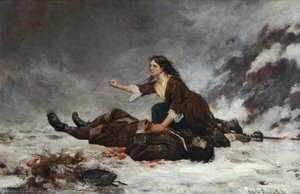
Perhaps his most poignant achievement is found in his depictions of historical tragedy, where the landscape itself becomes a participant in the human drama. In his masterpiece, “Glencoe, 1692,” MacDonald presents a haunting tableau of loss. The painting depicts a woman standing amidst fallen soldiers in the snow, her gestures conveying a profound sense of grief and spiritual searching. Here, the rugged terrain is not merely a backdrop but a silent witness to the carnage of war. This ability to imbue historical events with deep human empathy is what elevates his work from mere illustration to high art.
Technique, Symbolism, and Lasting Legacy
The technical brilliance of MacDonald’s oeuvre is found in his sophisticated use of light and texture. He was a skilled practitioner of glazing techniques, meticulously layering translucent washes of color over underlying pigments to achieve a luminous, ethereal glow. This method allowed him to convey the heavy moisture of the Scottish air and the subtle shifts in atmospheric depth. His brushwork, while precise, possessed a textural richness that captured the ruggedness of the heather-clad hills and the cold, stark reality of winter landscapes.
Beyond the visual, MacDonald’s work is steeped in symbolism, reflecting the rich tapestry of Scottish mythology and cultural heritage. Every element within his compositions—from the placement of a clan banner to the specific light hitting a mountain pass—serves to reinforce themes of identity, loss, and romantic longing. As a member of the Royal Scottish Academy, his contributions helped solidify the importance of historical genre painting within the Scottish canon. Today, the legacy of John Blake MacDonald lives on through his ability to evoke the enduring spirit of the Highlands, ensuring that the legends of the past remain vibrantly alive in the modern consciousness.
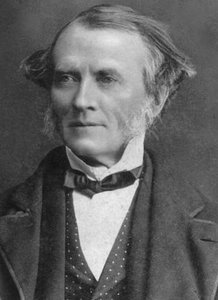
john blake macdonald
1829 - 1901
Kurzinfos
- Artistic Movement Or Style: Romantic Landscape
- Artists Who Influenced This Artist:
- William Wordsworth
- Samuel Palmer
- Date Of Birth: 1829
- Date Of Death: 1901
- Full Name: John Blake MacDonald
- Nationality: Scottish
- Notable Artworks:
- The Piper
- Glen Coe
- The Highland Gathering
- Place Of Birth: Glasgow, Scotland
Ähnliche Artikel

Versand und Rückgabe
APS bietet weltweiten Kunstversand auf Expertenniveau mit museumsgerechter Sorgfalt, vollständiger Sendungsverfolgung und einer 30-tägigen Geld-zurück-Garantie. Von Zollabwicklung bis Priority Production vertrauen Sie auf transparenten Service, sichere Verpackung und zuverlässige Lieferung für Sammler, Designer und Galerien.

John Singer Sargent: Die 25 Meisterwerke des Porträts – Kunst für Ihr Zuhause | ArtsDot
Entdecken Sie die 25 Meisterwerke von John Singer Sargent! Tauchen Sie ein in die Welt der Porträtmalerei, des Impressionismus & der Belle Époque. Hochwertige Kunstdrucke & Reproduktionen für Ihr Zuhause – jetzt auf ArtsDot.com!

John Constable: Die 25 Meisterwerke des englischen Landschaftsgenies – ArtsDot
Entdecken Sie die 25 Meisterwerke von John Constable! Erleben Sie englische Landschaftsmalerei vom Hay Wain bis zur Stour Valley. Hochwertige Reproduktionen & Kunst für Ihr Zuhause auf ArtsDot.com.
Meisterwerke des 19. Jahrhunderts: Kunst für Ihr Zuhause | ArtsDot
Entdecken Sie die 10 bedeutendsten Kunstwerke des 19. Jahrhunderts! Von Impressionismus bis Realismus – erleben Sie die Geschichten berühmter Maler und ihre Meisterwerke. Hochwertige Reproduktionen für Ihr Zuhause auf ArtsDot.com.
John Frederick Lewis: Orientalismus, Detail und Genremalerei im 19. Jahrhundert der britischen Kunst
Entdecken Sie das faszinierende Werk von John Frederick Lewis! Wir analysieren seinen Orientalismus, Detailreichtum und seine Genremalerei im Kontext des 19. Jahrhunderts. Expertenwissen zur britischen Kunstgeschichte.

