

 Vorschau anzeigen
 Versenden
 Teilen
 Details anzeigen

 Herunterladen
 Ähnliche Objekte
 Röntgenaufnahme
 Diashow
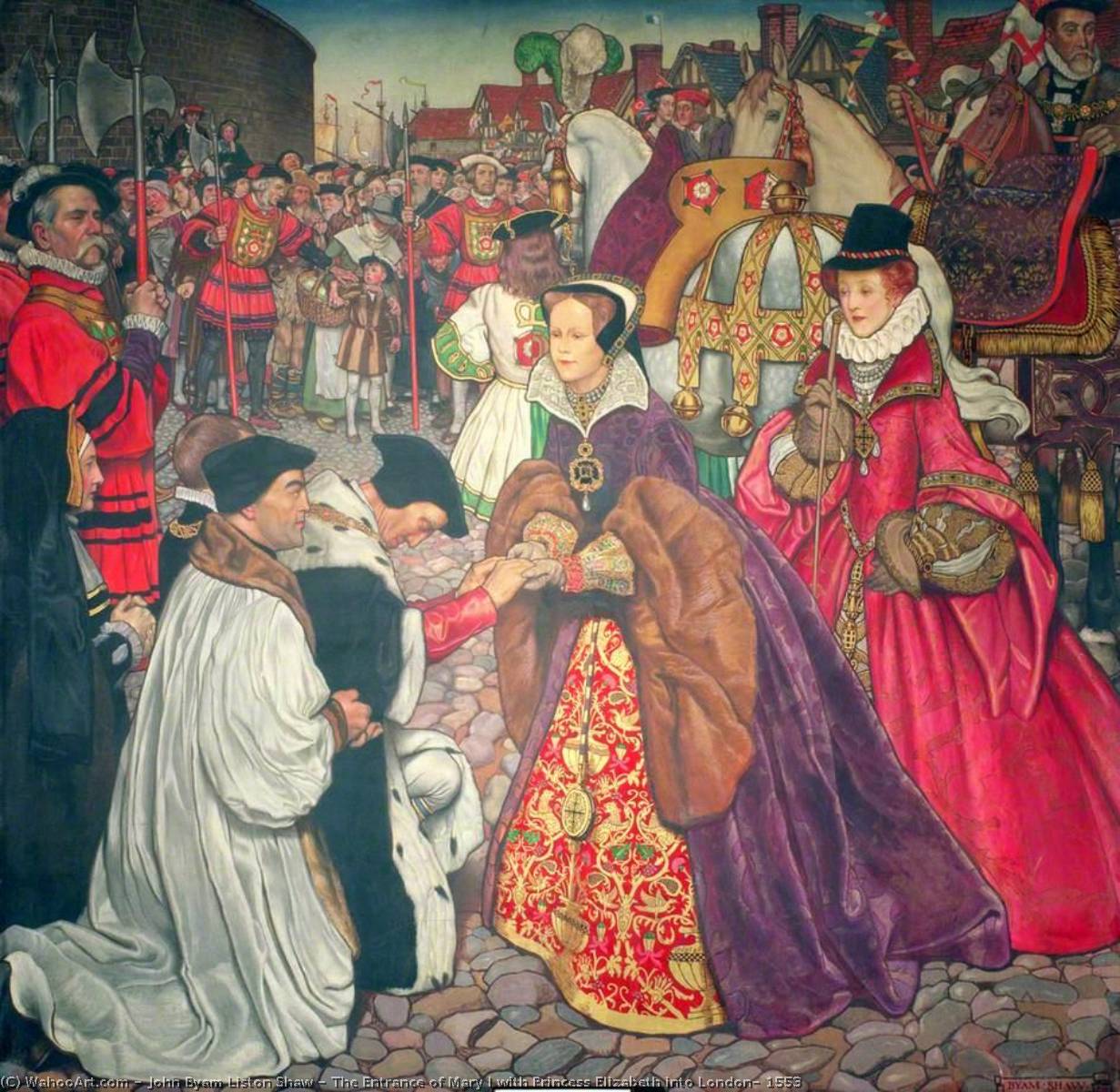
The Entrance of Mary I with Princess Elizabeth into London, 1553


 Weiterlesen
Erwerben Sie ein hochauflösendes, optimiertes digitales Bild, das der Online-Vorschau weit überlegen ist.
Jede Datei wird von unseren hauseigenen Spezialisten mit modernsten Werkzeugen und fachmännischer manueller Retusche sorgfältig vorbereitet. Wir stellen sicher, dass jedes Bild eine außergewöhnliche Klarheit, präzise Farbgenauigkeit und feinste Details aufweist.
Die endgültige Datei wird innerhalb von 72 Stunden per E-Mail zugestellt und ist für den sofortigen Einsatz in professionellen, redaktionellen und Druckumgebungen optimiert. Es handelt sich um dieselbe Qualität, der führende Designstudios, Verlage und Galerien vertrauen.
Digitales Bild
Laden Sie eine hochauflösende Datei für die persönliche Präsentation, den Druck und kreative Projekte herunter. ( Druck bestellen Handgemalte Reproduktion bestellen)
In jeder Bestellung digitaler Bilder enthalten
Professionelle digitale Bereitstellung, garantiert
Wenn Sie sich für ArtsDot.com entscheiden, erhalten Sie nicht nur ein Bild – Sie erhalten ein professionell aufbereitetes digitales Kunstwerk, das mit höchster Präzision erstellt und durch eine Zufriedenheitsgarantie abgesichert wird. Hier ist alles, was automatisch mit Ihrer Bestellung geliefert wird:

Schnelle E-Mail-Zustellung
Ihre hochauflösende digitale Bilddatei wird Ihnen innerhalb von 72 Stunden nach der Bestellung per E-Mail zugestellt – bereit zur sofortigen Verwendung.

KI-optimierte digitale Datei
Ihre Kunstwerke werden professionell mithilfe fortschrittlicher KI-Tools und manueller Bearbeitung optimiert, um maximale Detailtreue, Klarheit und Farbgenauigkeit zu gewährleisten.

Lebenslanger kostenloser Neudruckservice
Datei versehentlich gelöscht oder verloren? Keine Sorge – wir senden sie Ihnen jederzeit kostenlos erneut zu.

Keine Einfuhrgebühren – jemals
Genießen Sie Ihr Kunstwerk sofort ohne Zollgebühren, Einfuhrabgaben oder Versandkosten – digitale Downloads sind immer steuerfrei.

Garantierte Farbtreue
Wir garantieren, dass Ihr digitales Bild mithilfe professioneller Werkzeuge und Farbmanagement die Originalfarben so präzise wie möglich wiedergibt.

60-Tage-Zufriedenheitsgarantie
Sollten Sie mit Ihrem digitalen Bild nicht zufrieden sein, werden wir es überarbeiten oder Ihnen innerhalb von 60 Tagen 100% erstatten – ohne Wenn und Aber.

100% Geld-zurück-Garantie
Nicht zufrieden? Erhalten Sie innerhalb von 60 Tagen nach Erhalt Ihrer digitalen Datei eine vollständige Rückerstattung – ohne Angabe von Gründen.

Rabatte bei Großbestellungen
3 Bilder kaufen, 10% sparen – 5 Bilder kaufen, 15% sparen – Ab 10 Bildern 20% sparen. Ideal für kreative Projekte, Galerien und Agenturen.
A Dramatic Tableau of Tudor Succession
The Entrance of Mary I with Princess Elizabeth into London, 1553 by John Byam Liston Shaw (1872–1919), is more than just a depiction of a royal procession; it’s a meticulously crafted visual narrative that encapsulates the anxieties and aspirations surrounding the tumultuous reign of Mary Tudor following the death of her sister Elizabeth I. Painted in 1910, this monumental canvas hails from the Parliamentary Art Collection, offering a glimpse into Britain's artistic sensibilities during the Edwardian era. Shaw’s masterful handling of Pre-Raphaelite principles—characterized by luminous color palettes and idealized forms—elevates the scene beyond mere historical record, transforming it into an emotionally resonant exploration of power dynamics and national identity.- Style & Technique: Shaw adheres rigorously to the tenets of Pre-Raphaelitism, prioritizing atmospheric perspective and symbolic representation over photographic realism. The artist employs glazing techniques—applying thin layers of translucent pigment—to achieve unparalleled luminosity and depth, capturing the grandeur of London’s streets and the solemnity of the royal arrival. Brushstrokes are deliberate yet fluid, conveying both precision and artistic sensitivity.
- Historical Context: Mary I ascended to the throne in 1553 following Elizabeth's demise, triggering a period of religious upheaval as she attempted to reinstate Catholicism after decades of Protestant rule. The painting commemorates this pivotal moment, portraying Mary’s triumphant return to London amidst fervent Catholic fervor—a deliberate assertion of royal authority and spiritual conviction.
Symbolism & Narrative Composition
Shaw's compositional choices are laden with symbolic significance. The procession itself is structured around a central axis, emphasizing the hierarchical order of power – Mary I at the apex, flanked by her entourage and culminating in Princess Elizabeth, representing the future of the Tudor dynasty. Notably, the kneeling figure symbolizes humility and submission before God, reflecting the pervasive piety of the time. Furthermore, the horses pulling the carriages are rendered with meticulous detail, symbolizing royal prestige and military might—a visual reminder of England’s strength under Mary I's rule. The inclusion of thirteen individuals contributes to the overall impression of grandeur and formality, reinforcing the narrative’s solemn tone.- Color Palette: Shaw utilizes a rich tapestry of hues—primarily reds, golds, and blues—to imbue the painting with warmth and majesty. Red dominates the royal banners and robes, signifying regal power and devotion to Catholicism; gold accents highlight ecclesiastical symbols and adorn Mary I’s attire, symbolizing divine grace.
- Lighting: Shaw masterfully employs chiaroscuro—the dramatic interplay of light and shadow—to sculpt the figures and heighten the emotional impact of the scene. Light emanates from above, illuminating Mary I and Elizabeth while casting deep shadows across the street, creating a sense of theatrical grandeur and emphasizing the solemnity of the occasion.
Emotional Resonance & Artistic Legacy
“The Entrance of Mary I” transcends mere historical documentation; it succeeds in conveying the palpable anxieties and fervent hopes that characterized this era. Shaw’s depiction captures not only the visual splendor of London but also the spiritual fervor surrounding Mary I's return—a testament to the artist’s ability to evoke profound emotional responses from viewers. The painting stands as a cornerstone of Pre-Raphaelite art, influencing subsequent generations of painters and cementing Shaw’s reputation as one of Britain’s foremost artistic figures. Its enduring appeal lies in its masterful technique, compelling narrative composition, and evocative symbolism—elements that continue to inspire admiration and contemplation today.Further Exploration
For those interested in delving deeper into this captivating artwork, the Parliamentary Art Collection offers invaluable resources: Explore “The Entrance of Mary I” and Discover Shaw’s Artistic Vision. Consider commissioning a high-quality reproduction to bring this iconic masterpiece into your home or workspace—a tangible connection to Britain's artistic heritage.Ähnliche Kunstwerke
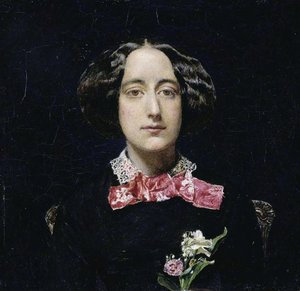
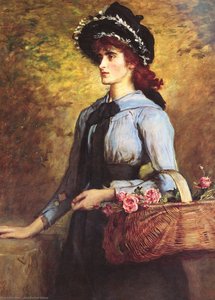
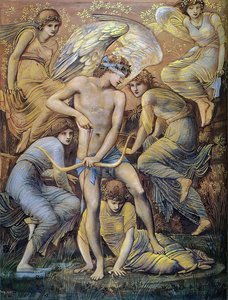
Biografie des Künstlers
Frühes Leben und Ausbildung
- Geboren: John Byam Liston Shaw, 13. November 1872 in Chennai, Indien
- Familiärer Hintergrund: Sohn von John Shaw (Registrar des High Court at Madras) und Sophia Alicia Byam Gunthorpe. Nachkomme der Ayrshire Shaws, einem Seitenzweig des Clan Shaw of Tordarroch.
- Rückkehr nach England: Die Familie zog 1878 nach England um und ließ sich in Kensington, London nieder.
- Frühe künstlerische Ausbildung: Zeigte frühzeitig künstlerisches Talent; im Alter von 15 Jahren wurde er John Everett Millais vorgestellt.
- Formale Ausbildung: Studierte an der St John's Wood Art School und der Royal Academy Schools (gewann 1892 den Armitage-Preis für "Das Gericht des Salomo").
Künstlerischer Stil und Einflüsse
- Präraphaelitische Beeinflussung: Stark beeinflusst von den Präraphaeliten, insbesondere J.W. Waterhouse und Cadogan Cowper.
- Themenwahl: Stellte häufig historische, literarische und Kriegsszenen dar. Inspirierte sich aus Gedichten von Rossetti.
- Technik: Setzte eine Vielzahl von Medien ein, darunter Ölfarben, Aquarell, Pastelle, Stift- und Tuschezeichnungen; bekannt für die Verwendung reiner Pigmente zur Erzeugung lebendiger Farben.
- Symbolismus & Detailtreue: Integrierte aufwendige Symbolik und akribische Details in seine Werke.
Hauptwerke und Karrierehöhepunkte
- Frühe Ausstellungen: Stellte häufig bei Dowdeswell und Dowdeswell's Gallery in New Bond Street aus (fünf Soloausstellungen zwischen 1896-1916).
- Bemerkenswerte Gemälde:
- Das Gericht des Salomo (1892) - Gewann den Armitage-Preis bei der Royal Academy.
- Der Burenkrieg (1901) – Stellte eine Frau dar, die über den Verlust eines geliebten Menschen im Burenkrieg nachdenkt und erlangte dadurch bedeutende Anerkennung.
- Meine Frau, meine Kinder und mein kleiner Hund John (1903) - Ein semi-autobiografisches Pastellgemälde, das seine Familie darstellt.
- Der Eintritt von Maria I. mit Prinzessin Elisabeth nach London, 1553 – Ein historisches Gemälde, das königliche Zeremonien und dramatische Beleuchtung zeigt.
- Kriegskarikaturen: Erstellte während des Ersten Weltkriegs Kriegskarikaturen für Zeitungen.
- Gedenkaufträge: Beging nach dem Krieg Gedenkaufträge.
Lehre und Vermächtnis
- Lehrtätigkeit: Lehrte an der Women's Department of King’s College London (ab 1904).
- Byam Shaw School of Art: Gründete 1910 zusammen mit Rex Vicat Cole die Byam Shaw and Vicat Cole School of Art (später einfach in "Byam Shaw School of Art" umbenannt). Seine Frau, Evelyn Shaw, unterrichtete ebenfalls an der Schule.
- Tod: Starb am 26. Januar 1919 im Alter von 46 Jahren während der Grippeepidemie und wurde im Kensal Green Cemetery beigesetzt.
- Gedenkstätte: Ein prunkvolles Denkmal zu seinem Leben steht noch immer in St Barnabas', Addison Road.
Historische Bedeutung
- Bewahrung der Präraphaelitischen Tradition: Shaw spielte eine entscheidende Rolle bei der Bewahrung des präraphaelitischen Stils während einer Zeit, als er an Popularität verlor.
- Beitrag zur britischen Kunst: Seine Werke werden für seine technische Fertigkeit, historische Details und literarischen Anspielungen geschätzt.
- Pädagogischer Einfluss: Die Byam Shaw School of Art bildete zahlreiche Künstler aus und trug zur Entwicklung der britischen Kunstausbildung bei.
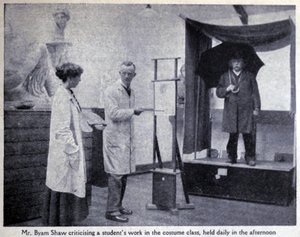
John Byam Liston Shaw
1872 - 1919 , Indien
Kurzinfos
- Beeinflusste Künstler:
- John Everett Millais
- Rossetti
- Bemerkenswerte Werke:
- Das Gericht Salomons
- Der Burenkrieg
- Meine Frau, meine Kinder...
- Eintritt von Maria I.
- Geburtsdatum: 13. November 1872
- Geburtsort: Chennai, Indien
- Künstlerische Bewegung: Präraphaelitismus
- Nationalität: Britisch
- Sterbedatum: 26. Januar 1919
- Vollständiger Name: John Byam Liston Shaw

