

 Vorschau anzeigen
 Versenden
 Teilen
 Details anzeigen

 Herunterladen
 Ähnliche Objekte
 Röntgenaufnahme
 Diashow
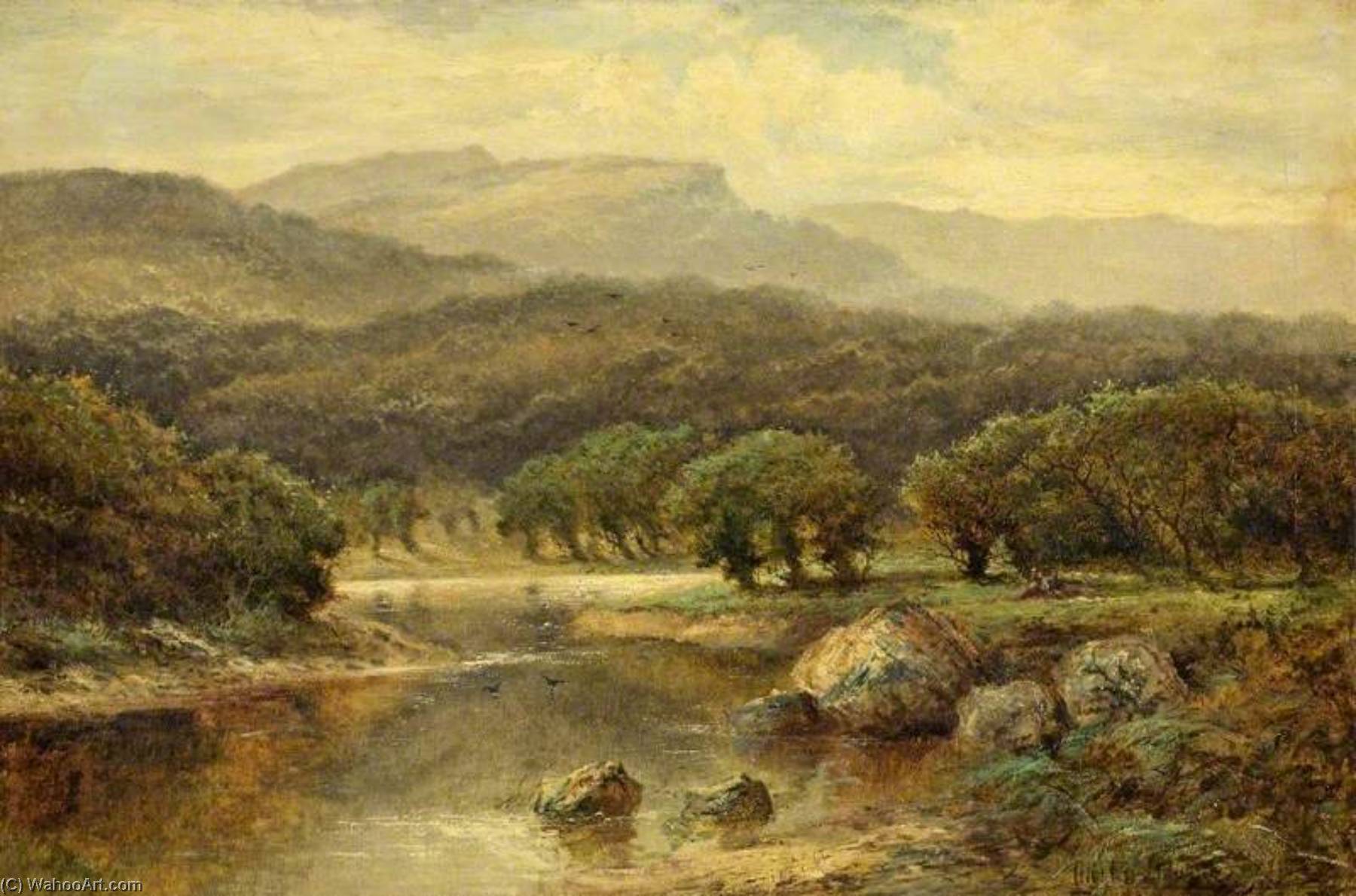
Derwentwater from Friar's Crag, Cumbria
 60.0 x 90.0 cm
 Weiterlesen
Giclée / Kunstdruck
Giclée- oder Leinwanddruck in Museumsqualität mit schneller Produktion und flexiblen Veredelungsoptionen. ( Handgemalte Reproduktion bestellen Bild kaufen)




































Wählen Sie aus unseren vordefinierten Formaten, die den ursprünglichen Proportionen des Kunstwerks entsprechen.

Sie können Ihre eigenen Maße eingeben, um ein bestimmtes Format oder einen speziellen Platz einzupassen. Wenn das von Ihnen gewählte Format nicht den Proportionen des Originalbildes entspricht, werden wir das Kunstwerk entweder beschneiden oder das Bild mit einem gespiegelten oder einfarbigen Rand erweitern. Ein digitaler Entwurf wird Ihnen zur Genehmigung zugesandt, bevor die Produktion beginnt.
Bitte beachten Sie, dass die Vorschau auf dem Bildschirm nicht den tatsächlichen Zuschnitt oder die Erweiterung widerspiegelt. Nur der Entwurf zeigt die endgültige Komposition präzise an.
Obwohl Sondermaße verfügbar sind, empfehlen wir die Auswahl eines Maßes aus der vordefinierten Liste, um die ursprünglichen Proportionen zu bewahren.
Weltweiter Versand () innerhalb von 2 Wochen statt der üblichen 4/5 Wochen. (27 August)

Kostenloser weltweiter Expressversand

Hochwertige Leinenleinwand

Umfassender Versicherungsschutz beim Versand

Zollgebühren-Rückerstattungsgarantie

Garantie für exakte Farbtreue

60 Tage Rückgaberecht (nur bei Mängeln)

100% Geld-zurück-Garantie

Mengenrabatt verfügbar
 Die Glasoption ist nur für Größen unter 110 cm verfügbar.

Derwentwater from Friar's Crag, Cumbria
Giclée / Kunstdruck
Format der Reproduktion
-


Gesamtpreis
$ 62
Ähnliche Kunstwerke







Über den Künstler
A Painter of Surrey’s Gentle Beauty
John Clayton Adams, a name synonymous with the pastoral serenity of Victorian England, possessed an extraordinary ability to translate the quiet rhythms of the countryside into enduring visual poetry. Born in 1840 in Edmonton, Middlesex, Adams emerged from a background of formal discipline, having refined his artistic vision at the Bloomsbury School and under the mentorship of William Wilthieu Fenn. His early life and training laid the foundation for a career defined by an unwavering devotion to the English landscape. As he matured, his focus drifted toward the verdant hills and sun-drenched meadows of Surrey, a region that would become the primary muse for his prolific output. Through his eyes, the rolling landscapes were not merely geographical locations but emotional sanctuaries, captured with a Romantic spirit that sought to idealize the natural world while remaining deeply rooted in its authentic textures.Ascension through the Royal Academy
The trajectory of Adams’ career was marked by a steady and prestigious ascent within the British art establishment. His debut at the Royal Academy in 1863, featuring the evocative work “The Old Mill,” served as a definitive moment of recognition, signaling the arrival of a significant new talent. This initial success blossomed into a remarkable period of sustained exhibition and acclaim that spanned several decades. His dedication to the craft was evidenced by his prolific contributions to the most esteemed institutions of his era:- The Royal Academy: Adams presented approximately 75 paintings to this prestigious body, establishing a consistent presence that commanded respect from his contemporaries.
- Royal Society of British Artists (RSBA): His involvement with the RSBA, where he exhibited another 25 works, further solidified his reputation as a mainstay of the Victorian art scene.
- Regional Focus: In 1873, his move to "Brackenhurst" near Guildford allowed him to live intimately within the landscapes he painted, deepening the connection between his personal life and his artistic subject matter.
Technique, Light, and the Impressionistic Touch
To observe a painting by Adams is to witness a masterclass in the manipulation of light and substance. His technique was characterized by a bold, broad application of paint, often utilizing impasto to create a tactile dimension on the canvas. By applying paint thickly, he was able to convey the ruggedness of the terrain and the palpable atmosphere of a misty morning or a heavy summer heat. He possessed a sensitive touch when capturing the ephemeral effects of light, allowing colors to shift and dance across his meadows. His palette was rich and emotive, often leaning into earthy tones that grounded his scenes in reality, yet frequently punctuated by vibrant hues that suggested the fleeting beauty of nature. Whether depicting the serene flow of "Where the Waters Gently Pass" or the textured, sun-lit fields of "Landscape with Haymakers," Adams utilized texture to breathe life into the stillness of his subjects.A Lasting Legacy of Pastoral Nostalgia
The historical significance of John Clayton Adams lies in his role as a chronicler of a vanishing way of life. His works often explored themes of the harvest and the seasonal cycles of rural labor, reflecting an aesthetic fascination with the rhythms of the land that were already beginning to change under the pressure of industrialization. Through masterpieces such as "Surrey Flowers" and "The Meadow Pool," he preserved an idealized vision of the English countryside—one that felt both truthful to its surroundings and elevated by a sense of timelessness. His legacy is found in the way his canvases continue to evoke a profound appreciation for nature's quiet majesty, offering modern viewers a window into the gentle, enduring beauty of the Victorian landscape.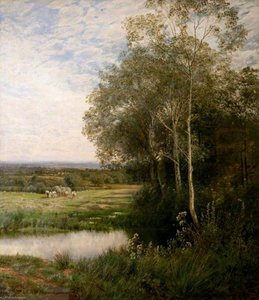
john clayton adams
1840 - 1906
Kurzinfos
- Artistic Movement Or Style: Romantic Landscape Painting
- Artists Or Movements Influenced By This Artist: ['Romanticism']
- Artists Who Influenced This Artist:
- Benjamin Williams Leader
- George Cole
- William Wilthieu
- Date Of Birth: 1840
- Date Of Death: 1906
- Full Name: John Clayton Adams
- Nationality: English
- Notable Artworks:
- A June Day
- Surrey Flowers
- Homewards
- Place Of Birth: Edmonton, Middlesex (UK)

