

 Vorschau anzeigen
 Versenden
 Teilen
 Details anzeigen

 Herunterladen
 Ähnliche Objekte
 Röntgenaufnahme
 Diashow
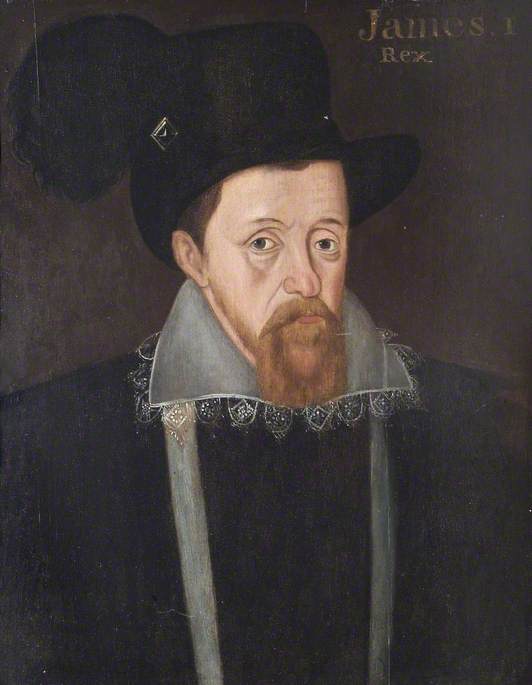
King James I (1566–1625)
 58.0 x 44.0 cm
 Windsor Guildhall
 Weiterlesen
Erwerben Sie ein hochauflösendes, optimiertes digitales Bild, das der Online-Vorschau weit überlegen ist.
Jede Datei wird von unseren hauseigenen Spezialisten mit modernsten Werkzeugen und fachmännischer manueller Retusche sorgfältig vorbereitet. Wir stellen sicher, dass jedes Bild eine außergewöhnliche Klarheit, präzise Farbgenauigkeit und feinste Details aufweist.
Die endgültige Datei wird innerhalb von 72 Stunden per E-Mail zugestellt und ist für den sofortigen Einsatz in professionellen, redaktionellen und Druckumgebungen optimiert. Es handelt sich um dieselbe Qualität, der führende Designstudios, Verlage und Galerien vertrauen.
Digitales Bild
Laden Sie eine hochauflösende Datei für die persönliche Präsentation, den Druck und kreative Projekte herunter. ( Druck bestellen Handgemalte Reproduktion bestellen)
In jeder Bestellung digitaler Bilder enthalten
Professionelle digitale Bereitstellung, garantiert
Wenn Sie sich für ArtsDot.com entscheiden, erhalten Sie nicht nur ein Bild – Sie erhalten ein professionell aufbereitetes digitales Kunstwerk, das mit höchster Präzision erstellt und durch eine Zufriedenheitsgarantie abgesichert wird. Hier ist alles, was automatisch mit Ihrer Bestellung geliefert wird:

Schnelle E-Mail-Zustellung
Ihre hochauflösende digitale Bilddatei wird Ihnen innerhalb von 72 Stunden nach der Bestellung per E-Mail zugestellt – bereit zur sofortigen Verwendung.

KI-optimierte digitale Datei
Ihre Kunstwerke werden professionell mithilfe fortschrittlicher KI-Tools und manueller Bearbeitung optimiert, um maximale Detailtreue, Klarheit und Farbgenauigkeit zu gewährleisten.

Lebenslanger kostenloser Neudruckservice
Datei versehentlich gelöscht oder verloren? Keine Sorge – wir senden sie Ihnen jederzeit kostenlos erneut zu.

Keine Einfuhrgebühren – jemals
Genießen Sie Ihr Kunstwerk sofort ohne Zollgebühren, Einfuhrabgaben oder Versandkosten – digitale Downloads sind immer steuerfrei.

Garantierte Farbtreue
Wir garantieren, dass Ihr digitales Bild mithilfe professioneller Werkzeuge und Farbmanagement die Originalfarben so präzise wie möglich wiedergibt.

60-Tage-Zufriedenheitsgarantie
Sollten Sie mit Ihrem digitalen Bild nicht zufrieden sein, werden wir es überarbeiten oder Ihnen innerhalb von 60 Tagen 100% erstatten – ohne Wenn und Aber.

100% Geld-zurück-Garantie
Nicht zufrieden? Erhalten Sie innerhalb von 60 Tagen nach Erhalt Ihrer digitalen Datei eine vollständige Rückerstattung – ohne Angabe von Gründen.

Rabatte bei Großbestellungen
3 Bilder kaufen, 10% sparen – 5 Bilder kaufen, 15% sparen – Ab 10 Bildern 20% sparen. Ideal für kreative Projekte, Galerien und Agenturen.
Ähnliche Kunstwerke







Biografie des Künstlers
A Courtly Hand: The Life and Art of John de Critz the Elder
John de Critz the Elder, a name perhaps less immediately recognizable than his continental contemporaries, nevertheless occupies a pivotal position in the history of English portraiture. Born in 1551, his life unfolded during a period of immense transformation for England – the waning years of the Tudor dynasty and the ascendance of the Stuarts. While details of his early training remain somewhat elusive, it is widely believed he received his formative artistic education in the Netherlands, likely within the vibrant circle of Flemish painters who were profoundly influencing Northern European art at the time. This background would prove crucial to shaping his distinctive style, a meticulous realism tempered by an elegant formality that perfectly suited the tastes of the English court. De Critz wasn’t merely a painter; he was a chronicler of power, capturing the likenesses of those who steered the nation through turbulent times.From Flemish Roots to Royal Patronage
The artistic landscape de Critz entered upon arriving in England was already rich with talent, but his particular skill set – an ability to render textures with astonishing accuracy and a gift for conveying both status and personality – quickly garnered attention. He became deeply embedded within the orbit of Robert Cecil, 1st Earl of Salisbury, James I’s powerful chief minister. Cecil wasn't simply a patron; he was instrumental in establishing de Critz as *the* premier portraitist of the Jacobean court. De Critz’s workshop flourished, becoming a hub for artistic production and attracting other skilled painters who assisted him with commissions. This collaborative nature of his practice is important to note – while many portraits bear his signature, they often represent the combined efforts of several hands under his direction. His early works demonstrate a clear debt to Flemish masters like Hans Holbein the Younger, particularly in their precise detail and restrained color palettes. However, de Critz gradually developed a more uniquely English sensibility, characterized by a greater emphasis on decorative elements and a subtle psychological depth in his portrayals.The Art of Representation: Style and Technique
De Critz’s portraits are not simply likenesses; they are statements of authority, wealth, and social standing. He excelled at depicting the opulent fabrics, intricate jewelry, and elaborate costumes that signified a person's position within the hierarchical structure of Jacobean society. His technique was painstaking, built upon layers of carefully applied paint to create a remarkable sense of three-dimensionality. He favored a relatively small scale for his portraits, which contributed to their intimacy and allowed for an exceptional level of detail. The use of light is particularly noteworthy, often directed to illuminate the face and hands, drawing the viewer’s attention to these key features of identity. He wasn't interested in dramatic chiaroscuro or emotional intensity; instead, he sought a calm, dignified representation that emphasized the sitter’s inherent nobility. His portraits are imbued with a sense of quiet confidence, reflecting the stability and order that Cecil and James I aimed to project.Key Works and Lasting Legacy
Among de Critz's most celebrated works is his portrait of James I, which exists in numerous versions and served as a template for countless copies. These portraits are not merely images of the king; they are carefully constructed symbols of royal power, emphasizing his authority and divine right to rule. His portraits of Robert Cecil himself are equally significant, offering insights into the mind and character of this influential statesman. Beyond these iconic depictions of royalty and nobility, de Critz also painted a number of portraits of lesser-known figures, providing valuable glimpses into the lives of those who inhabited the Jacobean court.- His influence extended beyond portraiture
- He was involved in designing decorative schemes for royal buildings.
- De Critz’s workshop continued to thrive after his death in 1642
A Chronicler of an Era
John de Critz the Elder died in 1642, leaving behind a substantial body of work that continues to fascinate and inform our understanding of Jacobean England. He wasn’t a revolutionary artist; he didn't seek to break with tradition or explore new artistic frontiers. Instead, he perfected an existing style, adapting it to the specific needs and tastes of his patrons. His lasting significance lies in his ability to capture the essence of a particular moment in English history – a time of political intrigue, religious tension, and burgeoning national identity. He stands as a testament to the power of portraiture not simply as a means of recording likenesses, but as a powerful tool for shaping perceptions and constructing narratives about those who held positions of authority. His portraits remain invaluable historical documents, offering us a glimpse into the world of the Jacobean court and the individuals who shaped its destiny.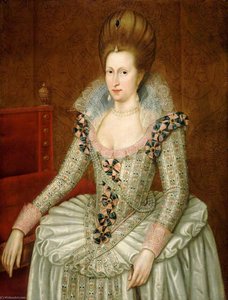
john de critz the elder
1551 - 1642
Kurzinfos
- Artistic Movement Or Style: Northern Renaissance Art
- Artists Who Influenced This Artist:
- Hans Holbein the Younger
- Pieter Bruegel
- Date Of Birth: 1551/2
- Date Of Death: 1642
- Full Name: John de Critz the Elder
- Nationality: Dutch
- Notable Artworks:
- Portrait of Robert Cecil
- Portrait of James I
- Place Of Birth: Flemish

