 Vorschau anzeigen
 Versenden
 Teilen
 Details anzeigen

 Herunterladen
 Ähnliche Objekte
 Röntgenaufnahme
 Diashow
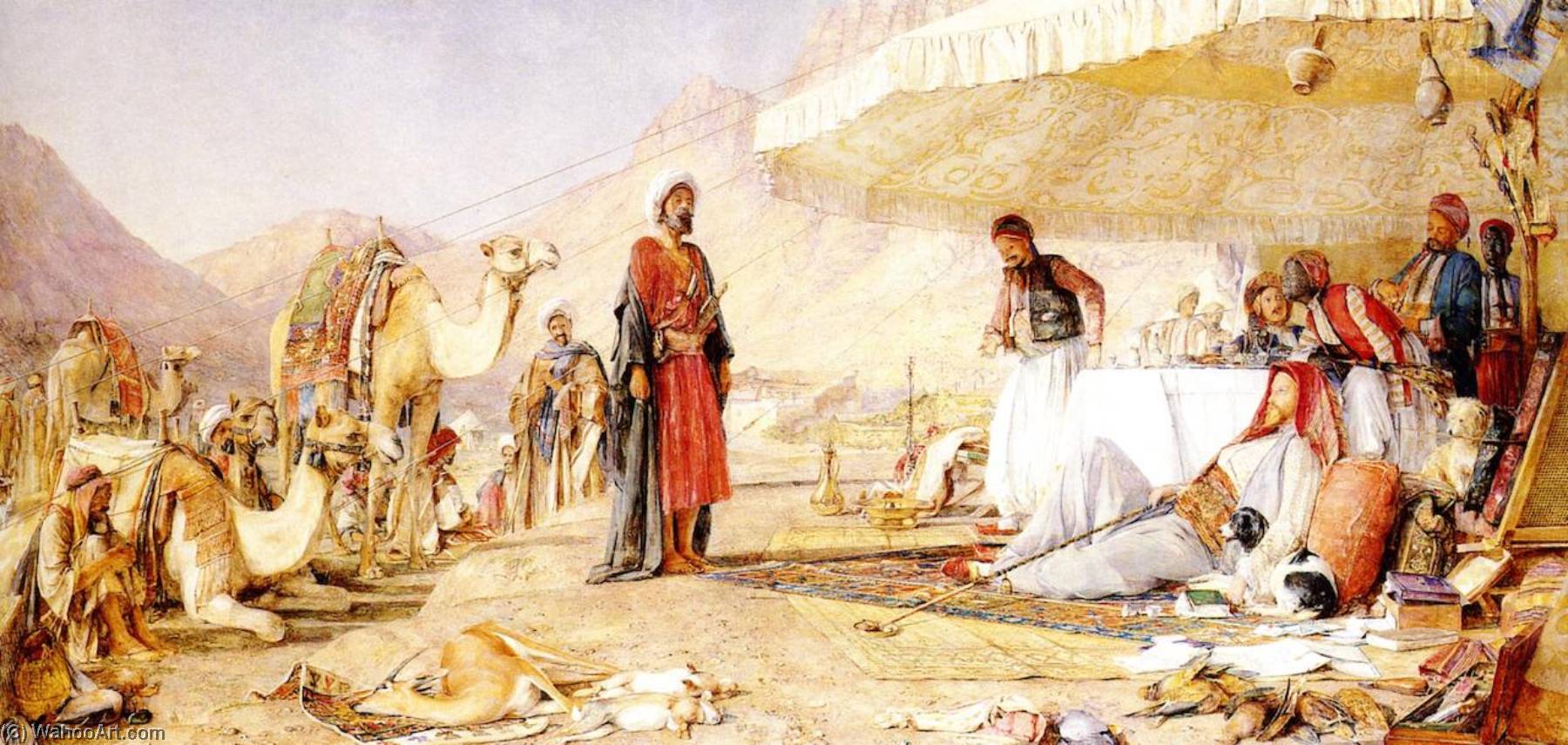
A Frank Encampment in the Desert of Mount Sinai, 1842,the Convent of Saint Catherine in the Distance


 Weiterlesen
Giclée / Kunstdruck
Giclée- oder Leinwanddruck in Museumsqualität mit schneller Produktion und flexiblen Veredelungsoptionen. ( Handgemalte Reproduktion bestellen Bild kaufen)




P118B $10

P118H $10

P118W $10

P438Z $10

P508JH $12

P508YH $12

P805H $10

P805Z $10

P919BZ $10

P919G $10

P919XJ $10

P959ZH $10

P968JZ $12

W106C $8

W218G $10

W218JH $8

W218Y $10

W307PJ $10

W316G $10

W316PJ $8

W316Y $10

W398PJ $8

W4111J $10

W500HY $15

W500JH $15

W692G $12

W849H $8

W940BG $15

W953PJ $8




Wählen Sie aus unseren vordefinierten Formaten, die den ursprünglichen Proportionen des Kunstwerks entsprechen.

Sie können Ihre eigenen Maße eingeben, um ein bestimmtes Format oder einen speziellen Platz einzupassen. Wenn das von Ihnen gewählte Format nicht den Proportionen des Originalbildes entspricht, werden wir das Kunstwerk entweder beschneiden oder das Bild mit einem gespiegelten oder einfarbigen Rand erweitern. Ein digitaler Entwurf wird Ihnen zur Genehmigung zugesandt, bevor die Produktion beginnt.
Bitte beachten Sie, dass die Vorschau auf dem Bildschirm nicht den tatsächlichen Zuschnitt oder die Erweiterung widerspiegelt. Nur der Entwurf zeigt die endgültige Komposition präzise an.
Obwohl Sondermaße verfügbar sind, empfehlen wir die Auswahl eines Maßes aus der vordefinierten Liste, um die ursprünglichen Proportionen zu bewahren.
Weltweiter Versand () innerhalb von 2 Wochen statt der üblichen 4/5 Wochen. (1 September)

Kostenloser weltweiter Expressversand

Hochwertige Leinenleinwand

Umfassender Versicherungsschutz beim Versand

Zollgebühren-Rückerstattungsgarantie

Garantie für exakte Farbtreue

60 Tage Rückgaberecht (nur bei Mängeln)

100% Geld-zurück-Garantie

Mengenrabatt verfügbar
 Die Glasoption ist nur für Größen unter 110 cm verfügbar.

A Frank Encampment in the Desert of Mount Sinai, 1842,the Convent of Saint Catherine in the Distance
Giclée / Kunstdruck
Format der Reproduktion
-


Gesamtpreis
$ 62
The Desert’s Embrace: John Frederick Lewis and a Moment of Transient Connection
John Frederick Lewis's "A Frank Encampment in the Desert of Mount Sinai, 1842, the Convent of Saint Catherine in the Distance" isn’t merely a depiction of a landscape; it’s a carefully constructed tableau of cultural encounter, steeped in the burgeoning spirit of Orientalism and the complexities of Victorian diplomacy. Painted in 1856, nearly two decades after his extended sojourn in Egypt, this watercolor – now meticulously reproduced for discerning collectors – offers a glimpse into a specific historical moment: the fraught relationship between Britain and the Ottoman Empire, embodied here through the interaction of a prominent British diplomat, Viscount Castlereagh, and a local Bedouin guide. The scene unfolds with an almost unsettling stillness, a deliberate contrast to the turbulent political climate of the era.
Lewis’s mastery lies not just in his technical skill – evident in the remarkably detailed rendering of the arid landscape, the intricate folds of Castlereagh's clothing, and the subtle play of light on the sand – but also in his ability to imbue a seemingly straightforward depiction with layers of symbolic meaning. The composition is deliberately unbalanced; Castlereagh, lounging languidly against a makeshift tent, occupies a dominant position, radiating an air of effortless authority. His attire—a lavish, almost theatrical display of Eastern fabrics and adornments—suggests a calculated performance, a deliberate attempt to assimilate into the local culture while simultaneously maintaining a sense of Western superiority. The Bedouin figure, in stark contrast, is presented with a quiet dignity, his posture upright, his gaze direct, yet subtly restrained.
Watercolor’s Delicate Dance: Technique and Atmosphere
Lewis's choice of watercolor as the medium is crucial to understanding the painting’s evocative power. Watercolor, inherently fluid and responsive to light, allows for a remarkable degree of subtlety and atmospheric depth. The artist skillfully employs glazing techniques – layering thin washes of color over dry underlayers – to create a shimmering effect, capturing the heat haze rising from the desert floor and the distant shimmer of the mountains. Note the meticulous attention to detail in rendering the textures: the rough weave of the Bedouin’s cloak, the polished sheen of Castlereagh's boots, the delicate ripples of sand. The use of graphite adds a further layer of definition, particularly in the faces, lending them an almost photographic realism.
Furthermore, the painting’s palette is remarkably restrained – dominated by ochres, browns, and sandy yellows – mirroring the harsh realities of the desert environment. These muted tones are punctuated by flashes of brighter color—the crimson of Castlereagh's sash, the turquoise of his turban—drawing the eye to key elements within the composition and reinforcing the sense of theatricality. The distant silhouette of the Convent of Saint Catherine, a beacon of faith in the vast expanse, serves as a poignant reminder of the enduring spiritual traditions of the region.
A Window into Victorian Orientalism
“A Frank Encampment” is a quintessential example of Victorian Orientalist painting – a genre that flourished during the 19th century and reflected both European fascination with, and often romanticized interpretation of, the East. Lewis’s work aligns with this trend, but also subtly challenges its conventions. Unlike many of his contemporaries who depicted the East through a lens of exoticism and sensationalism, Lewis demonstrates a genuine respect for the local culture, capturing not just the outward appearance of the Bedouin people but also their inherent dignity and quiet strength. The painting’s historical context is significant: it was created during a period of intense diplomatic maneuvering between Britain and the Ottoman Empire, as both powers sought to maintain influence in the region. Castlereagh's journey through the Sinai Desert represented a strategic effort to secure trade routes and establish alliances.
Capturing the Moment: Reproduction and Legacy
Today, this remarkable painting continues to resonate with viewers, offering a compelling glimpse into a pivotal moment in history and a testament to Lewis’s artistic skill. High-quality reproductions faithfully capture the nuances of color and texture, allowing you to appreciate the depth and complexity of this captivating work. Whether displayed as a statement piece in a contemporary interior or studied for its historical significance, “A Frank Encampment” remains a powerful symbol of cultural exchange, diplomatic intrigue, and the enduring allure of the desert landscape.
Ähnliche Kunstwerke
Über den Künstler
John Frederick Lewis: Ein Leben in der Orientalistenmalerei
Frühes Leben und Ausbildung
John Frederick Lewis, ein bedeutender englischer Orientalist maler, wurde am 14. Juli 1804 in London geboren. Er war der Sohn von Frederick Christian Lewis, einem Graveur und Landschaftsmaler. Diese familiäre künstlerische Herkunft hat sich zweifellos auf seine frühe Entwicklung ausgewirkt. Seine formale Ausbildung begann unter der Anleitung von Sir Thomas Lawrence, wo er zusammen mit anderen Künstlern wie Edwin Landseer seine Fähigkeiten verfeinerte. Dieser grundlegende Zeitraum vermittelte ihm ein solides Verständnis von Technik und Komposition.
Künstlerische Karriere & Entwicklung
Lewis’s künstlerische Karriere entfaltete sich in mehreren, unterschiedlichen Phasen, die jeweils durch sich entwickelnde Stile und thematische Schwerpunkte gekennzeichnet waren:
- Orientalist-Periode: Lewis unternahm umfangreiche Reisen quer durch das Mittelmeergebiet und erfasste dessen Wesenheit in detaillierten Aquarellen und Ölgemälden. Er besuchte Kompositionen oft wiederholt und fertigte sie in verschiedenen Medien an.
- Spanische & Marokkanische Einflüsse (1832-1834): Eine Reise nach Spanien und Marokko erwies sich als entscheidend. Er produzierte zahlreiche Lithographien, die später unter dem Titel „Sketches and Drawings of the Alhambra“ (1835) und „Lewis’s Sketches of Spain and Spanish Character“ (1836) veröffentlicht wurden.
- Ägyptische Periode (1841-1851): Seine Stationierung in Kairo war zweifellos seine produktivste Zeit. Hier vollendete er seinen Orientalist-Stil und schuf detaillierte Werke, die sowohl realistische Genreszenen als auch idealisierte Darstellungen von oberen Gesellschaftsschichten in ägyptischen Innenräumen zeigten.
Bekannte Werke
Lewis schuf einen beträchtlichen Bestand an Werken, die für ihren akribischen Detailgrad und ihre suggestive Atmosphäre bekannt sind. Einige seiner bekanntesten Stücke umfassen:
- A Bedouin (Yale Center for British Art, New Haven) – Ein Aquarell, das seinen Orientalist-Stil exemplarisch darstellt.
- The Ramesseum at Thebes (Yale Center for British Art, New Haven) – Zeigt seine bemerkenswerte Aufmerksamkeit für architektonische Details.
- A Young Turkish Woman (Yale Center for British Art, New Haven) – Ein weiteres eindrucksvolles Beispiel seiner Orientalist-Arbeit.
- Harem Life in Constantinople - Ein detailliertes Ölgemälde, das osmanisches häusliches Leben darstellt.
Einflüsse und Künstlerischer Stil
Lewis’s Stil wurde von mehreren Einflüssen geprägt, wobei Sir Thomas Lawrence's Betonung auf Porträtkunst und Komposition eine besondere Rolle spielte. Seine direkte Beobachtung der mittelöstlichen Kulturen ermöglichte es ihm jedoch, einen einzigartigen ästhetischen Ausdruck zu entwickeln, der sich durch folgende Merkmale auszeichnet:
- Akribischer Detailgrad: Ein Engagement für die genaue Darstellung von Texturen, Mustern und architektonischen Elementen.
- Reiche Farbpalette: Die Verwendung lebhafter Farben, inspiriert von den Landschaften und Kostümen, denen er begegnete.
- Genreszenen & Innenansichten: Der Fokus auf alltägliches Leben und intime häusliche Umgebungen.
Vermächtnis und Historische Bedeutung
Lewis’s Beitrag zur Kunstwelt liegt in seiner bedeutenden Rolle bei der Entwicklung der Orientalistenmalerei. Seine akribischen Darstellungen islamischer Architektur, Möbel und Kostüme setzten neue Maßstäbe für Realismus innerhalb des Genres. Er trug dazu bei, eine romantisierte, aber detaillierte Vision des Nahen Ostens im Westen zu popularisieren. Nach seiner Rückkehr nach England im Jahr 1851 setzte er seine Tätigkeit als Maler bis zu seinem Tod am 15. August 1876 in Walton-on-Thames fort.
Seine Werke werden weiterhin für ihre künstlerische Leistung und ihren historischen Einblick in die Wahrnehmung des Orients im 19. Jahrhundert studiert und bewundert.
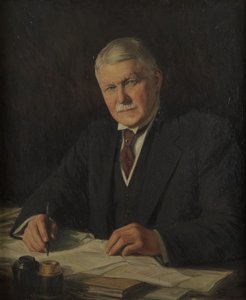
John Frederick Lewis
1804 - 1876 , Vereinigtes Königreich
Kurzinfos
- Artistic Movement Or Style: Orientalismus
- Artists Who Influenced This Artist: ['Sir Thomas Lawrence']
- Date Of Birth: 14 Juli 1804
- Full Name: John Frederick Lewis
- Nationality: Britisch
- Notable Artworks:
- Ein Bedouin
- Das Ramesseum zu Thebes
- Eine junge türkische Frau
- Harem Leben Konstantinopel
- Place Of Birth: London, Vereinigtes Königreich
Ähnliche Artikel

Die 10 legendärsten Aquarellwerke der Kunstgeschichte – Meisterwerke für Ihr Zuhause
Entdecken Sie die 10 legendärsten Aquarellwerke der Kunstgeschichte! Von Turner bis Monet – erleben Sie die Geschichten, Techniken & Farben dieser Meisterwerke. Finden Sie hochwertige Kunstdrucke auf ArtsDot.com und gestalten Sie Ihr Zuhause mit zeitloser Eleganz.
John Frederick Lewis: Orientalismus, Detail und Genremalerei im 19. Jahrhundert der britischen Kunst
Entdecken Sie das faszinierende Werk von John Frederick Lewis! Wir analysieren seinen Orientalismus, Detailreichtum und seine Genremalerei im Kontext des 19. Jahrhunderts. Expertenwissen zur britischen Kunstgeschichte.

Ephemeral Visions: Exploring the Artistic Legacy & Contemporary Practice of Watercolor Painting
Explore the captivating world of watercolor painting! Discover its rich history, essential techniques, influential artists & collecting tips. A comprehensive guide for art enthusiasts from ArtsDot.
John Singer Sargent: Die 25 Meisterwerke des Porträts – Kunst für Ihr Zuhause | ArtsDot
Entdecken Sie die 25 Meisterwerke von John Singer Sargent! Tauchen Sie ein in die Welt der Porträtmalerei, des Impressionismus & der Belle Époque. Hochwertige Kunstdrucke & Reproduktionen für Ihr Zuhause – jetzt auf ArtsDot.com!

Flüchtige Visionen: Die Geschichte und emotionale Resonanz der Aquarellmalerei
Entdecken Sie die faszinierende Welt der Aquarellmalerei! Von historischen Ursprüngen bis zu modernen Techniken – wir bieten Expertenwissen, Inspiration und Tipps für Anfänger & Fortgeschrittene.