 Vorschau anzeigen
 Versenden
 Teilen
 Details anzeigen

 Herunterladen
 Ähnliche Objekte
 Röntgenaufnahme
 Diashow
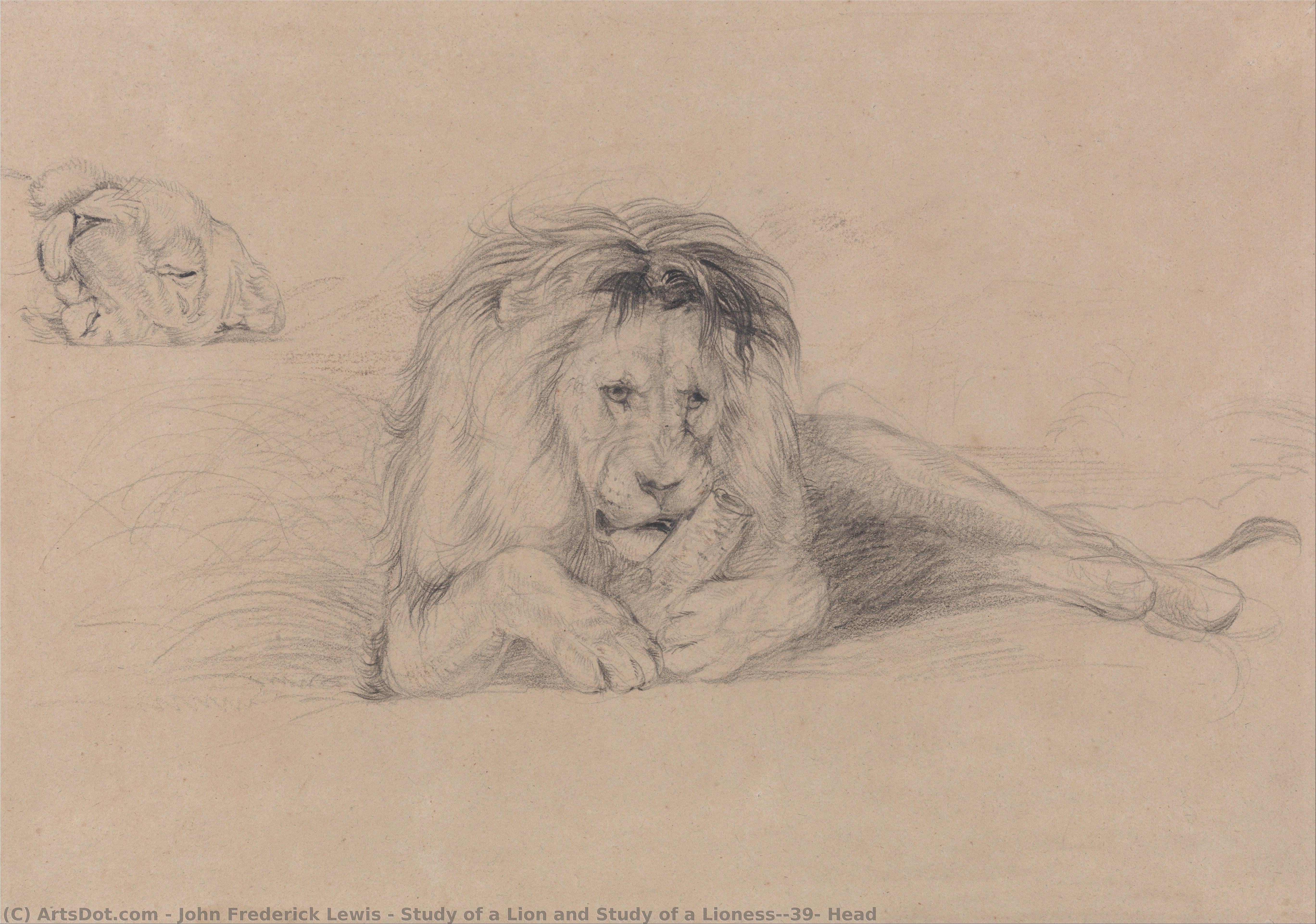
Study of a Lion and Study of a Lioness' Head


 Weiterlesen
Giclée / Kunstdruck
Giclée- oder Leinwanddruck in Museumsqualität mit schneller Produktion und flexiblen Veredelungsoptionen. ( Handgemalte Reproduktion bestellen Bild kaufen)




P118B $10

P118H $10

P118W $10

P438Z $10

P508JH $12

P508YH $12

P805H $10

P805Z $10

P919BZ $10

P919G $10

P919XJ $10

P959ZH $10

P968JZ $12

W106C $8

W218G $10

W218JH $8

W218Y $10

W307PJ $10

W316G $10

W316PJ $8

W316Y $10

W398PJ $8

W4111J $10

W500HY $15

W500JH $15

W692G $12

W849H $8

W940BG $15

W953PJ $8




Wählen Sie aus unseren vordefinierten Formaten, die den ursprünglichen Proportionen des Kunstwerks entsprechen.

Sie können Ihre eigenen Maße eingeben, um ein bestimmtes Format oder einen speziellen Platz einzupassen. Wenn das von Ihnen gewählte Format nicht den Proportionen des Originalbildes entspricht, werden wir das Kunstwerk entweder beschneiden oder das Bild mit einem gespiegelten oder einfarbigen Rand erweitern. Ein digitaler Entwurf wird Ihnen zur Genehmigung zugesandt, bevor die Produktion beginnt.
Bitte beachten Sie, dass die Vorschau auf dem Bildschirm nicht den tatsächlichen Zuschnitt oder die Erweiterung widerspiegelt. Nur der Entwurf zeigt die endgültige Komposition präzise an.
Obwohl Sondermaße verfügbar sind, empfehlen wir die Auswahl eines Maßes aus der vordefinierten Liste, um die ursprünglichen Proportionen zu bewahren.
Weltweiter Versand () innerhalb von 2 Wochen statt der üblichen 4/5 Wochen. (23 August)

Kostenloser weltweiter Expressversand

Hochwertige Leinenleinwand

Umfassender Versicherungsschutz beim Versand

Zollgebühren-Rückerstattungsgarantie

Garantie für exakte Farbtreue

60 Tage Rückgaberecht (nur bei Mängeln)

100% Geld-zurück-Garantie

Mengenrabatt verfügbar
 Die Glasoption ist nur für Größen unter 110 cm verfügbar.

Study of a Lion and Study of a Lioness' Head
Giclée / Kunstdruck
Format der Reproduktion
-


Gesamtpreis
$ 62
Sammlerstück-Beschreibung
A Study in Majesty: John Frederick Lewis’s Lions
John Frederick Lewis's “Study of a Lion and Study of a Lioness’ Head,” created around 1820, isn’t merely a depiction of two magnificent animals; it’s a window into the burgeoning world of Orientalist art and a testament to the artist’s meticulous observation. This preparatory study, rendered in charcoal on paper with subtle hints of graphite, captures a moment of intense focus – Lewis wrestling with the challenge of translating raw power and primal grace onto a flat surface. The piece speaks volumes about his artistic process, revealing a dedication to anatomical accuracy and an understanding of how light and shadow could imbue even a simple animal form with profound emotional resonance.
The work’s historical context is crucial to appreciating its significance. Lewis was deeply immersed in the Romantic era's fascination with the exotic – particularly the landscapes, cultures, and animals of the Near East and North Africa. His travels throughout Egypt, Spain, and Morocco fueled a desire to document these regions with unprecedented realism and sensitivity. This study exemplifies that approach; it’s not a romanticized fantasy but a careful analysis of form, texture, and movement. The lions themselves are drawn from his observations at the Exeter Exchange Menagerie, a popular public zoo in London, offering a glimpse into the world of animal exhibitions during this period.
Deconstructing the Form: Technique and Detail
Lewis’s technique is characterized by an extraordinary level of detail. The charcoal lines are not simply outlines; they're meticulously layered to build up tonal values and create a palpable sense of volume. Notice the subtle hatching and cross-hatching used to define the lions’ musculature – the powerful shoulders, the taut flanks, the sinuous necks. He doesn’t shy away from depicting imperfections: the slight wrinkles around the eyes, the texture of the fur, even the suggestion of dust on their coats. This commitment to realism is further emphasized by the use of a slightly textured paper surface, which adds another layer of tactile interest.
The placement of the smaller lioness head sketch in the upper left corner offers an intriguing insight into Lewis’s working method. It suggests that this was not simply a finished piece but a preliminary study, likely used as a reference point for a larger composition. The slight perspective shift in the sketch hints at the artist's careful consideration of spatial relationships and his desire to capture the animals in a dynamic pose.
Symbolism and Emotional Resonance
Beyond its technical merits, “Study of a Lion and Study of a Lioness’ Head” carries significant symbolic weight. Lions have long been associated with strength, courage, royalty, and even divinity across numerous cultures. In this context, Lewis's depiction transcends mere representation; it evokes a sense of primal power and untamed beauty. The pairing of the male and female lions can be interpreted as a metaphor for balance and harmony – a reflection of the natural order.
Furthermore, the study’s muted color palette—primarily shades of brown, grey, and white—contributes to its emotional impact. It creates a sense of quiet contemplation, inviting the viewer to engage with the animals on a deeper level. The lack of vibrant hues focuses attention entirely on form, texture, and the subtle nuances of light and shadow.
A Legacy in Reproduction: Bringing Lewis’s Vision to Life
Today, John Frederick Lewis's work continues to captivate audiences worldwide. ArtsDot specializes in meticulously crafted hand-painted reproductions that faithfully capture the essence of this remarkable study. By employing the same techniques and materials as the original artist – archival-quality canvas, traditional oil paints, and a team of skilled artisans – we ensure that your reproduction will stand the test of time, preserving the beauty and emotional depth of Lewis’s masterpiece for generations to come. Consider it not just a print, but an authentic window into the world of 19th-century Orientalist art.
Ähnliche Kunstwerke

Über den Künstler
John Frederick Lewis: Ein Leben in der Orientalistenmalerei
Frühes Leben und Ausbildung
John Frederick Lewis, ein bedeutender englischer Orientalist maler, wurde am 14. Juli 1804 in London geboren. Er war der Sohn von Frederick Christian Lewis, einem Graveur und Landschaftsmaler. Diese familiäre künstlerische Herkunft hat sich zweifellos auf seine frühe Entwicklung ausgewirkt. Seine formale Ausbildung begann unter der Anleitung von Sir Thomas Lawrence, wo er zusammen mit anderen Künstlern wie Edwin Landseer seine Fähigkeiten verfeinerte. Dieser grundlegende Zeitraum vermittelte ihm ein solides Verständnis von Technik und Komposition.
Künstlerische Karriere & Entwicklung
Lewis’s künstlerische Karriere entfaltete sich in mehreren, unterschiedlichen Phasen, die jeweils durch sich entwickelnde Stile und thematische Schwerpunkte gekennzeichnet waren:
- Orientalist-Periode: Lewis unternahm umfangreiche Reisen quer durch das Mittelmeergebiet und erfasste dessen Wesenheit in detaillierten Aquarellen und Ölgemälden. Er besuchte Kompositionen oft wiederholt und fertigte sie in verschiedenen Medien an.
- Spanische & Marokkanische Einflüsse (1832-1834): Eine Reise nach Spanien und Marokko erwies sich als entscheidend. Er produzierte zahlreiche Lithographien, die später unter dem Titel „Sketches and Drawings of the Alhambra“ (1835) und „Lewis’s Sketches of Spain and Spanish Character“ (1836) veröffentlicht wurden.
- Ägyptische Periode (1841-1851): Seine Stationierung in Kairo war zweifellos seine produktivste Zeit. Hier vollendete er seinen Orientalist-Stil und schuf detaillierte Werke, die sowohl realistische Genreszenen als auch idealisierte Darstellungen von oberen Gesellschaftsschichten in ägyptischen Innenräumen zeigten.
Bekannte Werke
Lewis schuf einen beträchtlichen Bestand an Werken, die für ihren akribischen Detailgrad und ihre suggestive Atmosphäre bekannt sind. Einige seiner bekanntesten Stücke umfassen:
- A Bedouin (Yale Center for British Art, New Haven) – Ein Aquarell, das seinen Orientalist-Stil exemplarisch darstellt.
- The Ramesseum at Thebes (Yale Center for British Art, New Haven) – Zeigt seine bemerkenswerte Aufmerksamkeit für architektonische Details.
- A Young Turkish Woman (Yale Center for British Art, New Haven) – Ein weiteres eindrucksvolles Beispiel seiner Orientalist-Arbeit.
- Harem Life in Constantinople - Ein detailliertes Ölgemälde, das osmanisches häusliches Leben darstellt.
Einflüsse und Künstlerischer Stil
Lewis’s Stil wurde von mehreren Einflüssen geprägt, wobei Sir Thomas Lawrence's Betonung auf Porträtkunst und Komposition eine besondere Rolle spielte. Seine direkte Beobachtung der mittelöstlichen Kulturen ermöglichte es ihm jedoch, einen einzigartigen ästhetischen Ausdruck zu entwickeln, der sich durch folgende Merkmale auszeichnet:
- Akribischer Detailgrad: Ein Engagement für die genaue Darstellung von Texturen, Mustern und architektonischen Elementen.
- Reiche Farbpalette: Die Verwendung lebhafter Farben, inspiriert von den Landschaften und Kostümen, denen er begegnete.
- Genreszenen & Innenansichten: Der Fokus auf alltägliches Leben und intime häusliche Umgebungen.
Vermächtnis und Historische Bedeutung
Lewis’s Beitrag zur Kunstwelt liegt in seiner bedeutenden Rolle bei der Entwicklung der Orientalistenmalerei. Seine akribischen Darstellungen islamischer Architektur, Möbel und Kostüme setzten neue Maßstäbe für Realismus innerhalb des Genres. Er trug dazu bei, eine romantisierte, aber detaillierte Vision des Nahen Ostens im Westen zu popularisieren. Nach seiner Rückkehr nach England im Jahr 1851 setzte er seine Tätigkeit als Maler bis zu seinem Tod am 15. August 1876 in Walton-on-Thames fort.
Seine Werke werden weiterhin für ihre künstlerische Leistung und ihren historischen Einblick in die Wahrnehmung des Orients im 19. Jahrhundert studiert und bewundert.
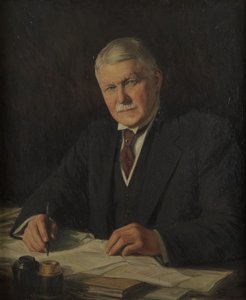
John Frederick Lewis
1804 - 1876 , Vereinigtes Königreich
Kurzinfos
- Artistic Movement Or Style: Orientalismus
- Artists Who Influenced This Artist: ['Sir Thomas Lawrence']
- Date Of Birth: 14 Juli 1804
- Full Name: John Frederick Lewis
- Nationality: Britisch
- Notable Artworks:
- Ein Bedouin
- Das Ramesseum zu Thebes
- Eine junge türkische Frau
- Harem Leben Konstantinopel
- Place Of Birth: London, Vereinigtes Königreich
Ähnliche Artikel

John Singer Sargent: Die 25 Meisterwerke des Porträts – Kunst für Ihr Zuhause | ArtsDot
Entdecken Sie die 25 Meisterwerke von John Singer Sargent! Tauchen Sie ein in die Welt der Porträtmalerei, des Impressionismus & der Belle Époque. Hochwertige Kunstdrucke & Reproduktionen für Ihr Zuhause – jetzt auf ArtsDot.com!

John Constable: Die 25 Meisterwerke des englischen Landschaftsgenies – ArtsDot
Entdecken Sie die 25 Meisterwerke von John Constable! Erleben Sie englische Landschaftsmalerei vom Hay Wain bis zur Stour Valley. Hochwertige Reproduktionen & Kunst für Ihr Zuhause auf ArtsDot.com.
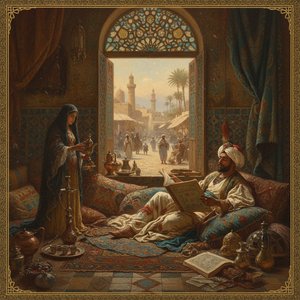
John Frederick Lewis: Orientalismus, Detail und Genremalerei im 19. Jahrhundert der britischen Kunst
Entdecken Sie das faszinierende Werk von John Frederick Lewis! Wir analysieren seinen Orientalismus, Detailreichtum und seine Genremalerei im Kontext des 19. Jahrhunderts. Expertenwissen zur britischen Kunstgeschichte.

Leonardo da Vinci: Die 25 Meisterwerke für Ihr Zuhause | ArtsDot
Entdecken Sie die 25 Meisterwerke von Leonardo da Vinci! Erfahren Sie faszinierende Geschichten hinter Gemälden wie der Mona Lisa & Das letzte Abendmahl. Hochwertige Reproduktionen für Ihr Zuhause – jetzt bei ArtsDot entdecken!

The Nuances of Graphite: Exploring Emotional Depth & Technical Mastery in Pencil Drawing
Explore the captivating world of graphite drawing! Discover its rich history, master essential techniques like chiaroscuro, and learn how artists evoke emotion through this timeless medium. Expert insights for art enthusiasts.