 Vorschau anzeigen
 Versenden
 Teilen
 Details anzeigen

 Herunterladen
 Ähnliche Objekte
 Röntgenaufnahme
 Diashow
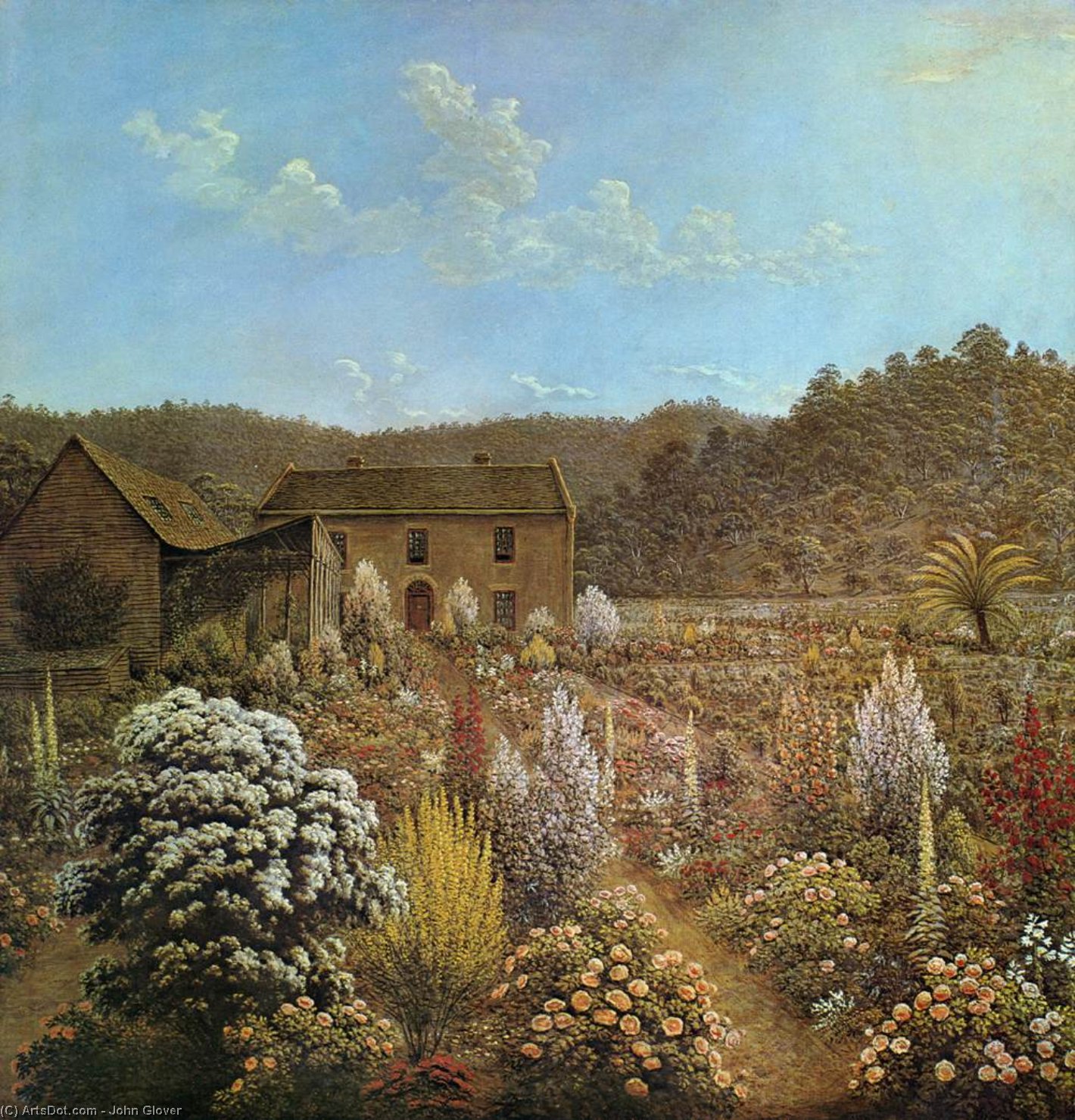
The Artist's House and Garden


 Weiterlesen
Handgefertigte Ölreproduktion
Handgemaltes Ölgemälde auf Leinwand in Ihrer Wunschgröße und mit Rahmen, auf Bestellung von unseren Künstlern angefertigt. ( Druck bestellen Bild kaufen)




P118B $10

P118H $10

P118W $10

P438Z $10

P508JH $12

P508YH $12

P805H $10

P805Z $10

P919BZ $10

P919G $10

P919XJ $10

P959ZH $10

P968JZ $12

W106C $8

W218G $10

W218JH $8

W218Y $10

W307PJ $10

W316G $10

W316PJ $8

W316Y $10

W398PJ $8

W4111J $10

W500HY $15

W500JH $15

W692G $12

W849H $8

W940BG $15

W953PJ $8




Wählen Sie aus unseren vordefinierten Formaten, die den ursprünglichen Proportionen des Kunstwerks entsprechen.

Sie können Ihre eigenen Maße eingeben, um einen bestimmten Rahmen oder Platz auszufüllen. Wenn die gewählte Größe nicht den Proportionen des Originalbildes entspricht, werden wir das Kunstwerk entweder beschneiden oder das Gemälde durch zusätzliche, handgemalte Elemente erweitern. Ein digitales Mockup wird Ihnen zur Genehmigung zugesandt, bevor die Produktion beginnt.
Bitte beachten Sie, dass die Bildschirmvorschau nicht die tatsächliche Beschneidung oder Erweiterung widerspiegelt. Nur das Mockup zeigt die endgültige Komposition exakt an.
Obwohl Sondermaße verfügbar sind, empfehlen wir, eine Größe aus der vordefinierten Liste zu wählen, um die ursprünglichen Proportionen beizubehalten.
Nach der Bestellung wird das ArtsDot.com-Team dem Kunden Anweisungen per E-Mail zusenden und eine Mockup-Vorschau bereitstellen.
Weltweiter Versand () in nur 3 bis 4 Wochen statt der üblichen 5 Wochen. (22 August). Keine Kompromisse bei der Qualität.

Kostenloser weltweiter Expressversand

Hochwertige Leinenleinwand

Umfassender Versicherungsschutz beim Versand

Zollgebühren-Rückerstattungsgarantie

Garantie für exakte Farbtreue

60 Tage Rückgaberecht (nur bei Mängeln)

100% Geld-zurück-Garantie

Mengenrabatt verfügbar
 Die Glasoption ist nur für Größen unter 110 cm verfügbar.

The Artist's House and Garden
Art der Reproduktion
Format der Reproduktion
-


Gesamtpreis
$ 263
Beschreibung des Kunstwerks
John Glover: Capturing Tranquility in Rural England
John Glover (1767 – 1849), born in Leicestershire, England, possessed an innate artistic sensibility that blossomed early in life. From humble beginnings as the youngest son of a farming family at Houghton-on-the-Hill, young John demonstrated a remarkable talent for both drawing and calligraphy. This skill led to his appointment as a writing master at the Free School in Appleby, providing him with a stable foundation while nurturing his burgeoning artistic inclinations. During this period, Glover began to explore painting in oil and watercolour, receiving instruction from notable artists like William Payne and potentially John Warwick Smith – formative influences that instilled within him a deep appreciation for picturesque views and a dedication to capturing the beauty of the natural world through sketching tours. These expeditions would define his artistic journey for decades to come.- Early Life & Artistic Foundations: Glover’s upbringing fostered a passion for observation and representation, shaping his approach to art from its inception.
- Instruction & Influences: His training under skilled painters like Payne instilled technical proficiency and broadened his artistic horizons.
- Sketching Tours: Glover's commitment to capturing landscapes directly from nature became a cornerstone of his oeuvre, reflecting the Romantic movement’s fascination with sublime beauty.
A View of the Artist’s House and Garden – Mills Plains
Glover’s masterpiece, “A View of the Artist’s House and Garden,” painted in 1835, exemplifies his signature style: a meticulously rendered depiction of rural England bathed in the soft glow of late afternoon sunlight. Located near Launceston, Tasmania, this landscape showcases Glover's farmhouse nestled amidst a flourishing garden—a testament to his ambition to transform his new environment into an idealized retreat. The painting’s composition is deliberately balanced, emphasizing the harmonious relationship between architecture and nature.
- Composition & Light: Glover skillfully employs atmospheric perspective – layering colours and tones to convey depth and realism – capturing the diffused light characteristic of Tasmanian summers.
- Architectural Detail: The house itself—constructed from stone—is rendered with careful attention to texture, highlighting Glover’s dedication to accurate representation.
- Floral Arrangement: Rows of irises dominate the garden foreground, arranged diagonally across the canvas, creating a dynamic visual rhythm and demonstrating Glover's penchant for capturing fleeting moments of beauty.
Symbolism & Romantic Ideals
“A View of the Artist’s House and Garden” transcends mere topographical accuracy; it embodies the core tenets of Romantic art – an emotional response to nature imbued with spiritual significance. Glover's deliberate choice of colour palette—dominated by greens, earthy browns, and muted blues—evokes feelings of peace, tranquility, and nostalgia for simpler times. The garden itself symbolizes Edenic perfection, representing Glover’s desire to create a harmonious sanctuary reflecting his idealized vision of rural life.
- Colour Palette: Glover's use of colour contributes to the painting’s mood, conveying serenity and evoking memories of pastoral landscapes.
- Garden as Symbol: The garden represents Glover’s aspiration for an idyllic existence—a refuge from urban pressures and a celebration of natural beauty.
- Romantic Aesthetic: The painting embodies Romantic ideals – prioritizing emotion over reason and valuing the sublime grandeur of nature.
Technique & Artistic Legacy Glover’s brushwork is loose yet controlled, conveying movement and vibrancy without sacrificing precision. He achieved this effect through layering thin glazes of colour—a technique perfected during his formative years—resulting in luminous surfaces that capture the subtle nuances of light and shadow. Glover's influence extended beyond Tasmania; he became known as “the English Claude,” mirroring the stylistic impact of Jean-Baptiste Isabey on French Romantic painters. His legacy continues to inspire artists today, demonstrating the enduring power of observation and artistic expression to convey profound emotional resonance.
Ähnliche Kunstwerke
Über den Künstler
Frühes Leben und künstlerische Entwicklung
- Geboren: 18. Februar 1767, Houghton-on-the-Hill, Leicestershire, England
- Gestorben: 9. Dezember 1849, Launceston, Tasmanien, Australien
- Frühes Talent für Zeichnen und Kalligraphie.
- Bestallt als Schreibmeister an der Free School in Appleby.
- Begann mit dem Malen in Öl und Aquarell, erhielt Unterricht von William Payne und möglicherweise John 'Warwick' Smith.
- Entwickelte eine Fähigkeit, malerische Naturblicke durch Skizzenreisen darzustellen.
Karriere in England und künstlerischer Stil
- Wurde 1805 Mitglied der Old Water Colour Society und war 1807 Präsident.
- Stellte ausgiebig an der Royal Academy und der Society of British Artists aus.
- Bekannt für "italienische" romantische Landschaften Großbritanniens und Südeuropas.
- Entwickelte einen Stil, der von Claude Lorrain beeinflusst war, was ihm den Spitznamen “der englische Claude” einbrachte.
- Seine Arbeit zeichnete sich durch leuchtende Himmel, harmonische Kompositionen und eine idealisierte Darstellung der Natur aus.
- Errichtete 1820 seine eigene Galerie in London.
Auswanderung nach Australien und künstlerische Transformation
- Wanderte 1831 mit seiner Familie nach Van Diemen's Land (Tasmanien) aus.
- Erhielt eine große Landzuteilung in Mills Plains, die er Patterdale nannte, nach einer Ortschaft im Lake District.
- Passe seinen künstlerischen Stil an die australische Landschaft an und bewegte sich hin zu einem natürlicheren und atmosphärischeren Ansatz.
- Entwickelte ein Verständnis für die einzigartigen Eigenschaften der tasmanischen Umwelt, insbesondere der Eukalyptusbäume.
- Seine Palette verlagerte sich hin zu Olivgrün-, Ocker-, Nebelgrau- und intensivem Blau, um die Auswirkungen des australischen Lichts einzufangen.
Hauptwerke und historische Bedeutung
- Bemerkenswerte Werke sind "Launceston and the River Tamar", "At Matlock - mist rising" und "Natives on the Ouse River, Van Diemen's Land".
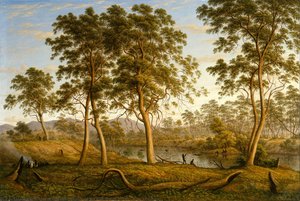
- "Natives on the Ouse River, Van Diemen’s Land" spiegelt europäische Vorstellungen von einer idyllischen Antipodenlandschaft wider.
- Gilt als “Vater der australischen Landschaftsmalerei” für seine bahnbrechenden Darstellungen des australischen Buschlandes.
- Seine Arbeit markierte eine Abkehr von früheren kolonialen Kunststilen und etablierte einen neuen Ansatz zur Darstellung der Natur in Australien.
- Die John Glover Society wurde gegründet, um sein Erbe zu ehren, indem ein Denkmal errichtet und ein jährlicher Preis für tasmanische Landschaftsgemälde gestiftet wurde.
Vermächtnis und Einfluss
- Glovers Werk wird weiterhin für seine Schönheit, technische Fähigkeiten und historische Bedeutung gefeiert.
- Seine Gemälde befinden sich in wichtigen Kunstgalerien in ganz Australien und international.
- Er gilt als eine wichtige Figur bei der Entwicklung der australischen Landschaftsmalerei und als bedeutender Beitrag zur kolonialen Kunstgeschichte.
- Seine Fähigkeit, das einzigartige Licht und die Atmosphäre der tasmanischen Landschaft einzufangen, wird von Künstlern und Kunstliebhabern gleichermaßen hoch geschätzt.
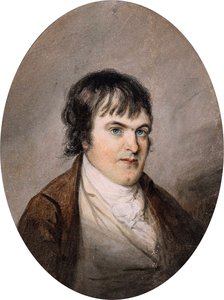
John Glover
1767 - 1849 , Vereinigtes Königreich
Kurzinfos
- Bemerkenswerte Werke:
- Launceston und der Tamar Fluss
- At Matlock - aufsteigender Nebel
- Ureinwohner am Ouse Fluss
- Einflussreiche Künstler:
- Claude Lorrain
- Thomas Gainsborough
- Richard Wilson
- Geburtsdatum: 18. Februar 1767
- Geburtsort: Leicester, Vereinigtes Königreich
- Künstlerische Richtung: Romantische Landschaftsmalerei
- Nationalität: Britisch
- Todestag: 9. Dezember 1849
- Vollständiger Name: John Glover
Ähnliche Artikel
Claude Monet: Die 25 Meisterwerke des Impressionismus für Ihr Zuhause | ArtsDot
Entdecken Sie die 25 Meisterwerke von Claude Monet! Tauchen Sie ein in die Welt des Impressionismus, erleben Sie Seerosen, Sonnenaufgänge & Kathedralen. Hochwertige Reproduktionen für Ihr Zuhause – exklusiv auf ArtsDot.com.
Impressionistische Landschaften: Die 10 Meisterwerke, die eine Epoche prägten | ArtsDot
Entdecken Sie die 10 Meisterwerke des Impressionismus! Von Monet bis Renoir – erleben Sie die Geschichte, Technik und zeitlose Schönheit ikonischer Landschaftsbilder. Hochwertige Kunstdrucke auf ArtsDot.com. Jetzt entdecken!
Impressionistische Landschaften: Die 10 Meisterwerke, die eine Kunstrichtung prägten | ArtsDot
Entdecken Sie die 10 Meisterwerke des Impressionismus! Von Monet bis Van Gogh – erleben Sie die Geschichten hinter berühmten Landschaftsbildern. Hochwertige Kunst Reproduktionen für Ihr Zuhause auf ArtsDot.com.
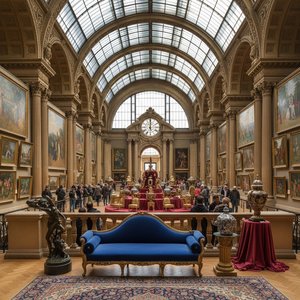
Top 25 Musée d'Orsay Meisterwerke: Kunst für Ihr Zuhause | ArtsDot
Entdecken Sie die 25 Meisterwerke des Musée d'Orsay! Von Monet bis Van Gogh – erleben Sie Impressionismus & Postimpressionismus. Hochwertige Kunstdrucke für Ihr Zuhause bei ArtsDot.com.
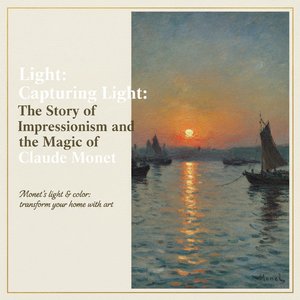
Capturing Light: The Revolution of Impressionism and the Eternal Legacy of Claude Monet
Explore the revolutionary world of Claude Monet and Impressionism. Discover how the mastery of light and color transformed art history, from plein air landscapes to the iconic Water Lilies series, and learn how to bring this timeless elegance into your home decor.