

 Vorschau anzeigen
 Versenden
 Teilen
 Details anzeigen

 Herunterladen
 Ähnliche Objekte
 Röntgenaufnahme
 Diashow
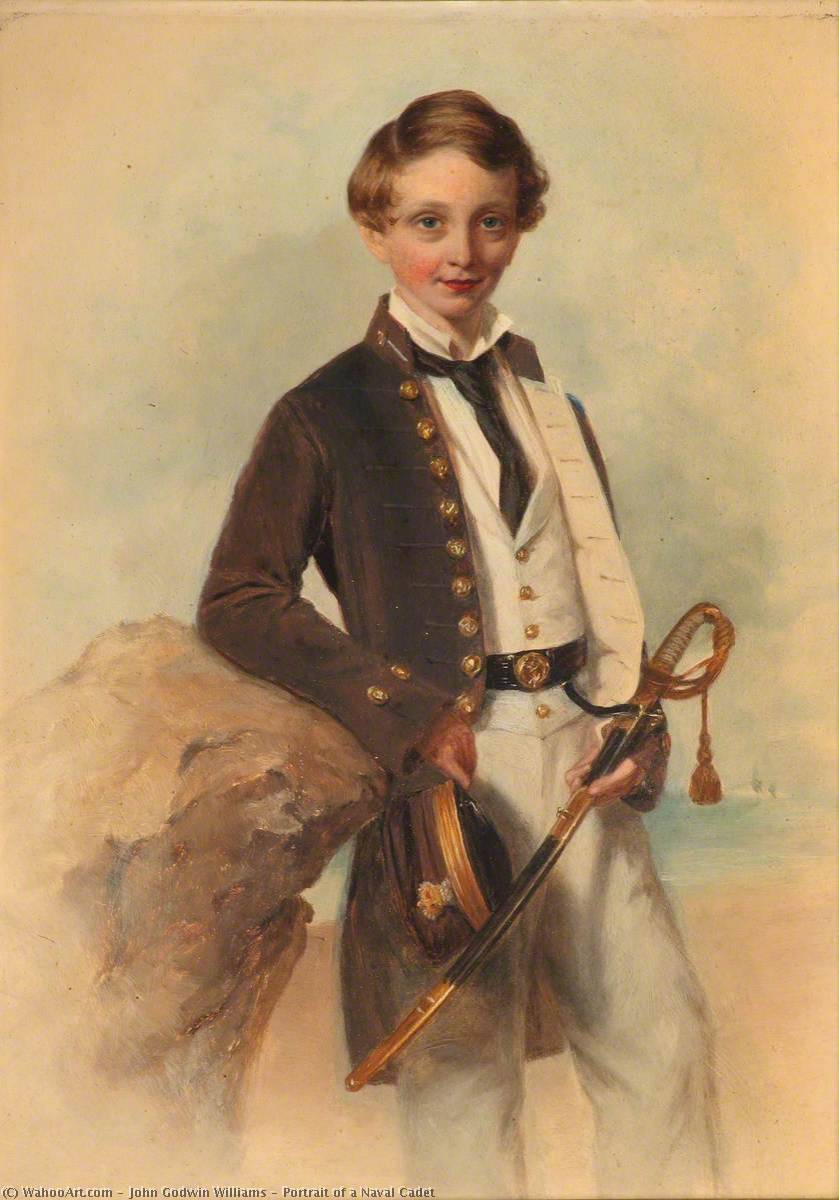
Portrait of a Naval Cadet
 1850
1850 32.0 x 23.0 cm
 Weiterlesen
Handgefertigte Ölreproduktion
Handgemaltes Ölgemälde auf Leinwand in Ihrer Wunschgröße und mit Rahmen, auf Bestellung von unseren Künstlern angefertigt. ( Druck bestellen Bild kaufen)




































Wählen Sie aus unseren vordefinierten Formaten, die den ursprünglichen Proportionen des Kunstwerks entsprechen.

Sie können Ihre eigenen Maße eingeben, um einen bestimmten Rahmen oder Platz auszufüllen. Wenn die gewählte Größe nicht den Proportionen des Originalbildes entspricht, werden wir das Kunstwerk entweder beschneiden oder das Gemälde durch zusätzliche, handgemalte Elemente erweitern. Ein digitales Mockup wird Ihnen zur Genehmigung zugesandt, bevor die Produktion beginnt.
Bitte beachten Sie, dass die Bildschirmvorschau nicht die tatsächliche Beschneidung oder Erweiterung widerspiegelt. Nur das Mockup zeigt die endgültige Komposition exakt an.
Obwohl Sondermaße verfügbar sind, empfehlen wir, eine Größe aus der vordefinierten Liste zu wählen, um die ursprünglichen Proportionen beizubehalten.
Nach der Bestellung wird das ArtsDot.com-Team dem Kunden Anweisungen per E-Mail zusenden und eine Mockup-Vorschau bereitstellen.
Weltweiter Versand () in nur 3 bis 4 Wochen statt der üblichen 5 Wochen. (24 August). Keine Kompromisse bei der Qualität.

Kostenloser weltweiter Expressversand

Hochwertige Leinenleinwand

Umfassender Versicherungsschutz beim Versand

Zollgebühren-Rückerstattungsgarantie

Garantie für exakte Farbtreue

60 Tage Rückgaberecht (nur bei Mängeln)

100% Geld-zurück-Garantie

Mengenrabatt verfügbar
 Die Glasoption ist nur für Größen unter 110 cm verfügbar.

Portrait of a Naval Cadet
Art der Reproduktion
Format der Reproduktion
-


Gesamtpreis
$ 263
Ähnliche Kunstwerke




Über den Künstler
John Godwin Williams (c.1793–1863): Bridging East and West in Victorian Portraiture
John Godwin Williams, born around 1793 in Madras (now Chennai), India, was a British artist who achieved considerable renown during the Victorian era for his meticulously crafted portraits of prominent figures from both Britain and its colonial dominions. His artistic journey began at St John’s College, Cambridge, where he studied Classics alongside Fine Arts, fostering an intellectual curiosity that profoundly shaped his artistic vision. This dual engagement with scholarship and art would become a hallmark of his career, informing not only his subject matter but also the stylistic nuances of his paintings. Williams' early training focused on watercolour painting, honing skills in capturing subtle tonal variations and atmospheric effects—techniques he would later adapt to oil paint. However, it was his relocation to Bombay (Mumbai) in 1823 that cemented his reputation as a portrait artist specializing in depictions of dignitaries and wealthy merchants. He quickly established himself as a sought-after painter, attracting commissions from influential families and individuals eager to commemorate their status and lineage. His portraits weren’t merely representations of likeness; they were carefully constructed narratives designed to convey prestige, character, and social standing. A significant influence on Williams' artistic style was the Pre-Raphaelite Brotherhood, though he eschewed their overtly romantic aesthetic in favor of a more restrained approach rooted in classical ideals. Nevertheless, the Brotherhood’s emphasis on meticulous observation and idealized beauty—particularly concerning drapery and anatomy—can be discerned in his canvases. He meticulously studied antique sculptures and drawings to achieve anatomical accuracy and compositional balance, reflecting a commitment to artistic excellence that transcended stylistic trends. Williams' oeuvre comprises approximately 150 paintings, predominantly portraits executed in oil on canvas. Among his most celebrated works are depictions of Lord Dalhousie, Governor General of India; Sir George Macartney, British Ambassador to China; and numerous members of the Bombay Merchant Elite. These portraits stand out for their remarkable detail—from the texture of fabrics to the subtle expressions conveyed by the subjects’ faces—demonstrating Williams' mastery of technique and his ability to capture the essence of his sitters. His paintings are housed in collections across Europe and North America, testifying to their enduring artistic merit and historical significance. His contribution to Victorian art extends beyond individual portraits; he championed the revival of classical painting conventions within British artistic circles. By synthesizing influences from both Eastern and Western traditions—particularly through his Cambridge education—Williams produced a distinctive body of work that embodies the spirit of its time. He remains an artist whose legacy continues to inspire admiration for his technical skill, intellectual depth, and unwavering dedication to portraying human dignity with grace and precision.- Early Life & Education: Williams was born in Madras, India, a son of Reverend William Williams, rector of St Mary’s Church, Chennai.
- Cambridge Training: He pursued his studies at St John's College, Cambridge, earning degrees in Classics and Fine Arts—a formative experience that instilled in him a lifelong appreciation for intellectual rigor and artistic innovation.
- Watercolor Beginnings & Artistic Style: Williams initially honed his skills in watercolor painting, mastering tonal variations and atmospheric effects – techniques he would later integrate into his oil paintings.
- Bombay Period & Portrait Commissions: His move to Bombay in 1823 marked a pivotal moment, establishing him as a leading portrait artist catering to the demands of wealthy merchants and dignitaries.
- Influence of Pre-Raphaelitism: Although he distanced himself from the Brotherhood’s romantic fervor, Williams absorbed its principles of meticulous observation and idealized beauty—particularly concerning drapery and anatomy—resulting in a distinctive artistic style.
- Technical Mastery & Anatomical Accuracy: He meticulously studied antique sculptures and drawings to achieve anatomical precision and compositional balance – demonstrating unparalleled skill and dedication to artistic excellence.
- Notable Paintings: Williams’ prolific output included portraits of Lord Dalhousie, Sir George Macartney, and numerous Bombay Merchant Elite members—each piece characterized by exceptional detail and conveying profound social significance.
- Collection & Legacy: His paintings are now held in prominent collections worldwide, securing his place as one of the most celebrated portrait artists of the Victorian era and ensuring that his artistic vision continues to resonate with audiences today.
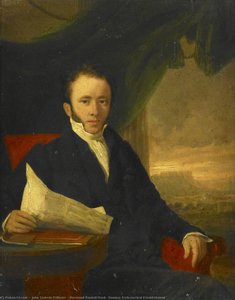
John Godwin Williams
England
Kurzinfos
- Artistic Movement Or Style: Victorian Portraiture
- Artists Or Movements Influenced By This Artist: ['Romanticism']
- Artists Who Influenced This Artist:
- Sir Joshua Reynolds
- Thomas Lawrence
- Date Of Birth: c.1793
- Date Of Death: 1863
- Full Name: John Godwin Williams
- Nationality: Britisch
- Notable Artworks:
- Portrait of Lady Harriet Wyndham
- Portrait of Sir William Stirling Morton
- Place Of Birth: Cambridge, England

