 Vorschau anzeigen
 Versenden
 Teilen
 Details anzeigen

 Herunterladen
 Ähnliche Objekte
 Röntgenaufnahme
 Diashow
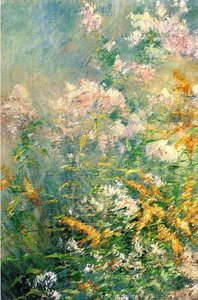
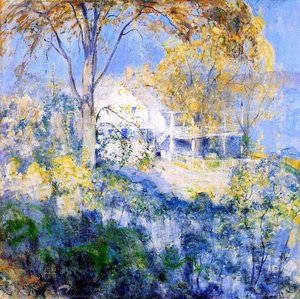
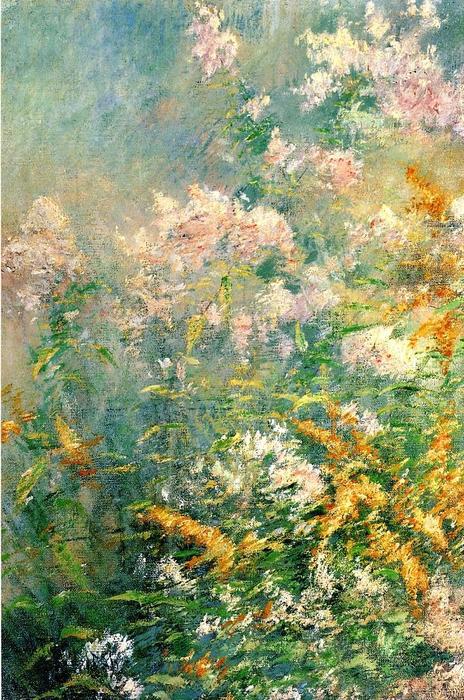
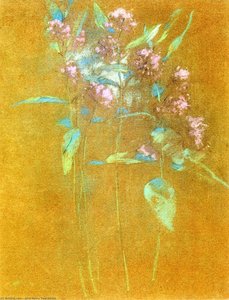
Wiesenblumen (auch bekannt als Goldrute und Wildaster)


 Weiterlesen
Handgefertigte Ölreproduktion
Handgemaltes Ölgemälde auf Leinwand in Ihrer Wunschgröße und mit Rahmen, auf Bestellung von unseren Künstlern angefertigt. ( Druck bestellen Bild kaufen)




P118B $10

P118H $10

P118W $10

P438Z $10

P508JH $12

P508YH $12

P805H $10

P805Z $10

P919BZ $10

P919G $10

P919XJ $10

P959ZH $10

P968JZ $12

W106C $8

W218G $10

W218JH $8

W218Y $10

W307PJ $10

W316G $10

W316PJ $8

W316Y $10

W398PJ $8

W4111J $10

W500HY $15

W500JH $15

W692G $12

W849H $8

W940BG $15

W953PJ $8




Wählen Sie aus unseren vordefinierten Formaten, die den ursprünglichen Proportionen des Kunstwerks entsprechen.

Sie können Ihre eigenen Maße eingeben, um einen bestimmten Rahmen oder Platz auszufüllen. Wenn die gewählte Größe nicht den Proportionen des Originalbildes entspricht, werden wir das Kunstwerk entweder beschneiden oder das Gemälde durch zusätzliche, handgemalte Elemente erweitern. Ein digitales Mockup wird Ihnen zur Genehmigung zugesandt, bevor die Produktion beginnt.
Bitte beachten Sie, dass die Bildschirmvorschau nicht die tatsächliche Beschneidung oder Erweiterung widerspiegelt. Nur das Mockup zeigt die endgültige Komposition exakt an.
Obwohl Sondermaße verfügbar sind, empfehlen wir, eine Größe aus der vordefinierten Liste zu wählen, um die ursprünglichen Proportionen beizubehalten.
Nach der Bestellung wird das ArtsDot.com-Team dem Kunden Anweisungen per E-Mail zusenden und eine Mockup-Vorschau bereitstellen.
Weltweiter Versand () in nur 3 bis 4 Wochen statt der üblichen 5 Wochen. (1 September). Keine Kompromisse bei der Qualität.

Kostenloser weltweiter Expressversand

Hochwertige Leinenleinwand

Umfassender Versicherungsschutz beim Versand

Zollgebühren-Rückerstattungsgarantie

Garantie für exakte Farbtreue

60 Tage Rückgaberecht (nur bei Mängeln)

100% Geld-zurück-Garantie

Mengenrabatt verfügbar
 Die Glasoption ist nur für Größen unter 110 cm verfügbar.

Wiesenblumen (auch bekannt als Goldrute und Wildaster)
Art der Reproduktion
Format der Reproduktion
-


Gesamtpreis
$ 263
A Pioneer of American Impressionism: The Life and Art of John Henry Twachtman
John Henry Twachtman’s “Meadow Flowers,” painted in 1895, stands as a cornerstone of American Impressionist art—a testament to his unwavering dedication to capturing the ephemeral beauty of the natural world. Currently residing at the Brooklyn Museum, this oil on canvas masterpiece exemplifies Twachtman's distinctive approach: prioritizing light and color over meticulous detail to convey mood and atmosphere. His artistic journey began with formal training under Frank Duveneck in Cincinnati, Ohio, fostering a foundational understanding of academic principles that would later inform his groundbreaking stylistic innovations.The Impressionist Style – Embracing Light and Color
Twachtman’s artistic philosophy revolved around the tenets of Impressionism, championed by artists like Claude Monet and Pierre-Auguste Renoir. Rejecting the conventions of traditional painting—which sought to represent subjects with idealized accuracy—Impressionists aimed instead to depict fleeting moments in time, prioritizing sensory experience above all else. This is vividly realized in “Meadow Flowers,” where Twachtman skillfully employs bold brushstrokes and vibrant hues – predominantly yellows and pinks – to recreate the radiant glow of sunlight filtering through a meadow filled with wildflowers. The artist’s technique isn't about precise rendering; it’s about conveying the feeling of being *there*, experiencing the warmth and vibrancy of the scene firsthand.Composition and Technique: A Bold Departure from Tradition
Unlike many artists of his era who adhered to perspectival conventions, Twachtman deliberately eschewed traditional spatial representation. The canvas is dominated by a simplified composition—a vertical format emphasizing the upward movement of blossoms against an undefined horizon line—effectively minimizing depth perception. This stylistic choice underscores the painting’s core focus: not on accurately portraying space but on immersing the viewer in the sensory richness of the meadow itself. The artist's masterful brushwork contributes significantly to this effect, layering pigment onto the canvas with energetic strokes that create a textured surface and imbue the image with palpable movement. This deliberate abstraction speaks volumes about Twachtman’s artistic vision—a desire to transcend mere visual representation and tap into deeper emotional resonance.Historical Context: The Rise of Impressionism in America
The painting emerged during a period of significant artistic ferment in America, coinciding with the burgeoning influence of European Impressionist ideas. Artists like Twachtman were actively experimenting with new techniques and approaches, challenging established norms and forging their own paths toward expressive art. This movement represented a decisive break from academic realism—a rejection of idealized depictions favored by the Beaux Arts tradition—and embraced instead the immediacy and spontaneity of capturing fleeting impressions of nature. The Brooklyn Museum’s acquisition of “Meadow Flowers” reflects this broader cultural shift, recognizing its importance as an exemplar of American artistic innovation.Symbolism and Emotional Impact
Beyond its technical brilliance, “Meadow Flowers” carries symbolic weight—a celebration of springtime renewal and the beauty inherent in the natural world. The abundance of wildflowers symbolizes fertility and vitality, mirroring Twachtman’s own fascination with capturing the essence of organic life. More profoundly, however, the painting evokes a sense of tranquility and contemplation, inviting viewers to pause and appreciate the simple pleasures of observation. It's a piece that speaks to our innate desire for connection with nature—a reminder of beauty found in everyday moments and rendered with unparalleled sensitivity to light and color.- Artist: John Henry Twachtman
- Year: 1895
- Location: Brooklyn Museum
- Medium: Oil on Canvas
Ähnliche Kunstwerke
Über den Künstler
Frühes Leben und künstlerische Entwicklung
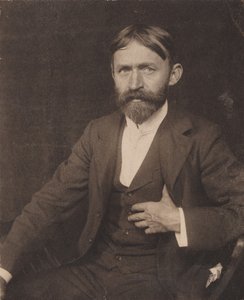
John Henry Twachtman, ein amerikanischer Maler, wurde am 4. August 1853 in Cincinnati, Ohio, geboren. Seine künstlerische Reise begann unter der Anleitung von Frank Duveneck in seiner Heimatstadt. Diese grundlegende Ausbildung legte den Grundstein für seine späteren Erkundungen in verschiedenen Kunstrichtungen.Europäische Studienzeit und künstlerische Entwicklung
Zwischen 1875 und 1877 besuchte Twachtman die Akademie der Schönen Künste in München, wo er seine Fähigkeiten in einer locker gebürsteten, schattigen Technik verfeinerte. Diese Zeit war geprägt von seinem Besuch in Venedig mit William Merritt Chase, wodurch sich seine künstlerischen Horizonte weiter erweiterten. Seine Landschaftsbilder aus dieser Zeit spiegeln die Einflüsse seiner europäischen Ausbildung wider.Pariser Intermezzo und Tonalismus
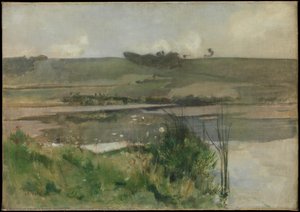
Von 1883 bis 1885 studierte Twachtman an der Académie Julian in Paris, was seinen Stil deutlich in einen weichen, grauen und grünen tonalistischen Ansatz verlagerte. Diese Zeit wird oft als der Höhepunkt seiner Karriere angesehen, mit bemerkenswerten Werken wie *Arques-la-Bataille* (in der Sammlung des Metropolitan Museum of Art, New York) und *Frühling* (in der Sammlung des Cincinnati Art Museum).Amerikanische Rückkehr und Cos Cob Einfluss
Nach seiner Rückkehr in die Vereinigten Staaten ließ sich Twachtman in Connecticut nieder und kaufte einen Bauernhof in Greenwich. Seine Anwesenheit in der Cos Cob Kunstkolonie war entscheidend, sie entfachte den kreativen Geist seiner Freunde und Schüler mit seiner Kunst, seinen Gesprächen und seinem Unterricht.Vermächtnis und bedeutende Werke
Twachtmans spätere Arbeit ist durch eine hochpersönliche impressionistische Technik gekennzeichnet, die oft schneebedeckte Landschaften seines Bauernhofs und Gartens darstellt. Seine Serie lebendiger Szenen in Gloucester, Massachusetts, kündigte einen moderneren Stil in der amerikanischen Kunst an.- Landschaft 3 (200 x 152 cm, Metropolitan Museum of Art, New York, Tonalismus, Öl)
- Der Holland Dyke (Tonalismus, Öl)
- Weitere Werke von John Henry Twachtman
Referenzen:
John Henry Twachtman
1853 - 1902 , Vereinigte Staaten von Amerika
Kurzinfos
- Beeinflusste Künstler:
- Marsden Hartley
- Arthur Dove
- Milton Avery
- Bemerkenswerte Werke:
- Landschaft 3
- The Holland Dyke
- Einflüsse:
- Frank Duveneck
- Claude Monet
- Geburtsdatum: 04. August 1853
- Geburtsort: Cincinnati, USA
- Künstlerische Richtung: Impressionismus, Tonalismus
- Nationalität: Amerikanisch
- Todatum: 08. August 1902
- Vollständiger Name: John Henry Twachtman
Ähnliche Artikel
Die zartesten Meisterwerke: Top 10 Gemälde in Lichtrosa & ihre Geschichte |
Entdecken Sie die Top 10 berühmter Gemälde in zarten Rosatönen! Von impressionistischen Meisterwerken bis hin zu romantischen Ikonen – erfahren Sie mehr über Künstler, Techniken & Geschichte. Hochwertige Kunstdrucke auf .
Die Top 10 berühmter Gemälde im Gelbocherton – Kunst für Ihr Zuhause |
Entdecken Sie die Top 10 berühmter Gemälde, dominiert von warmen Gelbochtönen! Von Van Gogh bis Monet – erfahren Sie die Geschichten hinter den Meisterwerken und lassen Sie sich für Ihre Wohnraumgestaltung inspirieren. Hochwertige Kunstdrucke auf
Blossoms of Time: A Historical & Aesthetic Exploration of Floral Painting Across Cultures
Explore the rich history of floral painting! Discover symbolism, techniques & masterpieces from Van Huysum to O'Keeffe. Expert insights for art lovers & collectors at ArtsDot.
Chromgelb in der Kunstgeschichte: Die 10 berühmtesten Gemälde & ihre Meister
Entdecken Sie die 10 berühmtesten Gemälde, dominiert von der leuchtenden Farbe Chromgelb! Von Van Gogh bis Monet – erfahren Sie Geschichten hinter Meisterwerken & finden Sie Ihre perfekte Kunst-Reproduktion auf ArtsDot.com.
Blossoming Symbolism: A Historical Journey Through Flowers in Western Painting
Explore the rich history of flower symbolism in Western painting! Discover how artists from the Renaissance to Modernism used blossoms to convey meaning, emotion & beauty. Learn about iconic artworks and movements.