 Vorschau anzeigen
 Versenden
 Teilen
 Details anzeigen

 Herunterladen
 Ähnliche Objekte
 Röntgenaufnahme
 Diashow
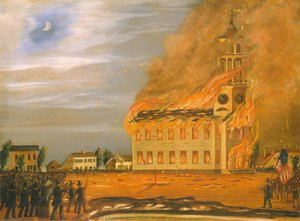
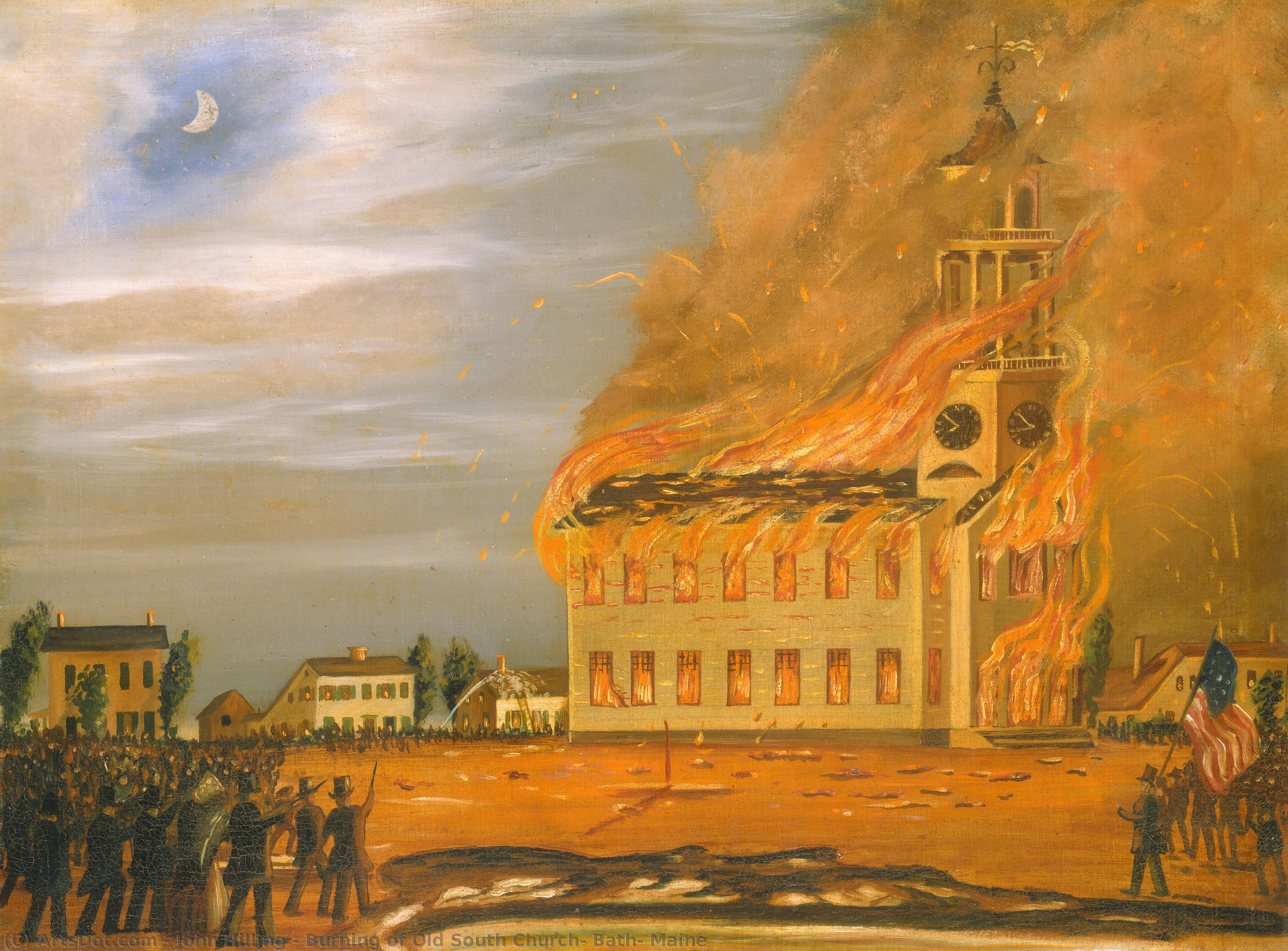
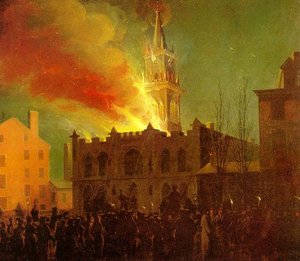
Burning of Old South Church, Bath, Maine
 1854
1854 56.0 x 71.0 cm
 Weiterlesen
Giclée / Kunstdruck
Giclée- oder Leinwanddruck in Museumsqualität mit schneller Produktion und flexiblen Veredelungsoptionen. ( Handgemalte Reproduktion bestellen Bild kaufen)




































Wählen Sie aus unseren vordefinierten Formaten, die den ursprünglichen Proportionen des Kunstwerks entsprechen.

Sie können Ihre eigenen Maße eingeben, um ein bestimmtes Format oder einen speziellen Platz einzupassen. Wenn das von Ihnen gewählte Format nicht den Proportionen des Originalbildes entspricht, werden wir das Kunstwerk entweder beschneiden oder das Bild mit einem gespiegelten oder einfarbigen Rand erweitern. Ein digitaler Entwurf wird Ihnen zur Genehmigung zugesandt, bevor die Produktion beginnt.
Bitte beachten Sie, dass die Vorschau auf dem Bildschirm nicht den tatsächlichen Zuschnitt oder die Erweiterung widerspiegelt. Nur der Entwurf zeigt die endgültige Komposition präzise an.
Obwohl Sondermaße verfügbar sind, empfehlen wir die Auswahl eines Maßes aus der vordefinierten Liste, um die ursprünglichen Proportionen zu bewahren.
Weltweiter Versand () innerhalb von 2 Wochen statt der üblichen 4/5 Wochen. (26 August)

Kostenloser weltweiter Expressversand

Hochwertige Leinenleinwand

Umfassender Versicherungsschutz beim Versand

Zollgebühren-Rückerstattungsgarantie

Garantie für exakte Farbtreue

60 Tage Rückgaberecht (nur bei Mängeln)

100% Geld-zurück-Garantie

Mengenrabatt verfügbar
 Die Glasoption ist nur für Größen unter 110 cm verfügbar.

Burning of Old South Church, Bath, Maine
Giclée / Kunstdruck
Format der Reproduktion
-


Gesamtpreis
$ 62
Ähnliche Kunstwerke




Über den Künstler
The Enigmatic Landscapes of John Hilling
John Hilling remains a somewhat elusive figure in contemporary landscape painting, an artist whose work quietly commands attention through its subtle power and evocative atmosphere. Born in , his artistic journey has been marked by a consistent dedication to capturing the essence of place, not through meticulous representation, but through a deeply felt emotional response to the natural world. Unlike many artists who seek dramatic vistas or bold color palettes, Hilling’s canvases are often characterized by muted tones, soft edges, and an almost meditative stillness. This approach doesn't suggest a lack of engagement with his subject matter; rather, it speaks to a profound intimacy – a desire to understand the landscape from within, rather than simply observe it from afar. While biographical details remain scarce, contributing to the mystique surrounding his practice, the paintings themselves offer compelling insights into his artistic sensibility and evolving vision.Early Influences and Artistic Development
Tracing Hilling’s formative influences is a complex undertaking, given the artist's reticence regarding personal history. However, art historians have noted resonances with the British Romantic tradition, particularly the works of J.M.W. Turner and John Constable. Like these masters, Hilling demonstrates a keen awareness of atmospheric effects – the play of light and shadow, the shifting moods of weather, and the inherent ephemerality of nature. The influence isn’t one of direct imitation, but rather a shared sensibility—a belief in the landscape as a conduit for spiritual experience. Early works suggest an exploration of watercolor techniques, which likely informed his later use of diluted oils to achieve a similar luminosity and transparency. He gradually moved away from detailed depictions towards more abstracted forms, prioritizing emotional impact over topographical accuracy. This shift can be seen as a response to the increasing fragmentation and alienation of modern life, with Hilling seeking solace and meaning in the enduring beauty of the natural world.Themes and Techniques
The core theme running through Hilling’s oeuvre is undoubtedly the relationship between humanity and nature. His paintings are rarely populated by figures; when they do appear, they are often small and isolated, dwarfed by the immensity of the landscape. This compositional choice underscores a sense of human vulnerability and insignificance in the face of natural forces. Hilling’s technique is equally compelling. He employs a layering process, building up thin washes of oil paint over extended periods. This allows for subtle gradations of color and texture, creating an almost ethereal quality. The artist often works directly from observation, but his paintings are not simply records of specific locations. Instead, they are distillations of memory, feeling, and imagination—evocations of a particular atmosphere or emotional state. He frequently returns to similar motifs – fields, forests, coastlines – suggesting a deep connection to certain places and a desire to explore their nuances over time.Major Achievements and Historical Significance
While Hilling has maintained a relatively low profile throughout his career, his work has garnered increasing recognition in recent years. He has exhibited regularly in galleries across , and his paintings are held in numerous private collections.- His contribution lies not in groundbreaking innovation, but in the refinement of a particular vision—a quiet yet powerful exploration of the landscape as a source of spiritual renewal.
- In an art world often dominated by spectacle and conceptualism, Hilling’s paintings offer a welcome respite—a reminder of the enduring beauty and emotional resonance of the natural world.
- His work can be seen as part of a broader trend towards ecological awareness and a renewed appreciation for the environment.