

 Vorschau anzeigen
 Versenden
 Teilen
 Details anzeigen

 Herunterladen
 Ähnliche Objekte
 Röntgenaufnahme
 Diashow
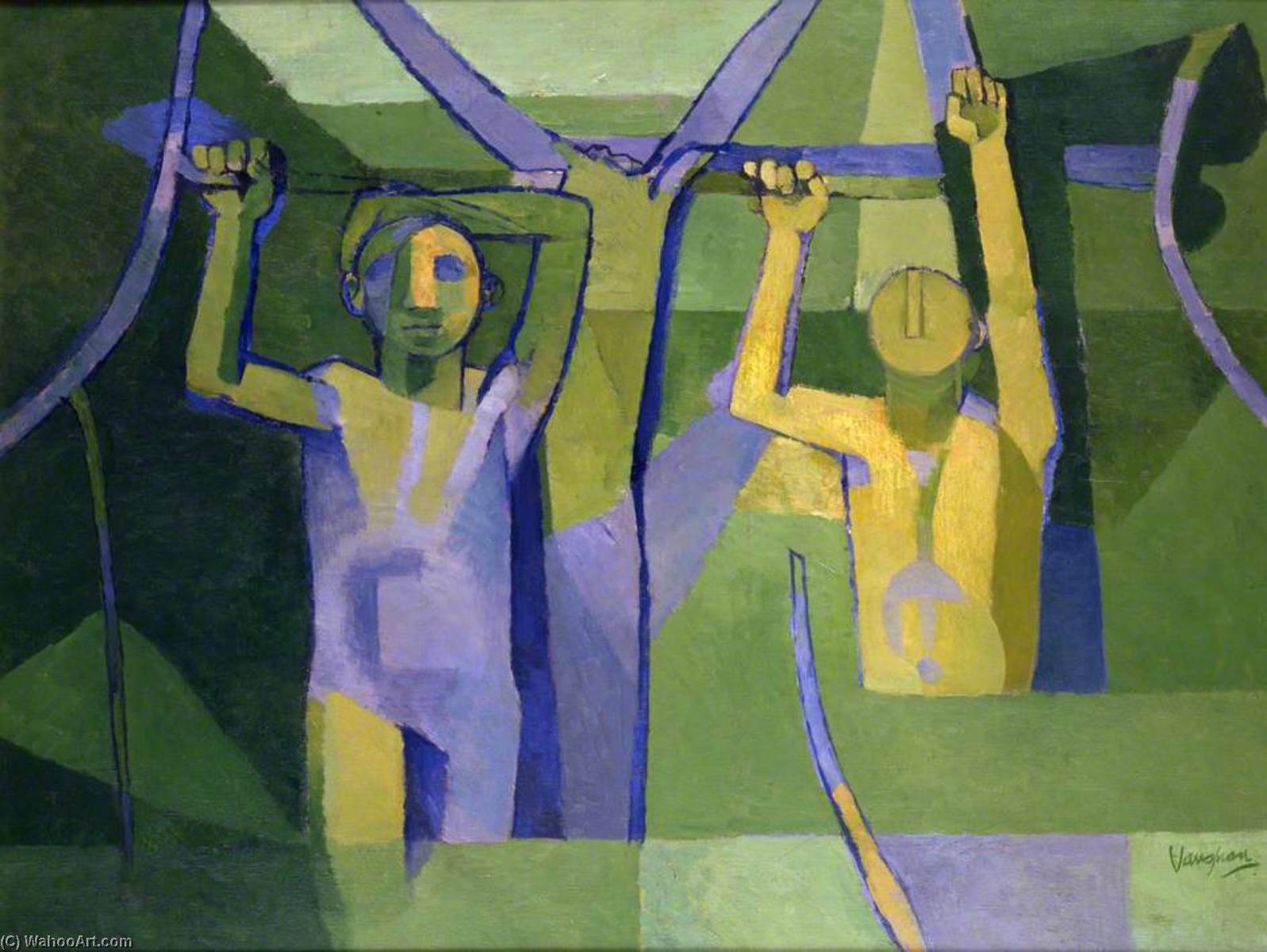
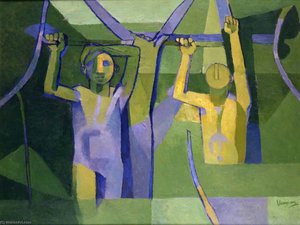
Water, Trees and Figures II
 1959
1959 63.0 x 84.0 cm
 British Council Collection
 Weiterlesen
Giclée / Kunstdruck
Giclée- oder Leinwanddruck in Museumsqualität mit schneller Produktion und flexiblen Veredelungsoptionen. ( Handgemalte Reproduktion bestellen Bild kaufen)




































Wählen Sie aus unseren vordefinierten Formaten, die den ursprünglichen Proportionen des Kunstwerks entsprechen.

Sie können Ihre eigenen Maße eingeben, um ein bestimmtes Format oder einen speziellen Platz einzupassen. Wenn das von Ihnen gewählte Format nicht den Proportionen des Originalbildes entspricht, werden wir das Kunstwerk entweder beschneiden oder das Bild mit einem gespiegelten oder einfarbigen Rand erweitern. Ein digitaler Entwurf wird Ihnen zur Genehmigung zugesandt, bevor die Produktion beginnt.
Bitte beachten Sie, dass die Vorschau auf dem Bildschirm nicht den tatsächlichen Zuschnitt oder die Erweiterung widerspiegelt. Nur der Entwurf zeigt die endgültige Komposition präzise an.
Obwohl Sondermaße verfügbar sind, empfehlen wir die Auswahl eines Maßes aus der vordefinierten Liste, um die ursprünglichen Proportionen zu bewahren.
Weltweiter Versand () innerhalb von 2 Wochen statt der üblichen 4/5 Wochen. (21 August)

Kostenloser weltweiter Expressversand

Hochwertige Leinenleinwand

Umfassender Versicherungsschutz beim Versand

Zollgebühren-Rückerstattungsgarantie

Garantie für exakte Farbtreue

60 Tage Rückgaberecht (nur bei Mängeln)

100% Geld-zurück-Garantie

Mengenrabatt verfügbar
 Die Glasoption ist nur für Größen unter 110 cm verfügbar.

Water, Trees and Figures II
Giclée / Kunstdruck
Format der Reproduktion
-


Gesamtpreis
$ 62
Sammlerstück-Beschreibung
Composition and Symbolism
The painting features two individuals suspended from ropes or wires, set against a backdrop of trees and water. The use of bold colors, particularly blue and yellow, adds to the overall sense of tension and drama. The clock visible in the background may signify the passing of time, adding an element of urgency to the scene. Key elements of the painting include:- The juxtaposition of natural and man-made elements
- The use of vibrant colors to convey emotion
- The sense of movement and energy in the composition
Artist and Style
John Keith Vaughan was a British artist known for his unique style, which blended elements of abstraction and figurative art. His work often featured bold colors and emotive themes, as seen in Water, Trees and Figures II. For more information on the artist and his works, visit John Keith Vaughan's page on ArtsDot. Other notable artists whose works can be found on ArtsDot include Neil Gavin Welliver and Harold Barling Town. Their paintings, such as Royal Head and Passage Over Yesterday, showcase a range of styles and techniques. For more information on these artists and their works, visit Neil Gavin Welliver's page and Harold Barling Town's page on ArtsDot.The legacy of Anton Webern, an Austrian composer, can be found on Wikipedia, where his contributions to music and the Second Viennese School are discussed in detail. Visit Anton Webern's page to learn more about his life and work.
In conclusion, Water, Trees and Figures II by John Keith Vaughan is a captivating artwork that invites viewers to explore its symbolism and meaning. Through its bold colors and thought-provoking composition, this painting showcases the artist's unique style and technique. For handmade oil painting reproductions of this and other notable artworks, visit ArtsDot.
Ähnliche Kunstwerke



Über den Künstler
John Keith Vaughan (1912–1977): A Visionary Landscape Painter
John Keith Vaughan (1912–1977) stands as a singular figure in British art history, celebrated for his evocative landscapes imbued with symbolic depth and masterful execution. Born in Selsey Bill, Sussex, Vaughan’s artistic journey began without formal instruction—a formative experience shaped by bullying at Christ’s Hospital School—yet he cultivated an independent spirit that propelled him toward remarkable achievements despite facing personal struggles. His distinctive style emerged from a confluence of influences, notably Cézanne, Picasso, Matisse and Nicolas de Staël, reflecting his profound engagement with European art traditions.- Early Life & Education: Vaughan’s childhood was marked by hardship at Christ’s Hospital School, where he endured bullying—a formative experience that instilled resilience and shaped his worldview. Despite lacking formal artistic training, he pursued a path of self-discovery through apprenticeship at the Lintas advertising agency, gaining valuable insight into composition and visual storytelling.
- Painting Career: Vaughan's artistic career commenced in 1939 when he abandoned advertising to dedicate himself entirely to painting—a pivotal decision that would define his creative output. He honed his skills during his time at Camberwell School of Art, Central School of Art and Design and Slade, establishing himself as a respected teacher and mentor.
- Neo-Romanticism & Influences: Vaughan’s artistic sensibilities were profoundly impacted by the Neo-Romantic movement of the 1940s, where he collaborated closely with John Minton and Graham Sutherland—artists who shared his fascination for capturing the emotional resonance of nature. These figures served as crucial sources of inspiration, guiding Vaughan's exploration of themes related to human experience and spirituality.
- Notable Works & Style: Vaughan’s oeuvre is characterized by a distinctive approach to landscape painting—a genre he embraced with unwavering conviction. His canvases frequently depict solitary figures immersed in expansive vistas, conveying a sense of contemplation and confronting existential questions. He achieved particular renown for his monumental paintings such as ‘Green Jug’, which exemplify his masterful use of impasto technique and symbolic imagery.
- Legacy & Recognition: Vaughan’s artistic legacy extends beyond his individual creations—he fostered the development of younger artists, shaping the trajectory of British art in subsequent decades. His journal, documenting his personal reflections on life, art and homosexuality, offers invaluable insight into his inner world and illuminates the complexities of his creative process. He was awarded a CBE in 1965 for his contributions to the arts, cementing his place as one of Britain’s most influential painters.
- Redfern Gallery: Keith Vaughan Biography
- Art UK: Keith Vaughan
- Pallant House Gallery: Keith Vaughan: Romanticism to Abstraction
- Wikipedia Entry:Keith Vaughan Wikipedia
john keith vaughan
1912 - 1977
Kurzinfos
- Artistic Movement Or Style: Neo-Romanticism
- Artists Or Movements Influenced By This Artist:
- Cézanne
- Picasso
- Artists Who Influenced This Artist:
- Graham Sutherland
- Henry Moore
- Date Of Birth: 1912
- Date Of Death: 1977
- Full Name: John Keith Vaughan
- Nationality: British
- Notable Artworks:
- Green Jug
- Vaughan, John Keith
- Place Of Birth: Selsey Bill, Sussex

