 Vorschau anzeigen
 Versenden
 Teilen
 Details anzeigen

 Herunterladen
 Ähnliche Objekte
 Röntgenaufnahme
 Diashow
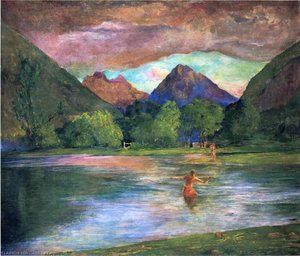
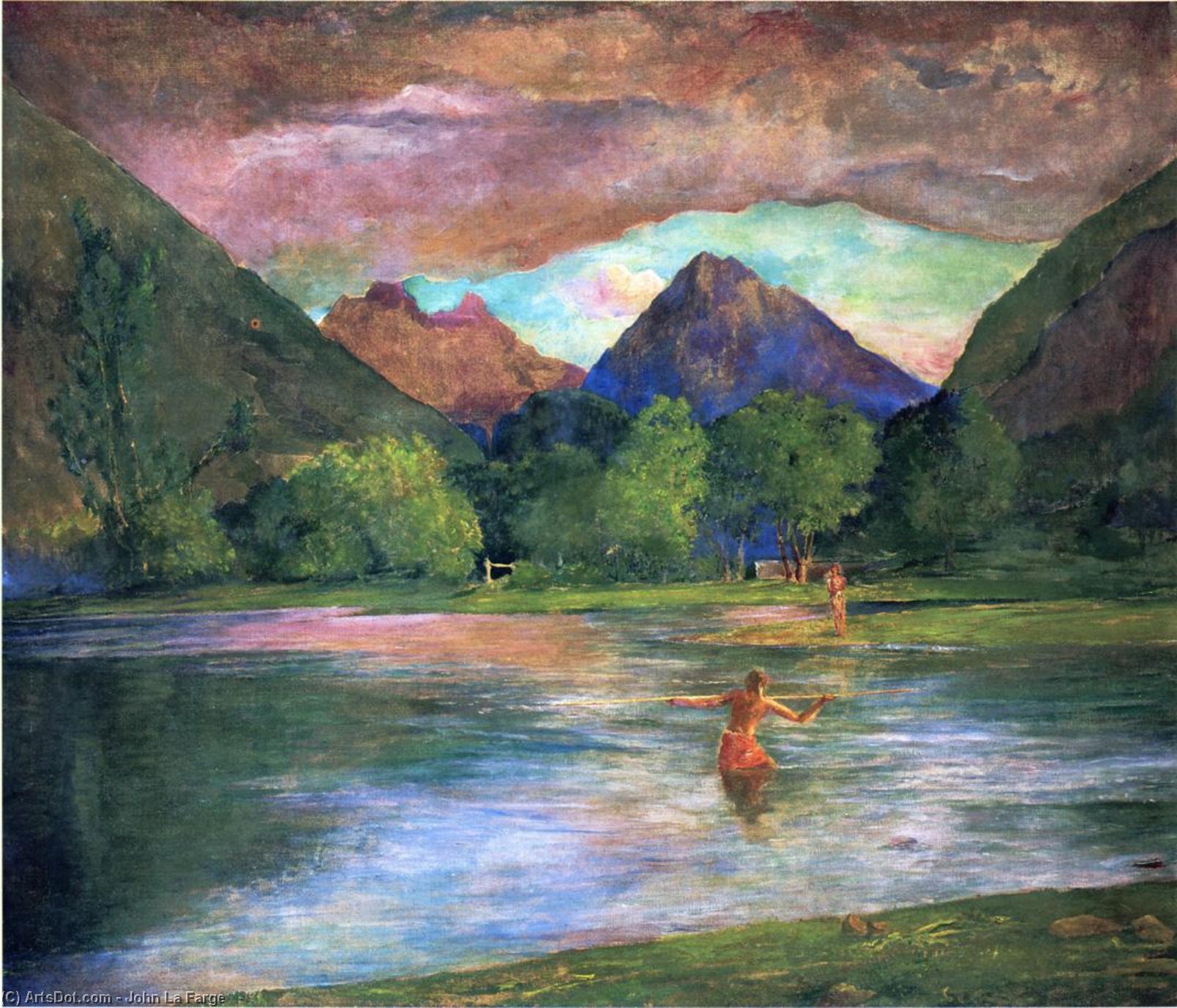
Die Einfahrt in den Tautira-Fluss, Tahiti. Fischer beim Speeren eines Fisches


 Weiterlesen
Giclée / Kunstdruck
Giclée- oder Leinwanddruck in Museumsqualität mit schneller Produktion und flexiblen Veredelungsoptionen. ( Handgemalte Reproduktion bestellen Bild kaufen)




P118B $10

P118H $10

P118W $10

P438Z $10

P508JH $12

P508YH $12

P805H $10

P805Z $10

P919BZ $10

P919G $10

P919XJ $10

P959ZH $10

P968JZ $12

W106C $8

W218G $10

W218JH $8

W218Y $10

W307PJ $10

W316G $10

W316PJ $8

W316Y $10

W398PJ $8

W4111J $10

W500HY $15

W500JH $15

W692G $12

W849H $8

W940BG $15

W953PJ $8




Wählen Sie aus unseren vordefinierten Formaten, die den ursprünglichen Proportionen des Kunstwerks entsprechen.

Sie können Ihre eigenen Maße eingeben, um ein bestimmtes Format oder einen speziellen Platz einzupassen. Wenn das von Ihnen gewählte Format nicht den Proportionen des Originalbildes entspricht, werden wir das Kunstwerk entweder beschneiden oder das Bild mit einem gespiegelten oder einfarbigen Rand erweitern. Ein digitaler Entwurf wird Ihnen zur Genehmigung zugesandt, bevor die Produktion beginnt.
Bitte beachten Sie, dass die Vorschau auf dem Bildschirm nicht den tatsächlichen Zuschnitt oder die Erweiterung widerspiegelt. Nur der Entwurf zeigt die endgültige Komposition präzise an.
Obwohl Sondermaße verfügbar sind, empfehlen wir die Auswahl eines Maßes aus der vordefinierten Liste, um die ursprünglichen Proportionen zu bewahren.
Weltweiter Versand () innerhalb von 2 Wochen statt der üblichen 4/5 Wochen. (31 August)

Kostenloser weltweiter Expressversand

Hochwertige Leinenleinwand

Umfassender Versicherungsschutz beim Versand

Zollgebühren-Rückerstattungsgarantie

Garantie für exakte Farbtreue

60 Tage Rückgaberecht (nur bei Mängeln)

100% Geld-zurück-Garantie

Mengenrabatt verfügbar
 Die Glasoption ist nur für Größen unter 110 cm verfügbar.

Die Einfahrt in den Tautira-Fluss, Tahiti. Fischer beim Speeren eines Fisches
Giclée / Kunstdruck
Format der Reproduktion
-


Gesamtpreis
$ 62
Die Entlangung des Tautira Flusses, Tahiti – Ein Fischer beim Fischen
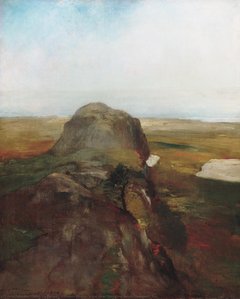
John La Farge’s “The Entrance to the Tautira River, Tahiti – Fisherman Spearing a Fish” is more than just a picturesque landscape; it's a vibrant snapshot of life in colonial Tahiti, imbued with the artist’s profound appreciation for both the natural world and the exotic cultures he encountered during his extensive travels. Painted in 1895, this work offers a glimpse into a rapidly changing era – a time when European influence was steadily reshaping the Polynesian islands while simultaneously capturing the enduring beauty of their traditions.
The scene unfolds with remarkable clarity, dominated by the imposing silhouette of the volcanic mountains that frame the Tautira River. La Farge masterfully employs atmospheric perspective, utilizing subtle shifts in color and tone to create a sense of depth and distance. The river itself, rendered in cool blues and greens, snakes its way through the landscape, reflecting the dappled sunlight filtering through the dense foliage. The artist’s meticulous attention to detail is evident in every element – from the individual leaves on the trees to the ripples on the water's surface.
Farben und Technik: Ein Ausdruck des amerikanischen Impressionismus
La Farge was a pivotal figure in bridging the gap between European artistic traditions and the burgeoning American Impressionist movement. His training in Paris, particularly under Thomas Couture, exposed him to the techniques of academic painting – rich colors, precise draftsmanship, and a focus on historical or mythological subjects. However, he skillfully integrated these influences with his own unique vision, resulting in a style characterized by luminous color palettes, loose brushwork, and an emphasis on capturing fleeting moments of light and atmosphere. In “The Entrance to the Tautira River,” this is particularly evident in the way he uses broken color – applying small dabs of paint side-by-side rather than blending them together – to create a shimmering effect that mimics the play of sunlight through the trees.
La Farge’s technique leans heavily into capturing the *plein air* experience, though this was done in a studio. He prioritized direct observation and immediate response to the scene before him. The brushstrokes are visible, contributing to the painting's sense of immediacy and vitality. The use of complementary colors – such as the vibrant oranges and yellows against the cool blues and greens – further enhances the visual impact, creating a dynamic and engaging composition.
Symbolik und kulturelle Bedeutung
Beyond its aesthetic beauty, “The Entrance to the Tautira River” carries significant symbolic weight. The central figure of the fisherman spear fishing is not merely an illustration of daily life; he represents a connection to the land and the rhythms of nature. The presence of several other individuals – women gathering wood, children playing – suggests a thriving community deeply rooted in its environment. This depiction subtly hints at the complexities of colonial encounters, acknowledging both the beauty and the disruption inherent in cultural exchange.
Furthermore, the river itself can be interpreted as a symbol of life’s flow, connecting the mountains to the sea and representing the passage of time. The lush vegetation surrounding the river evokes notions of fertility and abundance – essential elements within Polynesian culture. La Farge's choice to portray this scene with such reverence underscores his genuine fascination with the indigenous traditions he witnessed during his travels.
Emotionale Wirkung und zeitloser Reiz
“The Entrance to the Tautira River, Tahiti” possesses a remarkable ability to evoke a sense of tranquility and wonder. The painting’s luminous colors, dynamic composition, and evocative subject matter combine to create an immersive experience for the viewer. It's a scene that invites contemplation – prompting us to reflect on our relationship with nature, the beauty of different cultures, and the enduring power of art to capture moments in time.
A reproduction of this captivating work offers a unique opportunity to bring a touch of Polynesian paradise into any interior space. ArtsDot’s hand-painted reproductions faithfully recreate La Farge's masterful technique and vibrant palette, ensuring that you can experience the full emotional impact of this timeless masterpiece.
Ähnliche Kunstwerke
Über den Künstler
Frühes Leben und Ausbildung
John La Farge, ein renommierter amerikanischer Maler, Wandmaler, Herstellungsdesigner von Buntglasfenstern, Dekorateur und Schriftsteller, wurde am 31. März 1835 in New York City für wohlhabende französische Eltern geboren. Bilingual aufgewachsen, begann La Farges Interesse an der Kunst während seines Studiums an der Mount St. Mary's University in Maryland und am St. John's College (heute Fordham University) in New York.Künstlerische Karriere
La Farges früheste Zeichnungen und Landschaftsbilder aus seinen Studien in Newport zeigten eine bemerkenswerte Originalität, insbesondere bei der Behandlung von Farbnuancen. Viele seiner mythologischen und religiösen Gemälde, darunter „Virgil“, wurden in einem Gebiet von Rhode Island geschaffen, das als „The Sacred Grove“ (Der Heilige Hain) bekannt ist, einem Wald, den La Farge nach Virgil benannte.- Bemerkenswerte Werke:
- The Sacred Grove (Rhode Island)
- Trinity Church, Boston (1873) – La Farges erstes Wandgemälde
- Church of the Ascension (New York) – mit einem großen Altarbild
Innovationen und Vermächtnis
La Farge war ein Pionier bei der Erforschung japanischer Kunst, was sich in seiner Arbeit widerspiegelt. Er unterhielt ein Atelier an der 51 West 10th Street im Greenwich Village, das heute Teil des Standorts des Eugene Lang Colleges an der New School University ist.- Wichtige Beiträge:
- Einführung von Opaleszenzglas in Buntglasfenstern
- Bahnbrechende Arbeit beim Wandmalen für öffentliche Gebäude und Kirchen
- Umfangreiche Reisen nach Asien und im Südpazifik, die seine Malerei inspirierten
Späteres Leben und Tod
La Farge starb am 14. November 1910 im Butler Hospital in Providence, Rhode Island. Seine Beisetzung erfolgte auf dem Green-Wood Cemetery in Brooklyn, New York.- Relevante Ressourcen:
Schlussfolgerung
La Farges innovative Ansätze in der Kunst, insbesondere bei Buntglasfenstern und Wandmalereien, haben einen bleibenden Eindruck in der amerikanischen Kunst hinterlassen. Seine Arbeit inspiriert weiterhin Künstler und Kunstliebhaber gleichermaßen und macht ihn zu einer entscheidenden Figur in der Geschichte der amerikanischen Kunst. The Sacred Grove, Trinity Church, Boston und Church of the Ascension sind nur einige Beispiele für La Farges bemerkenswerte Werke, die seine Meisterschaft in Farbe und Komposition demonstrieren. Als Künstler, Schriftsteller und Dekorateur zeugt John La Farges Vermächtnis von seiner grenzenlosen Kreativität.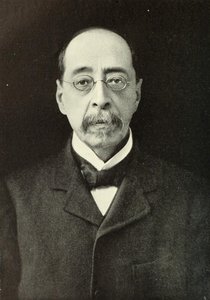
John La Farge
1835 - 1910 , Vereinigte Staaten von Amerika
Kurzinfos
- Bemerkenswerte Werke:
- The Sacred Grove
- Trinity Church, Boston
- Church of the Ascension
- Einflüsse:
- Japanische Kunst
- Hudson River School
- Geburtsdatum: 31. März 1835
- Geburtsort: New York City, USA
- Künstlerische Richtung: Symbolismus, Arts and Crafts
- Nationalität: Amerikanisch
- Sterbedatum: 14. November 1910
- Vollständiger Name: John La Farge
Ähnliche Artikel

Evocations of Place: A Historical Journey Through Landscape Art
Explore the rich history of landscape art with ArtsDot. Discover renowned artists, movements like Impressionism & tonalism, and expert guidance for collecting timeless pieces. Find your perfect serene escape today!
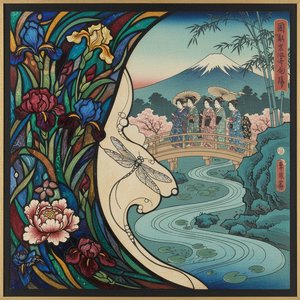
John La Farge: Pionier des amerikanischen Kolorismus und der Einfluss des Japonismus
Entdecken Sie John La Farge, einen Pionier des amerikanischen Kolorismus und seine faszinierende Verbindung zum Japonismus. Erfahren Sie mehr über seine innovativen Glasmalereitechniken und seinen Einfluss auf die Arts and Crafts Bewegung.

Evocations of Place: A Historical Journey Through Landscape Art
Explore the rich history of landscape art with ArtsDot. Discover renowned artists, movements like Impressionism & Romanticism, and expert guidance for collecting timeless pieces. Find your perfect serene escape today!
Flowing Narratives: Rivers in Painting – A Historical Exploration
Explore the rich history of rivers in painting! Discover masterpieces from ancient times to Impressionism & beyond. Learn about symbolism, artists like Monet & Daubigny, and find your perfect serene artwork at ArtsDot.

Romantische Landschaften: Die 10 Meisterwerke, die eine Epoche prägten | ArtsDot
Entdecken Sie die 10 Meisterwerke der Romantischen Landschaftsmalerei! Von Caspar David Friedrich bis Turner – erleben Sie die Kunst, Emotion & Natur. Hochwertige Reproduktionen auf ArtsDot.com