 Vorschau anzeigen
 Versenden
 Teilen
 Details anzeigen

 Herunterladen
 Ähnliche Objekte
 Röntgenaufnahme
 Diashow
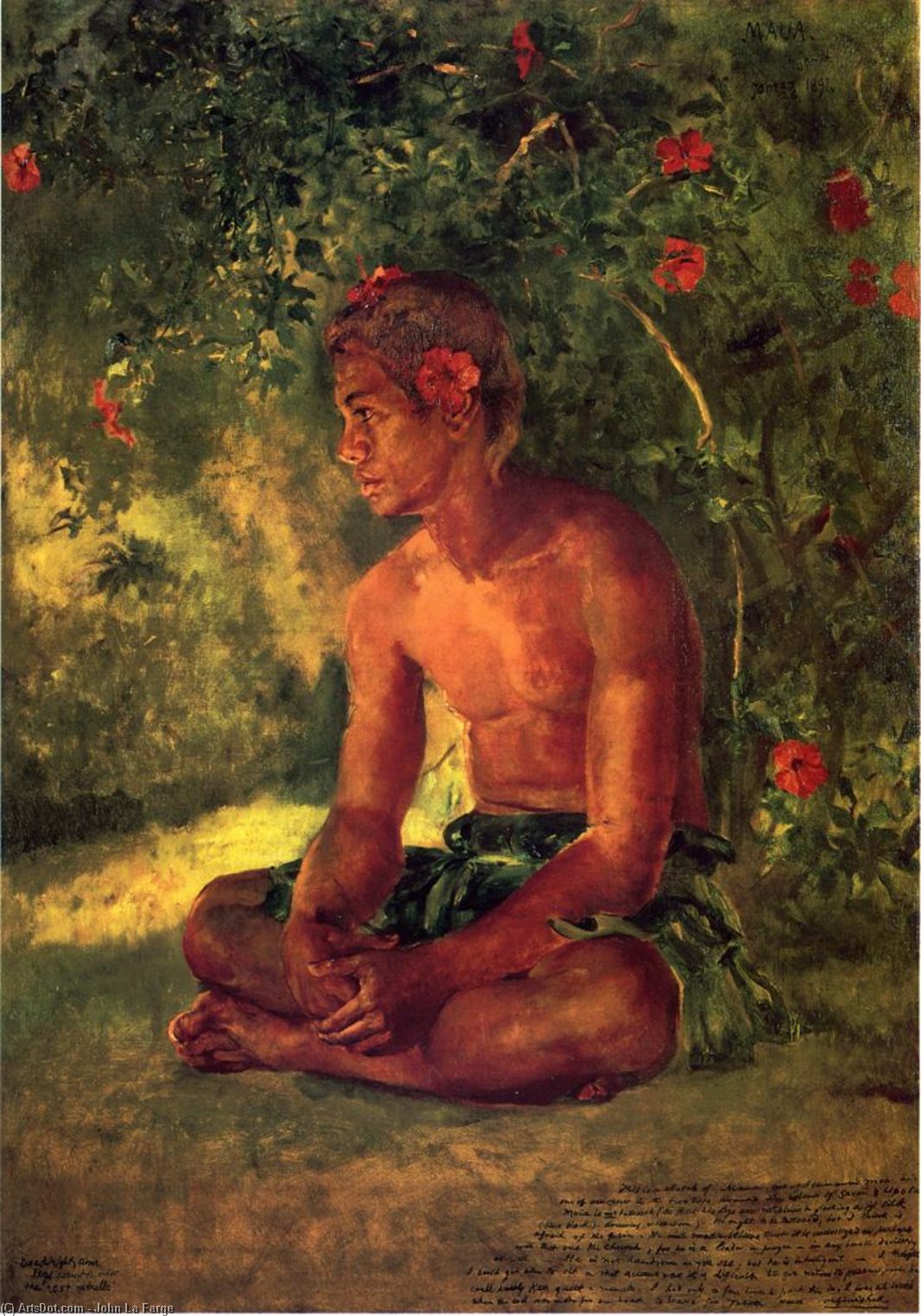
Sketch of Maua, Apia, One of Our Boat Crew (also known as Maua, a Samoan)


 Weiterlesen
Giclée / Kunstdruck
Giclée- oder Leinwanddruck in Museumsqualität mit schneller Produktion und flexiblen Veredelungsoptionen. ( Handgemalte Reproduktion bestellen Bild kaufen)




P118B $10

P118H $10

P118W $10

P438Z $10

P508JH $12

P508YH $12

P805H $10

P805Z $10

P919BZ $10

P919G $10

P919XJ $10

P959ZH $10

P968JZ $12

W106C $8

W218G $10

W218JH $8

W218Y $10

W307PJ $10

W316G $10

W316PJ $8

W316Y $10

W398PJ $8

W4111J $10

W500HY $15

W500JH $15

W692G $12

W849H $8

W940BG $15

W953PJ $8




Wählen Sie aus unseren vordefinierten Formaten, die den ursprünglichen Proportionen des Kunstwerks entsprechen.

Sie können Ihre eigenen Maße eingeben, um ein bestimmtes Format oder einen speziellen Platz einzupassen. Wenn das von Ihnen gewählte Format nicht den Proportionen des Originalbildes entspricht, werden wir das Kunstwerk entweder beschneiden oder das Bild mit einem gespiegelten oder einfarbigen Rand erweitern. Ein digitaler Entwurf wird Ihnen zur Genehmigung zugesandt, bevor die Produktion beginnt.
Bitte beachten Sie, dass die Vorschau auf dem Bildschirm nicht den tatsächlichen Zuschnitt oder die Erweiterung widerspiegelt. Nur der Entwurf zeigt die endgültige Komposition präzise an.
Obwohl Sondermaße verfügbar sind, empfehlen wir die Auswahl eines Maßes aus der vordefinierten Liste, um die ursprünglichen Proportionen zu bewahren.
Weltweiter Versand () innerhalb von 2 Wochen statt der üblichen 4/5 Wochen. (5 September)

Kostenloser weltweiter Expressversand

Hochwertige Leinenleinwand

Umfassender Versicherungsschutz beim Versand

Zollgebühren-Rückerstattungsgarantie

Garantie für exakte Farbtreue

60 Tage Rückgaberecht (nur bei Mängeln)

100% Geld-zurück-Garantie

Mengenrabatt verfügbar
 Die Glasoption ist nur für Größen unter 110 cm verfügbar.

Sketch of Maua, Apia, One of Our Boat Crew (also known as Maua, a Samoan)
Giclée / Kunstdruck
Format der Reproduktion
-


Gesamtpreis
$ 62
The Essence of Maua: John La Farge’s Samoan Portrait
John La Farge's "Sketch of Maua, Apia, One of Our Boat Crew," painted in 1891, is more than a simple portrait; it’s a vibrant distillation of cultural encounter and artistic observation. Created during a period when American artists were increasingly drawn to the exotic allure of the Pacific Islands, this work captures the quiet dignity and inherent connection between man and nature that defined Samoan life. La Farge, a master of blending realism with Impressionistic techniques, doesn’t merely depict a figure; he evokes an atmosphere, a sense of place, and a profound respect for his subject.
The painting itself is rendered in a palette of rich, earthy tones – deep greens, browns, and ochres dominate the background, punctuated by flashes of brighter color in the flowers adorning Maua’s hair. La Farge's brushwork is loose and expressive, characteristic of his Impressionistic style, yet grounded in a careful observation of form and light. He masterfully uses broken color to suggest texture – the rough weave of the man’s clothing, the dappled sunlight filtering through the trees, and the delicate petals of the blossoms. The composition is deliberately unostentatious; Maua sits comfortably on the ground, his posture relaxed yet alert, suggesting a life lived in harmony with his surroundings.
A Window into Apia and Samoan Culture
Apia, Samoa’s capital city, was a burgeoning port during La Farge's visit. The artist’s travels throughout Asia and the Pacific profoundly influenced his work, fostering an appreciation for diverse cultures and landscapes. “Sketch of Maua” offers a glimpse into this world – a world where traditional customs and European influences were beginning to intertwine. The inclusion of Maua, a Samoan boatman, highlights the vital role of indigenous people in shaping the region’s identity. The painting subtly speaks to the exchange between cultures, a theme prevalent in much of La Farge's work during this period.
Further research reveals that Apia was experiencing rapid development as a British colony at the time, and La Farge’s depiction reflects this transition. The presence of the boat crew suggests the importance of maritime trade and navigation within Samoan society. The details – the flower in Maua's hair, a symbol of beauty and status—are carefully rendered, offering subtle clues to his identity and social standing.
Symbolism and Emotional Resonance
Beyond its documentary value, “Sketch of Maua” is rich in symbolic meaning. The man’s gaze, directed slightly off-camera, invites the viewer into a contemplative space. He isn't posing for the artist; he appears to be lost in thought, perhaps reflecting on his life and connection to the land. The flowers, particularly those woven into his hair, represent fertility, beauty, and spiritual significance within Samoan culture. They serve as a visual reminder of the deep connection between humanity and nature – a central theme throughout La Farge’s oeuvre.
La Farge's ability to capture not just a likeness but also an essence is remarkable. “Sketch of Maua” isn’t simply a portrait; it’s a meditation on identity, cultural exchange, and the enduring beauty of the natural world. It stands as a testament to the artist’s keen eye for detail and his profound respect for the people and landscapes he encountered during his travels.
Bringing La Farge's Vision Home
Reproductions of “Sketch of Maua” offer an exceptional opportunity to bring this captivating artwork into your home or office. Available on high-quality canvas, these reproductions faithfully capture the original’s vibrant colors and expressive brushwork. Whether you are a seasoned art collector or simply seeking a beautiful piece to enhance your décor, a hand-painted reproduction of La Farge's "Sketch of Maua" is sure to be a treasured addition to any collection.
Ähnliche Kunstwerke
Über den Künstler
Frühes Leben und Ausbildung
John La Farge, ein renommierter amerikanischer Maler, Wandmaler, Herstellungsdesigner von Buntglasfenstern, Dekorateur und Schriftsteller, wurde am 31. März 1835 in New York City für wohlhabende französische Eltern geboren. Bilingual aufgewachsen, begann La Farges Interesse an der Kunst während seines Studiums an der Mount St. Mary's University in Maryland und am St. John's College (heute Fordham University) in New York.Künstlerische Karriere
La Farges früheste Zeichnungen und Landschaftsbilder aus seinen Studien in Newport zeigten eine bemerkenswerte Originalität, insbesondere bei der Behandlung von Farbnuancen. Viele seiner mythologischen und religiösen Gemälde, darunter „Virgil“, wurden in einem Gebiet von Rhode Island geschaffen, das als „The Sacred Grove“ (Der Heilige Hain) bekannt ist, einem Wald, den La Farge nach Virgil benannte.- Bemerkenswerte Werke:
- The Sacred Grove (Rhode Island)
- Trinity Church, Boston (1873) – La Farges erstes Wandgemälde
- Church of the Ascension (New York) – mit einem großen Altarbild
Innovationen und Vermächtnis
La Farge war ein Pionier bei der Erforschung japanischer Kunst, was sich in seiner Arbeit widerspiegelt. Er unterhielt ein Atelier an der 51 West 10th Street im Greenwich Village, das heute Teil des Standorts des Eugene Lang Colleges an der New School University ist.- Wichtige Beiträge:
- Einführung von Opaleszenzglas in Buntglasfenstern
- Bahnbrechende Arbeit beim Wandmalen für öffentliche Gebäude und Kirchen
- Umfangreiche Reisen nach Asien und im Südpazifik, die seine Malerei inspirierten
Späteres Leben und Tod
La Farge starb am 14. November 1910 im Butler Hospital in Providence, Rhode Island. Seine Beisetzung erfolgte auf dem Green-Wood Cemetery in Brooklyn, New York.- Relevante Ressourcen:
Schlussfolgerung
La Farges innovative Ansätze in der Kunst, insbesondere bei Buntglasfenstern und Wandmalereien, haben einen bleibenden Eindruck in der amerikanischen Kunst hinterlassen. Seine Arbeit inspiriert weiterhin Künstler und Kunstliebhaber gleichermaßen und macht ihn zu einer entscheidenden Figur in der Geschichte der amerikanischen Kunst. The Sacred Grove, Trinity Church, Boston und Church of the Ascension sind nur einige Beispiele für La Farges bemerkenswerte Werke, die seine Meisterschaft in Farbe und Komposition demonstrieren. Als Künstler, Schriftsteller und Dekorateur zeugt John La Farges Vermächtnis von seiner grenzenlosen Kreativität.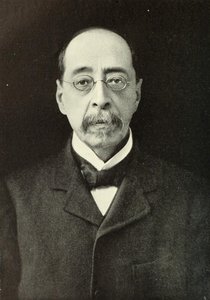
John La Farge
1835 - 1910 , Vereinigte Staaten von Amerika
Kurzinfos
- Bemerkenswerte Werke:
- The Sacred Grove
- Trinity Church, Boston
- Church of the Ascension
- Einflüsse:
- Japanische Kunst
- Hudson River School
- Geburtsdatum: 31. März 1835
- Geburtsort: New York City, USA
- Künstlerische Richtung: Symbolismus, Arts and Crafts
- Nationalität: Amerikanisch
- Sterbedatum: 14. November 1910
- Vollständiger Name: John La Farge
Ähnliche Artikel
John La Farge: Pionier des amerikanischen Kolorismus und der Einfluss des Japonismus
Entdecken Sie John La Farge, einen Pionier des amerikanischen Kolorismus und seine faszinierende Verbindung zum Japonismus. Erfahren Sie mehr über seine innovativen Glasmalereitechniken und seinen Einfluss auf die Arts and Crafts Bewegung.
John Singer Sargent: Die 25 Meisterwerke des Porträts – Kunst für Ihr Zuhause | ArtsDot
Entdecken Sie die 25 Meisterwerke von John Singer Sargent! Tauchen Sie ein in die Welt der Porträtmalerei, des Impressionismus & der Belle Époque. Hochwertige Kunstdrucke & Reproduktionen für Ihr Zuhause – jetzt auf ArtsDot.com!

John Constable: Die 25 Meisterwerke des englischen Landschaftsgenies – ArtsDot
Entdecken Sie die 25 Meisterwerke von John Constable! Erleben Sie englische Landschaftsmalerei vom Hay Wain bis zur Stour Valley. Hochwertige Reproduktionen & Kunst für Ihr Zuhause auf ArtsDot.com.

The Enduring Legacy of Oil on Canvas: Technique, History & Aesthetic Impact
Explore the rich history & techniques of oil painting – from Renaissance masters to Impressionism. Discover pigments, layering methods, and why this timeless medium endures. Expert insights for artists & art enthusiasts.

Öl auf Leinwand: Eine historische und technische Erkundung eines zeitlosen künstlerischen Mediums
Entdecken Sie die faszinierende Welt der Ölmalerei! Von historischen Techniken bis zur modernen Anwendung – wir bieten Expertenwissen, Restaurierungstipps und hochwertige Reproduktionen. Jetzt informieren!