 Vorschau anzeigen
 Versenden
 Teilen
 Details anzeigen

 Herunterladen
 Ähnliche Objekte
 Röntgenaufnahme
 Diashow
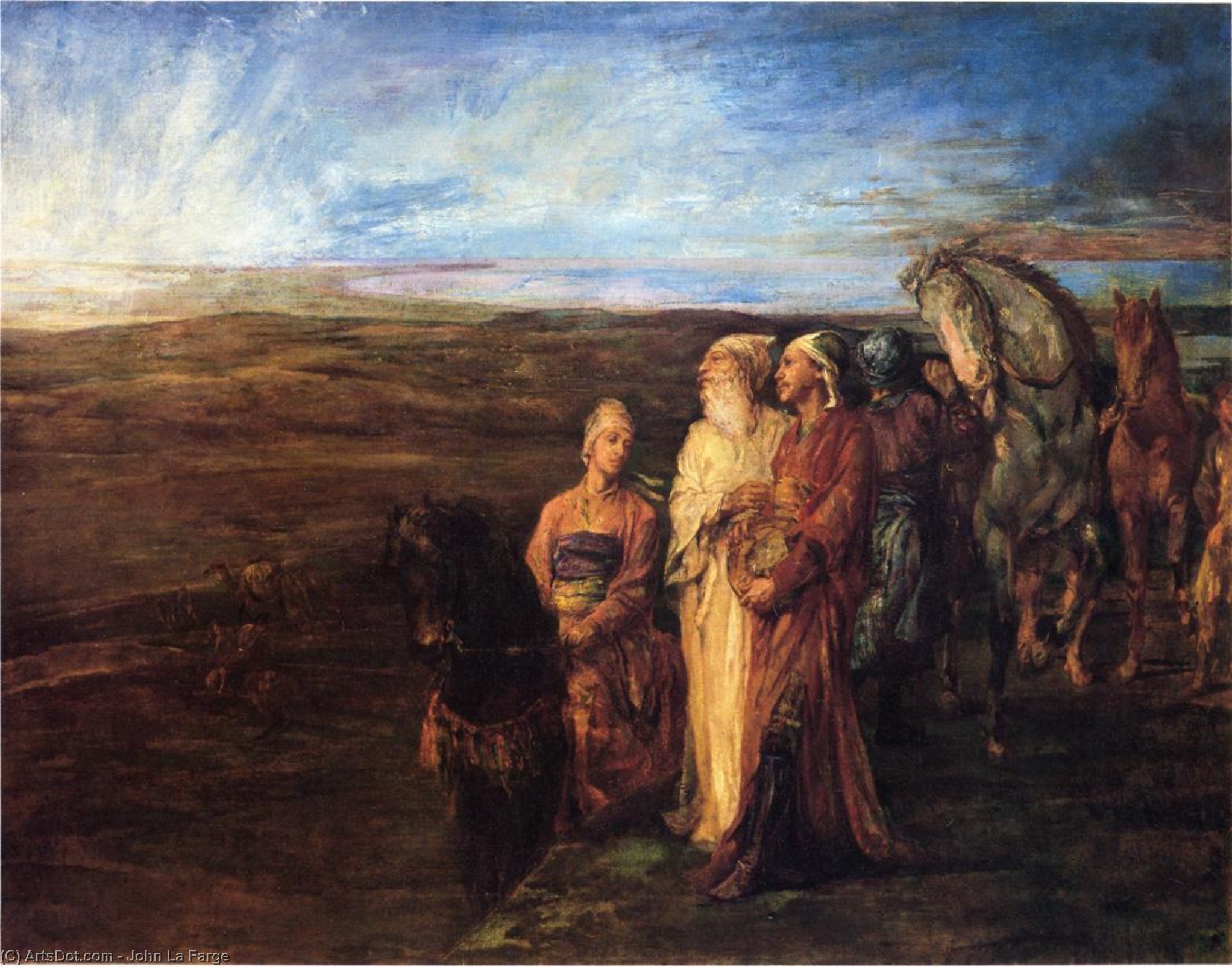
The Three Wise Men (also known as Halt of the Wise Men)


 Weiterlesen
Giclée / Kunstdruck
Giclée- oder Leinwanddruck in Museumsqualität mit schneller Produktion und flexiblen Veredelungsoptionen. ( Handgemalte Reproduktion bestellen Bild kaufen)




P118B $10

P118H $10

P118W $10

P438Z $10

P508JH $12

P508YH $12

P805H $10

P805Z $10

P919BZ $10

P919G $10

P919XJ $10

P959ZH $10

P968JZ $12

W106C $8

W218G $10

W218JH $8

W218Y $10

W307PJ $10

W316G $10

W316PJ $8

W316Y $10

W398PJ $8

W4111J $10

W500HY $15

W500JH $15

W692G $12

W849H $8

W940BG $15

W953PJ $8




Wählen Sie aus unseren vordefinierten Formaten, die den ursprünglichen Proportionen des Kunstwerks entsprechen.

Sie können Ihre eigenen Maße eingeben, um ein bestimmtes Format oder einen speziellen Platz einzupassen. Wenn das von Ihnen gewählte Format nicht den Proportionen des Originalbildes entspricht, werden wir das Kunstwerk entweder beschneiden oder das Bild mit einem gespiegelten oder einfarbigen Rand erweitern. Ein digitaler Entwurf wird Ihnen zur Genehmigung zugesandt, bevor die Produktion beginnt.
Bitte beachten Sie, dass die Vorschau auf dem Bildschirm nicht den tatsächlichen Zuschnitt oder die Erweiterung widerspiegelt. Nur der Entwurf zeigt die endgültige Komposition präzise an.
Obwohl Sondermaße verfügbar sind, empfehlen wir die Auswahl eines Maßes aus der vordefinierten Liste, um die ursprünglichen Proportionen zu bewahren.
Weltweiter Versand () innerhalb von 2 Wochen statt der üblichen 4/5 Wochen. (25 August)

Kostenloser weltweiter Expressversand

Hochwertige Leinenleinwand

Umfassender Versicherungsschutz beim Versand

Zollgebühren-Rückerstattungsgarantie

Garantie für exakte Farbtreue

60 Tage Rückgaberecht (nur bei Mängeln)

100% Geld-zurück-Garantie

Mengenrabatt verfügbar
 Die Glasoption ist nur für Größen unter 110 cm verfügbar.

The Three Wise Men (also known as Halt of the Wise Men)
Giclée / Kunstdruck
Format der Reproduktion
-


Gesamtpreis
$ 62
Sammlerstück-Beschreibung
The Three Wise Men: A Journey Through Light and Shadow
John La Farge’s “The Three Wise Men,” painted in 1878, is more than just a depiction of biblical figures; it's a vibrant tableau brimming with movement, color, and an underlying sense of profound journey. This oil on canvas masterpiece transports the viewer to a desert landscape bathed in the warm glow of twilight, a scene rendered with La Farge’s signature blend of realism and evocative symbolism. The painting immediately commands attention not just for its scale – a substantial work intended for a prominent location – but for the dynamic composition that pulls us into the heart of the narrative.
La Farge masterfully employs color to establish mood and guide our eye. Deep blues and purples dominate the sky, hinting at the approaching night while simultaneously reflecting in the shimmering sands below. The figures of the Wise Men themselves are rendered in rich browns and golds, suggesting their wealth and wisdom, yet also conveying a sense of humility and reverence. Notice how he uses light – particularly the warm highlights on the horses and the carriage – to draw attention to key elements within the scene, creating a powerful focal point that anchors the entire composition.
A Symphony of Movement and Detail
The painting’s dynamism is immediately apparent in its intricate details. La Farge doesn't simply depict static figures; he captures a moment of intense activity. The horses, rendered with remarkable precision, are not merely background elements but active participants in the scene, their movements contributing to the overall sense of forward momentum. Observe the subtle variations in their coats and musculature – a testament to La Farge’s keen eye for anatomical accuracy. The figures surrounding the Wise Men—a group of individuals riding horseback and walking—add layers of intrigue, suggesting a caravan or procession accompanying the travelers on their sacred mission.
La Farge's technique is equally noteworthy. He utilizes loose brushstrokes to create a sense of atmosphere and movement, particularly in the depiction of the desert landscape. The mountains in the distance are rendered with broad washes of color, conveying both depth and mystery. The artist’s use of impasto – applying paint thickly to the canvas – adds texture and dimension to the figures and their surroundings, further enhancing the painting's tactile quality.
Symbolism and Context: A Journey of Faith
“The Three Wise Men” is deeply rooted in Christian tradition, depicting the biblical story of the Magi who traveled from afar to offer gifts to the infant Jesus. However, La Farge elevates this familiar narrative by imbuing it with a broader symbolic resonance. The desert landscape itself represents the arduous journey of faith – a challenging path fraught with obstacles and uncertainties. The horses symbolize strength, guidance, and the power of divine assistance.
Furthermore, the painting’s historical context is crucial to understanding its significance. La Farge was deeply influenced by Japanese art during his travels in Asia, particularly the use of perspective and color. This influence can be seen in the painting's flattened space and its emphasis on atmospheric effects. The work reflects a broader trend in late 19th-century American art—a desire to synthesize European artistic traditions with uniquely American themes and sensibilities.
Capturing the Essence: A Reproduction for Today
Reproducing “The Three Wise Men” faithfully captures the essence of La Farge’s original vision. Our hand-painted oil reproduction meticulously recreates every brushstroke, color nuance, and atmospheric effect, ensuring that you experience the painting's full emotional impact. Whether displayed in a grand salon or a cozy study, this artwork will serve as a timeless reminder of faith, journey, and the enduring power of art to inspire and uplift.
Consider commissioning a custom framing to perfectly complement your space and enhance the beauty of this remarkable piece.
Ähnliche Kunstwerke
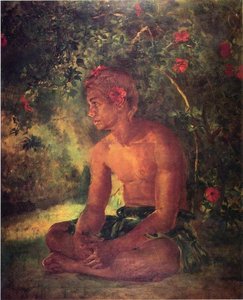
Über den Künstler
Frühes Leben und Ausbildung
John La Farge, ein renommierter amerikanischer Maler, Wandmaler, Herstellungsdesigner von Buntglasfenstern, Dekorateur und Schriftsteller, wurde am 31. März 1835 in New York City für wohlhabende französische Eltern geboren. Bilingual aufgewachsen, begann La Farges Interesse an der Kunst während seines Studiums an der Mount St. Mary's University in Maryland und am St. John's College (heute Fordham University) in New York.Künstlerische Karriere
La Farges früheste Zeichnungen und Landschaftsbilder aus seinen Studien in Newport zeigten eine bemerkenswerte Originalität, insbesondere bei der Behandlung von Farbnuancen. Viele seiner mythologischen und religiösen Gemälde, darunter „Virgil“, wurden in einem Gebiet von Rhode Island geschaffen, das als „The Sacred Grove“ (Der Heilige Hain) bekannt ist, einem Wald, den La Farge nach Virgil benannte.- Bemerkenswerte Werke:
- The Sacred Grove (Rhode Island)
- Trinity Church, Boston (1873) – La Farges erstes Wandgemälde
- Church of the Ascension (New York) – mit einem großen Altarbild
Innovationen und Vermächtnis
La Farge war ein Pionier bei der Erforschung japanischer Kunst, was sich in seiner Arbeit widerspiegelt. Er unterhielt ein Atelier an der 51 West 10th Street im Greenwich Village, das heute Teil des Standorts des Eugene Lang Colleges an der New School University ist.- Wichtige Beiträge:
- Einführung von Opaleszenzglas in Buntglasfenstern
- Bahnbrechende Arbeit beim Wandmalen für öffentliche Gebäude und Kirchen
- Umfangreiche Reisen nach Asien und im Südpazifik, die seine Malerei inspirierten
Späteres Leben und Tod
La Farge starb am 14. November 1910 im Butler Hospital in Providence, Rhode Island. Seine Beisetzung erfolgte auf dem Green-Wood Cemetery in Brooklyn, New York.- Relevante Ressourcen:
Schlussfolgerung
La Farges innovative Ansätze in der Kunst, insbesondere bei Buntglasfenstern und Wandmalereien, haben einen bleibenden Eindruck in der amerikanischen Kunst hinterlassen. Seine Arbeit inspiriert weiterhin Künstler und Kunstliebhaber gleichermaßen und macht ihn zu einer entscheidenden Figur in der Geschichte der amerikanischen Kunst. The Sacred Grove, Trinity Church, Boston und Church of the Ascension sind nur einige Beispiele für La Farges bemerkenswerte Werke, die seine Meisterschaft in Farbe und Komposition demonstrieren. Als Künstler, Schriftsteller und Dekorateur zeugt John La Farges Vermächtnis von seiner grenzenlosen Kreativität.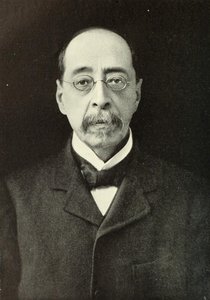
John La Farge
1835 - 1910 , Vereinigte Staaten von Amerika
Kurzinfos
- Bemerkenswerte Werke:
- The Sacred Grove
- Trinity Church, Boston
- Church of the Ascension
- Einflüsse:
- Japanische Kunst
- Hudson River School
- Geburtsdatum: 31. März 1835
- Geburtsort: New York City, USA
- Künstlerische Richtung: Symbolismus, Arts and Crafts
- Nationalität: Amerikanisch
- Sterbedatum: 14. November 1910
- Vollständiger Name: John La Farge
Ähnliche Artikel
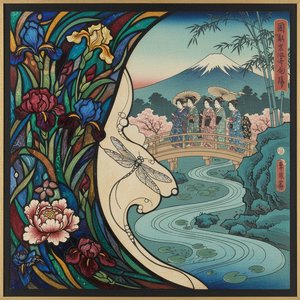
John La Farge: Pionier des amerikanischen Kolorismus und der Einfluss des Japonismus
Entdecken Sie John La Farge, einen Pionier des amerikanischen Kolorismus und seine faszinierende Verbindung zum Japonismus. Erfahren Sie mehr über seine innovativen Glasmalereitechniken und seinen Einfluss auf die Arts and Crafts Bewegung.

John Singer Sargent: Die 25 Meisterwerke des Porträts – Kunst für Ihr Zuhause | ArtsDot
Entdecken Sie die 25 Meisterwerke von John Singer Sargent! Tauchen Sie ein in die Welt der Porträtmalerei, des Impressionismus & der Belle Époque. Hochwertige Kunstdrucke & Reproduktionen für Ihr Zuhause – jetzt auf ArtsDot.com!

John Constable: Die 25 Meisterwerke des englischen Landschaftsgenies – ArtsDot
Entdecken Sie die 25 Meisterwerke von John Constable! Erleben Sie englische Landschaftsmalerei vom Hay Wain bis zur Stour Valley. Hochwertige Reproduktionen & Kunst für Ihr Zuhause auf ArtsDot.com.
Top 25 Kunstwerke der Biennale Venedig: Meisterwerke für Ihr Zuhause | ArtsDot
Entdecken Sie die 25 bedeutendsten Kunstwerke der Biennale Venedig! Erfahren Sie die Geschichten hinter berühmten Gemälden, Künstlern und Stilen. Hochwertige Kunstdrucke & Reproduktionen für Ihr Zuhause – jetzt auf ArtsDot.com!

The Enduring Legacy of Oil on Canvas: Technique, History & Aesthetic Impact
Explore the rich history & techniques of oil painting – from Renaissance masters to Impressionism. Discover pigments, layering methods, and why this timeless medium endures. Expert insights for artists & art enthusiasts.