

 Vorschau anzeigen
 Versenden
 Teilen
 Details anzeigen

 Herunterladen
 Ähnliche Objekte
 Röntgenaufnahme
 Diashow
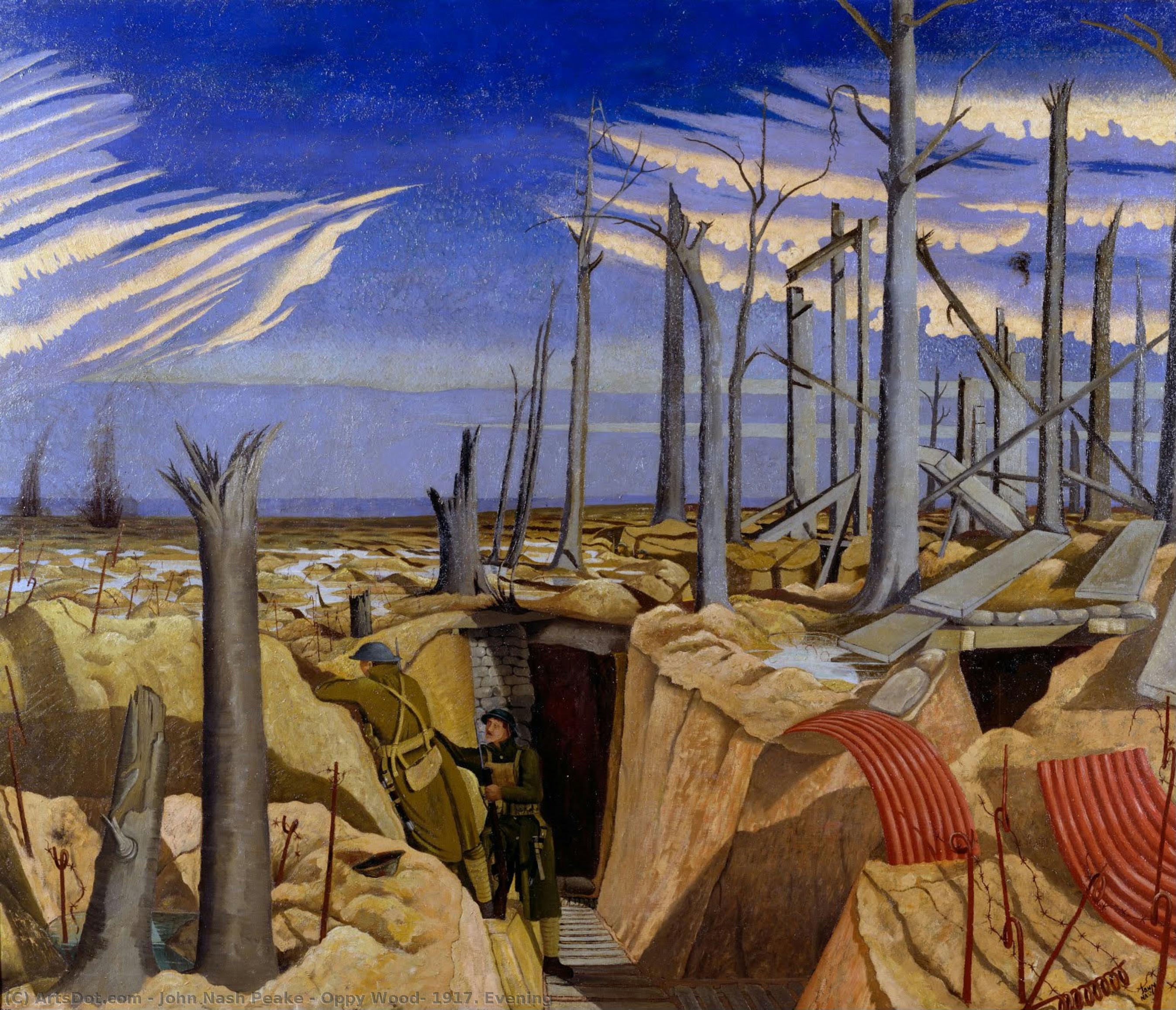
Oppy Wood, 1917. Evening
 Oil
Oil- WallArt
- British Modernism
 1918
1918- Modern
 213.0 x 182.0 cm
 Imperial War Museums
 Weiterlesen
Giclée / Kunstdruck
Giclée- oder Leinwanddruck in Museumsqualität mit schneller Produktion und flexiblen Veredelungsoptionen. ( Handgemalte Reproduktion bestellen Bild kaufen)




P118B $10

P118H $10

P118W $10

P438Z $10

P508JH $12

P508YH $12

P805H $10

P805Z $10

P919BZ $10

P919G $10

P919XJ $10

P959ZH $10

P968JZ $12

W106C $8

W218G $10

W218JH $8

W218Y $10

W307PJ $10

W316G $10

W316PJ $8

W316Y $10

W398PJ $8

W4111J $10

W500HY $15

W500JH $15

W692G $12

W849H $8

W940BG $15

W953PJ $8




Wählen Sie aus unseren vordefinierten Formaten, die den ursprünglichen Proportionen des Kunstwerks entsprechen.

Sie können Ihre eigenen Maße eingeben, um ein bestimmtes Format oder einen speziellen Platz einzupassen. Wenn das von Ihnen gewählte Format nicht den Proportionen des Originalbildes entspricht, werden wir das Kunstwerk entweder beschneiden oder das Bild mit einem gespiegelten oder einfarbigen Rand erweitern. Ein digitaler Entwurf wird Ihnen zur Genehmigung zugesandt, bevor die Produktion beginnt.
Bitte beachten Sie, dass die Vorschau auf dem Bildschirm nicht den tatsächlichen Zuschnitt oder die Erweiterung widerspiegelt. Nur der Entwurf zeigt die endgültige Komposition präzise an.
Obwohl Sondermaße verfügbar sind, empfehlen wir die Auswahl eines Maßes aus der vordefinierten Liste, um die ursprünglichen Proportionen zu bewahren.
Weltweiter Versand () innerhalb von 2 Wochen statt der üblichen 4/5 Wochen. (6 September)

Kostenloser weltweiter Expressversand

Hochwertige Leinenleinwand

Umfassender Versicherungsschutz beim Versand

Zollgebühren-Rückerstattungsgarantie

Garantie für exakte Farbtreue

100 Tage Rückgaberecht (nur bei Mängeln)

100% Geld-zurück-Garantie

Mengenrabatt verfügbar
 Die Glasoption ist nur für Größen unter 110 cm verfügbar.

Oppy Wood, 1917. Evening
Giclée / Kunstdruck
Format der Reproduktion
-


Gesamtpreis
$ 62
The Quiet Tension of the Trenches
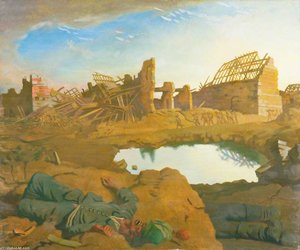
In the hauntingly evocative masterpiece Oppy Wood, 1917. Evening, the viewer is transported into the visceral reality of the Western Front during the Great War. John Nash Peake captures a moment suspended in time, where the transition from day to night brings not peace, but a heavy, palpable sense of anticipation. The scene unfolds within the rugged confines of a trench, where soldiers are depicted in various states of preparation and reflection. Some figures stand alert, eyes perhaps scanning the horizon for movement, while others sit grounded, momentarily anchored by the weight of their surroundings. This composition does more than merely document a historical event; it invites us into the psychological landscape of those living on the precipating edge of conflict.
The presence of an airplane drifting through the sky serves as a poignant reminder of the evolving nature of modern warfare, bridging the gap between the earthbound struggle of the infantry and the terrifying new dimension of aerial combat. Through this inclusion, Nash weaves a narrative of a world being fundamentally transformed by technology and violence. The trees in the background, though part of the natural landscape, feel like silent witnesses to the unfolding drama, their forms softened by the encroaching dusk, adding a layer of somber beauty to an otherwise harrowing setting.
A Mastery of Light and Somber Atmosphere
Technically, the painting is a triumph of atmospheric storytelling. Nash utilizes a palette that reflects the fading light of evening, employing muted tones and subtle shifts in color to evoke the cooling air and the gathering shadows of the woods. His brushwork, influenced by the Impressionist masters such as Monet and Cézanne, allows for a fluid interplay of light and texture. This technique is particularly effective in rendering the grit of the trench walls and the soft, hazy quality of the twilight sky, creating a sense of depth that draws the observer into the very heart of the scene.
For the discerning collector or interior designer, this work offers a profound emotional resonance. It is not merely a depiction of war, but an exploration of human resilience and the quiet, often overlooked moments of reflection amidst chaos. The scale of the piece, measuring an impressive 213 x 182 cm, allows its intricate details—from the weary posture of a soldier to the distant silhouette of a plane—to command attention in any grand space. A high-quality reproduction of this work serves as a powerful focal point, bringing a sense of historical gravity, intellectual depth, and a sophisticated, melancholic beauty to a curated collection or a thoughtfully designed room.
Ähnliche Kunstwerke
Über den Künstler
The Soul of the English Landscape: The Life and Legacy of John Nash Peake
In the annals of British Modernism, few artists possess the ability to bridge the gap between the serene romanticism of the countryside and the visceral, psychological shadows of war as profoundly as John Nash Peake. Born in London in 1896 into a lineage of creative distinction—his father being a noted sculptor—Peake was immersed in the language of form and visual storytelling from his earliest years. This foundational connection to the arts led him to the prestigious Slade School of Art, where he refined a technique that would eventually allow him to capture not just the physical world, but the very atmosphere of existence itself. His early training was deeply colored by the Impressionist masters; the light-drenched canvases of Claude Monet and the structural color explorations of Paul Cézanne became the pillars upon which he built his stylistic identity, instilling in him a lifelong devotion to capturing fleeting, atmospheric sensations with remarkable precision.
Peake’s artistic journey is often viewed through two distinct lenses: the sublime beauty of nature and the harrowing reality of human conflict. In his landscape works, he functioned as a romantic visionary, seeking to portray the majesty of the natural world while simultaneously acknowledging its fragility in an age of rapid industrialization. His ability to render grand, sweeping vistas—such as the breathtakingly detailed The Matterhorn—demonstrates a mastery of oil painting that utilizes bold, expressive brushstrokes to evoke a sense of awe and contemplation. In these works, the viewer is not merely looking at a mountain or a lake, but is invited into a space where the textures of rock and water feel palpably alive, reflecting a humanist concern for preserving the untouched beauty of the earth.
The Shadow of the Great War
However, the trajectory of Peake’s career was irrevocably altered by the onset of World War I. The transition from the tranquil landscapes of his youth to the grim, mud-soaked reality of the Western Front introduced a new, darker dimension to his palette and purpose. Witnessing the horrors of trench warfare firsthand, Peake moved beyond mere topographical representation to explore the profound psychological toll of combat. His wartime paintings serve as haunting chronicles of anxiety and disillusionment, where the landscape itself becomes a participant in the tragedy.
In masterpieces such as Oppy Wood, 1917. Evening, Peake captures a moment of heavy, palpable tension. The scene is not one of peace, but of a world suspended in the terrifying anticipation of violence. Through his skilled use of muted tones and the soft, hazy quality of twilight, he renders the rugged confines of the trenches with a grit that feels almost tactile. The inclusion of an airplane drifting through the dusk serves as a poignant symbol of the evolving nature of modern warfare, bridging the gap between the earthbound struggle of the infantry and the terrifying new dimension of aerial combat. In these works, the trees and woods are no longer just elements of nature; they become silent, somber witnesses to the unfolding human drama.
Artistic Significance and Enduring Influence
The historical significance of John Nash Peake lies in his ability to synthesize these opposing forces—the beautiful and the brutal. He did not merely document history; he translated the emotional landscape of a generation into a visual language that remains deeply moving today. His career, which spanned several decades as a painter, illustrator, and teacher, left an indelible mark on the British artistic landscape by proving that modernism could encompass both the delicate nuances of light and the heavy weight of human suffering.
To reflect upon Peake's contributions is to recognize a legacy defined by:
- Technical Mastery: A sophisticated application of Impressionist-inspired light and texture that brought landscapes to life.
- Emotional Depth: The courage to move from the romanticized view of nature into the psychological complexities of war.
- Historical Witness: Providing a visual record of the transition from 19th-century romanticism to the stark realities of 20th-century conflict.
Through his evocative canvases, Peake remains a pivotal figure for those seeking to understand the dual nature of the human experience—the capacity to find sublime beauty even amidst the encroaching shadows of history.
Kurzinfos
- Artistic Movement Or Style: British Modernism
- Artists Or Movements Influenced By This Artist: ['Romantic Landscape Painting']
- Artists Who Influenced This Artist: ['Paul Nash']
- Date Of Birth: 1896
- Date Of Death: 1970
- Full Name: John Nash Peake
- Nationality: British
- Notable Artworks:
- The Matterhorn
- Fishing Fleet, Tenby
- Oppy Wood, 1917. Evening
- Place Of Birth: London, England
Ähnliche Artikel
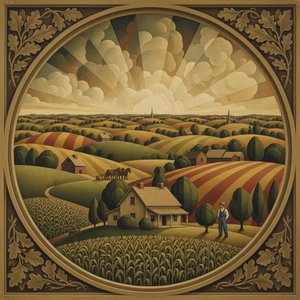
Grant Wood und der amerikanische Regionalismus: Identität, Mythos und die ländliche Landschaft
Entdecken Sie Grant Wood und den amerikanischen Regionalismus! Erfahren Sie mehr über 'American Gothic', Woods Leben, Einflüsse und sein Vermächtnis in der Kunstgeschichte. Expertenwissen & hochwertige Reproduktionen.

John Constable: Die 25 Meisterwerke des englischen Landschaftsgenies – ArtsDot
Entdecken Sie die 25 Meisterwerke von John Constable! Erleben Sie englische Landschaftsmalerei vom Hay Wain bis zur Stour Valley. Hochwertige Reproduktionen & Kunst für Ihr Zuhause auf ArtsDot.com.
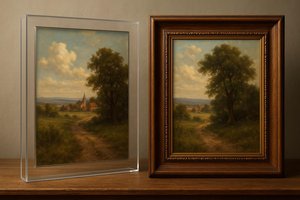
F.A.Q.: Acryl vs. Holzrahmen – Stilvolle Kunst für anspruchsvolle Sammler
Exklusive Kunstrahmen von ! Hochwertige Holz- & Acrylrahmen für Gemälde, maßgefertigt & mit Expertenberatung. Vertrauen Sie unserer Qualität – Ihr Kunstwerk verdient es!
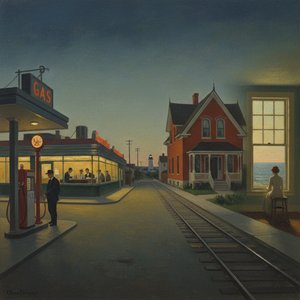
Edward Hopper: Die 25 Meisterwerke des amerikanischen Realismus | ArtsDot
Entdecken Sie die 25 Meisterwerke von Edward Hopper! Tauchen Sie ein in amerikanische Kunst, Realismus & Isolation. Hochwertige Reproduktionen & Inspiration für Ihr Zuhause bei ArtsDot.com.
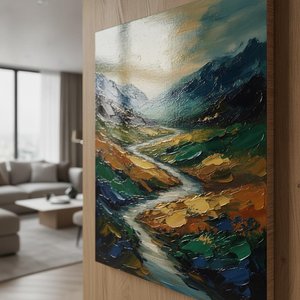
Oil on Board: A Historical Survey of Technique, Aesthetic Qualities & Enduring Appeal
Explore the rich history of oil on board painting! Discover techniques, aesthetic qualities & enduring appeal from early masters to modern practice. Expert insights for collectors and art enthusiasts.