 Vorschau anzeigen
 Versenden
 Teilen
 Details anzeigen

 Herunterladen
 Ähnliche Objekte
 Röntgenaufnahme
 Diashow
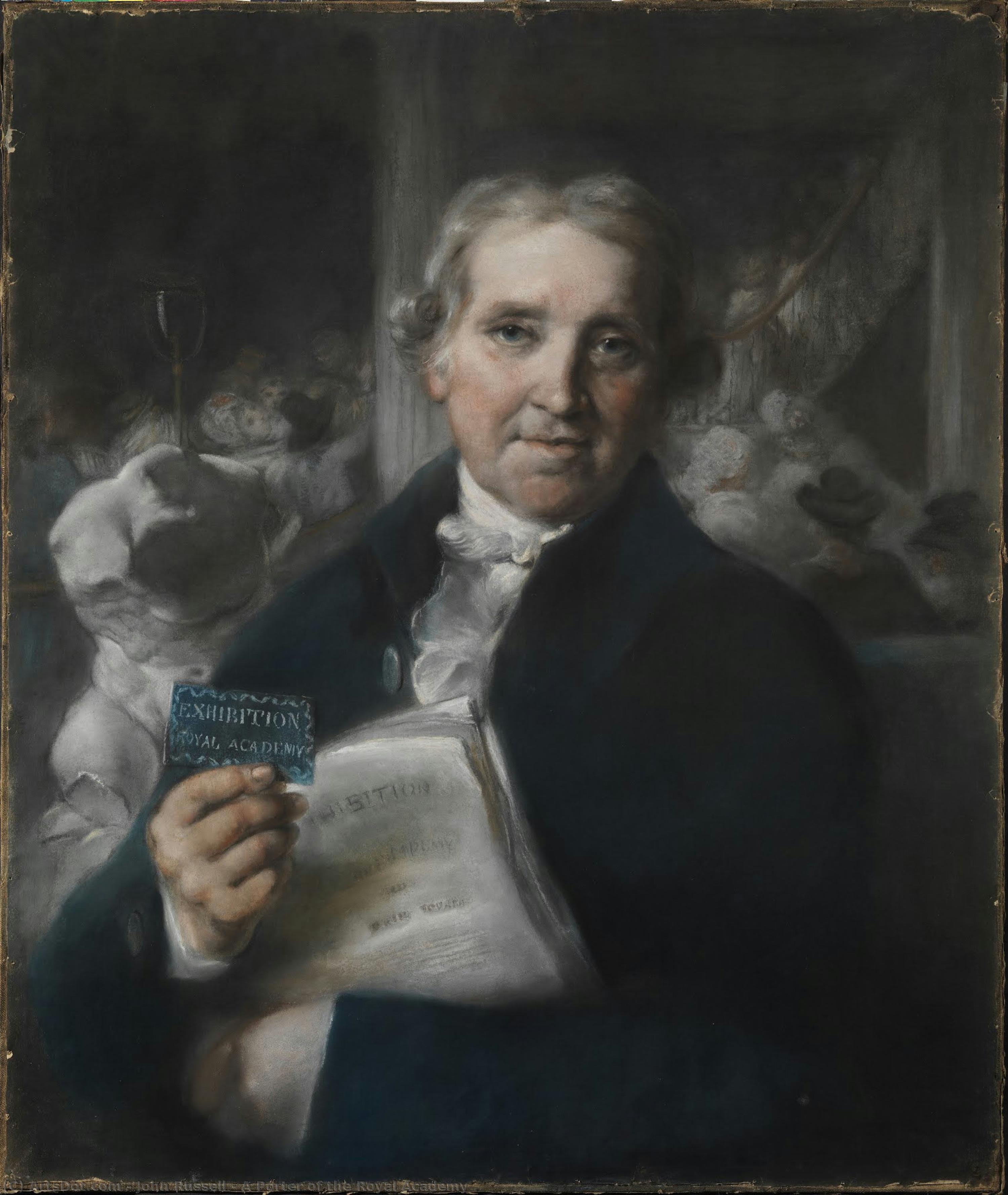
A Porter of the Royal Academy
 Oil On Canvas
- WallArt
- Impressionist Painting
 1792
1792 64.0 x 77.0 cm
 Courtauld-Galerie
 Weiterlesen
Handgefertigte Ölreproduktion
Handgemaltes Ölgemälde auf Leinwand in Ihrer Wunschgröße und mit Rahmen, auf Bestellung von unseren Künstlern angefertigt. ( Druck bestellen Bild kaufen)




P118B $10

P118H $10

P118W $10

P438Z $10

P508JH $12

P508YH $12

P805H $10

P805Z $10

P919BZ $10

P919G $10

P919XJ $10

P959ZH $10

P968JZ $12

W106C $8

W218G $10

W218JH $8

W218Y $10

W307PJ $10

W316G $10

W316PJ $8

W316Y $10

W398PJ $8

W4111J $10

W500HY $15

W500JH $15

W692G $12

W849H $8

W940BG $15

W953PJ $8




Wählen Sie aus unseren vordefinierten Formaten, die den ursprünglichen Proportionen des Kunstwerks entsprechen.

Sie können Ihre eigenen Maße eingeben, um einen bestimmten Rahmen oder Platz auszufüllen. Wenn die gewählte Größe nicht den Proportionen des Originalbildes entspricht, werden wir das Kunstwerk entweder beschneiden oder das Gemälde durch zusätzliche, handgemalte Elemente erweitern. Ein digitales Mockup wird Ihnen zur Genehmigung zugesandt, bevor die Produktion beginnt.
Bitte beachten Sie, dass die Bildschirmvorschau nicht die tatsächliche Beschneidung oder Erweiterung widerspiegelt. Nur das Mockup zeigt die endgültige Komposition exakt an.
Obwohl Sondermaße verfügbar sind, empfehlen wir, eine Größe aus der vordefinierten Liste zu wählen, um die ursprünglichen Proportionen beizubehalten.
Nach der Bestellung wird das ArtsDot.com-Team dem Kunden Anweisungen per E-Mail zusenden und eine Mockup-Vorschau bereitstellen.
Weltweiter Versand () in nur 3 bis 4 Wochen statt der üblichen 5 Wochen. (22 August). Keine Kompromisse bei der Qualität.

Kostenloser weltweiter Expressversand

Hochwertige Leinenleinwand

Umfassender Versicherungsschutz beim Versand

Zollgebühren-Rückerstattungsgarantie

Garantie für exakte Farbtreue

60 Tage Rückgaberecht (nur bei Mängeln)

100% Geld-zurück-Garantie

Mengenrabatt verfügbar
 Die Glasoption ist nur für Größen unter 110 cm verfügbar.

A Porter of the Royal Academy
Art der Reproduktion
Format der Reproduktion
-


Gesamtpreis
$ 363
Beschreibung des Kunstwerks
A Portrait of Quiet Dignity: Unveiling John Peter Russell’s “A Porter of the Royal Academy”
John Peter Russell's "A Porter of the Royal Academy," painted in 1792, isn’t merely a depiction of a man holding a newspaper; it’s a carefully constructed tableau brimming with subtle social commentary and an evocative sense of late 18th-century London. The pastel, rendered in muted tones of grey, blue, and brown, immediately draws the eye into a scene that feels both familiar and subtly distant – as if viewed through the hazy lens of memory. Russell’s masterful use of light and shadow, combined with his keen observation of detail, elevates this portrait beyond a simple likeness to a poignant exploration of status, intellect, and the quiet rhythms of daily life.
The composition itself is deceptively straightforward. A gentleman, likely John Withers, stands confidently before a window, holding what appears to be a newspaper or perhaps a book – an object that speaks volumes about his position within the Royal Academy’s social circles. The background, populated with blurred figures and a prominent clock, establishes a sense of place without overwhelming the central subject. Two dogs, one on either side of the gentleman, add a touch of domesticity to the scene, hinting at a comfortable home life and reinforcing the impression of an established figure. Russell’s deliberate placement of these elements creates a balanced yet dynamic composition, guiding the viewer's eye through the carefully orchestrated space.
The Language of Light and Texture: A Study in Technique
Russell’s technique is characterized by a remarkable restraint and a deep understanding of pastel application. The brushstrokes are remarkably subtle, almost imperceptible, blended seamlessly to create a smooth, velvety surface. This meticulous approach contributes significantly to the painting's atmospheric quality – it feels less like a sharply defined image and more like a captured moment in time. The artist’s use of glazing, layering thin washes of color over one another, allows for incredible depth and luminosity, particularly evident in the play of light across the gentleman’s face and clothing. Notice how the diffused natural light streaming through the window not only illuminates the subject but also subtly suggests a sense of melancholy or introspection – a quiet dignity tempered by an underlying awareness of time passing.
The choice of pastel as the medium is itself significant. Pastel's delicate texture and ability to capture subtle tonal variations perfectly suited Russell’s vision for this portrait. Unlike oil paint, which can create harsh contrasts, pastel allows for a softer, more nuanced approach, mirroring the painting’s overall mood. The artist skillfully employs highlights and shadows to sculpt the gentleman’s features, emphasizing his composure and projecting an air of authority while simultaneously conveying a sense of vulnerability.
Symbolism and Context: A Window into 18th-Century Society
“A Porter of the Royal Academy” is more than just a portrait; it's a snapshot of its time. The gentleman’s attire – formal coat, waistcoat, and cravat – immediately identifies him as belonging to the upper echelons of society. The document he holds suggests intellectual pursuits and engagement with the world of art and scholarship, aligning him directly with the Royal Academy itself. The presence of the dogs hints at a comfortable domestic life, while the clock serves as a subtle reminder of the passage of time – a common motif in portraiture during this era, often used to convey themes of mortality and reflection.
Painted in 1792, the work reflects the burgeoning Enlightenment ideals of reason and observation. Russell’s meticulous attention to detail and his ability to capture the nuances of human expression demonstrate a commitment to realism – a departure from earlier, more idealized portrait styles. Furthermore, the painting's quiet dignity and understated elegance align with the prevailing aesthetic sensibilities of the late 18th century, characterized by restraint, balance, and a focus on capturing the essence of the subject rather than merely replicating its appearance.
A Legacy of Rediscovery: John Russell’s Forgotten Masterpiece
For decades, John Peter Russell's work remained largely unknown to the wider art world. His talent was overshadowed by his transatlantic travels and personal tragedies. However, in recent years, a renewed interest in his oeuvre has revealed him as a significant figure in Australian art history – a “Lost Impressionist” who bridged the gap between European artistic movements and the burgeoning colonial landscape. "A Porter of the Royal Academy" stands as a testament to Russell’s extraordinary skill and vision, offering a captivating glimpse into a bygone era and reminding us of the enduring power of portraiture to capture not just likeness but also character, context, and emotion.
Ähnliche Kunstwerke
Über den Künstler
John Peter Russell: Der vergessene australische Impressionist
Frühes Leben und Ausbildung
- Geboren: Sydney, Australien (16. Juni 1858)
- Gestorben: Randwick, Sydney, Australien (30. April 1930)
- Familienhintergrund: Sohn von John Russell (Ingenieur) und Charlotte Elizabeth Nicholl. Neffe von Sir Peter Nical Russell.
- Frühe Ausbildung: Goulburn School.
- Umzug nach Europa: Im Alter von achtzehn Jahren zog er zunächst für eine Ingenieurlehre nach England, wandte sich aber bald der Kunst zu.
- Slade School of Fine Art (London): Studierte von 1881 bis 1883 unter Alphonse Legros.
- Pariser Studien: Vertiefte seine künstlerische Ausbildung in Paris und studierte Malerei unter Fernand Cormon.
Künstlerische Entwicklung und Einflüsse
- Freundschaft mit Vincent van Gogh: Eine enge Freundschaft entwickelte sich während ihrer gemeinsamen Zeit in Paris, was zu Russells ikonischem Porträt von Van Gogh (1886) führte.
- Einfluss von Claude Monet: Verbrachte viel Zeit damit, an der Seite Monets auf Belle Île zu malen und dabei impressionistische Techniken und Farbpaletten zu erlernen.
- Verbindung mit Henri Matisse: Russells Einfluss auf Matisse ist gut dokumentiert; Matisse würdigte Russell dafür, dass dieser ihn während eines Besuchs auf Belle Île in den 1890er Jahren dem Impressionismus und der Farblehre näherbrachte.
- Impressionistischer Stil: Anfangs folgte Russell eng dem reinen französischen impressionistischen Stil, der durch lockere Pinselstriche und einen Schwerpunkt auf Licht und Farbe gekennzeichnet war.
- Belle Île als Inspiration: Die Insel Belle Île wurde zu einer zentralen Inspirationsquelle für seine Arbeit und findet sich in vielen seiner Gemälde wieder.
Hauptwerke und künstlerischer Stil
- Porträt von Vincent van Gogh (1886): Gilt als eine der wichtigsten Darstellungen von Van Gogh durch einen zeitgenössischen Künstler.
- Meeresansichten von Belle Île: Russell war bekannt für seine lebendigen Meeresansichten, die die wilde Schönheit und das wechselnde Licht der Atlantikküste einfingen.
- Madame Sisley am Ufer der Loing in Moret (1887): Demonstriert seine Beherrschung impressionistischer Techniken, beeinflusst von Alfred Sisley.
- Mon Ami 'Polite' (ca. 1900): Ein Porträt eines lokalen Fischers von Belle Île, das seine Fähigkeit zeigt, Charakter und Atmosphäre einzufangen.
- Les aiguilles de Coton, Belle-Île (1897): Ein Aquarell, das die markanten Felsformationen in der Nähe seines Hauses auf Belle Île darstellt.
- Stil: Gekennzeichnet durch eine lebendige Verwendung von Farbe, lockere Pinselstriche und eine optimistische Darstellung von Landschaften und Figuren.
Späteres Leben, Wiederentdeckung und Vermächtnis
- Vernichtung von Werken: Nach dem Tod seiner Frau Marianna im Jahr 1907 zerstörte Russell etwa 400 seiner Gemälde, ein bedeutender Verlust für die Kunstgeschichte.
- Rückkehr nach Australien: Kehrte in alter Jahren nach Sydney zurück und führte dort ein relativ ruhiges Leben.
- Posthume Anerkennung: Seine Nichte Thea Proctor spielte eine entscheidende Rolle bei der Förderung von Russells Werk nach seinem Tod.
- Wiederentdeckung als "Australiens vergessener Impressionist": Gegen Ende des 20. Jahrhunderts halfen Biografien und Ausstellungen, seinen Ruf als bedeutender Künstler wiederherzustellen.
- Aktueller Status: Seine Werke befinden sich heute in wichtigen Galerien sowohl in Australien als auch in Europa (Musée d'Orsay, Musée Rodin).
- Historische Bedeutung: Russells Geschichte unterstreicht die oft übersehenen Beiträge australischer Künstler zur europäischen Avantgarde-Bewegung. Er dient als Brücke zwischen australischem und französischem Impressionismus.
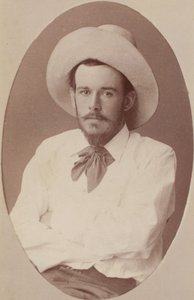
John Peter Russell
1858 - 1930 , Australien
Kurzinfos
- Beeinflusste Künstler: ['Claude Monet']
- Bemerkenswerte Werke:
- Porträt von Vincent van Gogh
- Madame Sisley am Loing
- Mon Ami 'Polite'
- Les aiguilles de Coton, Belle-Île
- Geburtsdatum: 16. Juni 1858
- Geburtsort: Sydney, Australien
- Künstlerische Richtung: Impressionismus
- Nationalität: Australier
- Sterbedatum: 30. April 1930
- Vollständiger Name: John Peter Russell
- Von Künstlern Beeinflusst: ['Henri Matisse']
Ähnliche Artikel

John Constable: Die 25 Meisterwerke des englischen Landschaftsgenies – ArtsDot
Entdecken Sie die 25 Meisterwerke von John Constable! Erleben Sie englische Landschaftsmalerei vom Hay Wain bis zur Stour Valley. Hochwertige Reproduktionen & Kunst für Ihr Zuhause auf ArtsDot.com.

John Singer Sargent: Die 25 Meisterwerke des Porträts – Kunst für Ihr Zuhause | ArtsDot
Entdecken Sie die 25 Meisterwerke von John Singer Sargent! Tauchen Sie ein in die Welt der Porträtmalerei, des Impressionismus & der Belle Époque. Hochwertige Kunstdrucke & Reproduktionen für Ihr Zuhause – jetzt auf ArtsDot.com!
John Hoppner: Porträtmalerei, Mäzenatentum und die Inszenierung britischer Identität im späten Georgischen Zeitalter
Entdecken Sie das Werk von John Hoppner, einem Meister der britischen Porträtmalerei des späten Georgischen Zeitalters. Erfahren Sie mehr über seine Technik, sein Mäzenatentum und die Inszenierung gesellschaftlicher Identität. Exklusive Reproduktionen bei ArtsDot.
Die Subtilität der Pastelltechnik: Geschichte, Anwendung und emotionale Resonanz
Entdecken Sie die faszinierende Welt der Pastellmalerei! Erfahren Sie mehr über Technik, Geschichte und berühmte Künstler. Hochwertige Reproduktionen bei ArtsDot.

The Subdued Radiance of Pastel: Exploring Nuance & Emotion in Art
Explore the nuanced world of pastel art! Discover its history, techniques & emotional power with expert insights from ArtsDot.com. Find museum-quality reproductions and learn about collecting this delicate medium.