 Vorschau anzeigen
 Versenden
 Teilen
 Details anzeigen

 Herunterladen
 Ähnliche Objekte
 Röntgenaufnahme
 Diashow
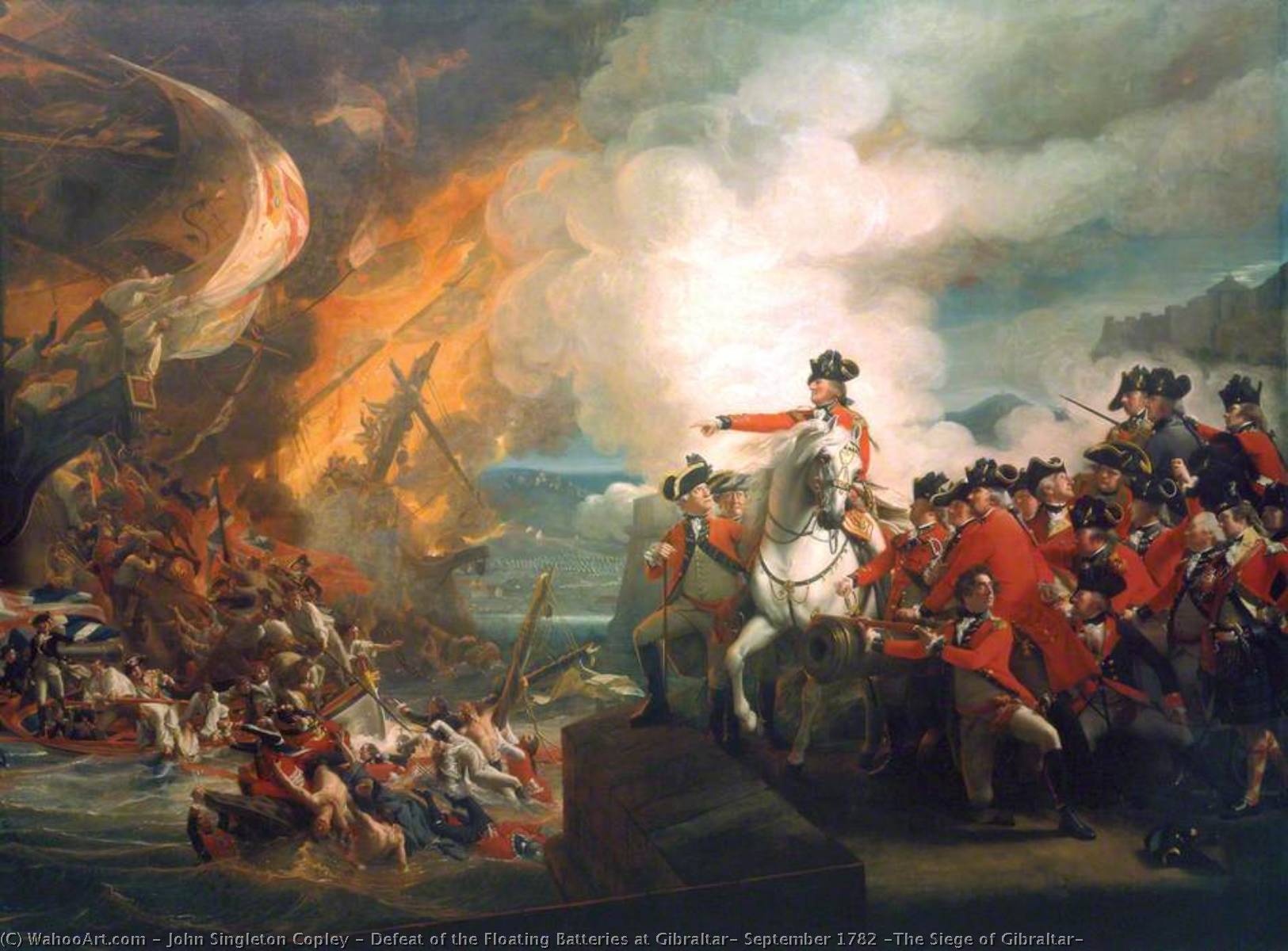
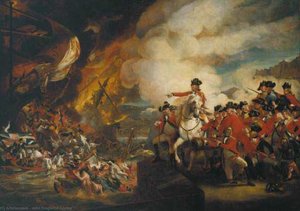
Defeat of the Floating Batteries at Gibraltar, September 1782 (The Siege of Gibraltar)
 Öl auf Leinwand
- Wandkunst
- Neoclassical Realism
 1791
1791 544.0 x 754.0 cm
 Guildhall Art Galerie
 Weiterlesen
Handgefertigte Ölreproduktion
Handgemaltes Ölgemälde auf Leinwand in Ihrer Wunschgröße und mit Rahmen, auf Bestellung von unseren Künstlern angefertigt. ( Druck bestellen Bild kaufen)




P118B $10

P118H $10

P118W $10

P438Z $10

P508JH $12

P508YH $12

P805H $10

P805Z $10

P919BZ $10

P919G $10

P919XJ $10

P959ZH $10

P968JZ $12

W106C $8

W218G $10

W218JH $8

W218Y $10

W307PJ $10

W316G $10

W316PJ $8

W316Y $10

W398PJ $8

W4111J $10

W500HY $15

W500JH $15

W692G $12

W849H $8

W940BG $15

W953PJ $8




Wählen Sie aus unseren vordefinierten Formaten, die den ursprünglichen Proportionen des Kunstwerks entsprechen.

Sie können Ihre eigenen Maße eingeben, um einen bestimmten Rahmen oder Platz auszufüllen. Wenn die gewählte Größe nicht den Proportionen des Originalbildes entspricht, werden wir das Kunstwerk entweder beschneiden oder das Gemälde durch zusätzliche, handgemalte Elemente erweitern. Ein digitales Mockup wird Ihnen zur Genehmigung zugesandt, bevor die Produktion beginnt.
Bitte beachten Sie, dass die Bildschirmvorschau nicht die tatsächliche Beschneidung oder Erweiterung widerspiegelt. Nur das Mockup zeigt die endgültige Komposition exakt an.
Obwohl Sondermaße verfügbar sind, empfehlen wir, eine Größe aus der vordefinierten Liste zu wählen, um die ursprünglichen Proportionen beizubehalten.
Nach der Bestellung wird das ArtsDot.com-Team dem Kunden Anweisungen per E-Mail zusenden und eine Mockup-Vorschau bereitstellen.
Weltweiter Versand () in nur 3 bis 4 Wochen statt der üblichen 5 Wochen. (24 August). Keine Kompromisse bei der Qualität.

Kostenloser weltweiter Expressversand

Hochwertige Leinenleinwand

Umfassender Versicherungsschutz beim Versand

Zollgebühren-Rückerstattungsgarantie

Garantie für exakte Farbtreue

60 Tage Rückgaberecht (nur bei Mängeln)

100% Geld-zurück-Garantie

Mengenrabatt verfügbar
 Die Glasoption ist nur für Größen unter 110 cm verfügbar.

Defeat of the Floating Batteries at Gibraltar, September 1782 (The Siege of Gibraltar)
Art der Reproduktion
Format der Reproduktion
-


Gesamtpreis
$ 263
Beschreibung des Kunstwerks
A Tempestuous Triumph: Copley’s “Defeat of the Floating Batteries”
John Singleton Copley's monumental canvas, "The Defeat of the Floating Batteries at Gibraltar," isn't merely a depiction of naval combat; it’s a vibrant tableau of strategic brilliance, desperate courage, and the raw energy of a pivotal moment in the American Revolutionary War. Completed in 1791, this imposing work—measuring over 42 square meters—captures the chaotic drama of the Great Siege of Gibraltar, a protracted struggle for control of a vital Mediterranean port between Britain and Spain. Copley, a Boston-born artist who later established himself in London, masterfully blends historical accuracy with dramatic flair, creating an image that resonates with both its immediate action and broader implications.
The painting’s genesis lies within the intense political climate of the late 18th century. Spain, allied with France, sought to wrest Gibraltar from British hands, a strategic foothold crucial for controlling trade routes in the Mediterranean. The siege itself was a protracted affair, marked by innovative weaponry on both sides – most notably, the Spanish deployment of “floating batteries,” ingenious vessels designed to bombard the fortress walls at close range. Copley’s commission by the City of London Corporation aimed to commemorate this decisive victory for the British, solidifying their control and bolstering morale during a period of significant upheaval.
A Symphony of Light and Shadow: Technique and Composition
Copley's artistic approach is immediately striking. He eschewed the traditional, often idealized, depictions of battle prevalent at the time, opting instead for a dynamic realism that vividly portrays the gritty realities of naval warfare. The composition is meticulously structured, guiding the viewer’s eye through the scene with a masterful use of light and shadow. A dramatic diagonal line, formed by the advancing British troops and the burning ships in the background, creates a sense of movement and urgency. The artist skillfully employs loose brushstrokes to convey the turbulence of the sea and the chaos of battle, while also rendering the figures with remarkable detail and sensitivity.
Notably, Copley’s decision to portray the action from the landward perspective—looking out to sea—was a deliberate departure from conventional naval paintings. This choice emphasizes the strategic importance of Gibraltar, highlighting the vulnerability of the Spanish fleet and the resilience of the British garrison. The use of muted colors – predominantly browns, grays, and ochres – contributes to the painting’s somber mood, punctuated by flashes of fiery red as the floating batteries succumb to British firepower. The inclusion of several prominent officers, rendered with individual character and bearing, elevates the scene beyond a simple depiction of combat, transforming it into a celebration of leadership and strategic acumen.
Symbolism and Emotional Resonance
Beyond its historical accuracy, “The Defeat of the Floating Batteries” is rich in symbolic meaning. The burning ships represent not just military defeat but also the destruction of Spanish technological innovation – a potent symbol of British ingenuity and dominance. The heroic figure of General George Augustus Eliott, commanding from the ramparts, embodies courage, strategic thinking, and unwavering resolve. His posture, his gaze fixed on the unfolding battle, conveys an almost palpable sense of command and determination.
Furthermore, the painting’s scale—one of the largest oil paintings produced by Copley—underscores its significance. It wasn't merely a record of events; it was intended to be a powerful statement about British strength and strategic prowess. The emotional impact is profound: viewers are drawn into the heart of the action, experiencing the intensity of the battle alongside the soldiers and officers depicted. The painting’s enduring appeal lies in its ability to capture not just a historical event but also the spirit of a nation at war.
A Legacy of Artistic Innovation
“The Defeat of the Floating Batteries” stands as a testament to John Singleton Copley's artistic vision and his pivotal role in shaping American art. His willingness to embrace realism, his innovative compositional techniques, and his ability to capture both historical detail and emotional depth cemented his place as one of the most important artists of his era. Reproductions of this magnificent work continue to captivate audiences today, offering a glimpse into a dramatic chapter in British military history and showcasing the enduring power of art to illuminate the past.
Ähnliche Kunstwerke







Über den Künstler
Ein Pionier der anglo-amerikanischen Malerei (1738–1815)
John Singleton Copley, ein renommierter anglo-amerikanischer Maler, hat mit seinen fesselnden Porträts und Landschaftsbildern bleibende Spuren in der Kunstwelt hinterlassen. Geboren in Boston, Massachusetts, für Richard und Mary Singleton Copley, beide englisch-irischer Abstammung, ist Johns künstlerische Reise ein Beweis für sein angeborenes Talent und seine Hingabe.Frühes Leben und Ausbildung
Obwohl es nur wenige Informationen über Johns formelle Ausbildung gibt, wird angenommen, dass er sich weitgehend autodidaktisch entwickelte und schon in jungen Jahren eine Neigung zur Kunst zeigte. Sein Stiefvater, Peter Pelham, ein Graveur und Maler, mag ihm einige Hinweise gegeben haben, doch der Großteil von Johns künstlerischer Entwicklung ist seinem eigenen Fleiß zuzuschreiben.Künstlerische Beiträge
John Singleton Copleys Werk zeichnet sich durch Folgendes aus:- Porträtmalerei: Seine Porträts wohlhabender und einflussreicher Persönlichkeiten Neuenglands sind für ihre Detailgenauigkeit und die Einbeziehung von Artefakten bekannt, die das Leben der dargestellten Personen widerspiegeln.
- Innovativer Stil: Copleys Tendenz, bürgerliche Subjekte mit Fokus auf ihren Alltag darzustellen, unterschied sich von der traditionellen Porträtmalerei seiner Zeit.
- Künstlerische Bandbreite: Von Selbstporträts bis hin zu historischen Szenen demonstriert Johns Werk seine Vielseitigkeit und sein Können, eine breite Palette von Themen einzufangen.
Bemerkenswerte Werke und ihre Bedeutung
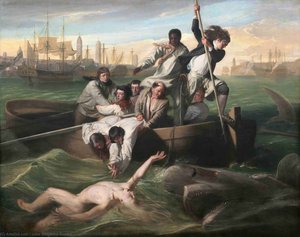
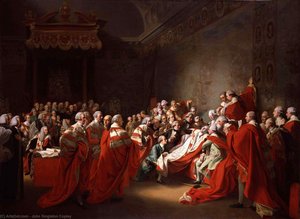
Zu John Singleton Copleys bekanntesten Werken gehören:- Der Zusammenbruch des Earl of Chatham im House of Lords (Tate Gallery (London, Großbritannien), Öl auf Leinwand), eine ergreifende Darstellung eines entscheidenden Moments in der britischen Geschichte.
- Mr. und Mrs. Ralph Izard (Alice Delancey) (Museum of Fine Arts (Boston, USA), Öl auf Leinwand), ein beispielhaftes Porträt, das Johns Detailgenauigkeit und seine Fähigkeit, die Essenz seiner Sujets einzufangen, demonstriert.
Vermächtnis und Einfluss
John Singleton Copleys Einfluss auf die Kunstwelt ist unbestreitbar. Sein innovativer Ansatz in der Porträtmalerei und seine Beiträge zur anglo-amerikanischen Malerei haben Generationen von Künstlern beeinflusst. Für ein tieferes Verständnis von Johns Werk und seiner Bedeutung besuchen Sie Wahoos John Singleton Copley Seite, die eine umfangreiche Sammlung seiner Kunstwerke bietet.Weiterführende Informationen
Für weitere Informationen zur Geschichte der Malerei und ihrer Entwicklung konsultieren Sie bitte Wikipedias Artikel über die Geschichte der Malerei. Um Wahoos umfangreiche Sammlung zu erkunden, einschließlich Werke aus verschiedenen Epochen und Stilen, navigieren Sie durch Wahoos Burghley House (Stamford, USA) – ein verstecktes Juwel der amerikanischen Kunst und die Entdeckung der Kunstwerke des St Hilda’s College, Oxford, Großbritannien.
John Singleton Copley
1738 - 1815 , Vereinigtes Königreich
Kurzinfos
- Bemerkenswerte Werke:
- Der Zusammenbruch des Earl of Chatham
- Herr und Frau Ralph Izard
- Geburtsdatum: 1738
- Geburtsort (Stadt Und Land): Boston, Vereinigtes Königreich
- Künstlerische Bewegung Oder Stil: Porträtmalerei, Realismus
- Nationalität: Anglo-Amerikanisch
- Sterbedatum: 1815
- Vollständiger Name: John Singleton Copley
Ähnliche Artikel
The Golden Age Reforged: Dramatic Realism & Religious Zeal in Spanish Baroque Art
Explore the dramatic world of Spanish Baroque art! Discover masters like Zurbarán & the powerful influence of religious zeal on painting techniques – a guide for collectors and enthusiasts.
Die 25 Meisterwerke des British Museum: Kunstgeschichte für Ihr Zuhause | ArtsDot
Entdecken Sie die 25 bedeutendsten Kunstwerke des British Museum! Von ägyptischen Schätzen bis zu Meisterwerken von Rembrandt & Van Gogh – erfahren Sie faszinierende Geschichten und finden Sie hochwertige Reproduktionen für Ihr Zuhause. Jetzt auf ArtsDot.com inspirieren lassen!
Thomas Butterworth (1768–1842): Navigating the Aesthetics of British Marine Painting
Explore the captivating maritime art of Thomas Butterworth (1768–1842). Discover his stunning depictions of Napoleonic naval battles and life at sea, commissioned works for the East India Company, and enduring legacy. Learn more today!

Rafael de Penagos: A Study in Spanish Portraiture & Artistic Identity
Explore the life & art of Rafael de Penagos, a leading Spanish Art Deco illustrator. Discover his iconic 'Penagos Woman', commercial work, and lasting legacy. Learn about this pivotal figure in 20th-century Spanish art history.
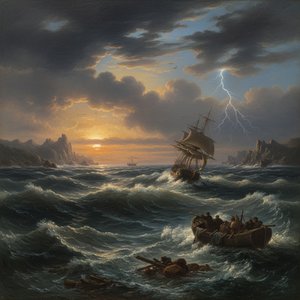
Philip James de Loutherbourg: Romantic Visions of Maritime Life & the Sublime
Explore the dramatic naval scenes & landscapes of Philip James de Loutherbourg (1740-1812), a key figure in Romantic painting. Discover his legacy, theatrical innovations & iconic works like 'The Battle of the Nile' at ArtsDot.