 Vorschau anzeigen
 Versenden
 Teilen
 Details anzeigen

 Herunterladen
 Ähnliche Objekte
 Röntgenaufnahme
 Diashow
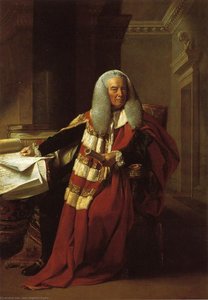
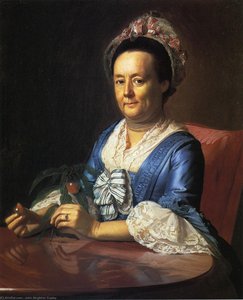
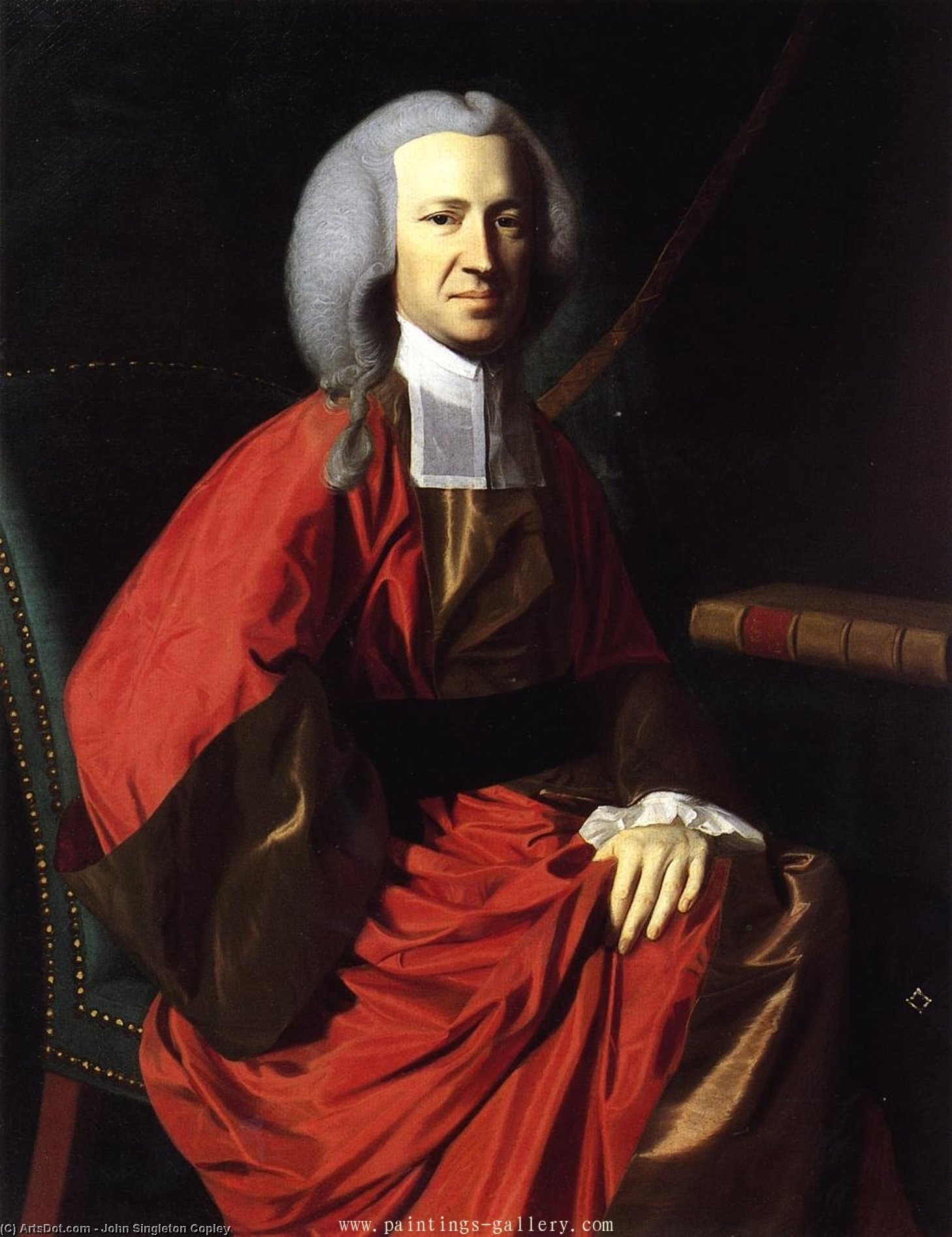
Portrait of Judge Martin Howard


 Weiterlesen
Giclée / Kunstdruck
Giclée- oder Leinwanddruck in Museumsqualität mit schneller Produktion und flexiblen Veredelungsoptionen. ( Handgemalte Reproduktion bestellen Bild kaufen)




P118B $10

P118H $10

P118W $10

P438Z $10

P508JH $12

P508YH $12

P805H $10

P805Z $10

P919BZ $10

P919G $10

P919XJ $10

P959ZH $10

P968JZ $12

W106C $8

W218G $10

W218JH $8

W218Y $10

W307PJ $10

W316G $10

W316PJ $8

W316Y $10

W398PJ $8

W4111J $10

W500HY $15

W500JH $15

W692G $12

W849H $8

W940BG $15

W953PJ $8




Wählen Sie aus unseren vordefinierten Formaten, die den ursprünglichen Proportionen des Kunstwerks entsprechen.

Sie können Ihre eigenen Maße eingeben, um ein bestimmtes Format oder einen speziellen Platz einzupassen. Wenn das von Ihnen gewählte Format nicht den Proportionen des Originalbildes entspricht, werden wir das Kunstwerk entweder beschneiden oder das Bild mit einem gespiegelten oder einfarbigen Rand erweitern. Ein digitaler Entwurf wird Ihnen zur Genehmigung zugesandt, bevor die Produktion beginnt.
Bitte beachten Sie, dass die Vorschau auf dem Bildschirm nicht den tatsächlichen Zuschnitt oder die Erweiterung widerspiegelt. Nur der Entwurf zeigt die endgültige Komposition präzise an.
Obwohl Sondermaße verfügbar sind, empfehlen wir die Auswahl eines Maßes aus der vordefinierten Liste, um die ursprünglichen Proportionen zu bewahren.
Weltweiter Versand () innerhalb von 2 Wochen statt der üblichen 4/5 Wochen. (7 September)

Kostenloser weltweiter Expressversand

Hochwertige Leinenleinwand

Umfassender Versicherungsschutz beim Versand

Zollgebühren-Rückerstattungsgarantie

Garantie für exakte Farbtreue

100-Tage-Rückgaberecht (nur bei Mängeln)

100% Geld-zurück-Garantie

Mengenrabatt verfügbar
 Die Glasoption ist nur für Größen unter 110 cm verfügbar.

Portrait of Judge Martin Howard
Giclée / Kunstdruck
Format der Reproduktion
-


Gesamtpreis
$ 62
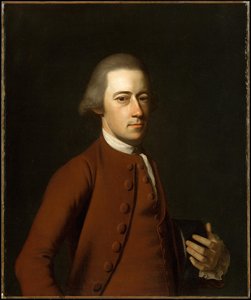
A Portrait of Power and Grace: John Singleton Copley’s “Portrait of Judge Martin Howard”
The year is 1767. Boston, a burgeoning hub of colonial commerce and intellectual ferment, witnesses the creation of a remarkable portrait – John Singleton Copley's "Portrait of Judge Martin Howard." More than simply a likeness, this painting embodies the spirit of the era, capturing not just the subject’s physical appearance but also his status, ambition, and the subtle complexities of 18th-century New England society. Housed within the esteemed Museo Nacional Centro de Arte Reina Sofía in Madrid, it stands as a testament to Copley's mastery and a window into a pivotal moment in American art history.
Copley, a self-taught artist who arrived in London after establishing himself in Boston, brought with him a unique blend of European artistic traditions – particularly the influence of Italian portraiture – and an acute understanding of his American clientele. He wasn’t interested in mere imitation; he sought to distill the essence of his subjects, imbuing their portraits with personality and context. Howard, a respected judge known for his legal acumen and involvement in shaping Rhode Island law, was a demanding subject, requiring Copley to capture not just his features but also the weight of his office and the dignity of his position.
The Details of a Distinguished Man
The painting immediately draws the eye with its rich palette and meticulous detail. Judge Howard is depicted in a commanding pose, seated in a plush chair upholstered in deep blue velvet – a deliberate choice that speaks to his wealth and status. He wears a vibrant red coat adorned with crisp white trim, a bold statement of authority against the darker tones of the background. The intricate folds of the fabric, rendered with Copley’s signature precision, suggest both luxury and movement. His long hair, meticulously styled in a wig, frames a face etched with intelligence and composure. Notice the subtle details: the rings on his fingers, the carefully arranged books on the table beside him – each element contributing to a layered portrait of a man deeply rooted in his profession and community.
Copley’s technique is equally impressive. The oil paint application is remarkably smooth and luminous, creating a sense of depth and realism. He masterfully employs chiaroscuro—the contrast between light and shadow—to sculpt Howard's features and define the space around him. The lighting focuses primarily on Howard himself, drawing attention to his face and posture while subtly obscuring the background, reinforcing his central importance within the composition.
A Window into Colonial Society
Beyond its technical brilliance, “Portrait of Judge Martin Howard” offers a valuable glimpse into colonial American society. The setting—a richly appointed study—reflects the prosperity and sophistication of the era’s elite. The inclusion of books suggests Howard's intellectual pursuits and his engagement with legal scholarship. The portrait itself was a significant investment for a judge, signifying both his success and his desire to project an image of respectability and authority. It was a common practice during this period to commission portraits as markers of social standing and family history.
Interestingly, the painting’s creation coincided with Howard's marriage to Abigail Greenleaf, daughter of Stephen Greenleaf, Sheriff of Suffolk County. This familial connection adds another layer of significance to the portrait, suggesting a celebration of both personal and professional achievement. The meticulous attention to detail—from the judge’s attire to the arrangement of objects in his study—reflects the values and aspirations of colonial society.
Symbolism and Enduring Legacy
The red coat with white trim is not merely decorative; it symbolizes authority, justice, and civic duty. The pose itself – seated upright, gazing directly at the viewer – conveys confidence and self-assurance. Copley’s ability to capture Howard's personality—his intelligence, his seriousness, and perhaps even a hint of melancholy—elevates the portrait beyond a simple likeness. It is a work that speaks volumes about the man he portrayed and the society in which he lived.
Today, “Portrait of Judge Martin Howard” remains a prized possession of the Museo Nacional Centro de Arte Reina Sofía, continuing to captivate viewers with its beauty, detail, and historical significance. Reproductions of this iconic painting offer an accessible way to appreciate Copley’s genius and gain insight into the world of 18th-century colonial America.
Ähnliche Kunstwerke
Über den Künstler
Ein Pionier der anglo-amerikanischen Malerei (1738–1815)
John Singleton Copley, ein renommierter anglo-amerikanischer Maler, hat mit seinen fesselnden Porträts und Landschaftsbildern bleibende Spuren in der Kunstwelt hinterlassen. Geboren in Boston, Massachusetts, für Richard und Mary Singleton Copley, beide englisch-irischer Abstammung, ist Johns künstlerische Reise ein Beweis für sein angeborenes Talent und seine Hingabe.Frühes Leben und Ausbildung
Obwohl es nur wenige Informationen über Johns formelle Ausbildung gibt, wird angenommen, dass er sich weitgehend autodidaktisch entwickelte und schon in jungen Jahren eine Neigung zur Kunst zeigte. Sein Stiefvater, Peter Pelham, ein Graveur und Maler, mag ihm einige Hinweise gegeben haben, doch der Großteil von Johns künstlerischer Entwicklung ist seinem eigenen Fleiß zuzuschreiben.Künstlerische Beiträge
John Singleton Copleys Werk zeichnet sich durch Folgendes aus:- Porträtmalerei: Seine Porträts wohlhabender und einflussreicher Persönlichkeiten Neuenglands sind für ihre Detailgenauigkeit und die Einbeziehung von Artefakten bekannt, die das Leben der dargestellten Personen widerspiegeln.
- Innovativer Stil: Copleys Tendenz, bürgerliche Subjekte mit Fokus auf ihren Alltag darzustellen, unterschied sich von der traditionellen Porträtmalerei seiner Zeit.
- Künstlerische Bandbreite: Von Selbstporträts bis hin zu historischen Szenen demonstriert Johns Werk seine Vielseitigkeit und sein Können, eine breite Palette von Themen einzufangen.
Bemerkenswerte Werke und ihre Bedeutung
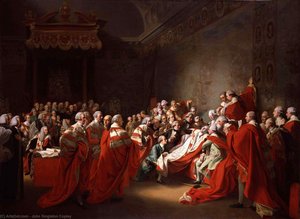
Zu John Singleton Copleys bekanntesten Werken gehören:- Der Zusammenbruch des Earl of Chatham im House of Lords (Tate Gallery (London, Großbritannien), Öl auf Leinwand), eine ergreifende Darstellung eines entscheidenden Moments in der britischen Geschichte.
- Mr. und Mrs. Ralph Izard (Alice Delancey) (Museum of Fine Arts (Boston, USA), Öl auf Leinwand), ein beispielhaftes Porträt, das Johns Detailgenauigkeit und seine Fähigkeit, die Essenz seiner Sujets einzufangen, demonstriert.
Vermächtnis und Einfluss
John Singleton Copleys Einfluss auf die Kunstwelt ist unbestreitbar. Sein innovativer Ansatz in der Porträtmalerei und seine Beiträge zur anglo-amerikanischen Malerei haben Generationen von Künstlern beeinflusst. Für ein tieferes Verständnis von Johns Werk und seiner Bedeutung besuchen Sie Wahoos John Singleton Copley Seite, die eine umfangreiche Sammlung seiner Kunstwerke bietet.Weiterführende Informationen
Für weitere Informationen zur Geschichte der Malerei und ihrer Entwicklung konsultieren Sie bitte Wikipedias Artikel über die Geschichte der Malerei. Um Wahoos umfangreiche Sammlung zu erkunden, einschließlich Werke aus verschiedenen Epochen und Stilen, navigieren Sie durch Wahoos Burghley House (Stamford, USA) – ein verstecktes Juwel der amerikanischen Kunst und die Entdeckung der Kunstwerke des St Hilda’s College, Oxford, Großbritannien.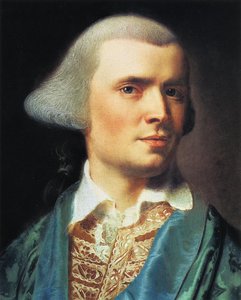
John Singleton Copley
1738 - 1815 , Vereinigtes Königreich
Kurzinfos
- Bemerkenswerte Werke:
- Der Zusammenbruch des Earl of Chatham
- Herr und Frau Ralph Izard
- Geburtsdatum: 1738
- Geburtsort (Stadt Und Land): Boston, Vereinigtes Königreich
- Künstlerische Bewegung Oder Stil: Porträtmalerei, Realismus
- Nationalität: Anglo-Amerikanisch
- Sterbedatum: 1815
- Vollständiger Name: John Singleton Copley
Ähnliche Artikel
Die 10 Meisterwerke des Neoklassizismus: Kunst für Ihr Zuhause |
Entdecken Sie die 10 Meisterwerke des Neoklassizismus! Von David bis Canova – erleben Sie Kunstgeschichte, elegante Ästhetik & zeitlose Schönheit. Hochwertige Reproduktionen auf .

The Enduring Legacy of Oil on Canvas: Technique, History & Aesthetic Impact
Explore the rich history & techniques of oil painting – from Renaissance masters to Impressionism. Discover pigments, layering methods, and why this timeless medium endures. Expert insights for artists & art enthusiasts.

Öl auf Leinwand: Eine historische und technische Erkundung eines zeitlosen künstlerischen Mediums
Entdecken Sie die faszinierende Welt der Ölmalerei! Von historischen Techniken bis zur modernen Anwendung – wir bieten Expertenwissen, Restaurierungstipps und hochwertige Reproduktionen. Jetzt informieren!
The Enduring Legacy of Classicism: Principles, Evolution & Influence in Western Art
Explore the enduring legacy of Classicism in Western art! Discover its historical context, key principles, iconic masterpieces & lasting influence. Learn about Renaissance and Neoclassical movements with ArtsDot.

Das bleibende Erbe der Ölmalerei: Technik, Geschichte und zeitgenössische Praxis
Entdecken Sie die faszinierende Geschichte der Ölmalerei – von den frühen Techniken bis zur modernen Kunst. Expertenwissen, detaillierte Analysen und Inspiration für Sammler & Kunstliebhaber.