 Vorschau anzeigen
 Versenden
 Teilen
 Details anzeigen

 Herunterladen
 Ähnliche Objekte
 Röntgenaufnahme
 Diashow
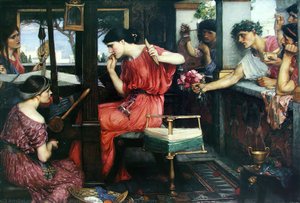
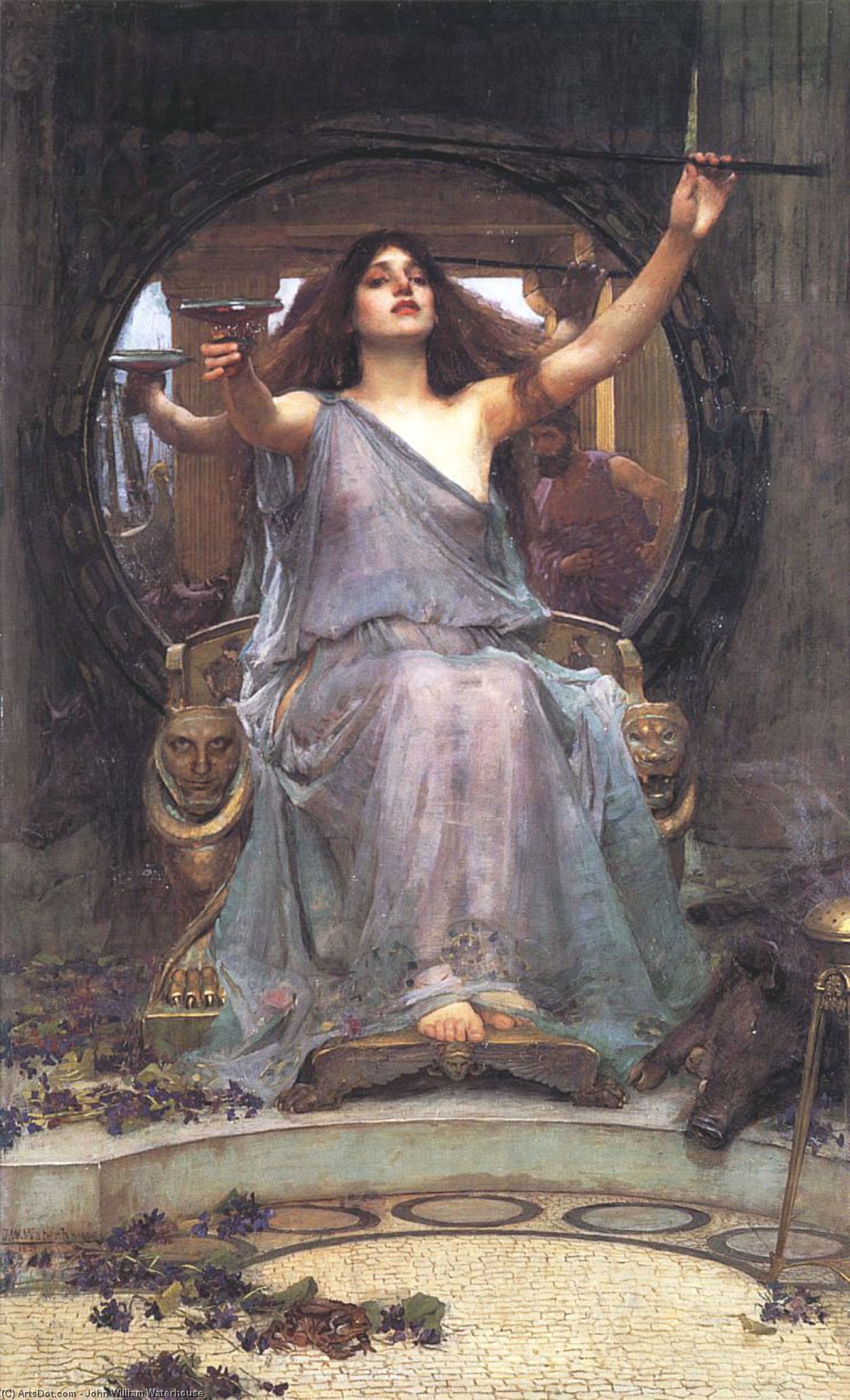
Circe Offering the Cup to Odysseus


 Weiterlesen
Handgefertigte Ölreproduktion
Handgemaltes Ölgemälde auf Leinwand in Ihrer Wunschgröße und mit Rahmen, auf Bestellung von unseren Künstlern angefertigt. ( Druck bestellen Bild kaufen)




P118B $10

P118H $10

P118W $10

P438Z $10

P508JH $12

P508YH $12

P805H $10

P805Z $10

P919BZ $10

P919G $10

P919XJ $10

P959ZH $10

P968JZ $12

W106C $8

W218G $10

W218JH $8

W218Y $10

W307PJ $10

W316G $10

W316PJ $8

W316Y $10

W398PJ $8

W4111J $10

W500HY $15

W500JH $15

W692G $12

W849H $8

W940BG $15

W953PJ $8




Wählen Sie aus unseren vordefinierten Formaten, die den ursprünglichen Proportionen des Kunstwerks entsprechen.

Sie können Ihre eigenen Maße eingeben, um einen bestimmten Rahmen oder Platz auszufüllen. Wenn die gewählte Größe nicht den Proportionen des Originalbildes entspricht, werden wir das Kunstwerk entweder beschneiden oder das Gemälde durch zusätzliche, handgemalte Elemente erweitern. Ein digitales Mockup wird Ihnen zur Genehmigung zugesandt, bevor die Produktion beginnt.
Bitte beachten Sie, dass die Bildschirmvorschau nicht die tatsächliche Beschneidung oder Erweiterung widerspiegelt. Nur das Mockup zeigt die endgültige Komposition exakt an.
Obwohl Sondermaße verfügbar sind, empfehlen wir, eine Größe aus der vordefinierten Liste zu wählen, um die ursprünglichen Proportionen beizubehalten.
Nach der Bestellung wird das ArtsDot.com-Team dem Kunden Anweisungen per E-Mail zusenden und eine Mockup-Vorschau bereitstellen.
Weltweiter Versand () in nur 3 bis 4 Wochen statt der üblichen 5 Wochen. (5 September). Keine Kompromisse bei der Qualität.

Kostenloser weltweiter Expressversand

Hochwertige Leinenleinwand

Umfassender Versicherungsschutz beim Versand

Zollgebühren-Rückerstattungsgarantie

Garantie für exakte Farbtreue

60 Tage Rückgaberecht (nur bei Mängeln)

100% Geld-zurück-Garantie

Mengenrabatt verfügbar
 Die Glasoption ist nur für Größen unter 110 cm verfügbar.

Circe Offering the Cup to Odysseus
Art der Reproduktion
Format der Reproduktion
-


Gesamtpreis
$ 288
A Vision of Mythic Enchantment: John William Waterhouse’s “Circe Offering the Cup to Ulysses”
John William Waterhouse's "Circe Offering the Cup to Ulysses," completed in 1891, stands as a cornerstone of Pre-Raphaelite painting—a movement obsessed with reviving artistic ideals rooted in medieval art and literature. More than just a depiction of Homer’s epic tale, it’s an immersive experience into a realm where beauty transcends mere representation, prioritizing emotional resonance and meticulous craftsmanship. The canvas captures a pivotal moment from Odysseus's journey home after the Trojan War: Circe, the sorceress queen of Thessaly, tempts Ulysses with an opulent goblet filled with wine—a gesture laden with symbolic significance that speaks to themes of temptation, transformation, and the perilous allure of the unknown.- Historical Context: The Pre-Raphaelite Brotherhood emerged in London in 1848 as a reaction against the perceived superficiality of academic art trends. Artists like Waterhouse sought inspiration from medieval manuscripts and Renaissance masters—specifically Botticelli—rejecting the conventions of Romanticism’s emphasis on dramatic emotion and idealized landscapes.
- Style: Waterhouse's style is instantly recognizable for its serene beauty, diffused lighting, and painstaking attention to detail. He eschewed bold brushstrokes in favor of smooth, blended surfaces that convey an ethereal quality—a hallmark of the Pre-Raphaelite aesthetic.
Composition and Technique: Mastering Illusionistic Depth
The painting’s composition is deliberately centered around Circe—seated majestically within a richly ornamented chair—dominating the vertical space. Ulysses stands to her right, observing her offering with cautious apprehension. Waterhouse skillfully employs atmospheric perspective—a technique borrowed from Renaissance painters—to create an illusion of depth. Distant architectural elements fade into muted blues and creams, subtly diminishing in clarity as they recede into the background. This masterful manipulation of color and tonal gradation contributes significantly to the painting’s dreamlike atmosphere. Furthermore, Waterhouse utilizes glazing—applying thin layers of translucent pigment over underlying colors—to achieve luminous effects and imbue the artwork with a palpable sense of radiance.- Color Palette: The dominant hues are muted blues, purples, and creams—creating an ambiance that evokes melancholy beauty and hinting at hidden dangers. Subtle contrasts accentuate Circe’s face and hair, drawing the viewer's eye to her captivating gaze.
- Brushwork: Waterhouse’s brushstrokes are remarkably delicate and controlled—evident in the rendering of Circe’s drapery and Ulysses’s garments. The artist meticulously builds up textures through layering pigment—capturing the sheen of silk, the roughness of stone, and the subtle contours of human flesh.
Symbolism: Temptation and Transformation Within Mythic Narrative
Beyond its aesthetic merits, “Circe Offering the Cup to Ulysses” is replete with symbolic references rooted in Greek mythology. The goblet itself represents temptation—a perilous invitation to abandon reason and succumb to desire. Circe’s enigmatic expression embodies both allure and caution—suggesting that accepting her offer carries profound consequences. The scattered grapes at the base of the scene symbolize abundance, yet also hint at intoxication—mirroring the intoxicating influence of Circe's magic. Ultimately, Waterhouse’s painting explores the transformative potential inherent in confronting alluring illusions—a timeless theme that continues to resonate with audiences today.Emotional Impact: Capturing Beauty and Intrigue
Waterhouse succeeds in conveying a profound emotional impact—capturing not merely the visual spectacle of mythic narrative but also its underlying psychological complexities. The painting’s serene beauty is tempered by an undercurrent of apprehension—drawing viewers into Circe's captivating gaze and prompting contemplation about the nature of desire and resistance. “Circe Offering the Cup to Ulysses” remains a testament to Waterhouse’s artistic vision—a masterpiece that embodies the Pre-Raphaelite movement’s commitment to elevating art beyond mere decoration, transforming it into an instrument for conveying profound emotional truths.Ähnliche Kunstwerke

Über den Künstler
Frühes Leben und Einflüsse
John William Waterhouse, ein bedeutender englischer Maler, wurde 1849 in Rom zu englischen Eltern geboren. Sein frühes Leben in Italien beeinflusste sein späteres Werk maßgeblich, das oft Szenen aus dem antiken Rom oder der römischen Mythologie darstellte. Im Jahr 1854 kehrten die Waterhouses nach England zurück und ließen sich in South Kensington, London, in der Nähe des neu gegründeten Victoria and Albert Museums nieder.Aufstieg zur Prominenz
Waterhouses künstlerische Reise begann mit klassischen Themen, die an Alma-Tadema und Frederick Leighton erinnerten. Seine frühen Werke wurden in der Dudley Gallery und der Society of British Artists ausgestellt, wobei seine 1874 entstandene Darstellung von Schlaf und seinem Halbbruder Tod auf der Sommerausstellung der Royal Academy gezeigt wurde. Dies markierte den Beginn seiner erfolgreichen Karriere, wobei seine Gemälde bis 1916 häufig in den jährlichen Ausstellungen vertreten waren.Präraffaelitische Wiederbelebung und bemerkenswerte Werke
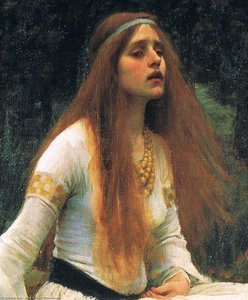
Waterhouses spätere Arbeit war durch die Annahme des präraffaelitischen Stils gekennzeichnet, wie man in seinen Darstellungen von Frauen aus der griechischen Mythologie und der Artus-Sage erkennen kann. Zu seinen bemerkenswertesten Werken gehören:- The Lady of Shalott, eine Studie von Elaine von Astolat, die er in drei verschiedenen Versionen (1888, 1894 und 1916) malte.
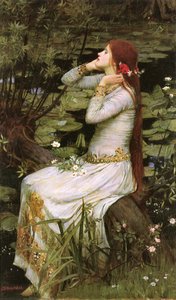
- Ophelia, wobei die bekannteste Version sie kurz vor ihrem Tod zeigt, wie sie Blumen in ihr Haar flechtet, während sie auf einem Baumstamm über einem See sitzt.
- After the Dance (1876), das in der Sommerausstellung dieses Jahres eine herausragende Position einnahm.
Leben und Vermächtnis
Waterhouse heiratete 1883 Esther Kenworthy, die Tochter eines Kunstlehrers. Er wurde 1895 zum ordentlichen Akademiker gewählt und unterrichtete an der St. John's Wood Art School. Waterhouse verstarb am 10. Februar 1917. Sehen Sie mehr von John William Waterhouses Werken auf ArtsDot: [https://ArtsDot.com/@/john william waterhouse](https://ArtsDot.com/@/john-william-waterhouse) | /de/art/show/art-d3c5zp-de/ (Top 5 berühmter Pop Art Gemälde aller Zeiten) [https://ArtsDot.com/@@/9geqys-john-william-waterhouse-thisbe](https://ArtsDot.com/@@/9geqys-john-william-waterhouse-thisbe) (Gemälde von John William Waterhouse: Thisbe) Erkunden Sie mehr auf Wikipedia: [https://en.wikipedia.org/wiki/john_william_waterhouse](https://en.wikipedia.org/wiki/john_william_waterhouse) [https://en.wikipedia.org/wiki/art_of_the_united_kingdom](https://en.wikipedia.org/wiki/art_of_the_united_kingdom) [https://en.wikipedia.org/wiki/victorian_painting](https://en.wikipedia.org/wiki/victorian_painting)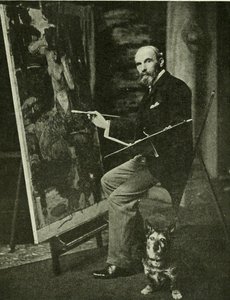
John William Waterhouse
1849 - 1917 , Italien
Kurzinfos
- Beeinflusste Künstler:
- Alma-Tadema
- Frederic Leighton
- Bemerkenswerte Werke:
- The Lady of Shalott
- Ophelia
- After the Dance
- Ariadne
- Thisbe
- Geburtsdatum: 1849
- Geburtsort: Rom, Italien
- Künstlerische Bewegung: Präraffaeliten
- Nationalität: Englisch
- Sterbedatum: 1917
- Vollständiger Name: John William Waterhouse
Ähnliche Artikel
Dante Gabriel Rossetti: Die 25 Meisterwerke des Präraffelitismus | ArtsDot
Entdecken Sie die 25 schönsten Gemälde von Dante Gabriel Rossetti! Tauchen Sie ein in die Welt der Präraffeliten, symbolistischer Kunst & viktorianischer Romantik. Hochwertige Reproduktionen für Ihr Zuhause – jetzt bei ArtsDot.com!
John Singer Sargent: Die 25 Meisterwerke des Porträts – Kunst für Ihr Zuhause | ArtsDot
Entdecken Sie die 25 Meisterwerke von John Singer Sargent! Tauchen Sie ein in die Welt der Porträtmalerei, des Impressionismus & der Belle Époque. Hochwertige Kunstdrucke & Reproduktionen für Ihr Zuhause – jetzt auf ArtsDot.com!

John Constable: Die 25 Meisterwerke des englischen Landschaftsgenies – ArtsDot
Entdecken Sie die 25 Meisterwerke von John Constable! Erleben Sie englische Landschaftsmalerei vom Hay Wain bis zur Stour Valley. Hochwertige Reproduktionen & Kunst für Ihr Zuhause auf ArtsDot.com.
Sir John Everett Millais: Präraffaelitische Revolution und viktorianische Erzählkunst
Entdecken Sie das Leben und Werk von Sir John Everett Millais, einem Pionier der Präraffaeliten! Detaillierte Analysen seiner Gemälde, Einblicke in die viktorianische Kunstszene und seine bleibende Bedeutung. Jetzt lesen!

John William Waterhouse: Präraphäelitischer Mythos und poetische Darstellungen weiblicher Identität
Entdecken Sie die faszinierende Welt von John William Waterhouse und den Präraphäeliten! Analysen ikonischer Werke, historische Hintergründe & die poetische Darstellung weiblicher Identität. Jetzt lesen!