 Vorschau anzeigen
 Versenden
 Teilen
 Details anzeigen

 Herunterladen
 Ähnliche Objekte
 Röntgenaufnahme
 Diashow
Pandora
 Oil On Canvas
- WallArt
- Pre-Raphaelite Brotherhood
 1898
1898- 19th Century
 91.0 x 152.0 cm
 Weiterlesen
Handgefertigte Ölreproduktion
Handgemaltes Ölgemälde auf Leinwand in Ihrer Wunschgröße und mit Rahmen, auf Bestellung von unseren Künstlern angefertigt. ( Druck bestellen Bild kaufen)




P118B $10

P118H $10

P118W $10

P438Z $10

P508JH $12

P508YH $12

P805H $10

P805Z $10

P919BZ $10

P919G $10

P919XJ $10

P959ZH $10

P968JZ $12

W106C $8

W218G $10

W218JH $8

W218Y $10

W307PJ $10

W316G $10

W316PJ $8

W316Y $10

W398PJ $8

W4111J $10

W500HY $15

W500JH $15

W692G $12

W849H $8

W940BG $15

W953PJ $8




Wählen Sie aus unseren vordefinierten Formaten, die den ursprünglichen Proportionen des Kunstwerks entsprechen.

Sie können Ihre eigenen Maße eingeben, um einen bestimmten Rahmen oder Platz auszufüllen. Wenn die gewählte Größe nicht den Proportionen des Originalbildes entspricht, werden wir das Kunstwerk entweder beschneiden oder das Gemälde durch zusätzliche, handgemalte Elemente erweitern. Ein digitales Mockup wird Ihnen zur Genehmigung zugesandt, bevor die Produktion beginnt.
Bitte beachten Sie, dass die Bildschirmvorschau nicht die tatsächliche Beschneidung oder Erweiterung widerspiegelt. Nur das Mockup zeigt die endgültige Komposition exakt an.
Obwohl Sondermaße verfügbar sind, empfehlen wir, eine Größe aus der vordefinierten Liste zu wählen, um die ursprünglichen Proportionen beizubehalten.
Nach der Bestellung wird das ArtsDot.com-Team dem Kunden Anweisungen per E-Mail zusenden und eine Mockup-Vorschau bereitstellen.
Weltweiter Versand () in nur 3 bis 4 Wochen statt der üblichen 5 Wochen. (19 August). Keine Kompromisse bei der Qualität.

Kostenloser weltweiter Expressversand

Hochwertige Leinenleinwand

Umfassender Versicherungsschutz beim Versand

Zollgebühren-Rückerstattungsgarantie

Garantie für exakte Farbtreue

60 Tage Rückgaberecht (nur bei Mängeln)

100% Geld-zurück-Garantie

Mengenrabatt verfügbar
 Die Glasoption ist nur für Größen unter 110 cm verfügbar.

Pandora
Art der Reproduktion
Format der Reproduktion
-


Gesamtpreis
$ 263
Beschreibung des Kunstwerks
A Moment of Forbidden Curiosity: John William Waterhouse's "Pandora"
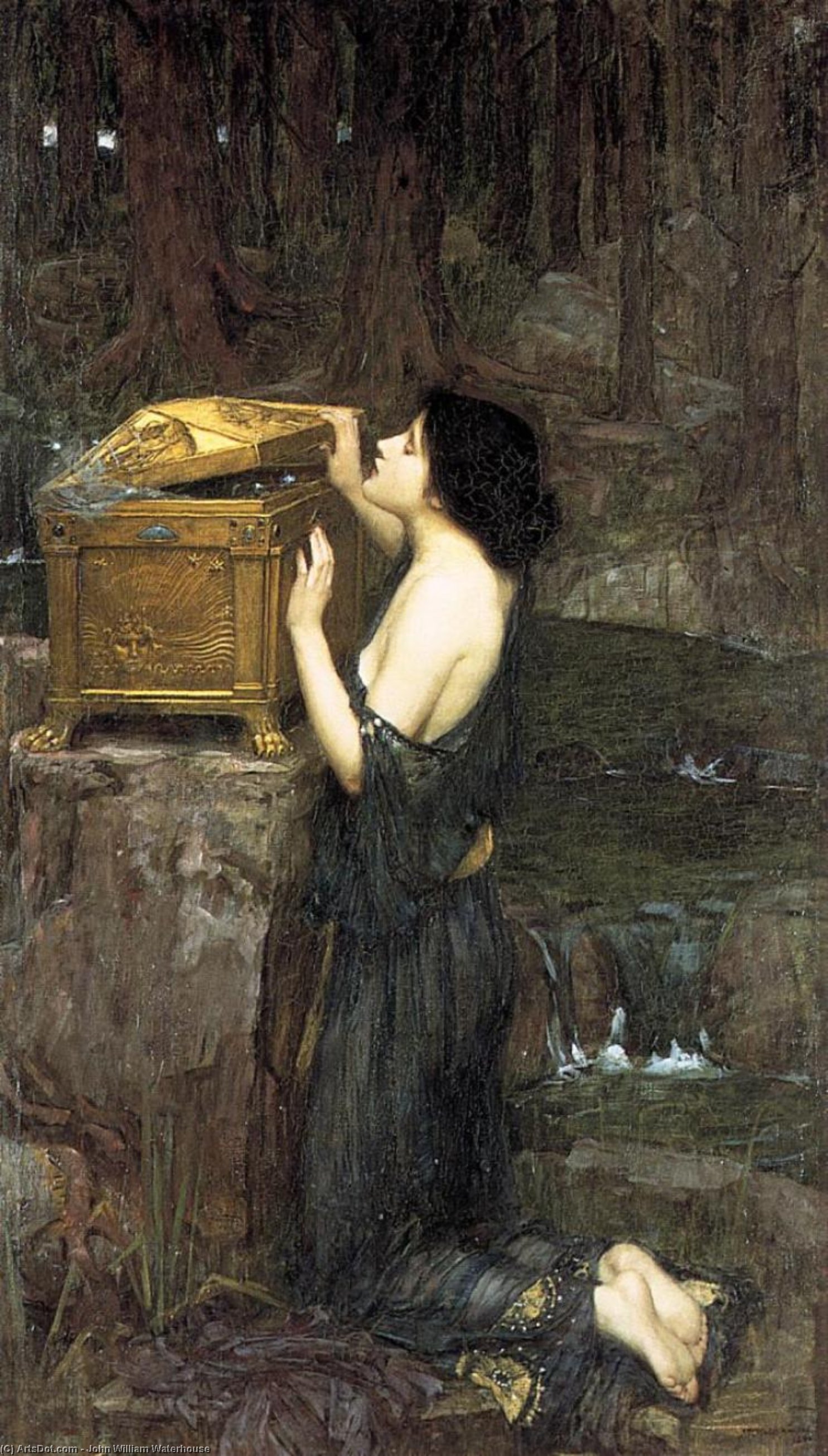
John William Waterhouse’s “Pandora,” completed in 1896, is more than just a depiction of a Greek myth; it’s an exquisitely rendered exploration of human nature – specifically, the irresistible allure of curiosity and the devastating consequences that can arise from unchecked desire. This oil on canvas, measuring 91 x 152 cm, exemplifies the Pre-Raphaelite Brotherhood's commitment to detailed realism and evocative storytelling, a style deeply rooted in Waterhouse’s Roman upbringing and his fascination with classical antiquity.
- The Myth Unveiled: The painting centers on Pandora, the first woman created by Zeus, burdened with a box containing all the evils of the world. Though forbidden to open it, her inherent human tendency towards inquiry leads her to break the divine decree, unleashing chaos upon humanity.
- Romantic Composition: Waterhouse masterfully employs the Pre-Raphaelite technique of dramatic lighting and rich color palettes. The muted tones of the background – a hazy landscape hinting at both beauty and foreboding – serve to heighten the intensity of Pandora’s moment.
- Technical Brilliance: Notice the meticulous detail in Pandora's rendering – the delicate folds of her gown, the subtle expression of apprehension on her face, and the almost tangible texture of the box itself. Waterhouse’s brushwork is remarkably smooth, contributing to a sense of serene contemplation juxtaposed with impending doom.
A Window into the Pre-Raphaelite Aesthetic
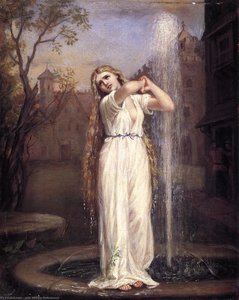
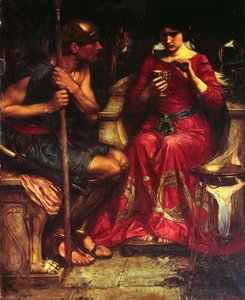
Waterhouse's “Pandora” firmly places itself within the broader context of the Pre-Raphaelite movement, which rejected the idealized forms and artificiality of academic art in favor of a return to the perceived sincerity and naturalism of early Italian Renaissance painters. This influence is evident in the painting’s emphasis on narrative detail, its exploration of complex psychological themes, and its use of vibrant color – though tempered with a melancholic sensibility. The Plymouth City Museum and Art Gallery holds several other works by Waterhouse, including "Undine" and "Circe Offering the Cup to Ulysses," offering further insight into his artistic evolution.
- Symbolism of Light and Shadow: The strategic use of light – a soft, diffused glow illuminating Pandora’s face and the box – creates a powerful sense of drama. This technique is not merely decorative; it symbolizes the unveiling of truth and the potential for both beauty and destruction.
- The Unseen Figure: The presence of the partially visible figure on the left side adds another layer to the painting's complexity, perhaps representing fate or the consequences of Pandora’s actions. It invites viewers to contemplate the wider implications of her transgression.
Emotional Resonance and Lasting Appeal
“Pandora” transcends a simple retelling of a myth; it taps into fundamental human emotions – curiosity, guilt, regret, and the awareness of our own fallibility. Waterhouse’s ability to capture this emotional depth is what continues to resonate with audiences today. The painting's enduring appeal lies in its exploration of timeless themes: the tension between knowledge and innocence, the dangers of disobedience, and the inescapable nature of consequence. The scene captures a poignant moment of vulnerability and contemplation, inviting viewers to reflect on their own desires and the potential repercussions of pursuing them.
Bringing "Pandora" Home
ArtsDot.com offers meticulously crafted hand-painted reproductions of Waterhouse’s “Pandora,” allowing you to bring this iconic artwork into your home or office. Each reproduction is created using traditional oil painting techniques, ensuring exceptional color accuracy and detail. Whether you are an art collector, interior designer seeking a touch of Pre-Raphaelite elegance, or simply someone captivated by the beauty and drama of Waterhouse’s vision, a “Pandora” reproduction offers a timeless piece of art that will undoubtedly become a treasured addition to your collection.
Ähnliche Kunstwerke


Über den Künstler
Frühes Leben und Einflüsse
John William Waterhouse, ein bedeutender englischer Maler, wurde 1849 in Rom zu englischen Eltern geboren. Sein frühes Leben in Italien beeinflusste sein späteres Werk maßgeblich, das oft Szenen aus dem antiken Rom oder der römischen Mythologie darstellte. Im Jahr 1854 kehrten die Waterhouses nach England zurück und ließen sich in South Kensington, London, in der Nähe des neu gegründeten Victoria and Albert Museums nieder.Aufstieg zur Prominenz
Waterhouses künstlerische Reise begann mit klassischen Themen, die an Alma-Tadema und Frederick Leighton erinnerten. Seine frühen Werke wurden in der Dudley Gallery und der Society of British Artists ausgestellt, wobei seine 1874 entstandene Darstellung von Schlaf und seinem Halbbruder Tod auf der Sommerausstellung der Royal Academy gezeigt wurde. Dies markierte den Beginn seiner erfolgreichen Karriere, wobei seine Gemälde bis 1916 häufig in den jährlichen Ausstellungen vertreten waren.Präraffaelitische Wiederbelebung und bemerkenswerte Werke
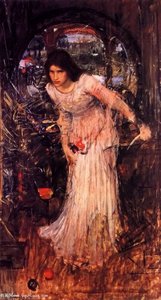
Waterhouses spätere Arbeit war durch die Annahme des präraffaelitischen Stils gekennzeichnet, wie man in seinen Darstellungen von Frauen aus der griechischen Mythologie und der Artus-Sage erkennen kann. Zu seinen bemerkenswertesten Werken gehören:- The Lady of Shalott, eine Studie von Elaine von Astolat, die er in drei verschiedenen Versionen (1888, 1894 und 1916) malte.
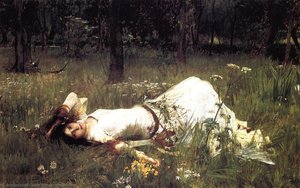
- Ophelia, wobei die bekannteste Version sie kurz vor ihrem Tod zeigt, wie sie Blumen in ihr Haar flechtet, während sie auf einem Baumstamm über einem See sitzt.
- After the Dance (1876), das in der Sommerausstellung dieses Jahres eine herausragende Position einnahm.
Leben und Vermächtnis
Waterhouse heiratete 1883 Esther Kenworthy, die Tochter eines Kunstlehrers. Er wurde 1895 zum ordentlichen Akademiker gewählt und unterrichtete an der St. John's Wood Art School. Waterhouse verstarb am 10. Februar 1917. Sehen Sie mehr von John William Waterhouses Werken auf ArtsDot: [https://ArtsDot.com/@/john william waterhouse](https://ArtsDot.com/@/john-william-waterhouse) | /de/art/show/art-d3c5zp-de/ (Top 5 berühmter Pop Art Gemälde aller Zeiten) [https://ArtsDot.com/@@/9geqys-john-william-waterhouse-thisbe](https://ArtsDot.com/@@/9geqys-john-william-waterhouse-thisbe) (Gemälde von John William Waterhouse: Thisbe) Erkunden Sie mehr auf Wikipedia: [https://en.wikipedia.org/wiki/john_william_waterhouse](https://en.wikipedia.org/wiki/john_william_waterhouse) [https://en.wikipedia.org/wiki/art_of_the_united_kingdom](https://en.wikipedia.org/wiki/art_of_the_united_kingdom) [https://en.wikipedia.org/wiki/victorian_painting](https://en.wikipedia.org/wiki/victorian_painting)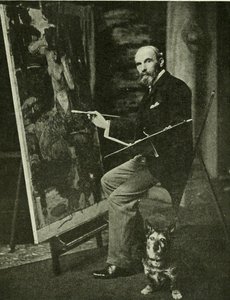
John William Waterhouse
1849 - 1917 , Italien
Kurzinfos
- Beeinflusste Künstler:
- Alma-Tadema
- Frederic Leighton
- Bemerkenswerte Werke:
- The Lady of Shalott
- Ophelia
- After the Dance
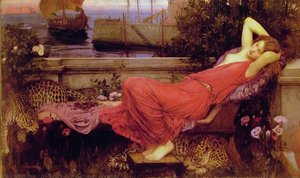
- Ariadne
- Thisbe
- Geburtsdatum: 1849
- Geburtsort: Rom, Italien
- Künstlerische Bewegung: Präraffaeliten
- Nationalität: Englisch
- Sterbedatum: 1917
- Vollständiger Name: John William Waterhouse
Ähnliche Artikel
Dante Gabriel Rossetti: Die 25 Meisterwerke des Präraffelitismus | ArtsDot
Entdecken Sie die 25 schönsten Gemälde von Dante Gabriel Rossetti! Tauchen Sie ein in die Welt der Präraffeliten, symbolistischer Kunst & viktorianischer Romantik. Hochwertige Reproduktionen für Ihr Zuhause – jetzt bei ArtsDot.com!

John William Waterhouse: Präraphäelitischer Mythos und poetische Darstellungen weiblicher Identität
Entdecken Sie die faszinierende Welt von John William Waterhouse und den Präraphäeliten! Analysen ikonischer Werke, historische Hintergründe & die poetische Darstellung weiblicher Identität. Jetzt lesen!

Giclée Prints: Archival Quality & Aesthetic Nuances for the Discerning Collector
Explore the world of giclée prints with ArtsDot. Learn about archival quality, aesthetic nuances & investment potential. Expert guidance for discerning art collectors seeking museum-quality reproductions and lasting value.

The Pre-Raphaelite Brotherhood: Rebellion, Romance & Medieval Revival
Explore the captivating world of the Pre-Raphaelite Brotherhood! Discover their rebellious spirit, iconic masterpieces & lasting influence on art history. Learn about Rossetti, Millais & more.

The Enduring Legacy of Fine Art Prints: Technique, History & Aesthetic Impact
Explore the rich history & techniques of fine art prints. Discover investment potential, assess authenticity, and learn how to preserve your collection with expert guidance. Trusted insights for discerning collectors.