

 Vorschau anzeigen
 Versenden
 Teilen
 Details anzeigen

 Herunterladen
 Ähnliche Objekte
 Röntgenaufnahme
 Diashow
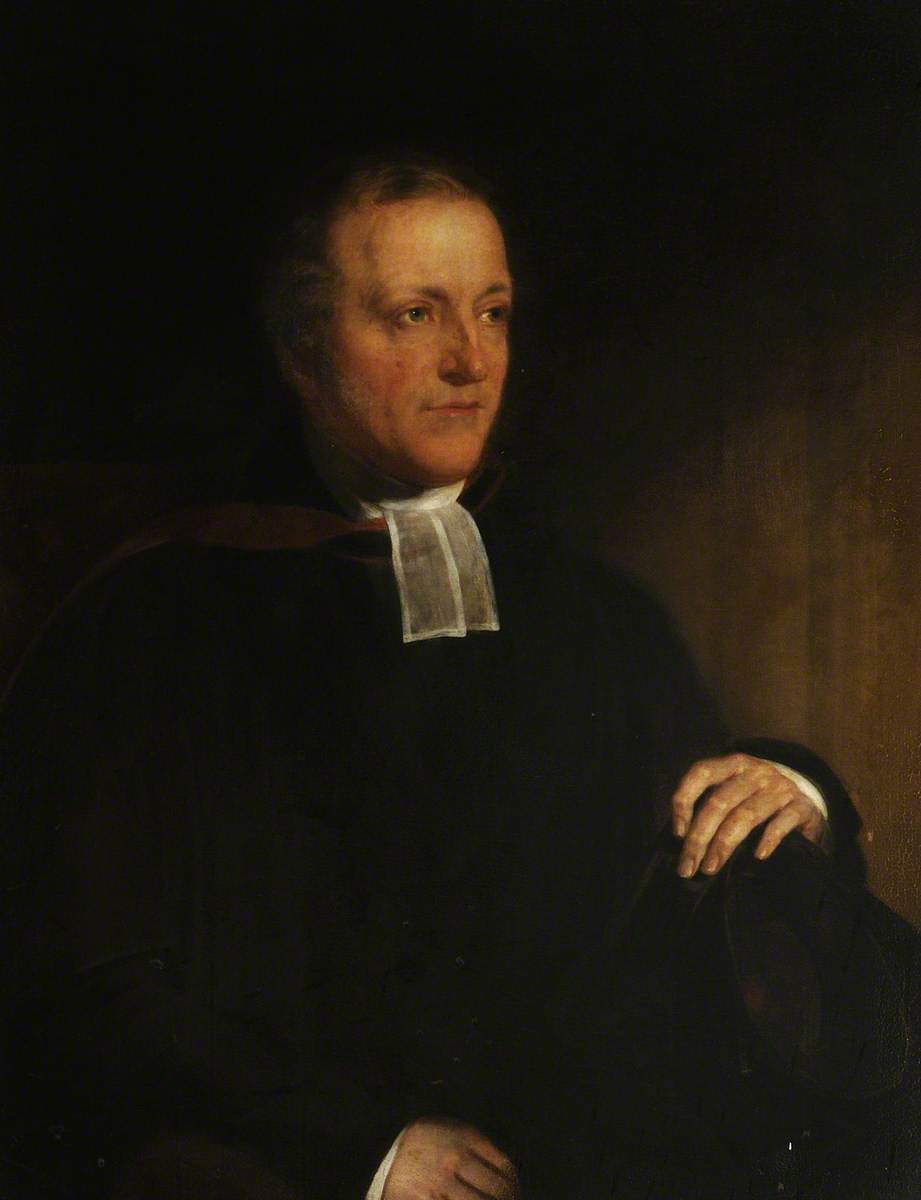
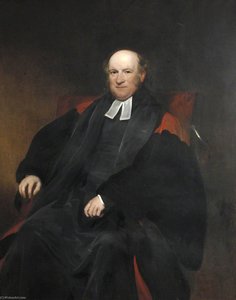
The Reverend John Hill, Vice Principal (1812–1851)
 Contemporary Realism
 90.0 x 70.0 cm
 St Edmund Hall
 Weiterlesen
Handgefertigte Ölreproduktion
Handgemaltes Ölgemälde auf Leinwand in Ihrer Wunschgröße und mit Rahmen, auf Bestellung von unseren Künstlern angefertigt. ( Druck bestellen Bild kaufen)




































Wählen Sie aus unseren vordefinierten Formaten, die den ursprünglichen Proportionen des Kunstwerks entsprechen.

Sie können Ihre eigenen Maße eingeben, um einen bestimmten Rahmen oder Platz auszufüllen. Wenn die gewählte Größe nicht den Proportionen des Originalbildes entspricht, werden wir das Kunstwerk entweder beschneiden oder das Gemälde durch zusätzliche, handgemalte Elemente erweitern. Ein digitales Mockup wird Ihnen zur Genehmigung zugesandt, bevor die Produktion beginnt.
Bitte beachten Sie, dass die Bildschirmvorschau nicht die tatsächliche Beschneidung oder Erweiterung widerspiegelt. Nur das Mockup zeigt die endgültige Komposition exakt an.
Obwohl Sondermaße verfügbar sind, empfehlen wir, eine Größe aus der vordefinierten Liste zu wählen, um die ursprünglichen Proportionen beizubehalten.
Nach der Bestellung wird das ArtsDot.com-Team dem Kunden Anweisungen per E-Mail zusenden und eine Mockup-Vorschau bereitstellen.
Weltweiter Versand () in nur 3 bis 4 Wochen statt der üblichen 5 Wochen. (27 August). Keine Kompromisse bei der Qualität.

Kostenloser weltweiter Expressversand

Hochwertige Leinenleinwand

Umfassender Versicherungsschutz beim Versand

Zollgebühren-Rückerstattungsgarantie

Garantie für exakte Farbtreue

60 Tage Rückgaberecht (nur bei Mängeln)

100% Geld-zurück-Garantie

Mengenrabatt verfügbar
 Die Glasoption ist nur für Größen unter 110 cm verfügbar.

The Reverend John Hill, Vice Principal (1812–1851)
Art der Reproduktion
Format der Reproduktion
-


Gesamtpreis
$ 263
Ähnliche Kunstwerke

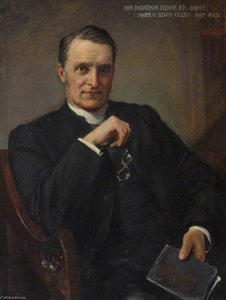
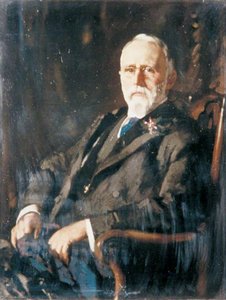
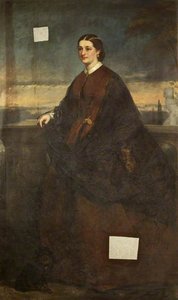
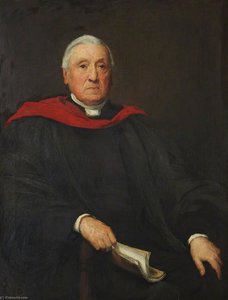
Über den Künstler
The Soul of the Landscape: The Artistic Journey of John Wood
Born in 1922, John Wood was a British artist whose creative spirit bridged the gap between the rolling hills of his English origins and the rugged, expansive majesty of the American West. Though his journey began in England, his heart found its true resonance within the traditions of mid-century American Regionalism. Wood was largely a self-trained master, possessing an innate ability to translate the raw textures of nature into delicate yet powerful visual narratives. His life’s work serves as a profound dialogue between two worlds, blending a meticulous British sensibility for detail with an enduring fascination for the untamed American frontier.
The evolution of Wood's style was deeply rooted in his ability to observe the subtle shifts of light and atmosphere. While he drew early inspiration from the Impressionist explorations of Claude Monet—particularly regarding the ephemeral qualities of color—he found a more permanent calling in the monumental landscapes of Thomas Moran and Frederic Remington. These masters of the American West provided him with a compositional blueprint that favored grandeur and emotional depth. Through his eyes, the landscape was not merely a subject to be recorded, but a living entity capable of conveying themes of resilience, permanence, and the passage of time.
Mastery of Medium and Technique
Wood’s technical prowess was most evident in his command over watercolor and engraving, two mediums that demand both extreme precision and a certain level of intuitive grace. In his watercolor paintings, he employed a sophisticated method of layering thin, translucent washes of pigment. This painstaking process allowed him to build up complex tonal gradations, creating a sense of depth that invited the viewer to step into the scene. He often favored a restrained, earthy palette, which allowed the organic textures of bark, stone, and foliage to emerge with remarkable clarity.
This same dedication to detail was mirrored in his work as an engraver. Utilizing meticulous hatching and cross-hatching techniques, Wood achieved a level of tonal control that rivaled his paintings. His engravings offered a more structured, rhythmic interpretation of the landscape, where every line contributed to the overall atmosphere of the piece. This duality in his technique allowed him to explore the same subject through different lenses: one soft and atmospheric, the other sharp and structural.
Legacy and Symbolic Resonance
The sheer breadth of Wood’s artistic output is a testament to his lifelong devotion to his craft. With over 300 watercolor paintings and approximately 1-50 engraved prints to his name, he left behind a substantial visual archive. His subjects were as varied as the terrains he traversed, ranging from the intimate, quiet beauty of the rural British countryside to the sweeping, awe-inspiring vistas of the Rocky Mountains and Yellowstone National Park.
Beyond mere topographical accuracy, Wood’s work is imbued with deep symbolism. He frequently returned to the motif of ancient trees—specifically oaks and maples—which he utilized as symbols of endurance and the steadfast spirit of the frontier. To view a John Wood original is to experience more than just a landscape; it is to encounter an emotional resonance that captures the very mood of the earth itself. His legacy remains that of a visual chronicler, one who captured the fleeting beauty of the natural world with a sensitivity that continues to inspire art lovers today.
john wood
1922 - 2012
Kurzinfos
- Artistic Movement Or Style: Regionalism art
- Artists Or Movements Influenced By This Artist: ['American Impressionists']
- Artists Who Influenced This Artist:
- Gustave Courbet
- Thomas Moran
- Date Of Birth: 1922
- Date Of Death: 2012
- Full Name: John Wood Dodge
- Nationality: British
- Notable Artworks:
- The Old Mill
- Cornfield
- Place Of Birth: London, England
Ähnliche Artikel

Meisterwerke des 19. Jahrhunderts: Kunst für Ihr Zuhause | ArtsDot
Entdecken Sie die 10 bedeutendsten Kunstwerke des 19. Jahrhunderts! Von Impressionismus bis Realismus – erleben Sie die Geschichten berühmter Maler und ihre Meisterwerke. Hochwertige Reproduktionen für Ihr Zuhause auf ArtsDot.com.

The Enduring Legacy of Oil on Canvas: Technique, History & Aesthetic Impact
Explore the rich history & techniques of oil painting – from Renaissance masters to Impressionism. Discover pigments, layering methods, and why this timeless medium endures. Expert insights for artists & art enthusiasts.

Öl auf Leinwand: Eine historische und technische Erkundung eines zeitlosen künstlerischen Mediums
Entdecken Sie die faszinierende Welt der Ölmalerei! Von historischen Techniken bis zur modernen Anwendung – wir bieten Expertenwissen, Restaurierungstipps und hochwertige Reproduktionen. Jetzt informieren!

The Enduring Power of Painting: A Historical & Contemporary Exploration of Form and Emotion
Explore the rich history & enduring techniques of oil painting with ArtsDot. Discover masterpieces, learn about art collecting, and find authentic handmade reproductions crafted by skilled artists.
Öl auf Holz: 10 Meisterwerke, die Kunstgeschichte veränderten | ArtsDot.com
Entdecken Sie die 10 legendärsten Gemälde auf Holz! Von Van Gogh bis Monet – erfahren Sie die Geschichten hinter den Meisterwerken des Impressionismus, Expressionismus & mehr. Hochwertige Reproduktionen für Ihr Zuhause finden Sie auf ArtsDot.com.

