 Vorschau anzeigen
 Versenden
 Teilen
 Details anzeigen

 Herunterladen
 Ähnliche Objekte
 Röntgenaufnahme
 Diashow
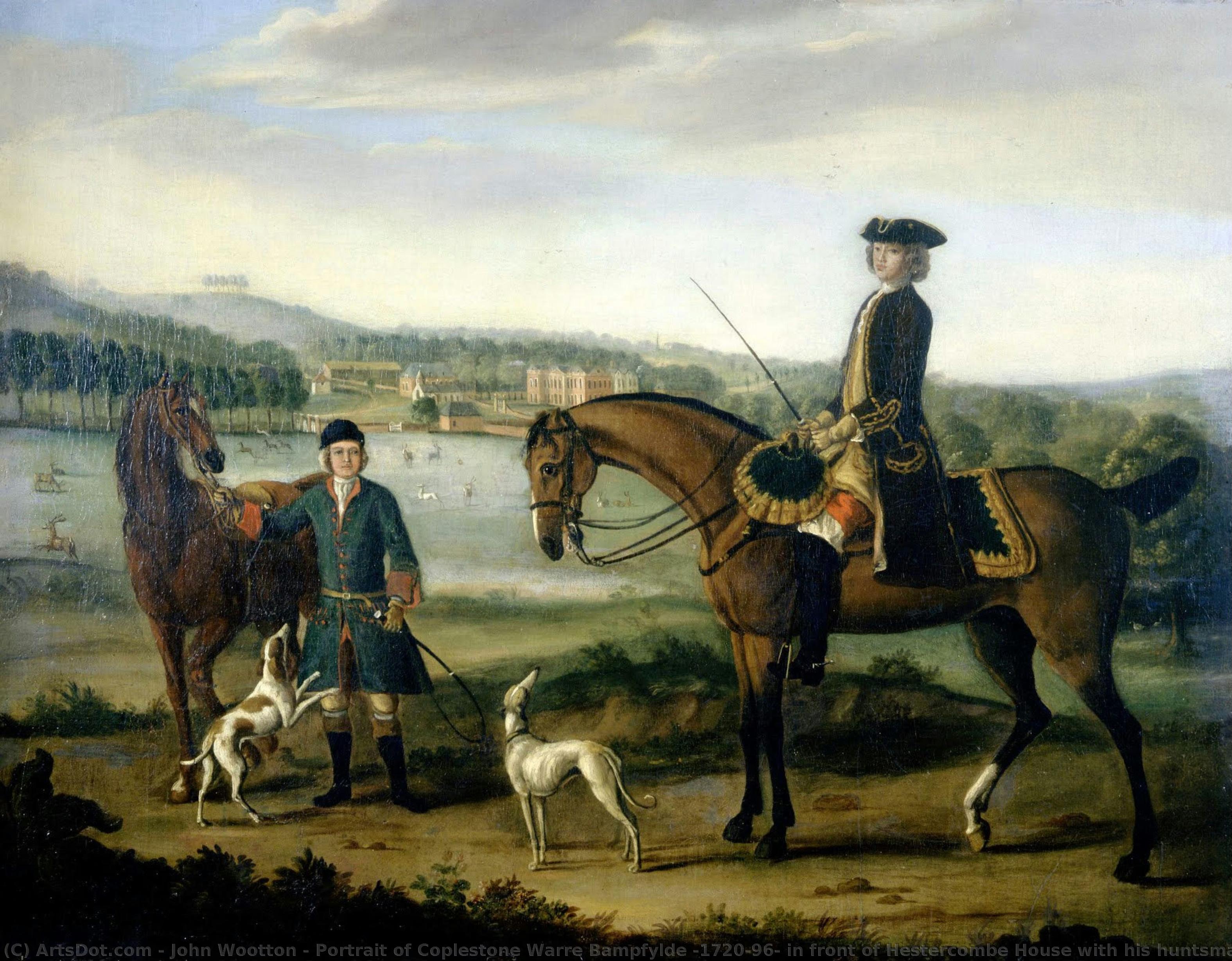
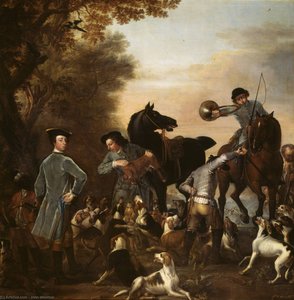
Portrait of Coplestone Warre Bampfylde (1720-96) in front of Hestercombe House with his huntsman c.1740


 Weiterlesen
Handgefertigte Ölreproduktion
Handgemaltes Ölgemälde auf Leinwand in Ihrer Wunschgröße und mit Rahmen, auf Bestellung von unseren Künstlern angefertigt. ( Druck bestellen Bild kaufen)




P118B $10

P118H $10

P118W $10

P438Z $10

P508JH $12

P508YH $12

P805H $10

P805Z $10

P919BZ $10

P919G $10

P919XJ $10

P959ZH $10

P968JZ $12

W106C $8

W218G $10

W218JH $8

W218Y $10

W307PJ $10

W316G $10

W316PJ $8

W316Y $10

W398PJ $8

W4111J $10

W500HY $15

W500JH $15

W692G $12

W849H $8

W940BG $15

W953PJ $8




Wählen Sie aus unseren vordefinierten Formaten, die den ursprünglichen Proportionen des Kunstwerks entsprechen.

Sie können Ihre eigenen Maße eingeben, um einen bestimmten Rahmen oder Platz auszufüllen. Wenn die gewählte Größe nicht den Proportionen des Originalbildes entspricht, werden wir das Kunstwerk entweder beschneiden oder das Gemälde durch zusätzliche, handgemalte Elemente erweitern. Ein digitales Mockup wird Ihnen zur Genehmigung zugesandt, bevor die Produktion beginnt.
Bitte beachten Sie, dass die Bildschirmvorschau nicht die tatsächliche Beschneidung oder Erweiterung widerspiegelt. Nur das Mockup zeigt die endgültige Komposition exakt an.
Obwohl Sondermaße verfügbar sind, empfehlen wir, eine Größe aus der vordefinierten Liste zu wählen, um die ursprünglichen Proportionen beizubehalten.
Nach der Bestellung wird das ArtsDot.com-Team dem Kunden Anweisungen per E-Mail zusenden und eine Mockup-Vorschau bereitstellen.
Weltweiter Versand () in nur 3 bis 4 Wochen statt der üblichen 5 Wochen. (27 August). Keine Kompromisse bei der Qualität.

Kostenloser weltweiter Expressversand

Hochwertige Leinenleinwand

Umfassender Versicherungsschutz beim Versand

Zollgebühren-Rückerstattungsgarantie

Garantie für exakte Farbtreue

60 Tage Rückgaberecht (nur bei Mängeln)

100% Geld-zurück-Garantie

Mengenrabatt verfügbar
 Die Glasoption ist nur für Größen unter 110 cm verfügbar.

Portrait of Coplestone Warre Bampfylde (1720-96) in front of Hestercombe House with his huntsman c.1740
Art der Reproduktion
Format der Reproduktion
-


Gesamtpreis
$ 263
Portrait of Coplestone Warre Bampfylde: A Glimpse into Georgian Aristocracy
John Wootton’s “Portrait of Coplestone Warre Bampfylde (1720-96) in front of Hestercombe House with his huntsman c.1740” offers a captivating window into the world of 18th-century English aristocracy and sporting culture. More than just a likeness, this painting is a meticulously crafted tableau vivant—a snapshot of leisure, status, and connection to the land that defined the era. Painted around 1740, it captures Coplestone Warre Bampfylde, a soldier, landscape artist, architect, and landscape designer, in his prime, before the magnificent Hestercombe House estate – now sadly reduced – which served as his backdrop.
The composition immediately draws the eye to Bampfylde himself, presented with an air of confident authority. Dressed in the fashionable attire of the period—a striking blue coat, waistcoat, and a jaunty hat—he embodies the wealth and social standing afforded by his lineage. His posture is upright, suggesting both nobility and military discipline, while his gaze holds a subtle hint of self-assurance. Beside him stand two hunting dogs, their attentive postures mirroring the gentleman’s own demeanor, reinforcing the theme of the hunt – a central pastime for the British upper class.
A Masterpiece of Sporting Art
Wootton was a pivotal figure in the development of British sporting art, and this portrait exemplifies his skill. He wasn't merely a recorder of appearances; he possessed an innate ability to capture movement, texture, and character. The brushwork is remarkably smooth, indicative of an oil painting technique, yet retains a visible quality that speaks to Wootton’s deliberate hand. Note the meticulous detail in the horses’ coats – the subtle variations in color and sheen conveying their musculature and vitality—and the careful rendering of the landscape beyond. The artist skillfully employs perspective to create a sense of depth, drawing the viewer into the scene and suggesting the vastness of the countryside.
The painting's historical context is crucial to its appreciation. The 18th century witnessed a flourishing of aristocratic leisure activities, with hunting becoming increasingly popular as a means of demonstrating wealth, skill, and connection to nature. Hestercombe House itself was a significant estate, renowned for its gardens and landscape design – Bampfylde’s own contributions further cementing his place within this world. The inclusion of the house in the background subtly elevates the portrait's status, associating Bampylde with a prestigious location and highlighting his connection to land ownership.
Symbolism and Emotional Resonance
Beyond its surface details, “Portrait of Coplestone Warre Bampfylde” is rich in symbolism. The hunt itself represents more than just sport; it embodies notions of honor, skill, and control – values highly prized by the aristocracy. The dogs symbolize loyalty and companionship, while the landscape evokes a sense of freedom and escape from urban life. The painting’s overall mood is one of serene elegance—a testament to the refined tastes and social customs of Georgian England.
Looking at this piece today, it's easy to be moved by its ability to transport us back in time. It offers a glimpse into a world of privilege, tradition, and carefully cultivated appearances. The painting’s enduring appeal lies not only in Wootton’s technical skill but also in his capacity to capture the spirit of an era—a time when hunting was both a duty and a delight, and where portraiture served as a powerful tool for asserting social status.
Where to Find Reproductions
Reproductions of this stunning artwork are available through ArtsDot.com and other reputable art reproduction services. Consider the size and framing options carefully to best complement your interior design space. A large-scale reproduction would make a striking statement in a formal living room or study, while a smaller piece could add a touch of elegance to a bedroom or hallway.
Ähnliche Kunstwerke
Über den Künstler
John Wootton: Ein Pionier der Sportkunst
- Geboren: ca. 1686, Snitterfield, Warwickshire, Großbritannien
- Gestorben: 13. November 1764, London, England
- Bekannt für: Pferdegemälde, Landschaften, Jagdszenen, Illustrationen
Frühes Leben und Ausbildung
- John Wootton wurde in Snitterfield, nahe Stratford-upon-Avon, Warwickshire geboren. Es wird vermutet, dass er bereits in jungen Jahren als Page bei der Familie Beaufort diente.
- Er erhielt wahrscheinlich seine anfängliche künstlerische Ausbildung unter Jan Wyck während der 1690er Jahre. Diese grundlegende Unterweisung vermittelte ihm wesentliche Fähigkeiten im Zeichnen und Malen.
- Sein früheste bekanntes datiertes Werk, "Bonny Black" (1711), demonstriert ein frühes Talent für das Pferdeporträt und zeigt eine sich entwickelnde Fähigkeit, das Aussehen und den Charakter von Pferden einzufangen.
Karriere und künstlerische Entwicklung
- Wootton etablierte sich 1706 in London und erlangte schnell Anerkennung für seine Darstellungen von Pferden, insbesondere solche im Zusammenhang mit der Rennszene von Newmarket.
- Er wurde zu einer prominenten Figur innerhalb der Künstlerkreise seiner Zeit, trat 1711 der ersten englischen Akademie des Malens und Zeichnens bei und diente später ab 1717 als Verwalter des Virtuosi Club of St Lukes.
- Seine Spezialisierung auf Pferdethemen brachte ihm beträchtlichen Erfolg und die Unterstützung hochrangiger Mitglieder der britischen Gesellschaft, darunter George II. und Friedrich, Prinz von Wales.
- Neben Pferdeporträts leistete Wootton einen bedeutenden Beitrag zur britischen Malerei durch die Einführung der idealen Landschaft. Beeinflusst von Künstlern wie Gaspard Dughet (auch bekannt als Gaspar van Wittel), integrierte er klassische Elemente in seine Landschaften und bot eine Alternative zu vorherrschenden niederländischen und flämischen Stilen. Dieser Einfluss wirkte sich auch auf spätere britische Künstler wie Thomas Gainsborough aus.
Hauptwerke und künstlerischer Stil
- Pferdeporträts: Wootton wird am besten für seine detaillierten und ausdrucksstarken Porträts von Pferden erinnert, die ihre individuellen Persönlichkeiten und körperlichen Eigenschaften mit bemerkenswerter Genauigkeit einfangen. "Bonny Black" ist ein Beispiel für diese Fähigkeit.
- Jagdszenen: Seine Gemälde stellten oft Jagdszenen und Reitaktivitäten dar und spiegeln die Beliebtheit dieser Aktivitäten innerhalb der britischen Aristokratie wider. Diese Werke enthielten häufig Gesprächsstücke mit Reitern und Hunden in malerischer Umgebung.
- Landschaften: Woottons Landschaften, die manchmal von seinen Tiergemälden überschattet werden, demonstrieren ein raffiniertes Verständnis für Perspektive und Komposition und integrieren klassische Elemente und atmosphärische Effekte.
- Stil: Sein Stil zeichnet sich durch akribische Details, realistische Darstellung von Tieren und eine harmonische Mischung aus Landschafts- und Figurenmale aus. Er kombinierte Beobachtung mit idealisierter Darstellung und schuf Werke, die sowohl ästhetisch ansprechend als auch repräsentativ für die Sportkultur seiner Zeit waren.
Vermächtnis und historische Bedeutung
- Obwohl er später in der Popularität von George Stubbs überschattet wurde, der eine größere technische Beherrschung in der Tieranatomie besaß, bleibt John Wootton eine bedeutende Figur in der britischen Kunstgeschichte.
- Er gilt als Pionier der Sportkunst und begründete ein Genre, das von späteren Künstlern weiterentwickelt wurde.
- Seine Einführung des idealen Landschaftsstils hatte einen nachhaltigen Einfluss auf die britische Malerei und beeinflusste Generationen von Künstlern und trug zur Entwicklung einer unverwechselbar britischen Ästhetik bei.
- Woottons Werke befinden sich in renommierten Sammlungen weltweit, darunter der Tate Gallery (London), dem Virginia Museum of Fine Arts (Richmond) und dem Yale Center for British Art, wodurch sichergestellt wird, dass sein Vermächtnis auch heute von Kunstliebhabern geschätzt wird.
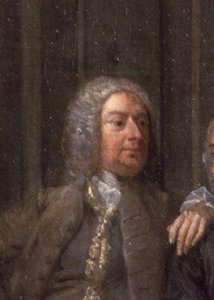
John Wootton
1682 - 1764 , Vereinigtes Königreich
Kurzinfos
- Beeinflusste Künstler: ['Gaspard Dughet']
- Bemerkenswerte Werke: ['Bonny Black (1711)']
- Geburtsdatum: ca. 1686
- Geburtsort: Snitterfield, Vereinigtes Königreich
- Künstlerische Richtung: Sportmalerei, Landschaftsmalerei
- Nationalität: Britisch
- Todestag: 1764
- Vollständiger Name: John Wootton
- Von Künstlern Beeinflusst: ['Jan Wyck']
Ähnliche Artikel

John Constable: Die 25 Meisterwerke des englischen Landschaftsgenies – ArtsDot
Entdecken Sie die 25 Meisterwerke von John Constable! Erleben Sie englische Landschaftsmalerei vom Hay Wain bis zur Stour Valley. Hochwertige Reproduktionen & Kunst für Ihr Zuhause auf ArtsDot.com.

John Singer Sargent: Die 25 Meisterwerke des Porträts – Kunst für Ihr Zuhause | ArtsDot
Entdecken Sie die 25 Meisterwerke von John Singer Sargent! Tauchen Sie ein in die Welt der Porträtmalerei, des Impressionismus & der Belle Époque. Hochwertige Kunstdrucke & Reproduktionen für Ihr Zuhause – jetzt auf ArtsDot.com!
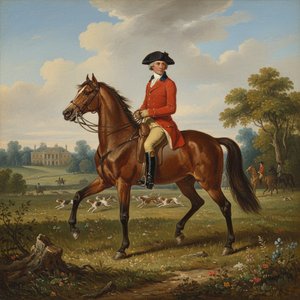
John Nost Sartorius: Equestrian Portraiture & the Shifting Social Landscape of 18th-Century England
Explore the captivating equestrian art of John Nost Sartorius (1759-1828). Discover his detailed paintings of racehorses, hunting scenes & aristocratic life. Learn about collecting Sartorius's work and its lasting value.
Die 10 Meisterwerke des 18. Jahrhunderts: Kunst für Ihr Zuhause | ArtsDot
Entdecken Sie die 10 prächtigsten Meisterwerke des 18. Jahrhunderts! Von Rokoko bis Klassizismus – erleben Sie die Kunst von Fragonard, David & Hogarth. Hochwertige Reproduktionen für Ihr Zuhause auf ArtsDot.com.
Gwen John: Intimität, Moderne und die stille Kraft der walisischen Porträtkunst
Entdecken Sie das faszinierende Werk von Gwen John – einer Pionierin der walisischen Moderne. Erfahren Sie mehr über ihre einzigartigen Porträts, ihren Stil und ihr Vermächtnis in der Kunstgeschichte.