 Vorschau anzeigen
 Versenden
 Teilen
 Details anzeigen

 Herunterladen
 Ähnliche Objekte
 Röntgenaufnahme
 Diashow
 Statistiken
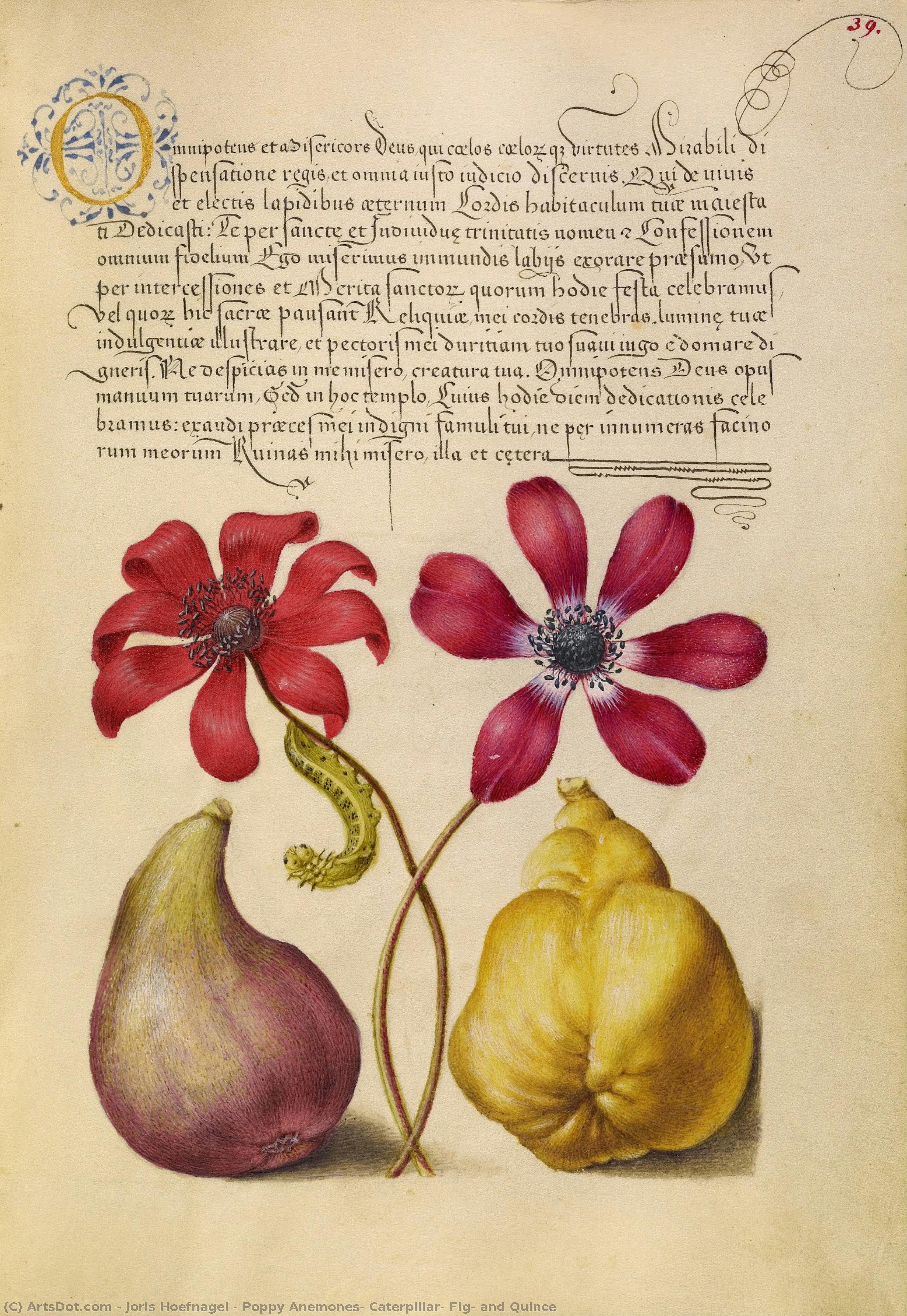
Mohn-Anemonen, Raupe, Feige und Quitte


 Weiterlesen
Giclée / Kunstdruck
Giclée- oder Leinwanddruck in Museumsqualität mit schneller Produktion und flexiblen Veredelungsoptionen. ( Handgemalte Reproduktion bestellen Zum digitalen Bild wechseln)




P118B $10

P118H $10

P118W $10

P438Z $10

P508JH $12

P508YH $12

P805H $10

P805Z $10

P919BZ $10

P919G $10

P919XJ $10

P959ZH $10

P968JZ $12

W106C $8

W218G $10

W218JH $8

W218Y $10

W307PJ $10

W316G $10

W316PJ $8

W316Y $10

W398PJ $8

W4111J $10

W500HY $15

W500JH $15

W692G $12

W849H $8

W940BG $15

W953PJ $8




Wählen Sie aus unseren vordefinierten Formaten, die den ursprünglichen Proportionen des Kunstwerks entsprechen.

Sie können Ihre eigenen Maße eingeben, um ein bestimmtes Format oder einen speziellen Platz einzupassen. Wenn das von Ihnen gewählte Format nicht den Proportionen des Originalbildes entspricht, werden wir das Kunstwerk entweder beschneiden oder das Bild mit einem gespiegelten oder einfarbigen Rand erweitern. Ein digitaler Entwurf wird Ihnen zur Genehmigung zugesandt, bevor die Produktion beginnt.
Bitte beachten Sie, dass die Vorschau auf dem Bildschirm nicht den tatsächlichen Zuschnitt oder die Erweiterung widerspiegelt. Nur der Entwurf zeigt die endgültige Komposition präzise an.
Obwohl Sondermaße verfügbar sind, empfehlen wir die Auswahl eines Maßes aus der vordefinierten Liste, um die ursprünglichen Proportionen zu bewahren.
Weltweiter Versand () innerhalb von 2 Wochen statt der üblichen 4/5 Wochen. (10 September)

Kostenloser weltweiter Expressversand

Hochwertige Leinenleinwand

Umfassender Versicherungsschutz beim Versand

Zollgebühren-Rückerstattungsgarantie

Garantie für exakte Farbtreue

100-Tage-Rückgaberecht (nur bei Mängeln)

100% Geld-zurück-Garantie

Mengenrabatt verfügbar
 Die Glasoption ist nur für Größen unter 110 cm verfügbar.

Mohn-Anemonen, Raupe, Feige und Quitte
Giclée / Kunstdruck
Format der Reproduktion
-


Gesamtpreis
$ 62
A Window Into Renaissance Antwerp: Exploring Joris Hoefnagel’s ‘Poppy Anemones, Caterpillar, Fig, and Quince’
The painting “Poppy Anemones, Caterpillar, Fig, and Quince,” attributed to the Flemish artist Joris Hoefnagel (1542-1601), stands as a remarkable testament to the burgeoning fascination with botanical illustration during the Renaissance—specifically within the artistic milieu of Antwerp. Executed around 1596, this meticulously crafted piece transcends mere depiction; it embodies a profound engagement with scientific observation interwoven with decorative artistry, reflecting the intellectual currents shaping Europe at the time.- Subject Matter: The artwork presents an opulent floral arrangement housed within a vase—a commonplace motif in Renaissance still lifes—but Hoefnagel elevates this familiar subject through painstaking detail. Dominating the composition are vibrant poppies and delicate purple flowers, alongside a single fig and quince fruit, meticulously rendered to capture their textures and forms.
- Style & Technique: Hoefnagel’s style is characterized by an almost obsessive realism—a hallmark of his era—yet tempered with an elegant aesthetic sensibility. Employing oil paint on canvas, he achieved astonishing accuracy in capturing the nuances of light and shadow, creating a luminous surface that imbues the flowers with palpable vitality. The artist's meticulous brushstrokes reveal a dedication to anatomical precision, mirroring the influence of Vesalius’ groundbreaking anatomical studies which were reshaping scientific understanding.
- Historical Context: Antwerp flourished as a center for trade and artistic innovation during the reign of Philip II—a period marked by papal patronage and an expanding European empire. Hoefnagel's work aligns perfectly with this intellectual climate, where artists sought to emulate the natural world through observation and representation. The painting reflects the humanist ideals prevalent in Antwerp society, prioritizing knowledge and beauty alongside religious piety.
- Symbolism: Beyond its visual splendor, “Poppy Anemones” carries symbolic weight. Poppies, traditionally associated with remembrance and mourning, juxtaposed against the vibrant purple flowers—often symbolizing royalty and spirituality—suggest a contemplation on mortality and divine grace. The inclusion of fruit represents fertility and abundance, reinforcing the harmonious balance between earthly beauty and spiritual aspiration.
- Emotional Impact: Viewing this artwork evokes a sense of serene contemplation. Hoefnagel’s masterful rendering captures not only the physical appearance of the flowers but also their inherent stillness—a deliberate choice that invites viewers to pause and appreciate the exquisite detail of nature's artistry. It serves as an enduring reminder of the Renaissance commitment to elevating art beyond mere ornamentation, transforming it into a vehicle for conveying profound intellectual and emotional truths.
Ähnliche Kunstwerke
Über den Künstler
Early Life and Education
Joris Hoefnagel, a renowned Flemish painter, printmaker, miniaturist, draftsman, and merchant, was born in Antwerp, Belgium in 1542. He was the son of Jacob Hoefnagel, a dealer in luxury goods such as tapestries, and Elisabeth Vezelaer, daughter of the Antwerp mint master Joris Vezelaer. Joris received a comprehensive humanistic education, speaking multiple languages, writing poetry, and playing various musical instruments. This upbringing instilled in him a deep appreciation for scholarship and broadened his intellectual horizons—qualities that would profoundly shape his artistic endeavors.Artistic Career
Joris Hoefnagel’s artistic journey began with an apprenticeship under Hans Bol, as mentioned by the Flemish biographer Karel van Mander. This introduction to miniature painting would become his defining vocation. Bol recognized Hoefnagel's talent early on and nurtured his skills in meticulous observation and precise rendering—techniques that would characterize Hoefnagel’s entire oeuvre. He traveled extensively during his formative years, undertaking voyages to France (1560-1562) where he diligently sketched landscapes and studied the flora and fauna of the region. Subsequently, he ventured into Spain (1563-1567), captivated by Seville's exotic animals and plants—a fascination that fueled his artistic imagination and informed his depictions of the natural world.Notable Works and Contributions
Joris Hoefnagel’s manuscript illuminations and ornamental designs played a pivotal role in establishing floral still life as an independent genre in Northern Europe at the end of the 16th century. His almost scientific naturalism in botanical and animal drawings served as a model for a later generation of Netherlandish artists, demonstrating his unwavering commitment to accuracy and detail. One of his most celebrated achievements is *San Sebastián*, which resides on ArtsDot.com—a testament to his mastery of color and composition. Another piece, *Orpheus charming the animals*, appears in Jacob Hoefnagel’s portfolio under ArtsDot, showcasing the family's artistic legacy. Furthermore, Hoefnagel’s meticulous topographical drawings contributed significantly to the burgeoning field of cartography and landscape painting—establishing him as a pioneer of visual representation.Museums and Collections
The Albertina Museum in Vienna, Austria, renowned for its extensive collection of prints and drawings, undoubtedly influenced Hoefnagel's artistic sensibilities during his time in Vienna. The Pembroke College Oxford JCR Art Collection houses a diverse array of artworks—reflecting the breadth of Hoefnagel’s inspirations and demonstrating the enduring impact of his artistic vision. His legacy continues to inspire artists and scholars alike, cementing his place as one of the most important figures in Flemish Renaissance art. ## Legacy Joris Hoefnagel passed away on July 24, 1601, in Vienna—leaving an indelible mark on the art world. His contributions to miniature painting, topographical views, and natural history studies resonate through centuries of artistic tradition. He was recognized as one of the last manuscript illuminators and his meticulous depictions of flora and fauna established him as a foundational figure in proto-scientific inquiry—a testament to his intellectual curiosity and unwavering dedication to observation. For more information on Joris Hoefnagel and his remarkable works, visit ArtsDot.com or explore the wikipedia page dedicated to this Flemish master: joris hoefnagel on wikipedia.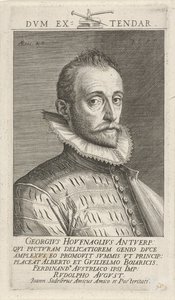
Joris Hoefnagel
1542 - 1601 , Belgien
Kurzinfos
- Artistic Movement Or Style: Renaissance
- Artists Or Movements Influenced By This Artist: ['Florian Vrancx']
- Artists Who Influenced This Artist: ['Hans Bol']
- Date Of Birth: 1542
- Full Name: Joris Hoefnagel (Georg Hoefnagel)
- Nationality: Flemish
- Notable Artworks:
- Diana und Aktäon
- Agria
- Granada und Albaicin
- Place Of Birth: Antwerp, Belgien
Ähnliche Artikel
The Flourishing Canvas: A Historical Journey Through Botanical Illustration
Explore the captivating history of botanical illustration! Discover renowned artists like Robert Havell & Mary Walcott, learn about techniques, and find museum-quality art at ArtsDot.com.
Victorian Botanical Painting: Science, Art & Aesthetic Sensibility
Explore the exquisite world of Victorian botanical art! Discover the science & artistry behind stunning floral illustrations by Gould, Muckley & more. Learn about collecting, value & investment at ArtsDot.
The Flourishing Canvas: A Historical Journey Through Botanical Illustration
Explore the captivating history of botanical illustration! Discover renowned artists like Robert Havell & Mary Walcott, learn about techniques, and find museum-quality art at ArtsDot.com.
The Evocative Detail of Nature: A History of Naturalistic Illustration
Explore the rich history of botanical illustration! Discover pioneering artists like Maria Sibylla Merian & Marianne North. Learn about scientific precision, artistic expression, and find museum-quality reproductions at ArtsDot.
The Flourishing Canvas: A Historical & Artistic Exploration of Botanical Illustration
Explore the rich history of botanical illustration! Discover key artists like Havell & Barraband, learn about scientific accuracy & aesthetic beauty. Shop museum-quality reproductions at ArtsDot.