

 Vorschau anzeigen
 Versenden
 Teilen
 Details anzeigen

 Herunterladen
 Ähnliche Objekte
 Röntgenaufnahme
 Diashow
The Defence of Zaragoza
 Acrylic On Canvas
- WallArt
- Neoclassical
 1823
1823- 19th Century
 280.0 x 200.0 cm
 Museo del Prado
 Weiterlesen
Giclée / Kunstdruck
Giclée- oder Leinwanddruck in Museumsqualität mit schneller Produktion und flexiblen Veredelungsoptionen. ( Handgemalte Reproduktion bestellen Bild kaufen)




P118B $10

P118H $10

P118W $10

P438Z $10

P508JH $12

P508YH $12

P805H $10

P805Z $10

P919BZ $10

P919G $10

P919XJ $10

P959ZH $10

P968JZ $12

W106C $8

W218G $10

W218JH $8

W218Y $10

W307PJ $10

W316G $10

W316PJ $8

W316Y $10

W398PJ $8

W4111J $10

W500HY $15

W500JH $15

W692G $12

W849H $8

W940BG $15

W953PJ $8




Wählen Sie aus unseren vordefinierten Formaten, die den ursprünglichen Proportionen des Kunstwerks entsprechen.

Sie können Ihre eigenen Maße eingeben, um ein bestimmtes Format oder einen speziellen Platz einzupassen. Wenn das von Ihnen gewählte Format nicht den Proportionen des Originalbildes entspricht, werden wir das Kunstwerk entweder beschneiden oder das Bild mit einem gespiegelten oder einfarbigen Rand erweitern. Ein digitaler Entwurf wird Ihnen zur Genehmigung zugesandt, bevor die Produktion beginnt.
Bitte beachten Sie, dass die Vorschau auf dem Bildschirm nicht den tatsächlichen Zuschnitt oder die Erweiterung widerspiegelt. Nur der Entwurf zeigt die endgültige Komposition präzise an.
Obwohl Sondermaße verfügbar sind, empfehlen wir die Auswahl eines Maßes aus der vordefinierten Liste, um die ursprünglichen Proportionen zu bewahren.
Weltweiter Versand () innerhalb von 2 Wochen statt der üblichen 4/5 Wochen. (22 August)

Kostenloser weltweiter Expressversand

Hochwertige Leinenleinwand

Umfassender Versicherungsschutz beim Versand

Zollgebühren-Rückerstattungsgarantie

Garantie für exakte Farbtreue

60 Tage Rückgaberecht (nur bei Mängeln)

100% Geld-zurück-Garantie

Mengenrabatt verfügbar
 Die Glasoption ist nur für Größen unter 110 cm verfügbar.

The Defence of Zaragoza
Giclée / Kunstdruck
Format der Reproduktion
-


Gesamtpreis
$ 62
Sammlerstück-Beschreibung
The Defence of Zaragoza: A Neoclassical Masterpiece by José Álvarez Cubero
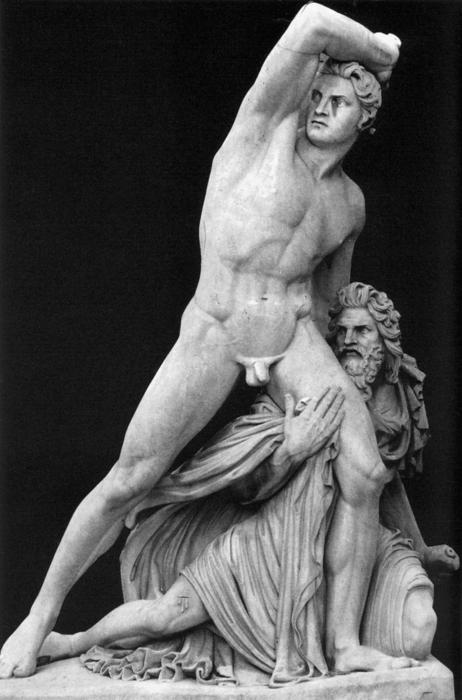
“The Defence of Zaragoza,” sculpted in 1823 by the Spanish artist José Álvarez Cubero, is more than just a marble depiction; it’s a potent distillation of Neoclassical ideals and a poignant reflection on civic duty and heroic sacrifice. This monumental work, measuring an impressive 280 x 200 cm, captures a pivotal moment in Spanish history – the city's courageous defense against Napoleon’s forces during the Peninsular War. The sculpture immediately commands attention with its dramatic composition and meticulous execution, revealing the artist’s profound understanding of human anatomy and classical form.
Subject and Composition: A Dynamic Interplay
At the heart of the piece stands a powerfully rendered male figure, poised in dynamic action. His muscular physique and outstretched arm suggest an act of defense, perhaps a rallying cry or a decisive blow against the invading army. He is not simply a warrior; he embodies the spirit of resistance. Juxtaposed with this active protagonist is an older man, seated and observing him with a thoughtful expression – a father, a mentor, or perhaps a seasoned commander offering guidance. This pairing immediately establishes a narrative tension: the present struggle against the past, the youthful vigor of defense versus the wisdom of experience. The arrangement isn’t merely decorative; it's carefully constructed to evoke empathy and contemplation about the burdens of leadership and the sacrifices demanded by duty.
Technique and Style: Echoes of Canova
Álvarez Cubero’s mastery is evident in the incredibly detailed rendering of both figures. The sculptor skillfully employed the subtractive method, meticulously carving away marble to reveal the underlying form. The texture of the stone itself – the subtle veining and variations in tone – contributes significantly to the sculpture's realism and depth. A clear influence of Antonio Canova is discernible; Cubero’s ability to capture nuanced emotion through the positioning of hands, the curve of a shoulder, and the expression on the seated figure’s face demonstrates a similar sensitivity to human psychology. The work adheres strictly to Neoclassical principles: idealized forms, balanced composition, and a focus on portraying heroic virtues like courage, honor, and patriotism.
Historical Context and Symbolism
“The Defence of Zaragoza” was created during a turbulent period in Spanish history. The city’s resistance against Napoleon's invasion became a symbol of national resilience and the fight for independence. The sculpture, therefore, carries significant patriotic weight. Beyond its immediate historical reference, it speaks to broader themes of conflict, duty, and the enduring spirit of humanity. The seated figure, often interpreted as representing wisdom or experience, offers a counterpoint to the youthful energy of the active hero – suggesting that true strength lies not only in action but also in strategic thinking and moral guidance. The choice of marble itself—a durable and timeless material—underscores the sculpture’s intended legacy.
Emotional Impact and Legacy
“The Defence of Zaragoza” is a profoundly moving work, capable of eliciting a range of emotions – admiration for courage, empathy for sacrifice, and reflection on the complexities of leadership. The sculpture's dramatic lighting and powerful composition create a sense of immediacy, drawing the viewer into the scene and inviting them to contemplate the events depicted. It’s a testament to Cubero’s skill as an artist and his ability to capture not just physical likeness but also the essence of human experience. Today, reproductions of this masterpiece continue to resonate with audiences, serving as a reminder of Spain's rich history and the enduring values of courage, resilience, and civic responsibility.
Ähnliche Kunstwerke



Über den Künstler
José Álvarez Cubero: Ein Leben in der Neoklassischen Bildhauerei
Frühes Leben und Ausbildung
- Geboren: 23. April 1768, Priego de Córdoba, Spanien.
- José Álvarez Cubero begann seine künstlerische Reise als Sohn eines Steinmetzes und zeigte früh Begabung im Zeichnen und Modellieren.
- Er erhielt eine formale Ausbildung von dem französischen Bildhauer Miguel Verdiguier in Cordova und später an der Akademie San Fernando in Madrid.
Karriereentwicklung & Einflüsse
- Königliche Förderung: Im Jahr 1799 verlieh König Karl IV. Cubero eine Rente, um ihm das Studium der Künste in Paris und Rom – entscheidende Städte für die Neoklassische Bildhauerei – zu ermöglichen.
- Einflüsse: Während er sich in diesen künstlerischen Zentren aufhielt, wurde er von den Werken von Antonio Canova tief beeindruckt und übernahm und verfeinerte die Prinzipien der Neoklassik.
- Sein frühes Werk zeigte eine wachsende Beherrschung des anatomischen Details und klassischer Formen.
Wichtige Werke & Künstlerischer Stil
- “Ganymed” (1804): Dieses Skulpturwerk, das in Paris ausgeführt wurde, brachte Cubero sofort Anerkennung und etablierte ihn als führenden Bildhauer.
- “Antilochus und Memnon” (1818): Diese Marmorgruppe, die von Ferdinand VII. in Auftrag gegeben wurde, gilt als eines seiner erfolgreichsten Werke und befindet sich heute im Museum von Madrid.
- Porträtbüsten: Er schuf bemerkenswerte Porträtbüsten prominenter Persönlichkeiten wie Ferdinand VII., Gioacchino Rossini und die Gräfin von Alba, die für ihre Vitalität und Genauigkeit bekannt sind.
- “Die Verteidigung von Saragossa” (1823): Ein bedeutendes Werk, das eine heroische Szene aus der spanischen Geschichte darstellt.
Politische Herausforderungen & Spätere Jahre
- Inhaftierung: Cuberos Weigerung, Joseph Bonaparte als König von Spanien anzuerkennen, führte zu seiner Inhaftierung in Rom und demonstrierte seine starken patriotischen Überzeugungen.
- Nach seiner Freilassung arbeitete er kurzzeitig für Napoleon I. an der Dekoration des Quirinalpalastes.
- Hofbildhauer: Im Jahr 1816 wurde er zum Hofbildhauer von Ferdinand VII. ernannt und festigte so seine Position innerhalb der spanischen künstlerischen Kreise.
- Nach seiner Rückkehr nach Madrid widmete sich Cubero dem Unterrichten an der Akademie San Fernando.
Vermächtnis & Historische Bedeutung
- Mentoring: Er betreute eine neue Generation spanischer Bildhauer, darunter Ponciano Ponzano, der zu einem der gefeiertsten Neoklassischen Bildhauer seiner Zeit wurde.
- Neoklassische Beiträge: Cubero spielte eine entscheidende Rolle bei der Etablierung und Förderung der Neoklassischen Bildhauerei in Spanien und schloss die Lücke zwischen italienischen und spanischen künstlerischen Traditionen.
- Tod: José Álvarez Cubero starb am 26. November 1827 in Madrid und hinterließ ein Vermächtnis an verfeinerte Handwerkskunst und patriotische Hingabe.
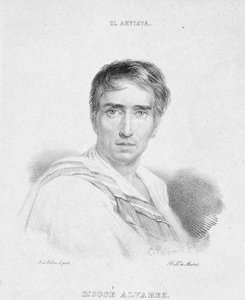
josé álvarez cubero
1768 - 1827 , Spanien
Kurzinfos
- Artistic Movement Or Style: Neoklassik
- Artists Or Movements Influenced By This Artist: ['Ponciano Ponzano']
- Artists Who Influenced This Artist:
- Miguel Verdiguier
- Antonio Canova
- Date Of Birth: 23 April 1768
- Date Of Death: 26 November 1827
- Full Name: José Álvarez de Pereira y Cubero
- Nationality: Spanier
- Notable Artworks:
- Ganymedes Skulptur
- Die Verteidigung von Zaragoza
- Place Of Birth: Priego de Córdoba, Spanien
Ähnliche Artikel

Die 10 legendärsten Bronzestatuen: Meisterwerke, die Kunstgeschichte schrieben | ArtsDot
Entdecken Sie die 10 legendärsten Bronzestatuen der Kunstgeschichte! Von Rodin bis Michelangelo – erfahren Sie die Geschichten hinter ikonischen Skulpturen und finden Sie hochwertige Reproduktionen für Ihr Zuhause. Jetzt bei ArtsDot entdecken!

Bronze-Meisterwerke: Die 10 Skulpturen, die Kunstgeschichte schrieben | ArtsDot
Entdecken Sie die 10 legendärsten Bronze Skulpturen der Kunstgeschichte! Von Michelangelo bis Rodin – erfahren Sie die Geschichten hinter den Meisterwerken und lassen Sie sich von Wanddeko-Ideen inspirieren. Hochwertige Kunstdrucke auf ArtsDot.com.

The Enduring Legacy of Bronze: A Historical & Artistic Exploration for the Collector
Explore the rich history & enduring appeal of bronze sculpture with expert insights for collectors at ArtsDot. Learn about casting techniques, iconic artists, collecting tips & contemporary interpretations.

The Enduring Legacy of Bronze: History, Technique & Artistic Expression for the Collector
Explore the rich history & enduring appeal of bronze sculpture with expert insights for collectors at ArtsDot. Learn about casting techniques, iconic artists, and collecting tips.

The Enduring Legacy of Bronze Sculpture: A Collector's Guide to Form & Cultural Significance
Explore the rich history & enduring appeal of bronze sculpture with expert insights for collectors at ArtsDot. Learn about casting techniques, iconic artists, and collecting tips to build a discerning art collection.

