

 Vorschau anzeigen
 Versenden
 Teilen
 Details anzeigen

 Herunterladen
 Ähnliche Objekte
 Röntgenaufnahme
 Diashow
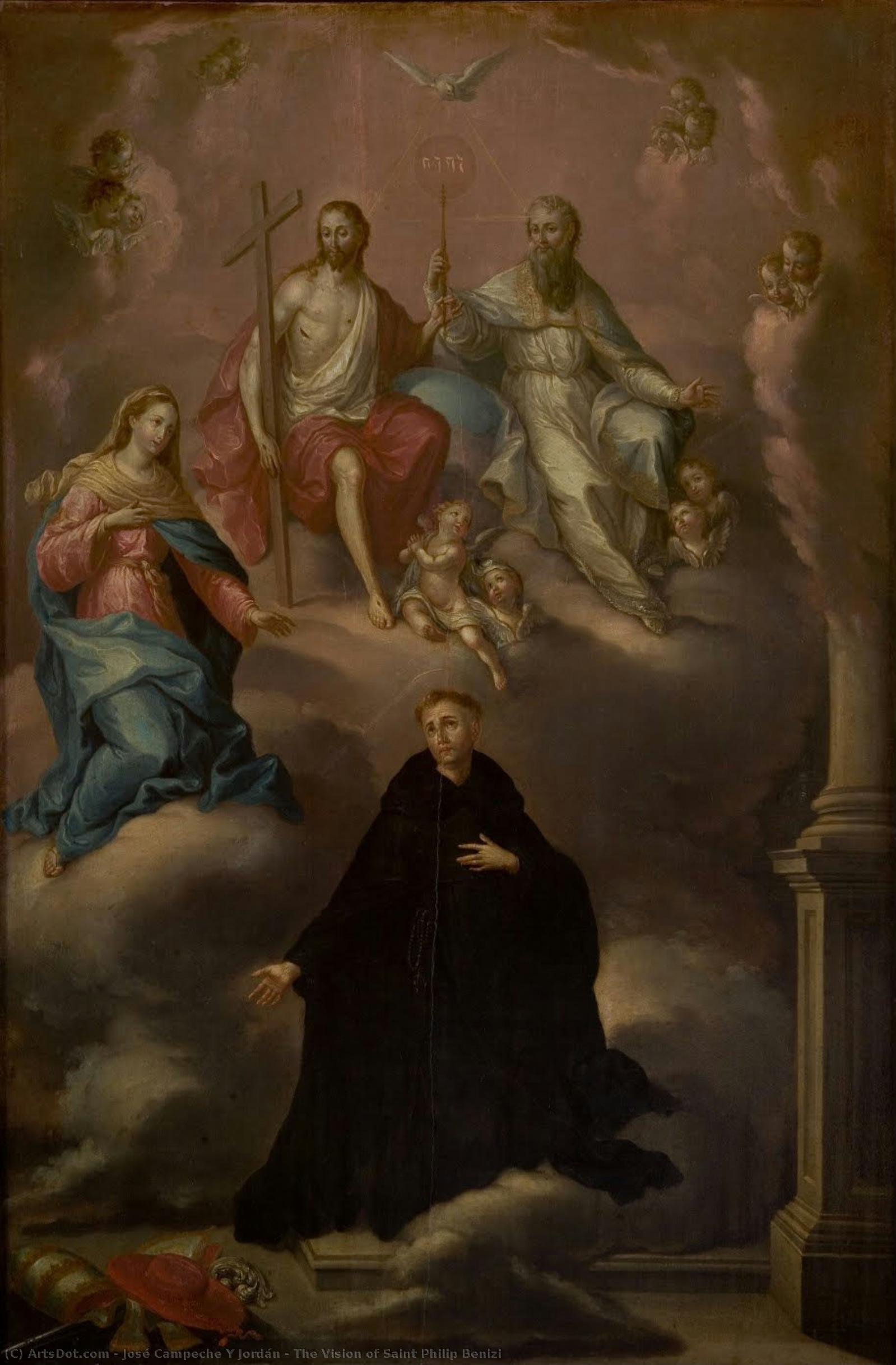
The Vision of Saint Philip Benizi
 1786
1786 91.0 x 60.0 cm
 Museo de Arte de Ponce
 Weiterlesen
Handgefertigte Ölreproduktion
Handgemaltes Ölgemälde auf Leinwand in Ihrer Wunschgröße und mit Rahmen, auf Bestellung von unseren Künstlern angefertigt. ( Druck bestellen Bild kaufen)




































Wählen Sie aus unseren vordefinierten Formaten, die den ursprünglichen Proportionen des Kunstwerks entsprechen.

Sie können Ihre eigenen Maße eingeben, um einen bestimmten Rahmen oder Platz auszufüllen. Wenn die gewählte Größe nicht den Proportionen des Originalbildes entspricht, werden wir das Kunstwerk entweder beschneiden oder das Gemälde durch zusätzliche, handgemalte Elemente erweitern. Ein digitales Mockup wird Ihnen zur Genehmigung zugesandt, bevor die Produktion beginnt.
Bitte beachten Sie, dass die Bildschirmvorschau nicht die tatsächliche Beschneidung oder Erweiterung widerspiegelt. Nur das Mockup zeigt die endgültige Komposition exakt an.
Obwohl Sondermaße verfügbar sind, empfehlen wir, eine Größe aus der vordefinierten Liste zu wählen, um die ursprünglichen Proportionen beizubehalten.
Nach der Bestellung wird das ArtsDot.com-Team dem Kunden Anweisungen per E-Mail zusenden und eine Mockup-Vorschau bereitstellen.
Weltweiter Versand () in nur 3 bis 4 Wochen statt der üblichen 5 Wochen. (6 September). Keine Kompromisse bei der Qualität.

Kostenloser weltweiter Expressversand

Hochwertige Leinenleinwand

Umfassender Versicherungsschutz beim Versand

Zollgebühren-Rückerstattungsgarantie

Garantie für exakte Farbtreue

100 Tage Rückgaberecht (nur bei Mängeln)

100% Geld-zurück-Garantie

Mengenrabatt verfügbar
 Die Glasoption ist nur für Größen unter 110 cm verfügbar.

The Vision of Saint Philip Benizi
Art der Reproduktion
Format der Reproduktion
-


Gesamtpreis
$ 263
Ähnliche Kunstwerke







Über den Künstler
José Campeche y Jordán
José Campeche y Jordán (December 23, 1751 – November 7, 1809) stands as the foremost Puerto Rican painter of portraits and religious imagery during his era. Born in San Juan, Puerto Rico, Campeche’s artistic journey commenced under the tutelage of Lorenzo Family, a distinguished lineage of artists who instilled within him the principles of Rococo style—a movement characterized by opulent ornamentation and delicate pastel hues inspired by nature. This formative influence would shape his entire oeuvre.Early Life and Artistic Training
Campeche's upbringing was marked by familial connections to prominent figures in Puerto Rican society, notably Tomás Campeche, his father who practiced gilding and possessed a workshop specializing in embellishing religious statues. From a young age, he demonstrated an innate aptitude for artistic pursuits, studying philosophy and Latin at the St. Thomas Aquinas Convent in San Juan—a testament to the intellectual fervor of his time. Despite lacking formal instruction in painting initially, Campeche’s talent quickly blossomed thanks to the mentorship of Luis Paret y Alcázar, a celebrated Spanish court painter exiled from Spain after Carlos III's reign. Under Paret’s guidance, Campeche mastered artistic techniques and embraced the tonal nuances characteristic of French Rococo, incorporating elements that reflected Puerto Rico’s landscape and cultural heritage.Artistic Style and Themes
Campeche’s distinctive style revolved around capturing the essence of his subjects with remarkable precision—a hallmark of Rococo portraiture. He meticulously scrutinized physiognomy and incorporated subtle details to convey emotion and character. His artistic vision extended beyond mere likeness; Campeche sought to encapsulate the spirit of his time, reflecting the social and political dynamics prevalent in colonial Puerto Rico. Recurring motifs included depictions of religious figures—particularly Virgin Mary—often rendered with serene expressions and bathed in soft light—a stylistic choice deeply rooted in Rococo’s reverence for beauty and spirituality. Furthermore, Campeche skillfully employed landscapes as backgrounds, subtly integrating elements of Puerto Rican scenery into his canvases—demonstrating a profound connection to his homeland.Notable Works and Legacy
Campeche's artistic legacy comprises approximately 400-500 paintings that continue to captivate art historians and collectors alike. Among his most celebrated creations are “Lady on Horseback,” portraying a noblewoman adorned in elaborate attire, and “The Bishop of San Francisco de la Cuerda,” capturing the solemn dignity of ecclesiastical authority. His canvases exemplify the grandeur and refinement emblematic of Rococo artistry—a style that transcended geographical boundaries and exerted considerable influence across Europe. Campeche’s works reside prominently within the Museo de Arte de Ponce (MAP) and the Museo de Arte de Puerto Rico (MAPR), ensuring his artistic contributions endure for generations to come. His enduring impact on subsequent artists, notably Samuel Sánchez González—whose biography is available on ArtsDot.com—solidifies Campeche’s position as a pivotal figure in American art history.Conclusion
José Campeche y Jordán's contribution to Rococo art extends far beyond his individual masterpieces; he established Puerto Rico as a beacon of artistic excellence during the eighteenth century. His meticulous attention to detail, combined with his masterful command of color and composition—traits characteristic of Rococo—continues to inspire artists today. As we contemplate Campeche’s oeuvre on platforms like ArtsDot.com, we recognize not merely an artist but a conduit between tradition and innovation—a testament to the enduring power of beauty and artistic vision.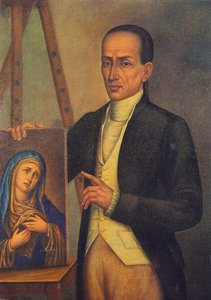
José Campeche y Jordán
1751 - 1809 , Puerto Rico
Kurzinfos
- Artistic Movement Or Style: Rokoko
- Artists Who Influenced This Artist: ['Luis Paret y Alcázar']
- Date Of Birth: 23. Dezember 1751
- Full Name: José Campeche y Jordán
- Nationality: Puerto Rican
- Notable Artworks:
- A la memoria de Roque Pérez
- Lady on Horseback
- The Vision of Saint Philip Benizi
- Place Of Birth: San Juan, Puerto Rico