

 Vorschau anzeigen
 Versenden
 Teilen
 Details anzeigen

 Herunterladen
 Ähnliche Objekte
 Röntgenaufnahme
 Diashow
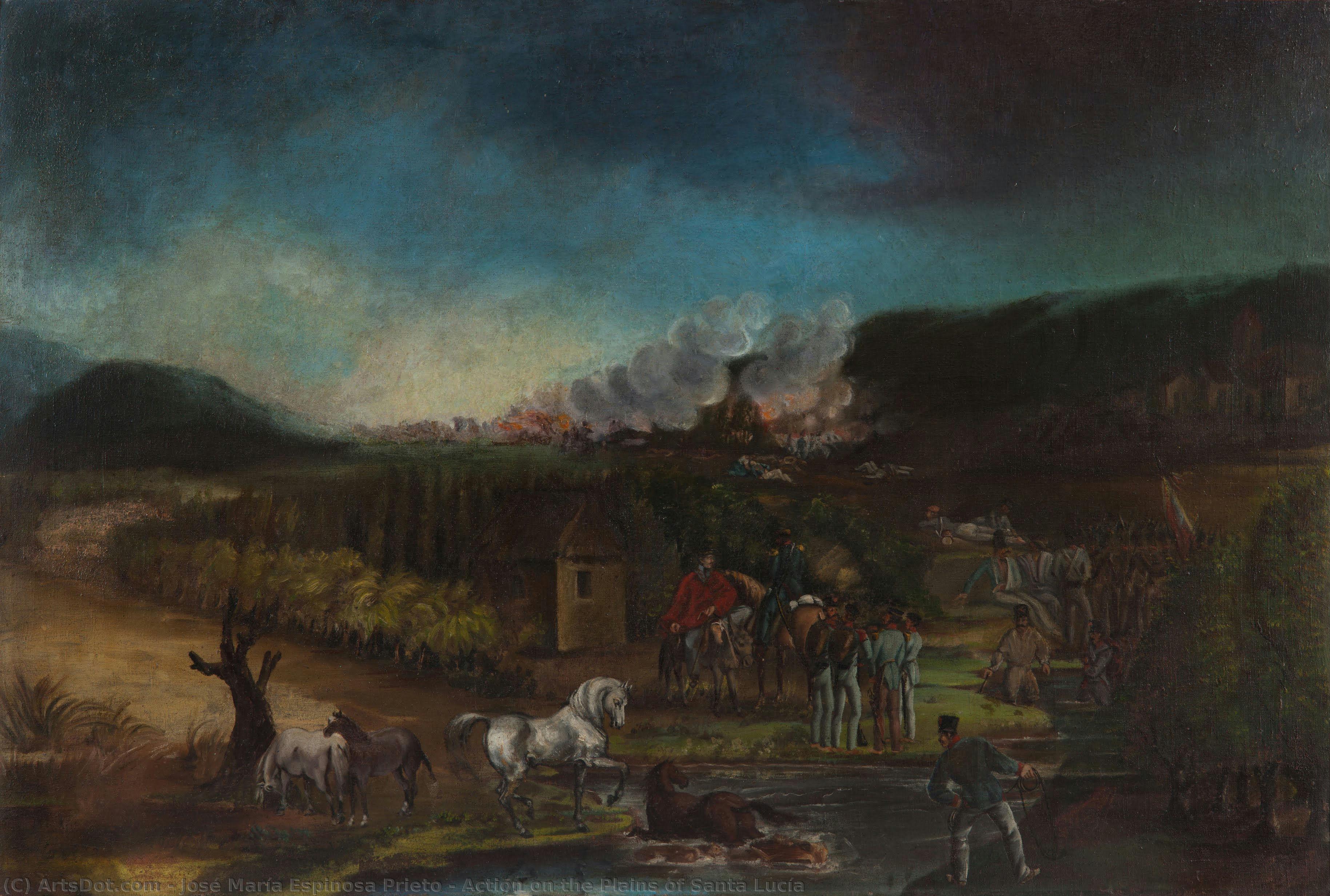
Action on the Plains of Santa Lucía
 1845
1845 81.0 x 121.0 cm
 Nationalmuseum von Kolumbien
 Weiterlesen
Handgefertigte Ölreproduktion
Handgemaltes Ölgemälde auf Leinwand in Ihrer Wunschgröße und mit Rahmen, auf Bestellung von unseren Künstlern angefertigt. ( Druck bestellen Bild kaufen)




































Wählen Sie aus unseren vordefinierten Formaten, die den ursprünglichen Proportionen des Kunstwerks entsprechen.

Sie können Ihre eigenen Maße eingeben, um einen bestimmten Rahmen oder Platz auszufüllen. Wenn die gewählte Größe nicht den Proportionen des Originalbildes entspricht, werden wir das Kunstwerk entweder beschneiden oder das Gemälde durch zusätzliche, handgemalte Elemente erweitern. Ein digitales Mockup wird Ihnen zur Genehmigung zugesandt, bevor die Produktion beginnt.
Bitte beachten Sie, dass die Bildschirmvorschau nicht die tatsächliche Beschneidung oder Erweiterung widerspiegelt. Nur das Mockup zeigt die endgültige Komposition exakt an.
Obwohl Sondermaße verfügbar sind, empfehlen wir, eine Größe aus der vordefinierten Liste zu wählen, um die ursprünglichen Proportionen beizubehalten.
Nach der Bestellung wird das ArtsDot.com-Team dem Kunden Anweisungen per E-Mail zusenden und eine Mockup-Vorschau bereitstellen.
Weltweiter Versand () in nur 3 bis 4 Wochen statt der üblichen 5 Wochen. (1 September). Keine Kompromisse bei der Qualität.

Kostenloser weltweiter Expressversand

Hochwertige Leinenleinwand

Umfassender Versicherungsschutz beim Versand

Zollgebühren-Rückerstattungsgarantie

Garantie für exakte Farbtreue

60 Tage Rückgaberecht (nur bei Mängeln)

100% Geld-zurück-Garantie

Mengenrabatt verfügbar
 Die Glasoption ist nur für Größen unter 110 cm verfügbar.

Action on the Plains of Santa Lucía
Art der Reproduktion
Format der Reproduktion
-


Gesamtpreis
$ 263
Ähnliche Kunstwerke





Über den Künstler
José María Espinosa Prieto: A Pioneer of Spanish Romantic Landscape Painting
José María Espinosa Prieto (1796 – 1883) stands as a pivotal figure in the landscape painting tradition of Spain during the Romantic era. Born into a noble family in León, Spain, Espinosa’s artistic journey began early, nurtured by familial encouragement and exposure to intellectual circles that championed the burgeoning movement for national identity. Unlike many artists of his time who focused on portraiture or mythological subjects, Espinosa dedicated himself primarily to capturing the grandeur and drama of the Spanish countryside—a conscious decision reflecting the Romantic preoccupation with emotion, imagination, and the sublime beauty of nature.- Early Influences: Espinosa’s formative years coincided with a period of intense artistic ferment in Europe, particularly influenced by Eugène Delacroix and Friedrich Wilhelm Theodor Lessing. These masters championed expressive brushwork and dramatic compositions—principles that profoundly shaped Espinosa's stylistic approach.
- Formal Training & Artistic Development: He pursued formal training at the Escuela Superior de Bellas Artes de San Fernando in Madrid, where he honed his technical skills and absorbed the prevailing academic conventions. However, Espinosa swiftly rejected these rigid standards, prioritizing a looser, more spontaneous style that prioritized capturing fleeting moments of atmospheric grandeur.
Notable Works & Artistic Style
Espinosa’s oeuvre comprises approximately 150 paintings—primarily landscapes executed in oil on canvas—that showcase his remarkable ability to convey emotion and evoke the spirit of Spain's mountainous regions. His canvases are characterized by bold color palettes, dynamic brushstrokes, and a masterful use of chiaroscuro (light and shadow) techniques. He skillfully employed atmospheric perspective – blurring distant objects to create depth and illusion – effectively conveying the vastness and majesty of the Spanish landscape. Recurring motifs include dramatic sunsets, turbulent rivers, and expansive vistas populated with shepherds and livestock—subjects that resonated deeply with Romantic sensibilities.- “León Ortiz” (1850): This monumental painting exemplifies Espinosa’s signature style. Depicting a horseman in regal attire against the backdrop of León’s rugged terrain, “León Ortiz” is celebrated for its luminous color harmonies and expressive brushwork. It embodies the Romantic ideal of portraying idealized beauty—a testament to Espinosa's artistic vision.
- “Action on the Plains of Santa Lucía” (1862): Another significant work showcases Espinosa’s ability to depict turbulent action within a landscape setting. The painting captures a spirited equestrian scene amidst rolling hills, demonstrating Espinosa’s command of compositional dynamism and tonal gradation.
Historical Significance & Legacy
Espinosa Prieto's contribution to Spanish Romantic art extends beyond mere stylistic innovation; he championed the depiction of Spain’s natural heritage as a symbol of national identity. His paintings served as inspiration for subsequent generations of artists and solidified Espinosa’s place among the foremost landscape painters of his era. Furthermore, his work aligns with broader trends in European Romanticism—a movement that sought to elevate emotion and imagination above reason and formalism—establishing Espinosa Prieto as an enduring emblem of artistic idealism and Spanish cultural heritage.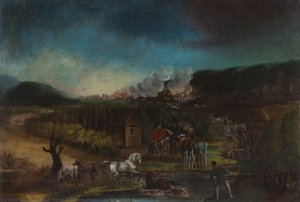
josé maría espinosa prieto
1796 - 1883
Kurzinfos
- Artistic Movement Or Style: Romanticism
- Artists Who Influenced This Artist:
- Gustave Courbet
- Jean-François Millet
- Date Of Death: 1883
- Full Name: José María Espinosa Prieto
- Nationality: Spanish
- Notable Artworks:
- León Ortiz
- Action on the Plains of Santa Lucía

