 Vorschau anzeigen
 Versenden
 Teilen
 Details anzeigen

 Herunterladen
 Ähnliche Objekte
 Röntgenaufnahme
 Diashow
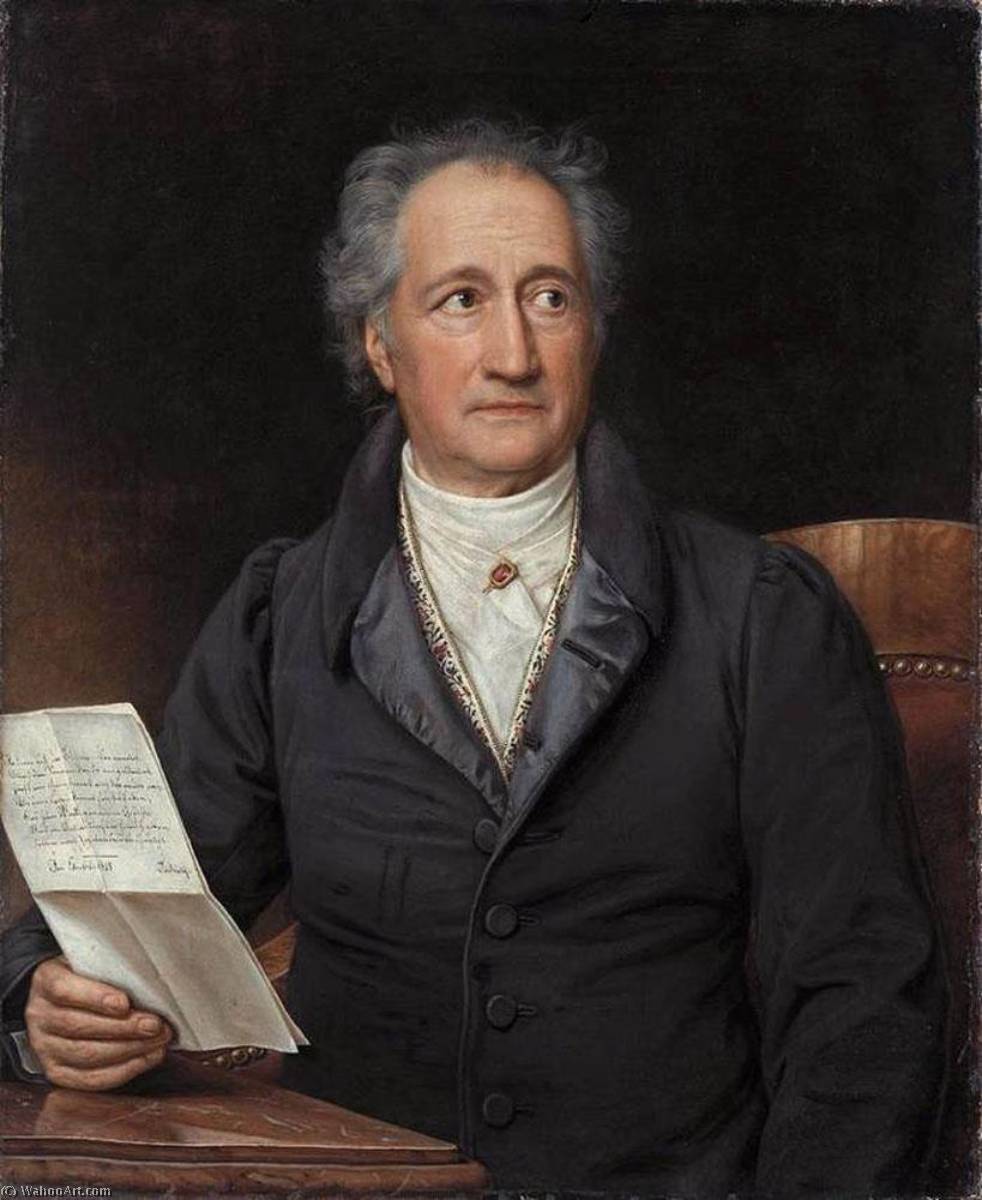
Johann Wolfgang von Goethe


 Weiterlesen
Giclée / Kunstdruck
Giclée- oder Leinwanddruck in Museumsqualität mit schneller Produktion und flexiblen Veredelungsoptionen. ( Handgemalte Reproduktion bestellen Bild kaufen)




































Wählen Sie aus unseren vordefinierten Formaten, die den ursprünglichen Proportionen des Kunstwerks entsprechen.

Sie können Ihre eigenen Maße eingeben, um ein bestimmtes Format oder einen speziellen Platz einzupassen. Wenn das von Ihnen gewählte Format nicht den Proportionen des Originalbildes entspricht, werden wir das Kunstwerk entweder beschneiden oder das Bild mit einem gespiegelten oder einfarbigen Rand erweitern. Ein digitaler Entwurf wird Ihnen zur Genehmigung zugesandt, bevor die Produktion beginnt.
Bitte beachten Sie, dass die Vorschau auf dem Bildschirm nicht den tatsächlichen Zuschnitt oder die Erweiterung widerspiegelt. Nur der Entwurf zeigt die endgültige Komposition präzise an.
Obwohl Sondermaße verfügbar sind, empfehlen wir die Auswahl eines Maßes aus der vordefinierten Liste, um die ursprünglichen Proportionen zu bewahren.
Weltweiter Versand () innerhalb von 2 Wochen statt der üblichen 4/5 Wochen. (22 August)

Kostenloser weltweiter Expressversand

Hochwertige Leinenleinwand

Umfassender Versicherungsschutz beim Versand

Zollgebühren-Rückerstattungsgarantie

Garantie für exakte Farbtreue

60 Tage Rückgaberecht (nur bei Mängeln)

100% Geld-zurück-Garantie

Mengenrabatt verfügbar
 Die Glasoption ist nur für Größen unter 110 cm verfügbar.

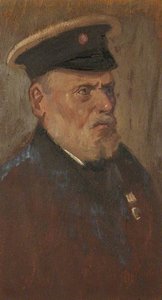
Johann Wolfgang von Goethe
Giclée / Kunstdruck
Format der Reproduktion
-


Gesamtpreis
$ 62
Ähnliche Kunstwerke



Über den Künstler
Joseph Karl Stieler: The Painter of Bavarian Elegance
Joseph Karl Stieler (1781-1858) stands as a pivotal figure in 19th-century German art, particularly renowned for his portraits commissioned by the Bavarian monarchy. Born in Mainz to a family steeped in engraving and printing traditions—his father, August Friedrich Stieler, was himself a respected craftsman—Stieler’s artistic journey began with foundational training under his father's guidance, shaping him into a skilled artist from an early age.Early Influences & Training: Following his father’s untimely death, Stieler pursued autodidactic study and honed his skills as a miniature painter, catering to the tastes of affluent bourgeois circles. This formative period instilled in him a meticulous attention to detail and a profound understanding of artistic composition—qualities that would characterize his later work.
His artistic education continued at the Vienna Academy of Fine Arts under Heinrich Füger, where he absorbed the principles of classical art and learned from masters who championed accuracy and elegance. However, Stieler’s true breakthrough occurred during his time in Paris—specifically within François Gérard’s atelier—where he immersed himself in Neoclassical style and experienced firsthand the transformative impact of David’s artistic vision.
Vienna Academy & Parisian Atelier: Gérard's influence instilled in Stieler a dedication to capturing idealized beauty and conveying emotion through restrained brushstrokes. This exposure to revolutionary fervor, mirroring David’s commitment to portraying heroic narratives, broadened his artistic horizons and solidified his stylistic preferences.
Stieler’s career ascended dramatically when he secured patronage from Archbishop Karl Theodor Anton Maria von Dalberg, who recognized his talent and championed his endeavors. This invaluable relationship propelled him to positions of prestige within Bavarian society, culminating in his role as Royal Court Painter until 1855. During this period, Stieler perfected his technique—characterized by precise draughtsmanship and subtle tonal gradations—becoming synonymous with the refined aesthetic favored by the Habsburg court.
- Notable Commissions: Among Stieler’s most celebrated achievements were the monumental Gallery of Beauties at Nymphenburg Palace in Munich, a breathtaking testament to Neoclassical grandeur and artistic ambition. This ambitious project showcased Stieler's mastery of scale and his ability to convey profound emotion through monumental canvases—a hallmark of his distinctive style.
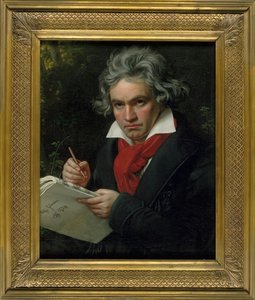
- Iconic Portraits: He achieved enduring fame through portraits of luminaries such as Ludwig van Beethoven—a depiction that remains one of the composer’s most recognizable representations—and Lola Montez, whose scandalous affair captivated the Bavarian public. Stieler skillfully captured Beethoven's intellectual intensity and Montez's captivating charisma, demonstrating his exceptional ability to portray psychological nuance.
Stieler’s legacy extends beyond his artistic output; his son, Karl Stieler, became a distinguished writer, furthering the family’s cultural heritage. Stieler’s oeuvre embodies the spirit of his era—a harmonious blend of classical ideals and aristocratic patronage—solidifying his place as an artist who captured the essence of Bavarian culture and elevated portraiture to new heights.
Stieler's meticulous attention to detail, combined with his unwavering commitment to Neoclassical principles, ensured that his work would endure as a symbol of Bavarian elegance and artistic excellence. His portraits continue to fascinate viewers today, offering glimpses into the lives of influential figures and demonstrating Stieler’s unparalleled skill in conveying both beauty and psychological depth.
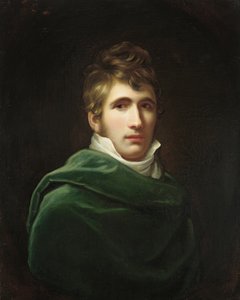
Joseph Karl Stieler
1781 - 1858 , Deutschland
Kurzinfos
- Artistic Movement Or Style: Neoklassik
- Artists Or Movements Influenced By This Artist: ['François Gérard']
- Artists Who Influenced This Artist:
- Heinrich Füger
- Jacques-Louis David
- Date Of Birth: 1781
- Date Of Death: 1858
- Full Name: Joseph Karl Stieler
- Nationality: Deutsch
- Notable Artworks:
- Galerie der Schönheiten
- Ludwig Van Beethoven
- Place Of Birth: Mainz, Deutschland