 Vorschau anzeigen
 Versenden
 Teilen
 Details anzeigen

 Herunterladen
 Ähnliche Objekte
 Röntgenaufnahme
 Diashow
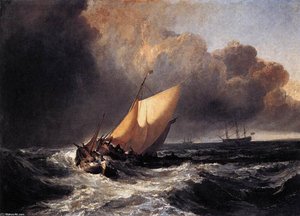
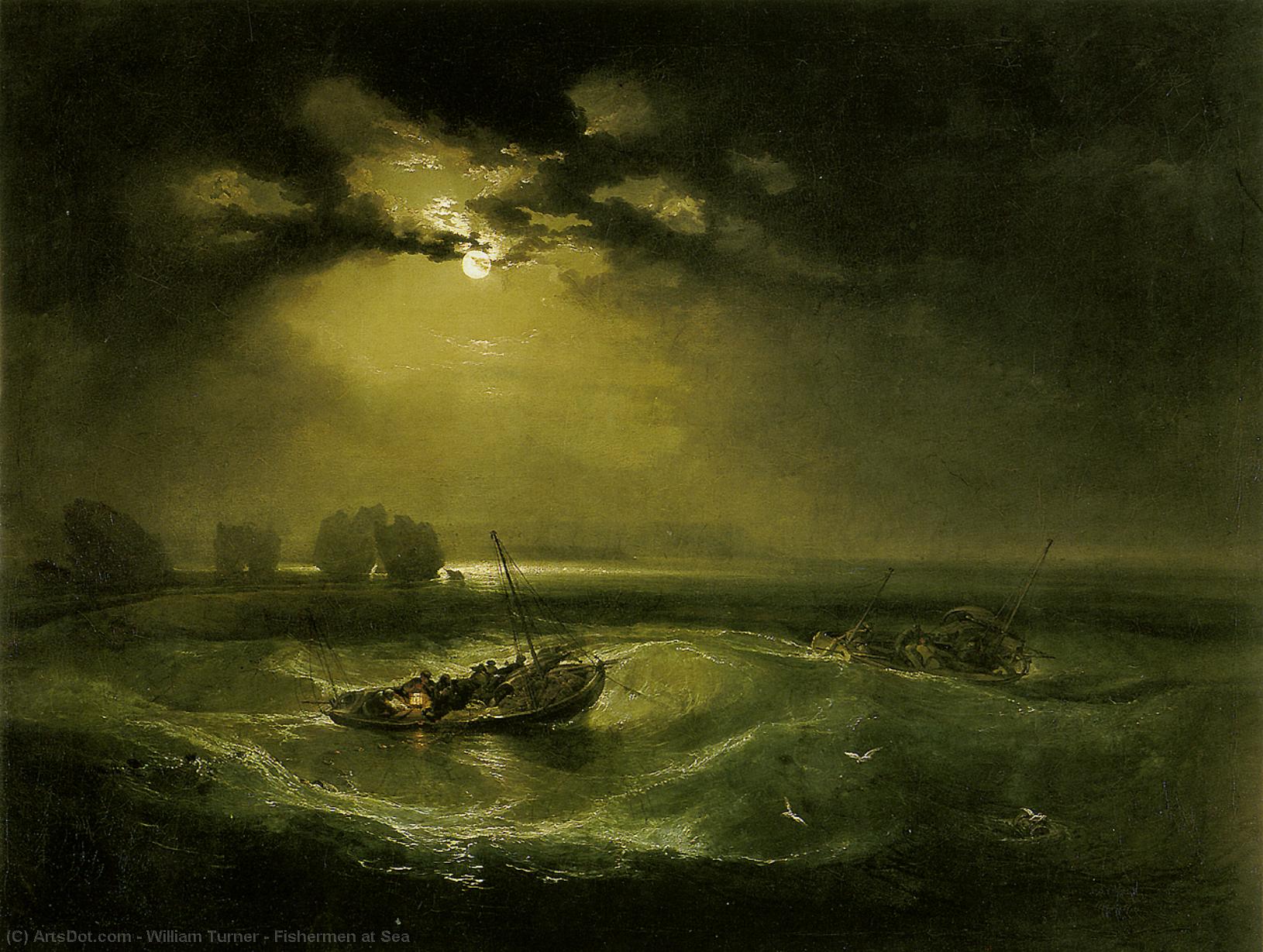
Fishermen at Sea
 Öl auf Leinwand
- Wandkunst
- Romantic Movement
 1796
1796- 19. Jahrhundert
 91.0 x 122.0 cm
 Weiterlesen
Giclée / Kunstdruck
Giclée- oder Leinwanddruck in Museumsqualität mit schneller Produktion und flexiblen Veredelungsoptionen. ( Handgemalte Reproduktion bestellen Bild kaufen)




P118B $10

P118H $10

P118W $10

P438Z $10

P508JH $12

P508YH $12

P805H $10

P805Z $10

P919BZ $10

P919G $10

P919XJ $10

P959ZH $10

P968JZ $12

W106C $8

W218G $10

W218JH $8

W218Y $10

W307PJ $10

W316G $10

W316PJ $8

W316Y $10

W398PJ $8

W4111J $10

W500HY $15

W500JH $15

W692G $12

W849H $8

W940BG $15

W953PJ $8




Wählen Sie aus unseren vordefinierten Formaten, die den ursprünglichen Proportionen des Kunstwerks entsprechen.

Sie können Ihre eigenen Maße eingeben, um ein bestimmtes Format oder einen speziellen Platz einzupassen. Wenn das von Ihnen gewählte Format nicht den Proportionen des Originalbildes entspricht, werden wir das Kunstwerk entweder beschneiden oder das Bild mit einem gespiegelten oder einfarbigen Rand erweitern. Ein digitaler Entwurf wird Ihnen zur Genehmigung zugesandt, bevor die Produktion beginnt.
Bitte beachten Sie, dass die Vorschau auf dem Bildschirm nicht den tatsächlichen Zuschnitt oder die Erweiterung widerspiegelt. Nur der Entwurf zeigt die endgültige Komposition präzise an.
Obwohl Sondermaße verfügbar sind, empfehlen wir die Auswahl eines Maßes aus der vordefinierten Liste, um die ursprünglichen Proportionen zu bewahren.
Weltweiter Versand () innerhalb von 2 Wochen statt der üblichen 4/5 Wochen. (23 August)

Kostenloser weltweiter Expressversand

Hochwertige Leinenleinwand

Umfassender Versicherungsschutz beim Versand

Zollgebühren-Rückerstattungsgarantie

Garantie für exakte Farbtreue

60 Tage Rückgaberecht (nur bei Mängeln)

100% Geld-zurück-Garantie

Mengenrabatt verfügbar
 Die Glasoption ist nur für Größen unter 110 cm verfügbar.

Fishermen at Sea
Giclée / Kunstdruck
Format der Reproduktion
-


Gesamtpreis
$ 62
Sammlerstück-Beschreibung
William Turner’s ‘Fishermen at Sea’: A Romantic Masterpiece
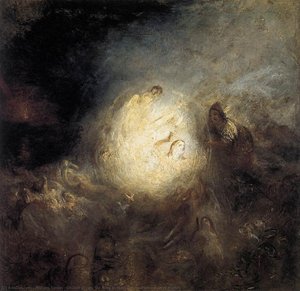
William Turner's “Fishermen at Sea,” painted in 1796, is more than just a depiction of sailors battling the elements; it’s a profound meditation on humanity’s relationship with nature’s untamed power. This oil on canvas, measuring 91 x 122 cm, immediately captivates with its dramatic composition and masterful use of light – hallmarks of Turner's revolutionary Romantic style. The scene unfolds beneath a turbulent sky, the churning sea reflecting the drama above, while the ethereal glow of the moon and lanterns creates an almost hallucinatory effect, drawing the viewer into the heart of the storm.
A Symphony of Light and Shadow
Turner’s technique is breathtakingly innovative. He wasn't simply aiming to represent what he saw; he was striving to *feel* it – the cold dampness, the roar of the waves, the vulnerability of the fishermen. The painting’s power resides in his extraordinary manipulation of light and shadow. The warm, flickering lanterns on the boats offer a poignant contrast to the cool, silvery moonlight, symbolizing hope amidst despair, human endeavor against the overwhelming force of nature. Notice how he builds up layers of color, not with precise detail but with broad strokes that evoke texture and movement – the foam of the waves, the spray carried aloft by the wind, the rough planks of the boats.
- Color Palette: Dominated by blues, grays, and whites, punctuated by the warm yellows and oranges of the lanterns.
- Brushwork: Loose, expressive strokes create a sense of dynamism and movement, capturing the energy of the sea.
- Composition: The diagonal lines of the boats and waves draw the viewer’s eye into the heart of the scene, intensifying the feeling of instability and drama.
Historical Context and Influences
Created in 1796, “Fishermen at Sea” marked a pivotal moment in Turner's career, his first major work exhibited at the Royal Academy. It reflects influences from artists like Claude Joseph Vernet, known for his dramatic marine scenes, and Philip James de Loutherbourg, who documented natural phenomena with scientific precision. However, Turner transcends mere imitation; he embodies the Romantic spirit – a fascination with the sublime, an appreciation for untamed beauty, and a willingness to confront the darker aspects of human existence. The painting’s subject matter—the precarious lives of sailors—was also influenced by the growing interest in maritime history and exploration during this period.
Symbolism and Emotional Impact
“Fishermen at Sea” is rich with symbolic meaning. The small, vulnerable boats battling a colossal sea represent humanity’s struggle against overwhelming forces – both natural and perhaps, metaphorically, existential. The moon, often associated with mystery and the unconscious, adds to the painting's ethereal quality, suggesting a realm beyond human comprehension. The overall effect is one of awe and apprehension, prompting viewers to contemplate their own place within the vastness of nature. It’s a powerful reminder of our fragility and the enduring allure of the unknown.
Own a Piece of Art History
ArtsDot.com is proud to offer meticulously crafted, hand-painted oil painting reproductions of Turner's “Fishermen at Sea.” Each reproduction captures not just the visual elements but also the emotional intensity and artistic brilliance of the original. Whether you’re an art collector seeking a significant addition to your collection or an interior designer looking for a statement piece that evokes the Romantic spirit, this artwork is sure to captivate and inspire. Explore our high-quality reproductions today
Ähnliche Kunstwerke
Über den Künstler
Frühe Jahre und Ausbildung
Joseph Mallord William Turner, eine bedeutende Figur der britischen Kunst, wurde am 23. April 1775 in Maiden Lane, Covent Garden, London geboren. Sein Vater, William Turner, war Barbier und Perückenmacher, während seine Mutter, Mary Marshall, aus einer Familie von Metzgern stammte. Im Alter von 14 Jahren trat Turner 1789 in die Royal Academy of Art ein, was den Beginn seiner illustren Karriere markierte.Künstlerischer Stil und Einflüsse
Turners Werk zeichnet sich durch seine expressive Farbgebung, fantasievolle Landschaftsbilder und turbulente Meeresansichten aus. Er war ein zutiefst experimenteller und progressiver Künstler, der Maler wie Claude Monet und Mark Rothko beeinflusste. Sein Einfluss ist in den Werken vieler nachfolgender Künstler sichtbar.Bedeutende Werke und Sammlungen
- Das Morgenrot nach der Sintflut (1843): Ein bemerkenswertes Öl auf Leinwand Gemälde, das sich in der Tate Collection, London befindet und Turners stilistische Form zur Darstellung der Naturgewalten zeigt.
- Chichester Kanal (1828): In Auftrag gegeben von George Wyndham, 3rd Earl of Egremont, stellt dieses Gemälde den Chichester Kanal dar und befindet sich derzeit in der Tate Collection.
- Ruinen von Tintern Abbey: Ein Aquarellstück, das sich nun im Calouste Gulbenkian Museum (Lissabon, Portugal) befindet und Turners Meisterschaft bei der Erfassung von Licht und Atmosphäre demonstriert.
Lebenslauf und Entwicklung
Turner entwickelte seinen Stil im Laufe seines Lebens weiter. Seine frühen Werke waren eher realistisch, doch er begann zunehmend mit dem Experimentieren mit Farbe und Licht. Er wurde stark von der Natur beeinflusst und versuchte, die Emotionen und das Drama, die er in ihr sah, auf Leinwand festzuhalten. Er war ein Pionier bei der Darstellung atmosphärischer Effekte wie Nebel, Rauch und Sturm, was seine Werke einzigartig machte.Vermächtnis und Bedeutung
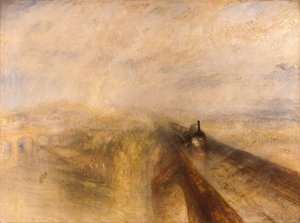
Turner hinterließ über 2.000 Gemälde und 19.000 Zeichnungen und Skizzen. Er gilt weithin als einer der größten Meister der britischen Aquarelllandschafts- und Meeresmalerei, oft als „der Maler des Lichts“ bezeichnet. Sein Einfluss auf nachfolgende Künstler ist unbestreitbar, was ihn zu einer entscheidenden Figur in der Kunstgeschichte macht.- Erleben Sie Turners 'Zeige Sturm'! Ein dramatisches romantisches Seelandschaftsgemälde, das die Wut der Natur einfängt. Entdecken Sie dieses Meisterwerks aus Impasto und Licht – ein fesselnder Blickfang.
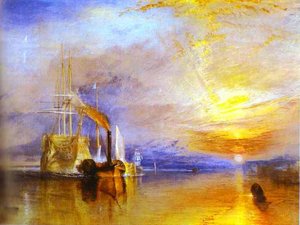
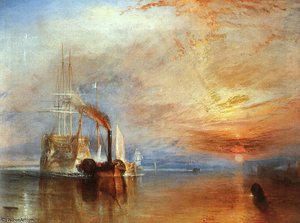
- Entdecken Sie Turners 'Fighting Téméraire'! Ein romantisches Meisterwerk, das den Untergang eines historischen Kriegsschiffs darstellt und Verwandlung & zeitlose Schönheit symbolisiert. Perfekt für Kunstliebhaber und Sammler.
- Erleben Sie Turners 'Fighting Temeraire'! Ein romantisches Meisterwerk, das ein herzzerreißendes maritimes Abschiedsgeschenk darstellt. Erkunden Sie sein dramatisches Licht, seine Symbolik und seine historische Bedeutung.
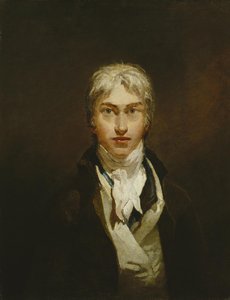
Joseph Mallord William Turner
1775 - 1851 , Vereinigtes Königreich
Kurzinfos
- Beeinflusste Künstler:
- Claude Monet
- Mark Rothko
- Bemerkenswerte Werke:
- The Morning After the Deluge
- Chichester Canal
- Ruins of Tintern Abbey
- Geburtsdatum: 23. April 1775
- Geburtsort: Covent Garden, Vereinigtes Königreich
- Künstlerische Richtung: Romantik, Landschaftsmalerei
- Nationalität: Britisch
- Sterbedatum: 19. Dezember 1851
- Vollständiger Name: Joseph Mallord William Turner
Ähnliche Artikel

Romantische Landschaften: Die 10 Meisterwerke, die eine Epoche prägten | ArtsDot
Entdecken Sie die 10 Meisterwerke der Romantischen Landschaftsmalerei! Von Caspar David Friedrich bis Turner – erleben Sie die Kunst, Emotion & Natur. Hochwertige Reproduktionen auf ArtsDot.com

Katsushika Hokusai: Die 25 Meisterwerke des Ukiyo-e – Kunst für Ihr Zuhause | ArtsDot
Entdecken Sie die 25 Meisterwerke von Katsushika Hokusai! Tauchen Sie ein in die Welt des Ukiyo-e, berühmte Holzschnitte wie 'Die große Welle' & Fuji-Ansichten. Hochwertige Kunstdrucke für Ihr Zuhause – jetzt auf ArtsDot.com!
J.M.W. Turner: Licht, Atmosphäre und das Romantische Erhabene – Eine Studie zu seinem künstlerischen Vermächtnis
Entdecken Sie J.M.W. Turner und seine revolutionäre Landschaftsmalerei! Analysieren Sie Licht, Atmosphäre und das Romantische Erhabene in seinem Werk. Expertenwissen & tiefe Einblicke.

Evocations of Place: A Historical Journey Through Landscape Art
Explore the rich history of landscape art with ArtsDot. Discover renowned artists, movements like Impressionism & Romanticism, and expert guidance for collecting timeless pieces. Find your perfect serene escape today!

John Constable: Die 25 Meisterwerke des englischen Landschaftsgenies – ArtsDot
Entdecken Sie die 25 Meisterwerke von John Constable! Erleben Sie englische Landschaftsmalerei vom Hay Wain bis zur Stour Valley. Hochwertige Reproduktionen & Kunst für Ihr Zuhause auf ArtsDot.com.