 Vorschau anzeigen
 Versenden
 Teilen
 Details anzeigen

 Herunterladen
 Ähnliche Objekte
 Röntgenaufnahme
 Diashow
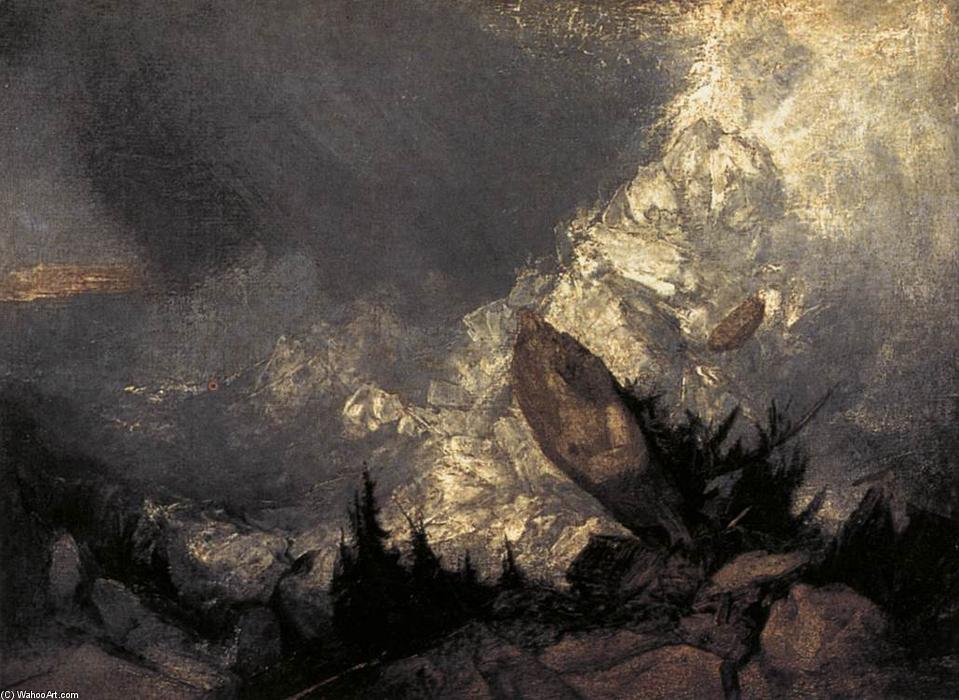
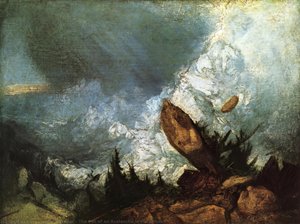
The Fall of an Avalanche in the Grisons
 Acryl auf Leinwand
- Wandkunst
- Romantic Landscape Painting
 1810
1810 90.0 x 120.0 cm
 Tate Britain
 Weiterlesen
Handgefertigte Ölreproduktion
Handgemaltes Ölgemälde auf Leinwand in Ihrer Wunschgröße und mit Rahmen, auf Bestellung von unseren Künstlern angefertigt. ( Druck bestellen Bild kaufen)




P118B $10

P118H $10

P118W $10

P438Z $10

P508JH $12

P508YH $12

P805H $10

P805Z $10

P919BZ $10

P919G $10

P919XJ $10

P959ZH $10

P968JZ $12

W106C $8

W218G $10

W218JH $8

W218Y $10

W307PJ $10

W316G $10

W316PJ $8

W316Y $10

W398PJ $8

W4111J $10

W500HY $15

W500JH $15

W692G $12

W849H $8

W940BG $15

W953PJ $8




Wählen Sie aus unseren vordefinierten Formaten, die den ursprünglichen Proportionen des Kunstwerks entsprechen.

Sie können Ihre eigenen Maße eingeben, um einen bestimmten Rahmen oder Platz auszufüllen. Wenn die gewählte Größe nicht den Proportionen des Originalbildes entspricht, werden wir das Kunstwerk entweder beschneiden oder das Gemälde durch zusätzliche, handgemalte Elemente erweitern. Ein digitales Mockup wird Ihnen zur Genehmigung zugesandt, bevor die Produktion beginnt.
Bitte beachten Sie, dass die Bildschirmvorschau nicht die tatsächliche Beschneidung oder Erweiterung widerspiegelt. Nur das Mockup zeigt die endgültige Komposition exakt an.
Obwohl Sondermaße verfügbar sind, empfehlen wir, eine Größe aus der vordefinierten Liste zu wählen, um die ursprünglichen Proportionen beizubehalten.
Nach der Bestellung wird das ArtsDot.com-Team dem Kunden Anweisungen per E-Mail zusenden und eine Mockup-Vorschau bereitstellen.
Weltweiter Versand () in nur 3 bis 4 Wochen statt der üblichen 5 Wochen. (27 August). Keine Kompromisse bei der Qualität.

Kostenloser weltweiter Expressversand

Hochwertige Leinenleinwand

Umfassender Versicherungsschutz beim Versand

Zollgebühren-Rückerstattungsgarantie

Garantie für exakte Farbtreue

60 Tage Rückgaberecht (nur bei Mängeln)

100% Geld-zurück-Garantie

Mengenrabatt verfügbar
 Die Glasoption ist nur für Größen unter 110 cm verfügbar.

The Fall of an Avalanche in the Grisons
Art der Reproduktion
Format der Reproduktion
-


Gesamtpreis
$ 263
The Sublime Landscape: Exploring Turner’s “The Fall of an Avalanche in the Grisons”
Joseph Mallord William Turner's "The Fall of an Avalanche in the Grisons" stands as a cornerstone of Romantic landscape painting, embodying the movement’s fascination with untamed nature and its belief in art’s ability to convey profound emotional experience. Completed in 1810, this monumental oil on canvas transcends mere depiction; it strives to capture not just what is seen but what is felt – the terror and majesty inherent in confronting forces beyond human control.A Vision of Dramatic Intensity
Turner's style is instantly recognizable: characterized by loose brushstrokes, vibrant color palettes dominated by blues and greens, and a masterful manipulation of light that imbues the scene with an ethereal glow. Unlike Neoclassical artists who sought to impose order upon nature, Turner embraced its chaotic energy, portraying it as both destructive and sublime – a concept central to Romantic thought. The turbulent sky swirls with ominous clouds, mirroring the impending avalanche, while streaks of brilliant yellow illuminate the snow-covered slopes, creating a visual paradox that underscores the painting’s emotional core.Technique and Innovation
Turner's revolutionary approach to pigment mixing and layering—techniques he honed throughout his prolific career—were groundbreaking for their time. He eschewed traditional glazing methods, opting instead for direct application of paint onto the canvas, allowing for unprecedented textural richness and luminosity. This technique, combined with Turner’s meticulous observation of geological formations and atmospheric conditions, resulted in a painting that feels remarkably alive – as if one could hear the roar of the avalanche and smell the icy air. The artist painstakingly studied the movement of snow and rock, translating his scientific understanding into artistic expression.Historical Context: Romanticism's Embrace of Emotion
“The Fall of an Avalanche” emerged during a period of significant intellectual upheaval in Europe—the Romantic era—fueled by Enlightenment skepticism and fueled by burgeoning interest in folklore and mythology. Philosophers like Edmund Burke argued that confronting terrifying experiences could elevate the soul, fostering empathy and inspiring awe. Turner’s painting resonated deeply with these ideas, reflecting the Romantic conviction that art should provoke emotional responses rather than simply presenting rational representations of reality. It served as a visual manifesto for the movement's core tenets.Symbolism: Fear, Majesty, and Transcendence
Beyond its technical brilliance, “The Fall of an Avalanche” is laden with symbolic meaning. The avalanche itself represents destructive forces—both physical and psychological—threatening to overwhelm human existence. Yet, simultaneously, it embodies grandeur and power – the sublime beauty of nature’s untamed majesty. The solitary figure in the foreground serves as a conduit for contemplation, inviting viewers to confront their own vulnerability in the face of overwhelming natural phenomena. Ultimately, Turner seeks to inspire transcendence—a glimpse beyond the confines of earthly concerns into realms of spiritual awareness.Emotional Impact: A Legacy of Wonder
“The Fall of an Avalanche” continues to captivate audiences today with its visceral emotional impact. Its dramatic composition and luminous color palette evoke a sense of unease mingled with fascination, prompting viewers to contemplate the relationship between humanity and nature—a dialogue that remains as relevant as ever. Reproductions of this masterpiece offer collectors and interior designers alike the opportunity to experience Turner’s vision of the sublime landscape firsthand, transporting them to the heart of Romantic artistic fervor.Ähnliche Kunstwerke
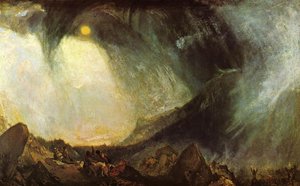
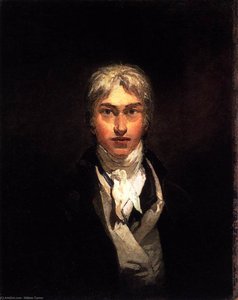
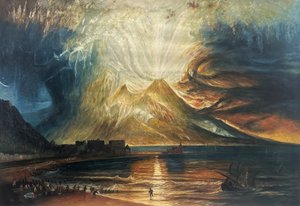
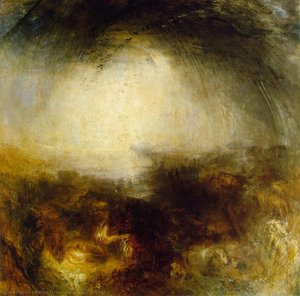
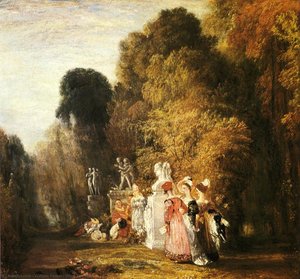
Über den Künstler
Frühe Jahre und Ausbildung
Joseph Mallord William Turner, eine bedeutende Figur der britischen Kunst, wurde am 23. April 1775 in Maiden Lane, Covent Garden, London geboren. Sein Vater, William Turner, war Barbier und Perückenmacher, während seine Mutter, Mary Marshall, aus einer Familie von Metzgern stammte. Im Alter von 14 Jahren trat Turner 1789 in die Royal Academy of Art ein, was den Beginn seiner illustren Karriere markierte.Künstlerischer Stil und Einflüsse
Turners Werk zeichnet sich durch seine expressive Farbgebung, fantasievolle Landschaftsbilder und turbulente Meeresansichten aus. Er war ein zutiefst experimenteller und progressiver Künstler, der Maler wie Claude Monet und Mark Rothko beeinflusste. Sein Einfluss ist in den Werken vieler nachfolgender Künstler sichtbar.Bedeutende Werke und Sammlungen
- Das Morgenrot nach der Sintflut (1843): Ein bemerkenswertes Öl auf Leinwand Gemälde, das sich in der Tate Collection, London befindet und Turners stilistische Form zur Darstellung der Naturgewalten zeigt.
- Chichester Kanal (1828): In Auftrag gegeben von George Wyndham, 3rd Earl of Egremont, stellt dieses Gemälde den Chichester Kanal dar und befindet sich derzeit in der Tate Collection.
- Ruinen von Tintern Abbey: Ein Aquarellstück, das sich nun im Calouste Gulbenkian Museum (Lissabon, Portugal) befindet und Turners Meisterschaft bei der Erfassung von Licht und Atmosphäre demonstriert.
Lebenslauf und Entwicklung
Turner entwickelte seinen Stil im Laufe seines Lebens weiter. Seine frühen Werke waren eher realistisch, doch er begann zunehmend mit dem Experimentieren mit Farbe und Licht. Er wurde stark von der Natur beeinflusst und versuchte, die Emotionen und das Drama, die er in ihr sah, auf Leinwand festzuhalten. Er war ein Pionier bei der Darstellung atmosphärischer Effekte wie Nebel, Rauch und Sturm, was seine Werke einzigartig machte.Vermächtnis und Bedeutung
Turner hinterließ über 2.000 Gemälde und 19.000 Zeichnungen und Skizzen. Er gilt weithin als einer der größten Meister der britischen Aquarelllandschafts- und Meeresmalerei, oft als „der Maler des Lichts“ bezeichnet. Sein Einfluss auf nachfolgende Künstler ist unbestreitbar, was ihn zu einer entscheidenden Figur in der Kunstgeschichte macht.- Erleben Sie Turners 'Zeige Sturm'! Ein dramatisches romantisches Seelandschaftsgemälde, das die Wut der Natur einfängt. Entdecken Sie dieses Meisterwerks aus Impasto und Licht – ein fesselnder Blickfang.
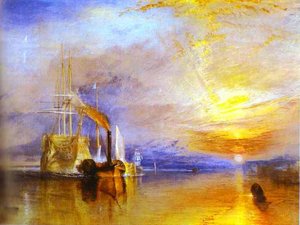
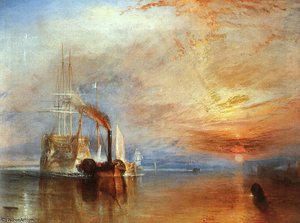
- Entdecken Sie Turners 'Fighting Téméraire'! Ein romantisches Meisterwerk, das den Untergang eines historischen Kriegsschiffs darstellt und Verwandlung & zeitlose Schönheit symbolisiert. Perfekt für Kunstliebhaber und Sammler.
- Erleben Sie Turners 'Fighting Temeraire'! Ein romantisches Meisterwerk, das ein herzzerreißendes maritimes Abschiedsgeschenk darstellt. Erkunden Sie sein dramatisches Licht, seine Symbolik und seine historische Bedeutung.
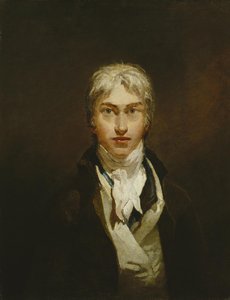
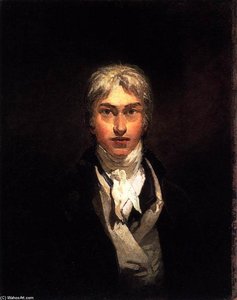
Joseph Mallord William Turner
1775 - 1851 , Vereinigtes Königreich
Kurzinfos
- Beeinflusste Künstler:
- Claude Monet
- Mark Rothko
- Bemerkenswerte Werke:
- The Morning After the Deluge
- Chichester Canal
- Ruins of Tintern Abbey
- Geburtsdatum: 23. April 1775
- Geburtsort: Covent Garden, Vereinigtes Königreich
- Künstlerische Richtung: Romantik, Landschaftsmalerei
- Nationalität: Britisch
- Sterbedatum: 19. Dezember 1851
- Vollständiger Name: Joseph Mallord William Turner
Ähnliche Artikel

Romantische Landschaften: Die 10 Meisterwerke, die eine Epoche prägten | ArtsDot
Entdecken Sie die 10 Meisterwerke der Romantischen Landschaftsmalerei! Von Caspar David Friedrich bis Turner – erleben Sie die Kunst, Emotion & Natur. Hochwertige Reproduktionen auf ArtsDot.com
Capturing the Sublime: A Historical Journey Through Scenic Views in Painting
Explore the history of landscape painting & the sublime with ArtsDot. Discover renowned artists like Turner & Impressionists. Expert art consultation, custom reproductions & museum-quality prints available.
The Evocative Brushstroke: Exploring Emotion, Individuality & the Sublime in Romanticism's Artistic Landscape
Explore the passionate world of Romanticism! Discover masterpieces by Friedrich & Goya, delve into the sublime, and understand the movement's lasting impact on art history. Expert analysis & insights at ArtsDot.
Evoking Nature's Sublime: A Comprehensive Exploration of 19th-Century Landscape Painting
Explore the captivating world of 19th-century landscape painting! Discover renowned artists like Friedrich & Monet, key movements, and find the perfect artwork to bring nature's serenity into your home. Expert insights at ArtsDot.
The Sublime and the Picturesque: Exploring Emotion & Nature in Romantic Landscape Painting
Explore the emotional power of Romantic landscape painting! Discover the sublime & picturesque traditions, key artists like Friedrich & Cole, and find your perfect artwork at ArtsDot.