

 Vorschau anzeigen
 Versenden
 Teilen
 Details anzeigen

 Herunterladen
 Ähnliche Objekte
 Röntgenaufnahme
 Diashow
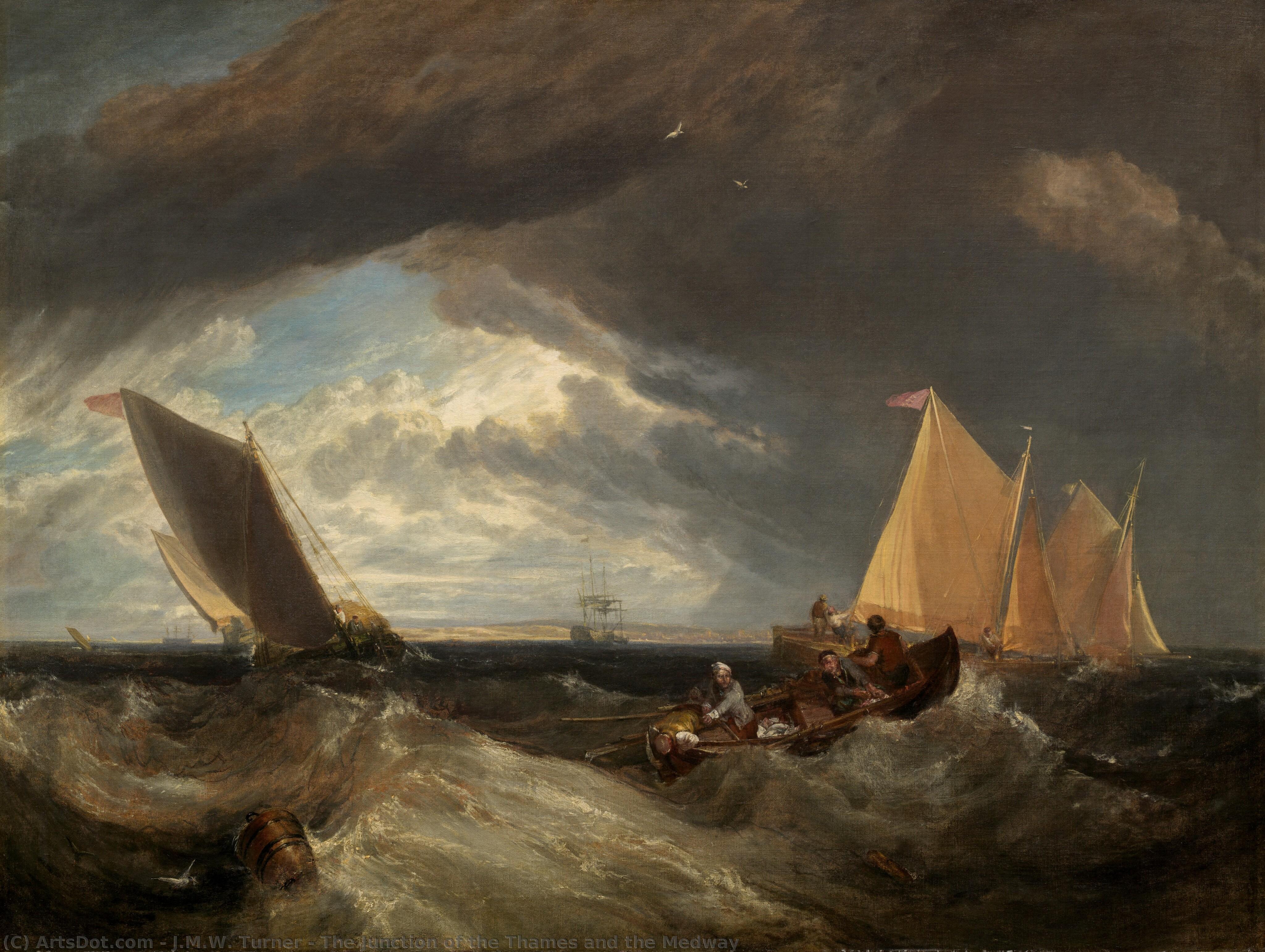
The Junction of the Thames and the Medway
 Oil On Canvas
- WallArt
- Romanticism
 1807
1807- 19th Century
 109.0 x 144.0 cm
 Weiterlesen
Erwerben Sie ein hochauflösendes, optimiertes digitales Bild, das der Online-Vorschau weit überlegen ist.
Jede Datei wird von unseren hauseigenen Spezialisten mit modernsten Werkzeugen und fachmännischer manueller Retusche sorgfältig vorbereitet. Wir stellen sicher, dass jedes Bild eine außergewöhnliche Klarheit, präzise Farbgenauigkeit und feinste Details aufweist.
Die endgültige Datei wird innerhalb von 72 Stunden per E-Mail zugestellt und ist für den sofortigen Einsatz in professionellen, redaktionellen und Druckumgebungen optimiert. Es handelt sich um dieselbe Qualität, der führende Designstudios, Verlage und Galerien vertrauen.
Digitales Bild
Laden Sie eine hochauflösende Datei für die persönliche Präsentation, den Druck und kreative Projekte herunter. ( Druck bestellen Handgemalte Reproduktion bestellen)
In jeder Bestellung digitaler Bilder enthalten
Professionelle digitale Bereitstellung, garantiert
Wenn Sie sich für ArtsDot.com entscheiden, erhalten Sie nicht nur ein Bild – Sie erhalten ein professionell aufbereitetes digitales Kunstwerk, das mit höchster Präzision erstellt und durch eine Zufriedenheitsgarantie abgesichert wird. Hier ist alles, was automatisch mit Ihrer Bestellung geliefert wird:

Schnelle E-Mail-Zustellung
Ihre hochauflösende digitale Bilddatei wird Ihnen innerhalb von 72 Stunden nach der Bestellung per E-Mail zugestellt – bereit zur sofortigen Verwendung.

KI-optimierte digitale Datei
Ihre Kunstwerke werden professionell mithilfe fortschrittlicher KI-Tools und manueller Bearbeitung optimiert, um maximale Detailtreue, Klarheit und Farbgenauigkeit zu gewährleisten.

Lebenslanger kostenloser Neudruckservice
Datei versehentlich gelöscht oder verloren? Keine Sorge – wir senden sie Ihnen jederzeit kostenlos erneut zu.

Keine Einfuhrgebühren – jemals
Genießen Sie Ihr Kunstwerk sofort ohne Zollgebühren, Einfuhrabgaben oder Versandkosten – digitale Downloads sind immer steuerfrei.

Garantierte Farbtreue
Wir garantieren, dass Ihr digitales Bild mithilfe professioneller Werkzeuge und Farbmanagement die Originalfarben so präzise wie möglich wiedergibt.

60-Tage-Zufriedenheitsgarantie
Sollten Sie mit Ihrem digitalen Bild nicht zufrieden sein, werden wir es überarbeiten oder Ihnen innerhalb von 60 Tagen 100% erstatten – ohne Wenn und Aber.

100% Geld-zurück-Garantie
Nicht zufrieden? Erhalten Sie innerhalb von 60 Tagen nach Erhalt Ihrer digitalen Datei eine vollständige Rückerstattung – ohne Angabe von Gründen.

Rabatte bei Großbestellungen
3 Bilder kaufen, 10% sparen – 5 Bilder kaufen, 15% sparen – Ab 10 Bildern 20% sparen. Ideal für kreative Projekte, Galerien und Agenturen.
A Tempestuous Encounter: The Raw Power of Turner’s Vision
In the heart of the Romantic era, few works capture the visceral struggle between humanity and the elements as profoundly as Joseph Mallord William Turner’s 1807 masterpiece, The Junction of the Thames and the Medway. This monumental seascape is not merely a depiction of a river confluence; it is a dramatic confrontation where maritime forces meet the encroaching fury of an approaching storm. As the viewer gazes upon the canvas, they are immediately swept into a world of turbulent waters and skies ablaze with ominous, heavy clouds. The composition utilizes a powerful horizontal expanse to mirror the relentless rhythm of the sea, yet this stability is constantly challenged by the sharp, diagonal thrust of wind-swept sails. These lines propel the eye across the scene, creating a sense of kinetic energy and movement that makes the painting feel as though it is breathing with the very wind it depicts.
The emotional weight of the piece lies in its ability to evoke the sublime—that uniquely Romantic sensation of being overwhelmed by the grandeur and terror of nature. Through the depiction of small, vulnerable vessels battling against crashing waves and debris, Turner explores themes of resilience and the fragility of human endeavor. The dark, brooding clouds cast long, dramatic shadows across the water, creating a chiarosc way of lighting that highlights the white crests of breaking waves. For the collector or interior designer, this artwork offers a profound focal point; it is a piece that commands attention through its atmospheric depth and its ability to transform a room into a space of contemplation and awe.
Mastery of Light, Texture, and Technique
Turner’s technical prowess in this work serves as a precursor to the Impressionist movement, prioritizing sensation and atmosphere over rigid academic precision. To achieve such a palpable sense of chaos, the artist employed masterful impasto, applying thick layers of oil paint directly to the canvas. This technique creates a physical texture that allows the light to catch on the ridges of the pigment, simulating the frothing spray of the sea and the heavy, moisture-laden air of a storm. His method involved a sophisticated layering of washes, building tonal depth that allows the viewer to peer through layers of mist and shadow into the heart of the tempest.
The color palette is a sophisticated study in drama, dominated by deep blues, somber grays, and earthy ochre tones. These darker hues are brilliantly punctuated by sudden highlights of white and pale yellow, which represent the fleeting moments where light breaks through the storm to strike the surface of the water or the canvas of a sail. This interplay of light and shadow is not merely decorative; it is the very engine of the painting's dynamism. For those seeking a high-quality reproduction, capturing these subtle tonal modulations and the energetic, visible brushstrokes is essential to preserving the authentic spirit of Turner’s hand.
Historical Resonance and Timeless Appeal
Beyond its aesthetic brilliance, The Junction of the Thames and the Medway carries a significant historical weight. Painted during the era of the Napoleonic Wars, the work reflects the heightened national anxieties regarding maritime defense and the protection of Britain's vital waterways. While it celebrates maritime prowess, it does so through a lens of uncertainty, acknowledging the overwhelming force of nature that no fleet can truly tame. This duality—the strength of the nation versus the unpredictability of the natural world—gives the painting a narrative depth that continues to resonate with modern audiences.
For the discerning art lover, owning a reproduction of this work is an opportunity to invite a piece of British art history into one's personal environment. Whether placed in a grand gallery setting or as a sophisticated accent in a contemporary living space, Turner’s vision provides a window into a time when art sought to capture the very soul of the earth. It remains an enduring symbol of the beauty found within chaos and the eternal dance between light and shadow.
Ähnliche Kunstwerke
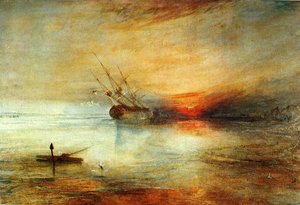
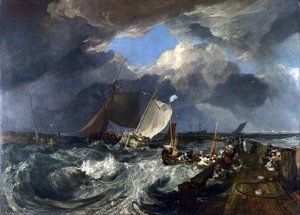
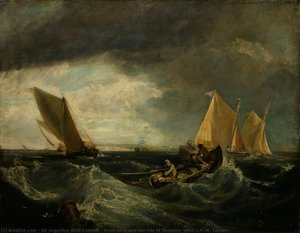
Biografie des Künstlers
Frühe Jahre und Ausbildung
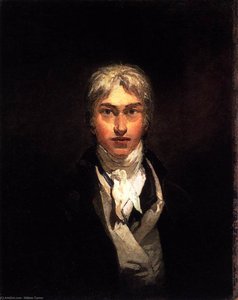
Joseph Mallord William Turner, eine bedeutende Figur der britischen Kunst, wurde am 23. April 1775 in Maiden Lane, Covent Garden, London geboren. Sein Vater, William Turner, war Barbier und Perückenmacher, während seine Mutter, Mary Marshall, aus einer Familie von Metzgern stammte. Im Alter von 14 Jahren trat Turner 1789 in die Royal Academy of Art ein, was den Beginn seiner illustren Karriere markierte.Künstlerischer Stil und Einflüsse
Turners Werk zeichnet sich durch seine expressive Farbgebung, fantasievolle Landschaftsbilder und turbulente Meeresansichten aus. Er war ein zutiefst experimenteller und progressiver Künstler, der Maler wie Claude Monet und Mark Rothko beeinflusste. Sein Einfluss ist in den Werken vieler nachfolgender Künstler sichtbar.Bedeutende Werke und Sammlungen
- Das Morgenrot nach der Sintflut (1843): Ein bemerkenswertes Öl auf Leinwand Gemälde, das sich in der Tate Collection, London befindet und Turners stilistische Form zur Darstellung der Naturgewalten zeigt.
- Chichester Kanal (1828): In Auftrag gegeben von George Wyndham, 3rd Earl of Egremont, stellt dieses Gemälde den Chichester Kanal dar und befindet sich derzeit in der Tate Collection.
- Ruinen von Tintern Abbey: Ein Aquarellstück, das sich nun im Calouste Gulbenkian Museum (Lissabon, Portugal) befindet und Turners Meisterschaft bei der Erfassung von Licht und Atmosphäre demonstriert.
Lebenslauf und Entwicklung
Turner entwickelte seinen Stil im Laufe seines Lebens weiter. Seine frühen Werke waren eher realistisch, doch er begann zunehmend mit dem Experimentieren mit Farbe und Licht. Er wurde stark von der Natur beeinflusst und versuchte, die Emotionen und das Drama, die er in ihr sah, auf Leinwand festzuhalten. Er war ein Pionier bei der Darstellung atmosphärischer Effekte wie Nebel, Rauch und Sturm, was seine Werke einzigartig machte.Vermächtnis und Bedeutung
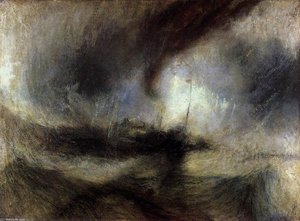
Turner hinterließ über 2.000 Gemälde und 19.000 Zeichnungen und Skizzen. Er gilt weithin als einer der größten Meister der britischen Aquarelllandschafts- und Meeresmalerei, oft als „der Maler des Lichts“ bezeichnet. Sein Einfluss auf nachfolgende Künstler ist unbestreitbar, was ihn zu einer entscheidenden Figur in der Kunstgeschichte macht.- Erleben Sie Turners 'Zeige Sturm'! Ein dramatisches romantisches Seelandschaftsgemälde, das die Wut der Natur einfängt. Entdecken Sie dieses Meisterwerks aus Impasto und Licht – ein fesselnder Blickfang.
- Entdecken Sie Turners 'Fighting Téméraire'! Ein romantisches Meisterwerk, das den Untergang eines historischen Kriegsschiffs darstellt und Verwandlung & zeitlose Schönheit symbolisiert. Perfekt für Kunstliebhaber und Sammler.
- Erleben Sie Turners 'Fighting Temeraire'! Ein romantisches Meisterwerk, das ein herzzerreißendes maritimes Abschiedsgeschenk darstellt. Erkunden Sie sein dramatisches Licht, seine Symbolik und seine historische Bedeutung.
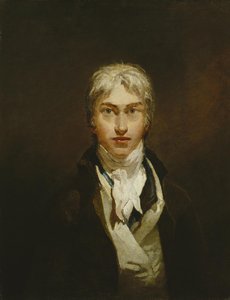
Joseph Mallord William Turner
1775 - 1851 , Vereinigtes Königreich
Kurzinfos
- Beeinflusste Künstler:
- Claude Monet
- Mark Rothko
- Bemerkenswerte Werke:
- The Morning After the Deluge
- Chichester Canal
- Ruins of Tintern Abbey
- Geburtsdatum: 23. April 1775
- Geburtsort: Covent Garden, Vereinigtes Königreich
- Künstlerische Richtung: Romantik, Landschaftsmalerei
- Nationalität: Britisch
- Sterbedatum: 19. Dezember 1851
- Vollständiger Name: Joseph Mallord William Turner

